Science competitions earn you fame, glory and transferable skills

Competitions aimed at early career researchers fill the gap between a PhD and a ‘real world’ education, says Réka Nagy.

My PhD journey is coming to its end and I am considering a non-academic career. Looking at job descriptions, I know I tick the box marked ‘strong analytical and problem-solving skills.’ However, there are other boxes to consider: ‘Strong time and project management skills.’ ‘A team player with a proven track record of collaborations.’ ‘The ability to communicate clearly and concisely to a wide range of stakeholders.’

I worked in a ten-person research group but I did most of my work on my own – does that really make me a team player? And what does “a wide range of stakeholders” mean, anyway? I don’t have the time or money to pursue further training to gain these skills, and I feel like the four years I spent getting my PhD in Human Genetics were a waste.
13158201924_305223a6e9_o

{credit}David Luders/Flickr https://www.flickr.com/photos/42988571@N08/13158201924{/credit}
Continue reading

#scidata16: Boost research and avoid embarrassing retractions by working openly and reproducibly

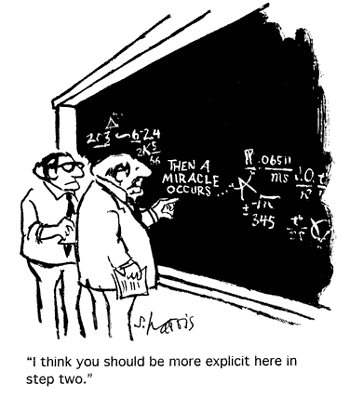
Experiments fail to be reproduced, research data from others is hard to come by, and steps between data and figure are described as ‘here, a miracle happens’.

Speakers at the Publishing Better Science through Better Data (#scidata16) conference addressed these issues and more.

Publishing Better Science through Better Data journalism competition winner Réka Nagy.

Most research happens behind closed doors, and the results can only be gleaned once they’ve been published. The raw data that lead to results, however, are rarely made public, and the steps taken to get from data to figures in a publication is not always clear, which has led to the reproducibility crisis currently facing research. It’s clear that something needs to be done to address this, and the ever-inventive collective mind of science is finding inventive solutions.

Network_Visualization

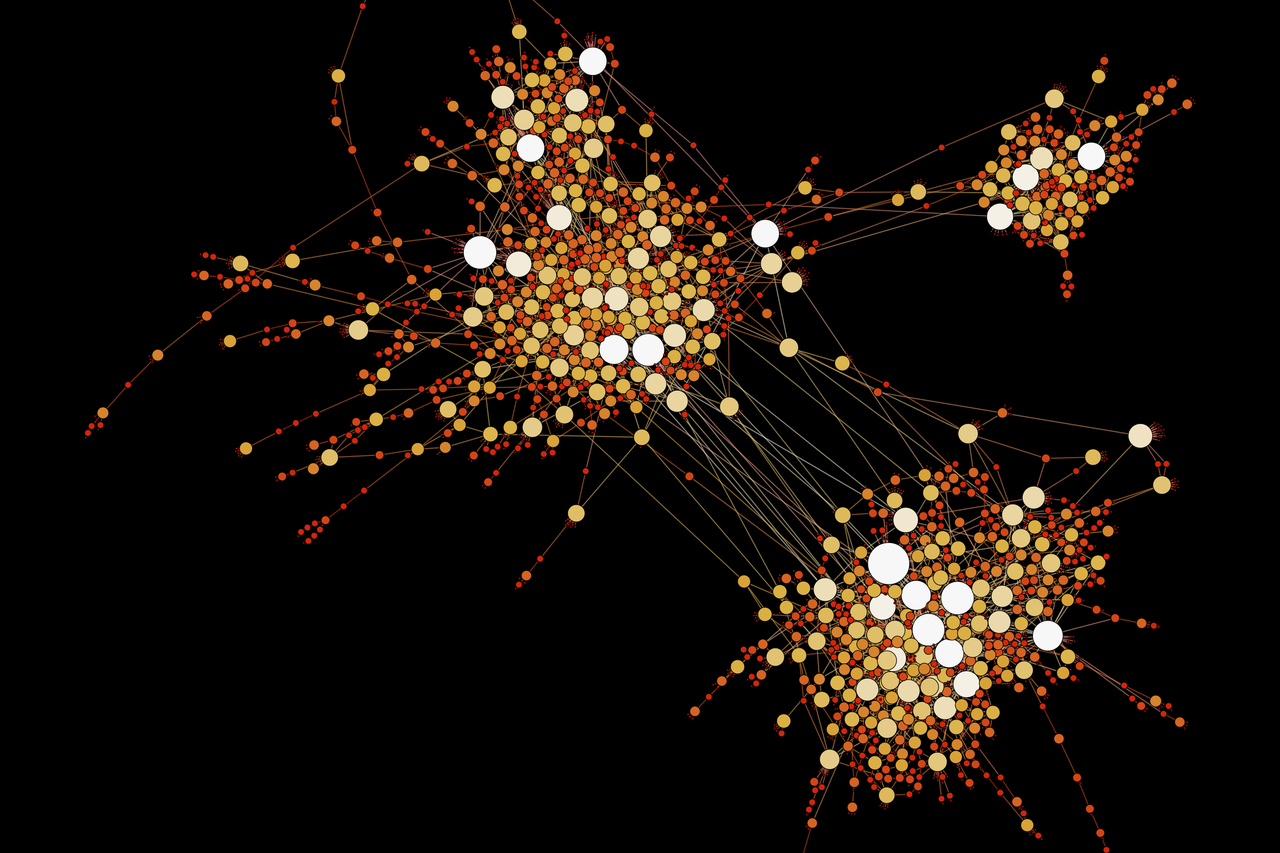
The steps taken to get from data to figures in a publication is not always clear {credit}SlvrKy/Wikimedia Commons CC-BY-SA-4.0 {/credit}

Continue reading

The era of big data is coming: Scientists need to step out of their comfort zone

As every area of research becomes data-intensive, emphasis is shifting from data generation to data analysis, bringing new challenges to researchers, says Réka Nagy.

On my first day as a new PhD student, freshly awarded molecular genetics degree in hand, I was sat down at a laptop with an unfamiliar operating system and was encouraged to explore some data using arr. What sounded like pirate speak turned out to be R, a statistical programming language. Yep – for my PhD I swapped pipettes for programming, dilutions for data and spectrophotometers for statistics. Others experienced the opposite, entering the world of biology from a computer science background.

Réka Nagy

Réka Nagy

Continue reading