Surviving academia as an early career researcher: an unreliable guide

Being an early career researcher is exciting but terrifying. Use this guide to make the most of your PhD or postdoc experience, says Atma Ivancevic.

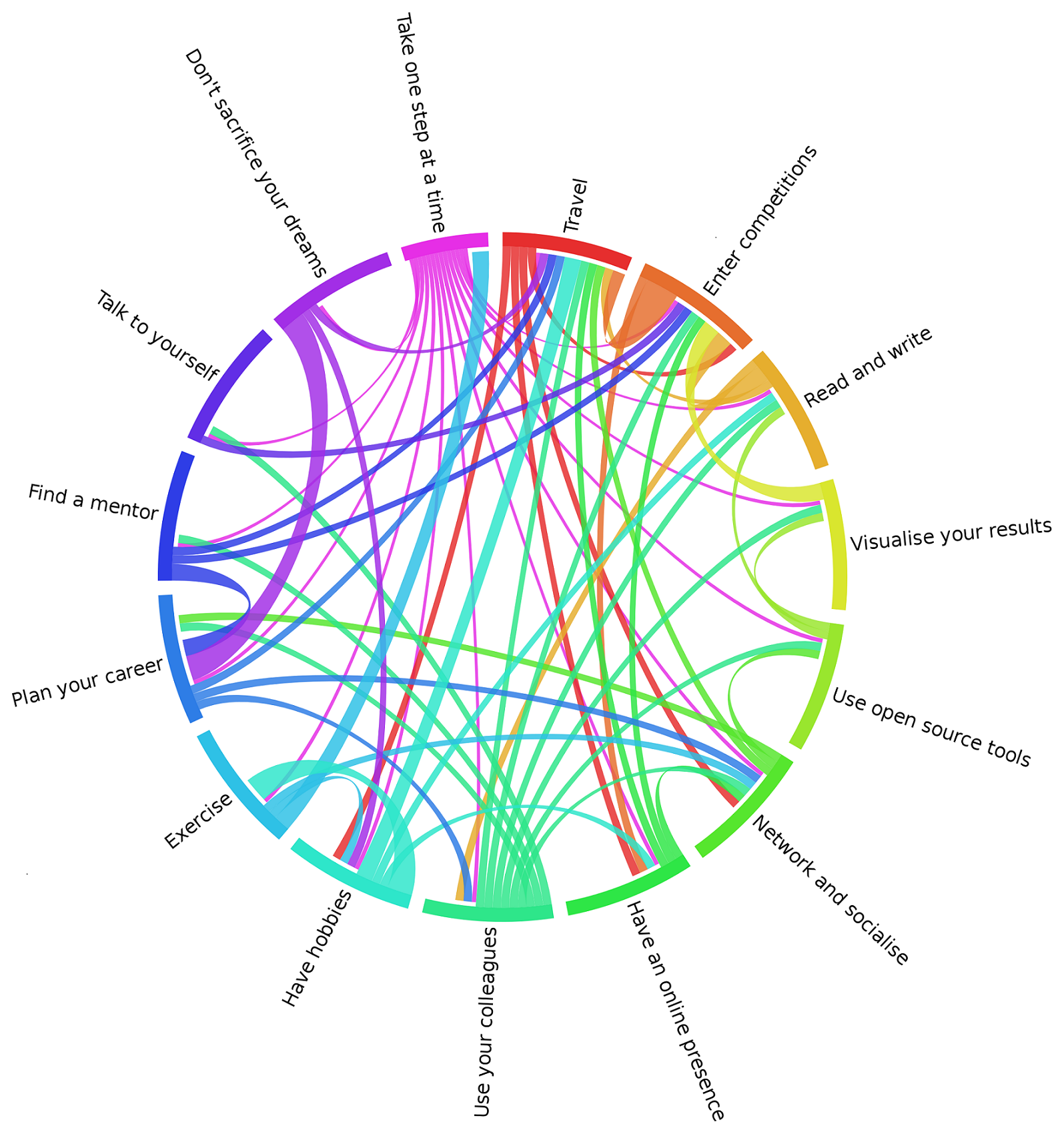
In today’s cut-throat world of grants and publications, being an early career researcher (ECR) can feel more than a little daunting. As an ECR myself, I can’t guarantee that this will help you make it to the other side unscathed. But I’m still here, and if you’re reading this, you probably are too. Outlined below are the things I’ve learnt during the ups and downs of post-PhD life.


circos-table-myxvjxw-smaller

Continue reading

The Naturejobs journalism competition, London, 2017

Enter for a chance to work as a Nature journalist for the day!

NJCE (London) NoDate

We’re launching our annual journalism competition, to cover our flagship career fair in London on October 4th, 2017. Continue reading

Announcing the Better Science through Better Data 2017 (#scidata17) writing competition

SN&Wellcome

Enter for the chance to attend the Better Science through Better Data 2017 event (#scidata17) in October, work with a Nature editor, and have your writing published here on Naturejobs and on the Scientific Data blog.

Continue reading

Why I marched for science – a transatlantic perspective

The March for Science turned a spotlight on the importance of research. But it won’t have a lasting effect unless we improve science communication, says Judith Reichel.

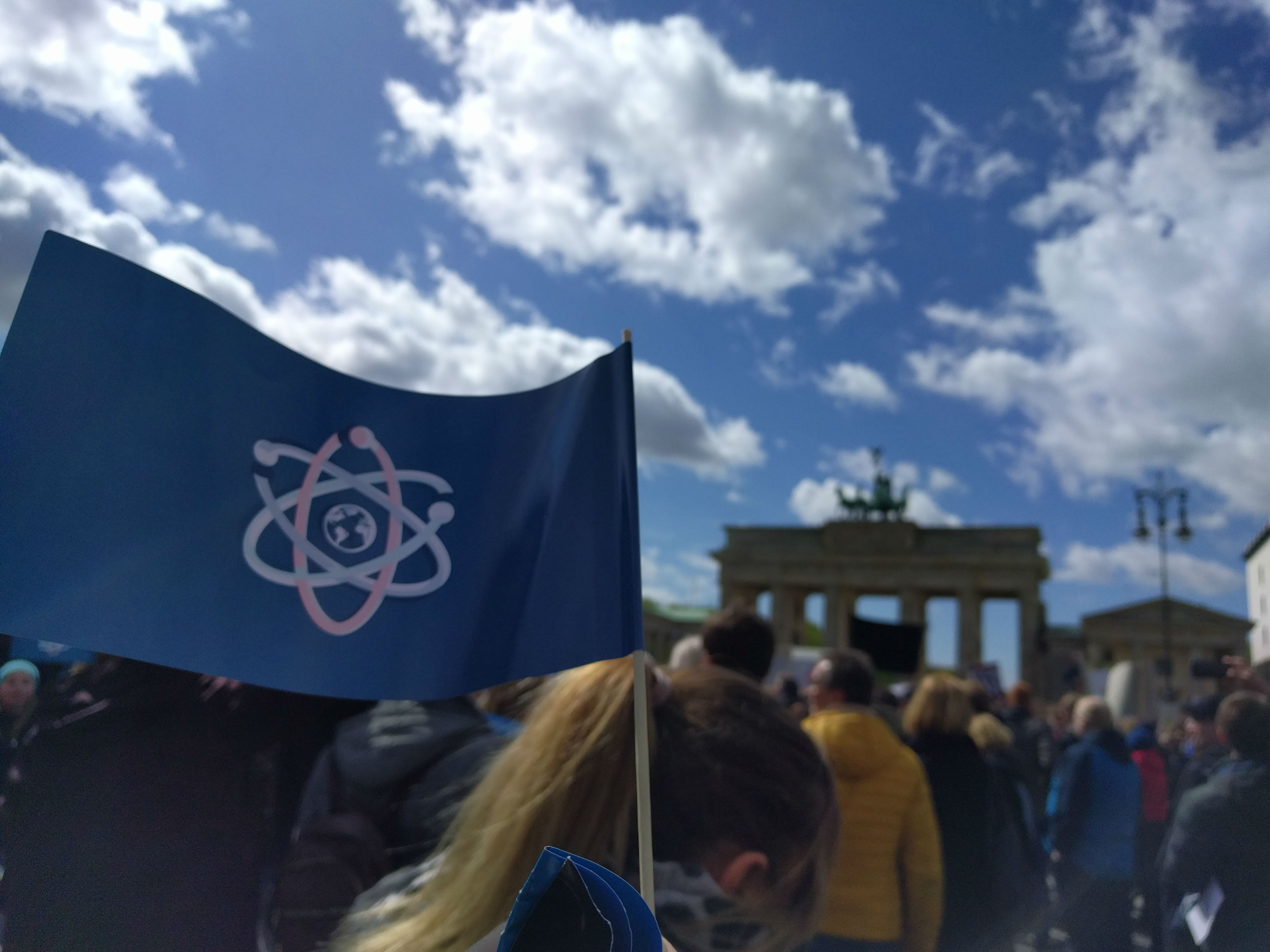
On Saturday, April 22nd, myself and an estimated 11,000 other science supporters marched in Berlin. The event was part of the global “March for Science” that took place in over 600 cities worldwide. While the March here and everywhere else was a great success in putting a spotlight on the importance of research and the danger of building on false facts, I’m worried it won’t have a lasting effect on the public perception of science if we don’t improve our science communication.

MarchforScience-Judith-1-smaller

The March for Science passes the Brandenburg gate in Berlin, Germany

Continue reading

Science competitions earn you fame, glory and transferable skills

Competitions aimed at early career researchers fill the gap between a PhD and a ‘real world’ education, says Réka Nagy.

My PhD journey is coming to its end and I am considering a non-academic career. Looking at job descriptions, I know I tick the box marked ‘strong analytical and problem-solving skills.’ However, there are other boxes to consider: ‘Strong time and project management skills.’ ‘A team player with a proven track record of collaborations.’ ‘The ability to communicate clearly and concisely to a wide range of stakeholders.’

I worked in a ten-person research group but I did most of my work on my own – does that really make me a team player? And what does “a wide range of stakeholders” mean, anyway? I don’t have the time or money to pursue further training to gain these skills, and I feel like the four years I spent getting my PhD in Human Genetics were a waste.

13158201924_305223a6e9_o

{credit}David Luders/Flickr https://www.flickr.com/photos/42988571@N08/13158201924{/credit}

Continue reading

Exploring science communication

Science communication comes in many forms. Discover your favourite, says Andy Tay

There’s a few reasons why scientists may be discouraged from science communication. Here, I’m hoping to break down some of those barriers, and introduce channels and platforms where scientists can practise. First, here are some of the reasons stopping more scientists from practising science communication, as well as my rebuttals.

GettyImages-200525300-001-smaller2 Continue reading

Getting started on an academic book: five questions to ask

Turning your academic book ‘idea’ into a solid concept can be done, says Jessica Eise

Publishing an academic book is an accomplishment to which many aspire. A book is, essentially, your work, thoughts and research agglomerated in one neat, tidy package of bound paper. It’s rewarding both personally and professionally. Not only are you sharing your ideas and contributions to the broader world, but you can actually hold in your hands the fruit of your labor.writing-1043622_1920-smaller Continue reading

Science communication: What it takes

Science achieves little if it stays in the lab. Here’s what you need to get it out to the world, says Jessica Eise

Communicating about science is a noble profession, and one that’s becoming increasingly and ever more popular. Yet it isn’t the right fit for everyone. I got started in this field about five years ago, and was surprised by many of the things I needed that no one had ever mentioned. Here’s what no one ever tells you you’ll need.

analytics-282739_1280

Passion for science

If you don’t care about science, you’re going to burn out fast. Science is hard, so science communication is hard, too. You’re going to have to delve into complicated issues quickly. I’ve worked on projects ranging from solar panel taxes to integrated imaging, from public perceptions of pork to international trade databases. You really have to care about good science communication to get a message across. The only thing worse than no science communicator is a science communicator who hates their job.

I didn’t have an immediate interest in food and agricultural topics when I started my job. But I audited a course on food security, read tons on the subject and sat down with my colleagues to figure out why these topics are so critically important. It made all the difference. Continue reading

Finding job satisfaction as a science communicator

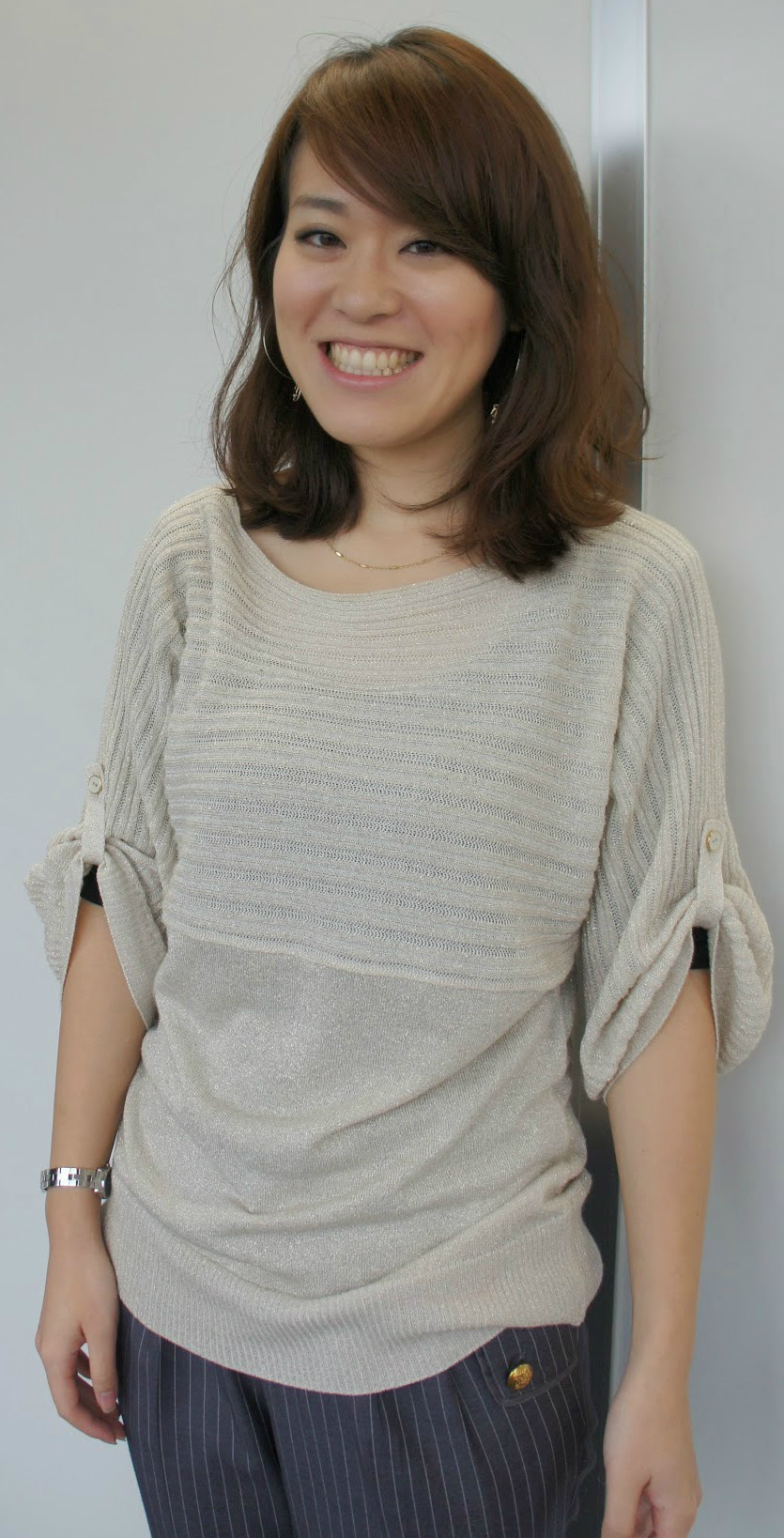
Yuko Ueno planned to work in science communication…

…But a supervisor suggested that gaining first-hand research experience might make her a better communicator. Today, she sells workshops to companies, schools and universities and teaches science to Sunday-school students at a private academy in Tokyo.

Smriti Mallapaty catches up with her to learn more.

yuko-smaller

Yuko Ueno

Continue reading

Making headlines: Choosing the best title for your paper

It may feel like an afterthought, but taking the time to write an effective title for your paper could be an easy way of promoting your research, says Helen Robertson.

Writing up a manuscript for publication is a multi-faceted process. You’ve finished the literature review, detailed your methods, discussed your findings and formatted your figures. Now, the only thing left is to come up with the title.

Easy, right?

original

Is is that easy to come up with a title? {credit} Alias la Patata by Pierpaolo Voci. CC-SA-3.0 {/credit}

Continue reading