Different “Me”s open up a new world on a personal and scientific level

Haruka Yuminaga’s experience moving back to Japan has been a challenge — but has helped her become a better scientist.

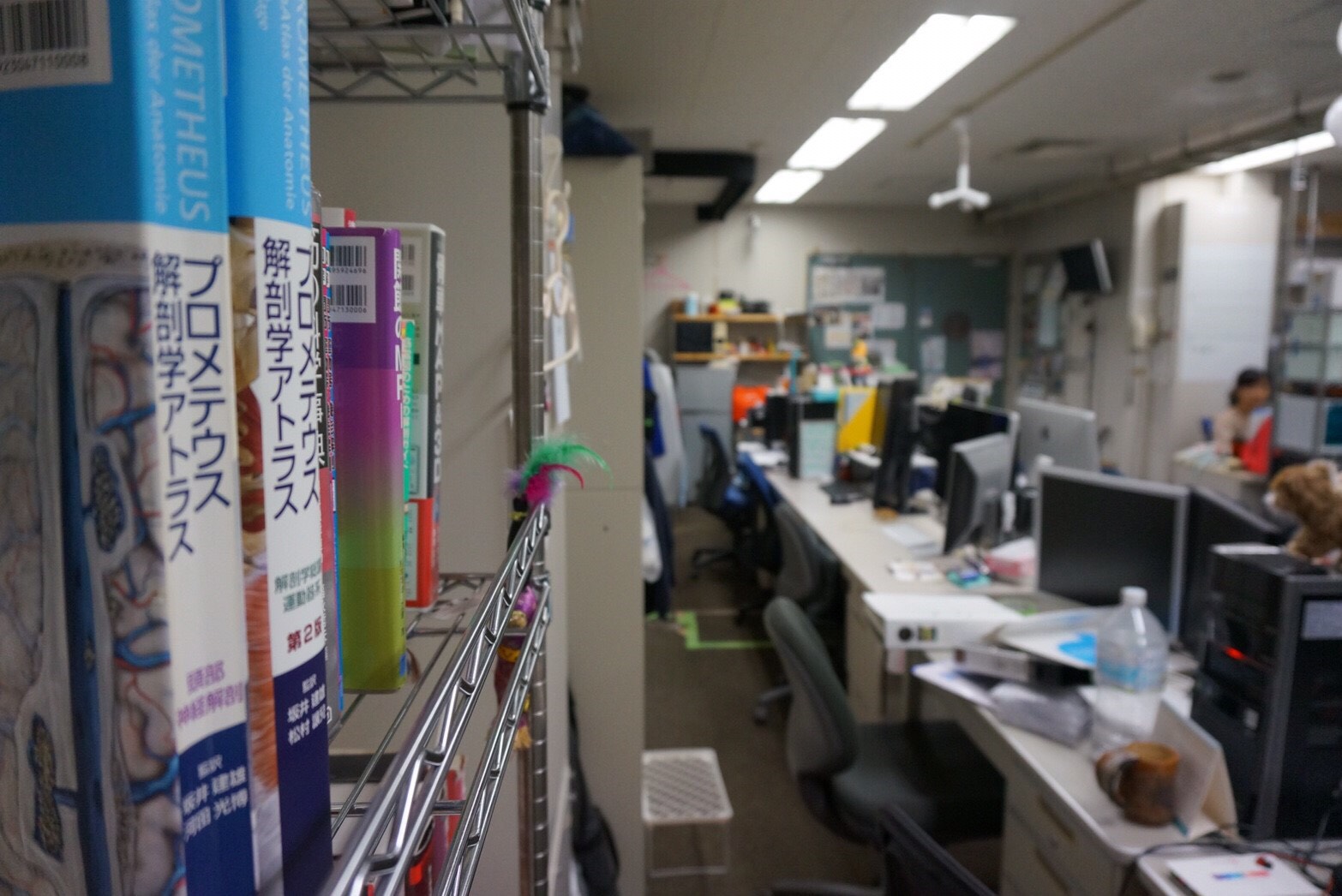
A light grey room is filled with 23 grey desks, scattered in pens and books. In one corner sits a refrigerator packed with snacks. Next to it is a rice cooker. The walls are covered in pictures of fun lab memories. Amidst the clutter, some students joke and laugh; chat with a professor about their experimental procedures; analyze data on their laptops and unconsciously wrinkle their brows.
umi lab

The Ushiba lab

It is a usual morning at the Ushiba lab where I’m doing an internship this summer. I am a rising junior at Macalester College in Minnesota, USA. Before spending two years in a U.S college, I spent all my life in Japan, and expected being back in a Japanese lab to feel natural. But my assumption was wrong.
Reverse culture shock

Continue reading

Sports science: An athlete-researcher’s experience

NATURE_SPORT_400-smaller

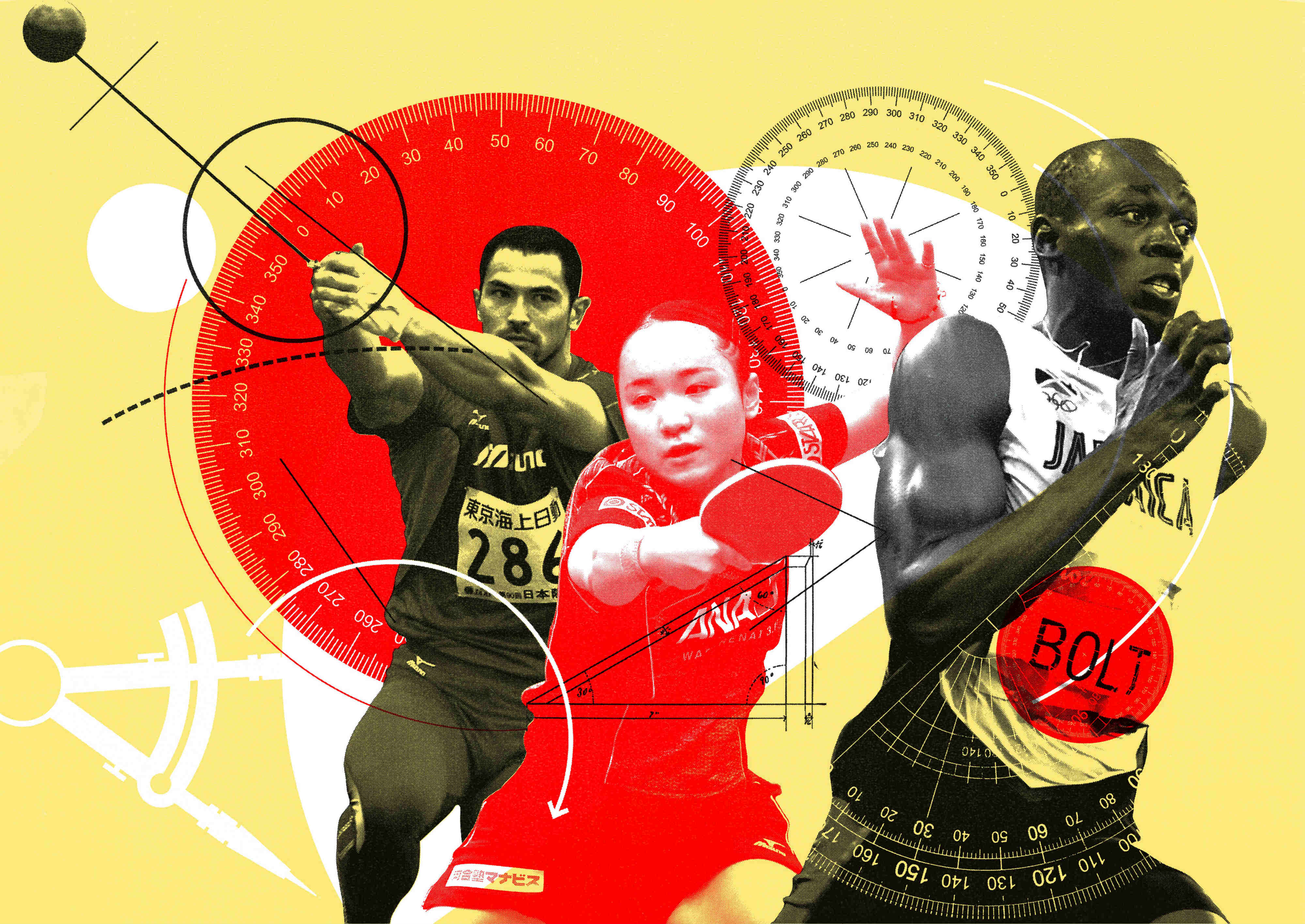
Koji Murofushi’s career has been a mix of tradition and innovation in sports science. He shares his thoughts on a new training approach.

By Tim Hornyak

Sports science is the study of the body as a performance machine. Its specialties span biomechanics and psychology, and demand for its experts is growing. Whether it’s helping everyday people with their physical wellbeing or training elite athletes to react faster endure longer or jump farther, sports scientists and performance consultants are playing an increasingly important role in exercise and competition.

Evidence of growing demand for sports science mavens can be seen everywhere from new university programmes such as the University of Michigan’s Exercise & Sport Science Initiative, launched in 2016, to mass media events. In one example of the latter, before Irish mixed martial artist Conor McGregor went up against boxing champion Floyd Mayweather in a much-hyped showdown in August, he trained at the UFC Performance Institute, a $12 million facility that opened earlier this year in Las Vegas. McGregor used altitude chambers to improve aerobic capacity and ran on an underwater treadmill to build endurance. That may have helped him go more than nine rounds with Mayweather, the overwhelming favorite and eventual winner of the bought. Continue reading

An overseas research intern’s journey in Japan

My overseas internship experience significantly increased my knowledge of research culture and lifestyles in foreign countries.

Guest contributor Andy Tay

Previously, I shared my thoughts on the usefulness of an overseas working experience to establish networks with international experts, and to develop cultural awareness — both of critical importance in a researcher’s career. This year, I decided to head to Japan, Tokyo to work on stem cells as a summer intern at the RIKEN Brain Science Institute (BSI).

If you’re thinking of an overseas internship, especially in Japan, my hope is that this will be of help to you.

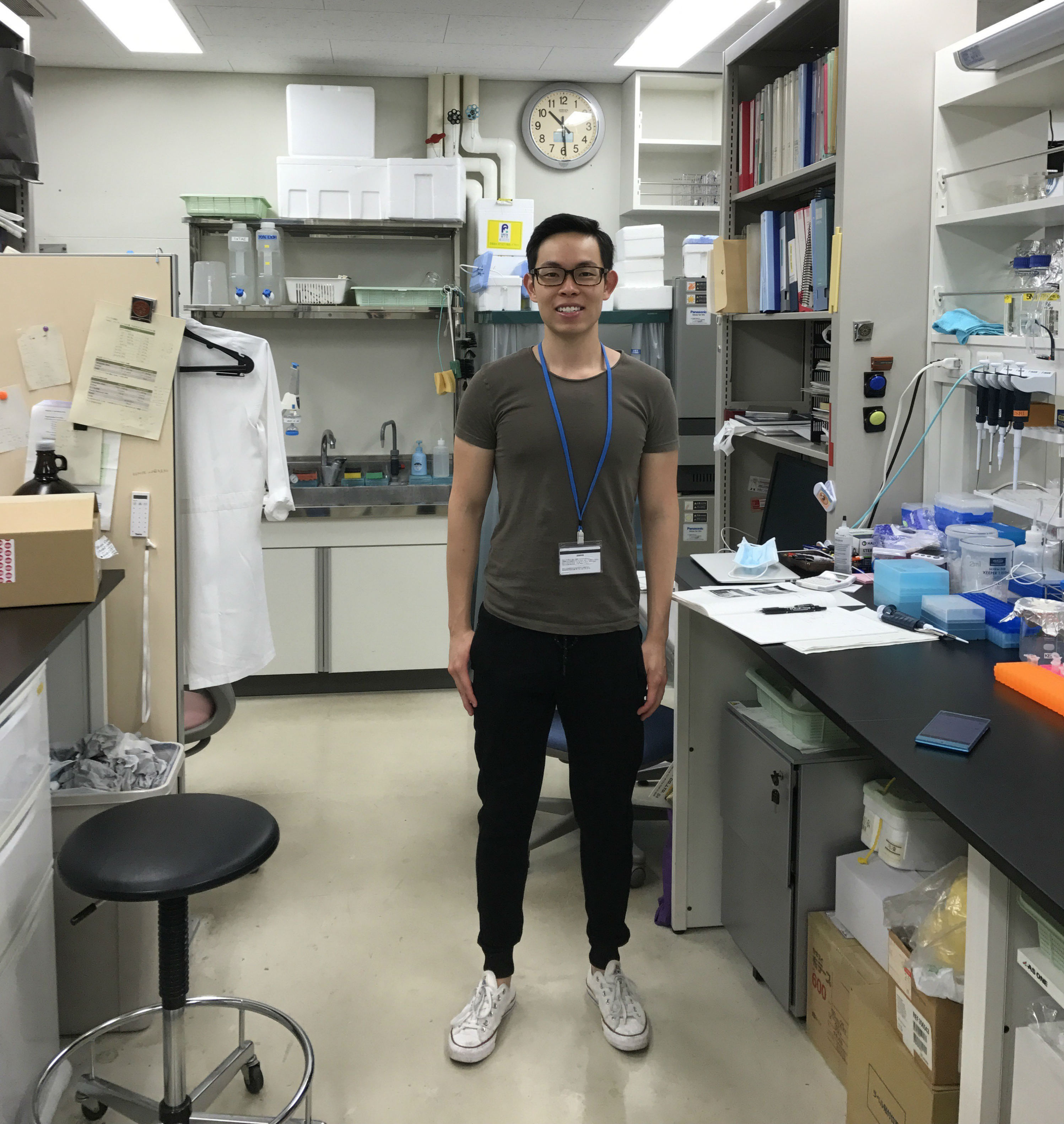
andy in japan-smaller

Andy in his new lab

Continue reading

Finding job satisfaction as a science communicator

Yuko Ueno planned to work in science communication…

…But a supervisor suggested that gaining first-hand research experience might make her a better communicator. Today, she sells workshops to companies, schools and universities and teaches science to Sunday-school students at a private academy in Tokyo.

Smriti Mallapaty catches up with her to learn more.

yuko-smaller

Yuko Ueno

Continue reading

Away from home: Collaboration in a global organisation

We’re bringing you the best stories in lab mobility from Nature India

The ‘Away from home‘ blogging series features Indian postdocs working in foreign labs recounting their experience of working there, the triumphs and challenges, the cultural differences and what they miss about India. They also offer useful tips for their Indian postdocs headed abroad. You can join in the online conversation using the #postdochat hashtag.

Today, we have environment scientist Ram Avtar, an alumnus of Jawaharlal Nehru University (JNU), New Delhi and a postdoc from the Japan Agency for Marine-Earth Science and Technology (JAMSTEC). He tells us about his transition from a postdoc to a research associate with the United Nations University in Tokyo, an organisation with a global outlook and ample scope to forge meaningful collaborations — not just in one’s professional life but also in the personal life.

Away from Home: Blending remote sensing with social sciences

We’re bringing you the best stories in lab mobility from Nature India

The ‘Away from home‘ blogging series features Indian postdocs working in foreign labs recounting their experience of working there, the triumphs and challenges, the cultural differences and what they miss about India. They also offer useful tips for their Indian postdocs headed abroad. You can join in the online conversation using the #postdochat hashtag.

KRC

Koel Roychowdhury

This week we have a young scientist from the United Nations University (UNU) in Tokyo, Japan at the end of her postdoc tenure. Koel Roychowdhury, an alumnus of the University of Calcutta, uses remote sensing technology to look at environmental and agricultural sustainability. Koel says the fascinating opportunity of doing science for social good is what keeps her going. Continue reading

What are the benefits of reproducibility in science?

There has always been an element of risk in science, which is why data must be reproducible, explains Ellen Phiddian.

On June 6, 2012, I skipped class to watch the transit of Venus. I was studying in Adelaide, Australia, where the transit lasted from early morning until mid-afternoon and we had a wonderfully sunny day to view it. If I had known a bit more about the history of the transit, I may have been more thankful for that.

ISS-45_Indian_subcontinent-smaller

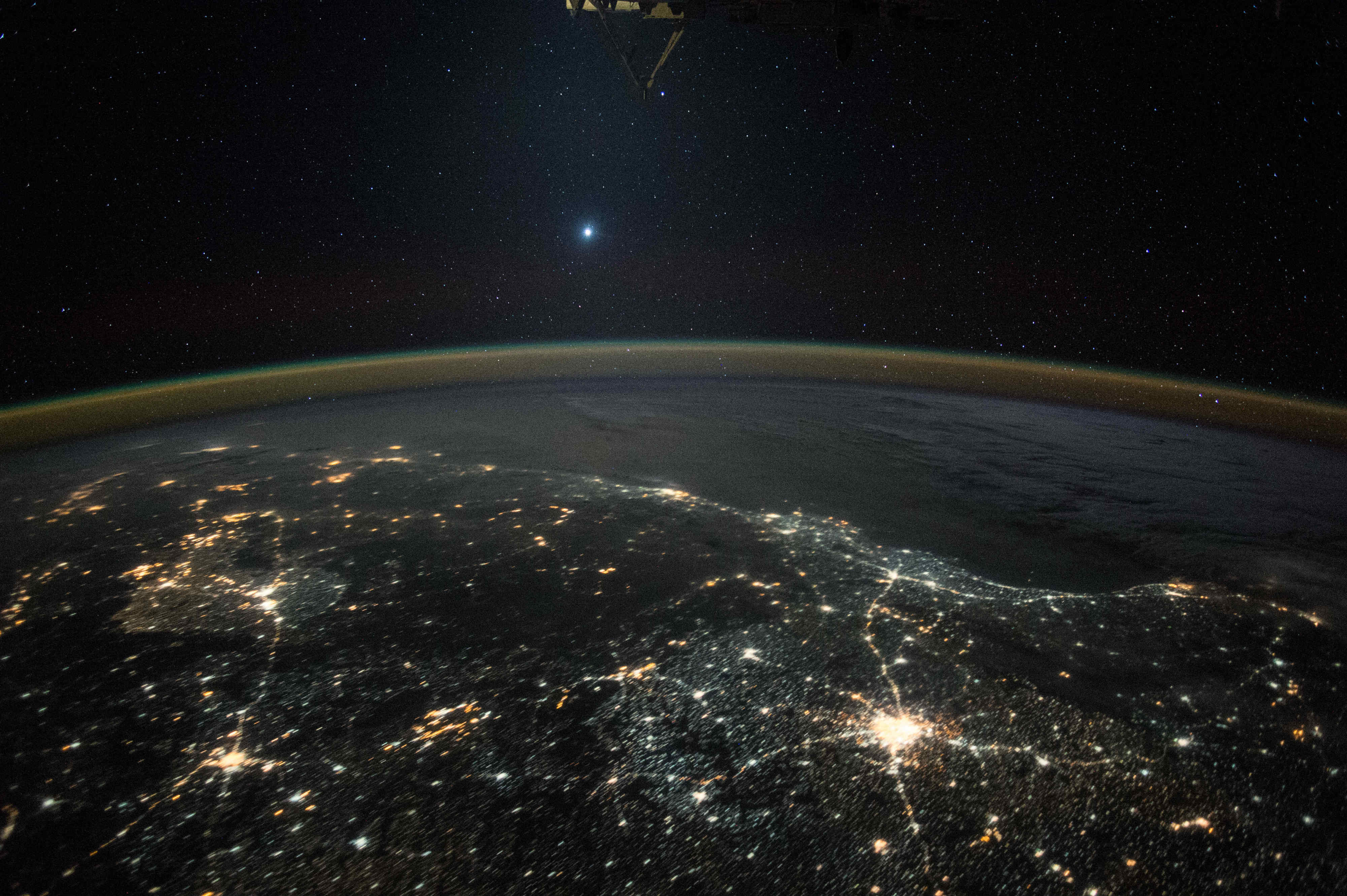
A view of Venus from over the Indian subcontinent. This photograph was taken by Japan Aerospace Exploration Agency (JAXA) astronaut Kimiya Yui from the International Space Station on December 5th, 2015

In the 1760s, astronomers made long and convoluted journeys across the globe just to observe Venus crossing the Sun. Scientists at the time wanted the transit recorded from as many continents as possible, so they could use the data to calculate the distance between the Earth and the Sun. It took years of effort and huge sums of money to orchestrate such a viewing. Continue reading