An overseas research intern’s journey in Japan

My overseas internship experience significantly increased my knowledge of research culture and lifestyles in foreign countries.

Guest contributor Andy Tay

Previously, I shared my thoughts on the usefulness of an overseas working experience to establish networks with international experts, and to develop cultural awareness — both of critical importance in a researcher’s career. This year, I decided to head to Japan, Tokyo to work on stem cells as a summer intern at the RIKEN Brain Science Institute (BSI).

If you’re thinking of an overseas internship, especially in Japan, my hope is that this will be of help to you.
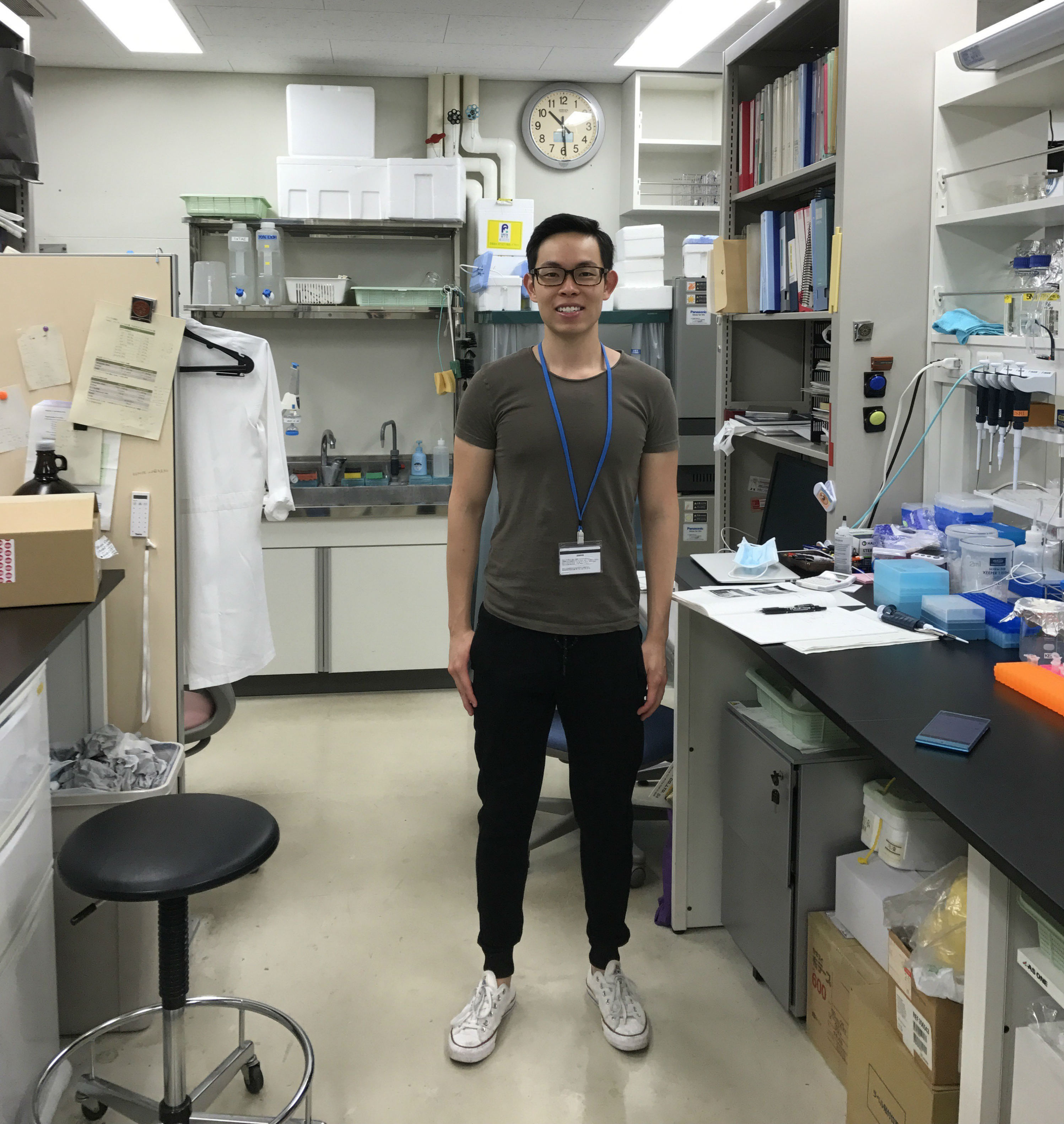
andy in japan-smaller

Andy in his new lab

Continue reading

Lost in translation

You may not be an English native speaker, but that shouldn’t be an obstacle in science, says Elena Blanco-Suárez.

GettyImages-550382899-smaller


Continue reading

What I learnt from researching in Germany

Mit Bhavsar shares his thoughts on working in the German scientific environment

I’ve always been fascinated with medical research, which brought me from Ahmedabad, India, to Frankfurt (via Aachen, Düsseldorf and Göttingen) to pursue a Masters and a PhD in neuroscience. Germany boasts an excellent research ecosystem across the private and public sectors, with strong collaboration between each. Consequently, there are attractive career opportunities for local and international researchers, especially in a world where two of the west’s other major research hubs – the UK and the US – appear to be trending against science, evidence, and intellectualism. Having spent seven years here, this is what you need to know about research in Germany.

biomedical research-smaller

Credit: Getty/Andrew Brookes

Continue reading

Omnity opens multilingual semantic searches up to academia

When preparing a grant or publication, where can you turn for new ideas? You can bounce ideas off colleagues, search PubMed and Web of Science for related literature, and maybe take a trip down Google lane. But it’s difficult to get outside one’s particular area of expertise — to mine the opportunities at cross-disciplinary boundaries  unless you know what you’re looking for. The developers of a new document search engine hope to make such cognitive leaps easier, finds Jeff Perkel.

Continue reading

Lost for words — the language of science communication

While English is largely regarded as the global language of science, science communication doesn’t enjoy a unifying language.

Naturejobs journalism competition winner Catherine Carnovale explores this distinction.

GettyImages-550382899-smaller Continue reading