African astronomy and how one student broke into the field

Africa is investing in a future of astronomy research, but students need access to inspirational lecturers, says Gina Maffey.

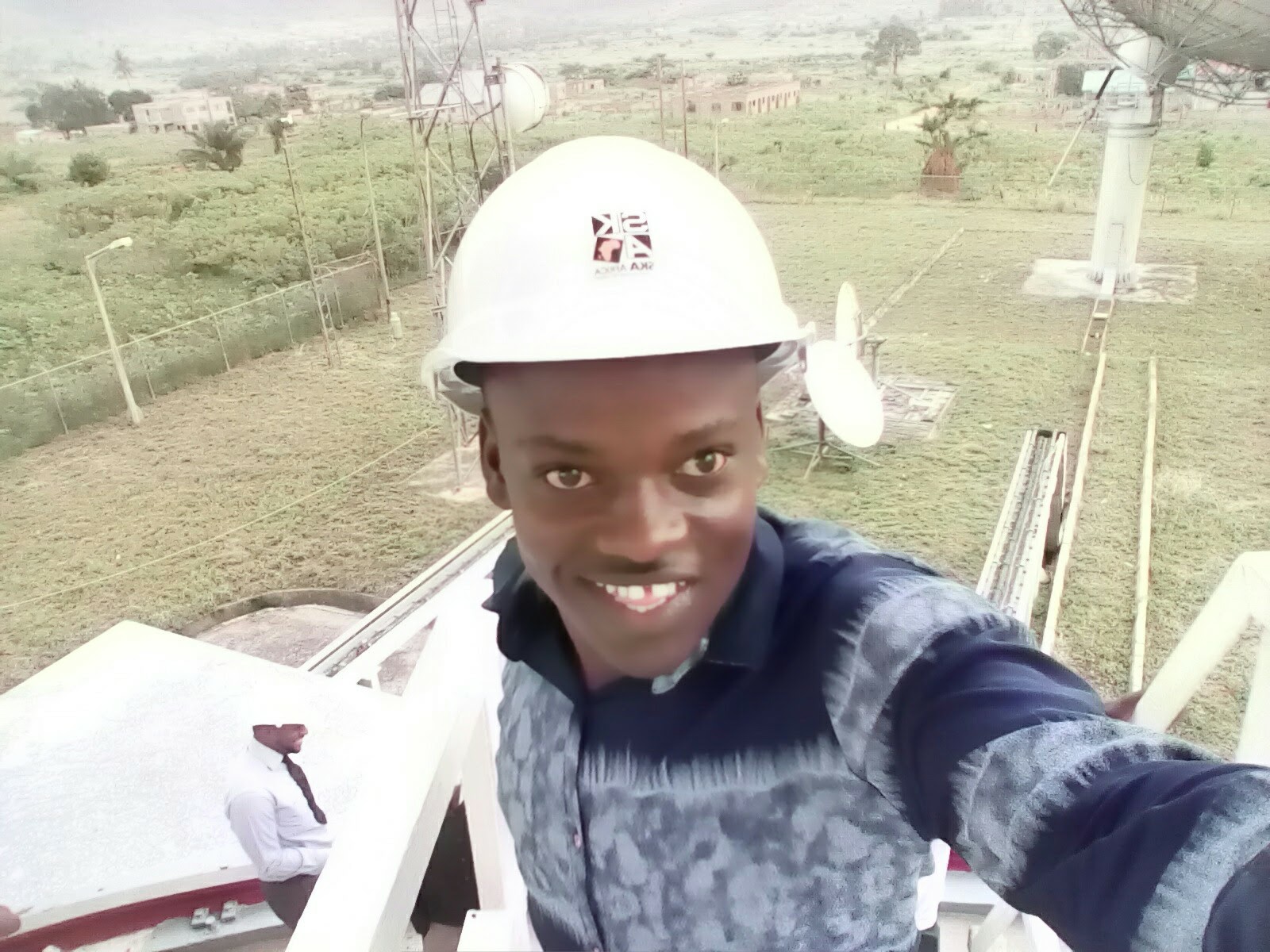
Mutie at the Ghana Radio Astronomy Observatory (GRAO) at Kuntuse, Ghana

Isaac Mumo Mutie

What do you do when the degree you want to study is not offered by your university?

You study it anyway.

“I did a lot of personal research online, looking for answers” says Isaac Mumo Mutie, an astronomy student who studied at the Technical University of Kenya. While studying for a Bachelor of Technology in Technical and Applied Physics, Professor Paul Baki introduced Mutie to astronomy, and Mutie would consult with him in his spare time.

“He would ask me ‘why are you interested? This is not part of the curriculum.’ But I insisted.” Continue reading

A student shaping the future of African astronomy

Africa is investing in a future for astronomy research, but it requires a fresh cohort of enthusiastic people to make it happen. Gina Maffey talks to one dedicated scientist.

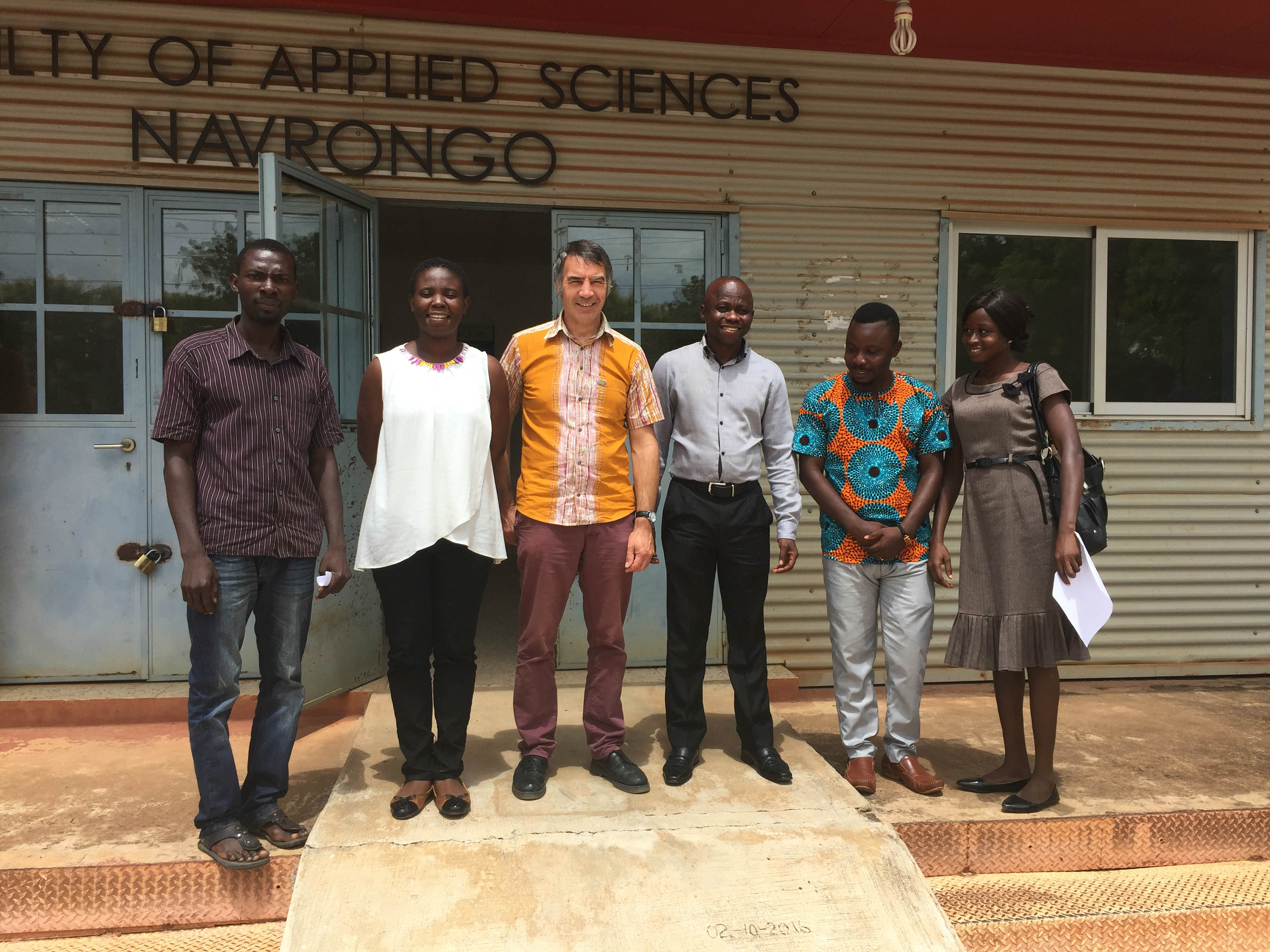
Asabre Frimpong (second from the left) and Prof-smaller

“I want to see Africa lit up.” Naomi Asabre Frimpong says with a laugh, “I want to show how Africa can be forward thinking. I want to make sure that we are not left behind.”

Asabre Frimpong is a 2nd year PhD student at the University of Manchester, in the UK, and her enthusiasm — for both astronomy and science in general — is infectious.

She says she was attracted to science through chemistry, and studied for a BSc and MPhil in Ghana. A post at the Ghana Space Science and Technology Centre introduced her to astronomy and shortly afterwards, on an astronomy and astrophysics training scheme in India, her worlds collided as she discovered astro-chemistry – the study of chemical reactions in space Continue reading

Breaking the curse on science

Open data can help us avoid inherent biases in our work, says Ayushi Sood

Better Science through Better Data writing competition winner Ayushi Sood

Data-sharing-naturejobs-blog

Recently, an economist friend told me that “scientific inquiry is inherently cursed.” At first I was offended. But I had to agree after he elaborated further – science today suffers from something economists enigmatically call the “winner’s curse”. Continue reading

Ageism in academic jobs in India

Farah Ishtiaq shares her experience on how age and success are linked in acquiring faculty positions in India

India has recently been portrayed as a land of abundant opportunity in academia, investing seriously in research and development to attract skilled scientists. The government has introduced several attractive funding opportunities, with the aim of bringing back scientists working abroad to establish a long-term career here, and improving the overall research infrastructure. Wellcome Trust/DBT India Alliance (WT/DBT) fellowships, for example, have no age or nationality restrictions, relying on qualifications, research experience, career trajectory and the candidate’s determination to establish their own independent research.

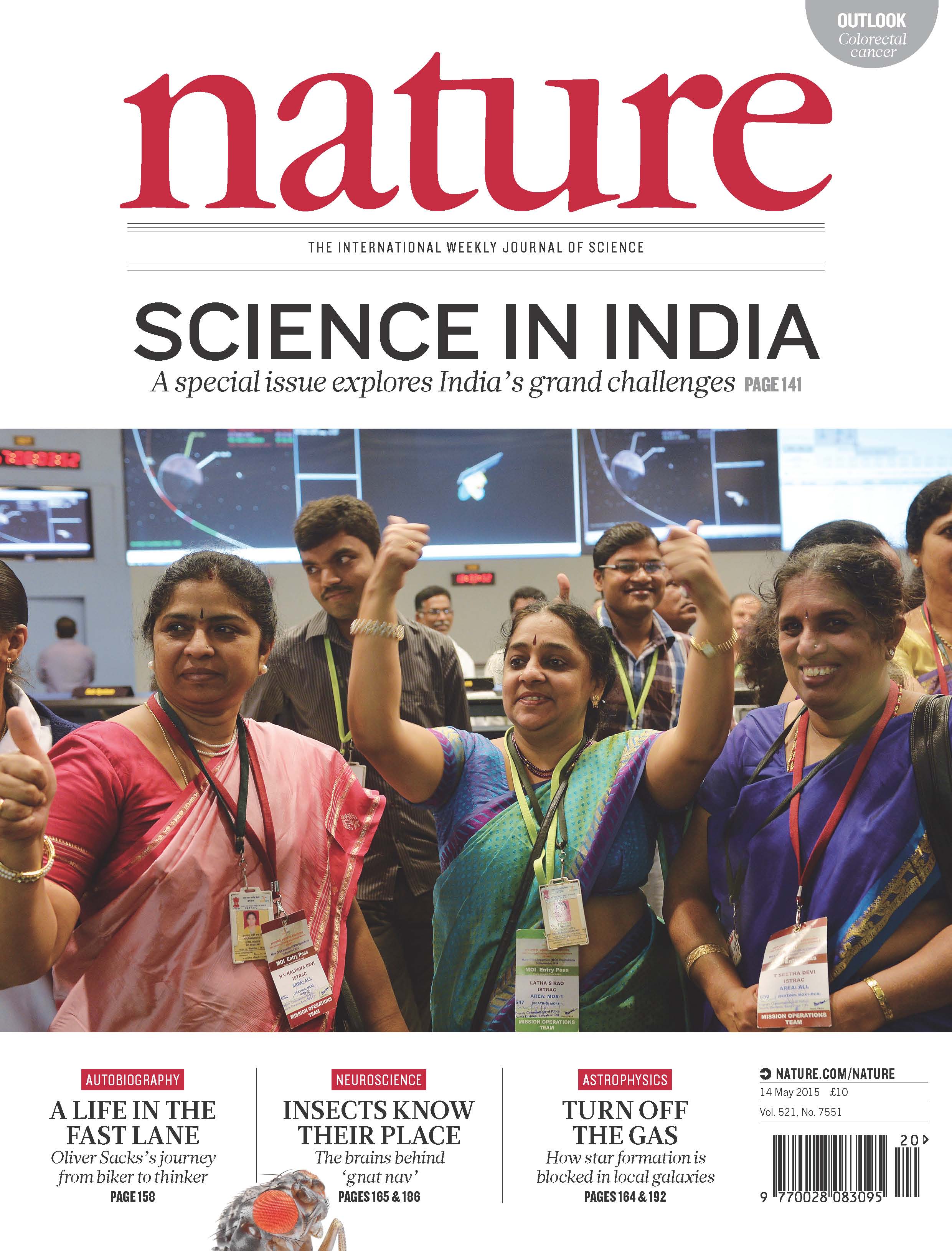
A Nature special issue in 2015 explored some of the unique opportunities - and the unique problems - of working as a scientist in India

A Nature special issue in 2015 explored some of the unique opportunities – and the unique problems – of working as a scientist in India

Continue reading

What I learnt from researching in Germany

Mit Bhavsar shares his thoughts on working in the German scientific environment

I’ve always been fascinated with medical research, which brought me from Ahmedabad, India, to Frankfurt (via Aachen, Düsseldorf and Göttingen) to pursue a Masters and a PhD in neuroscience. Germany boasts an excellent research ecosystem across the private and public sectors, with strong collaboration between each. Consequently, there are attractive career opportunities for local and international researchers, especially in a world where two of the west’s other major research hubs – the UK and the US – appear to be trending against science, evidence, and intellectualism. Having spent seven years here, this is what you need to know about research in Germany.

biomedical research-smaller

Credit: Getty/Andrew Brookes

Continue reading

Away from home: Lovelock during postdoc

We’re bringing you the best stories in lab mobility from Nature India

The ‘Away from home‘ blogging series features Indian scientists working in foreign labs recounting their experience of working there, the triumphs and challenges, the cultural differences and what they miss about India. They also offer useful tips for other scientists headed abroad. You can join in the online conversation using the #postdochat hashtag.

We promised than when we hear something exciting or interesting from an Indian postdoc abroad, we will bring it to you. So here’s the first ‘sporadic’ entry coming from Anupam Jhingran, a postdoc fellow at the Memorial Sloan-Kettering Cancer Center (MSK), New York. Anupam tells us about an extremely important facet of the Indian postdoc’s life abroad — finding the right match to marry! Anupam has been successful in getting a bride for himself but recounts for fellow mates what it has been like go through the process. He gives us a blow by blow account of what all an Indian postdoc might encounter before he strikes gold! Read on and leave your comments — have you had a similar experience, do you know someone who has or are your bracing up for this now?

[At MSK, Anupam studies host response to Aspergillus fumigatus (Af) infection. His lab got relocated from the Fred Hutchinson Cancer Research Center (FHCRC), Seattle where he was originally recruited. “Moving from a relatively laid-back (but equally productive) West coast culture of Seattle to a lot busy and fast East coast culture is an experience in itself and I am currently adapting myself to this new environment, ” he says.]
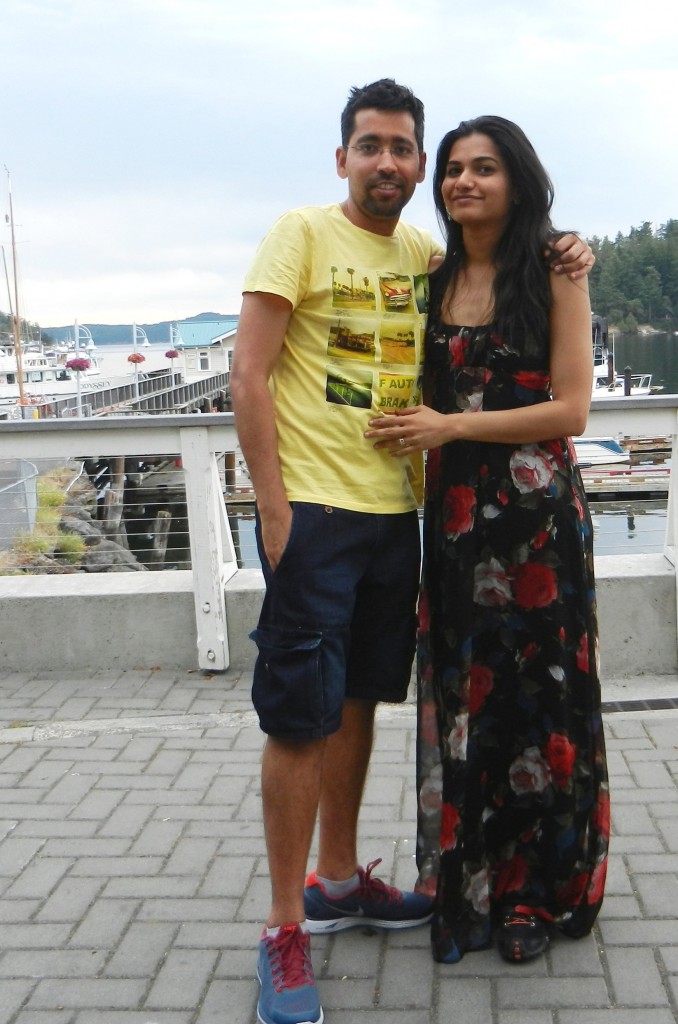
Anupam Jhingran

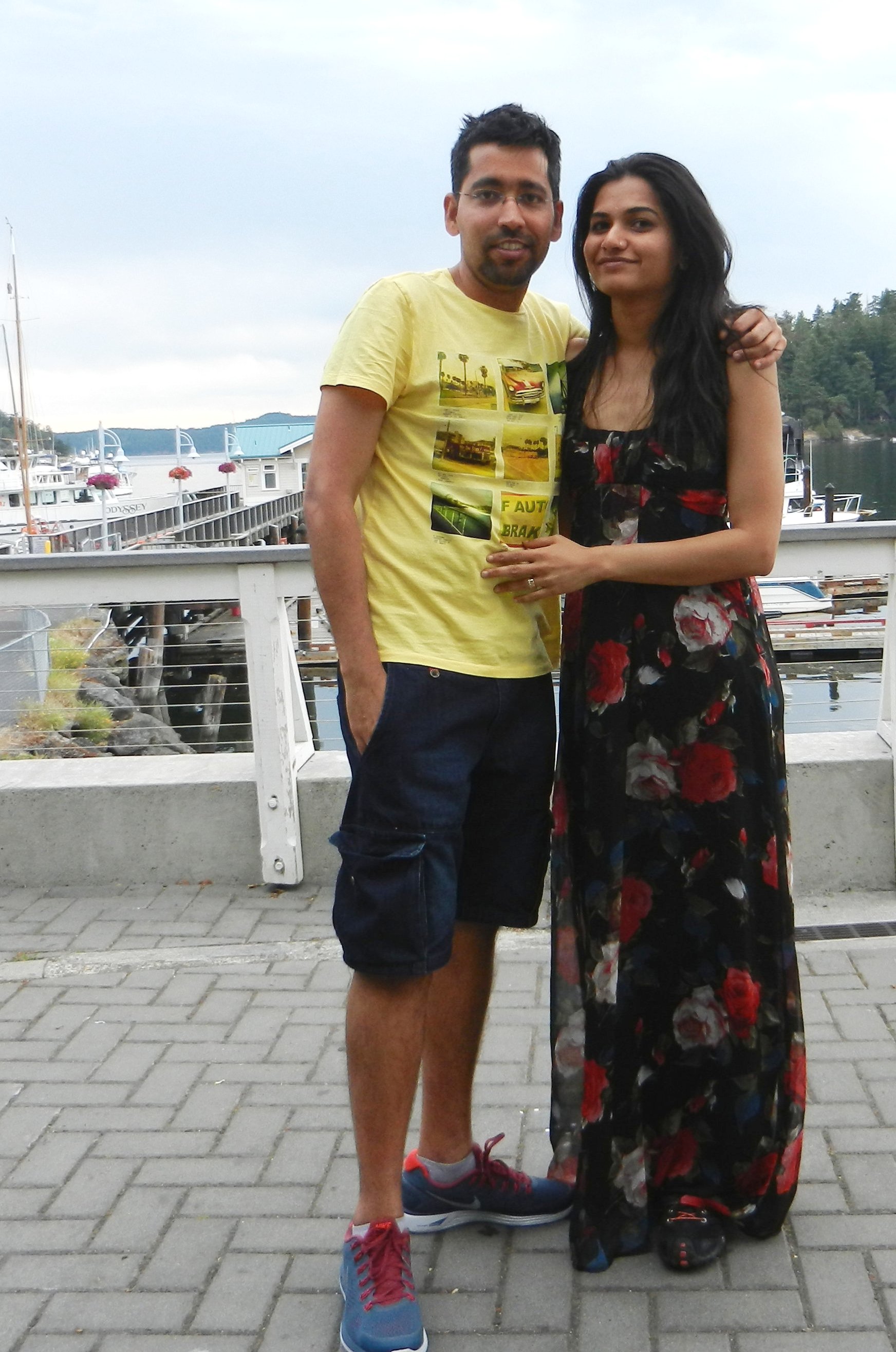
Anupam Jhingran and his wife

Continue reading

Away from home: The two-body problem

We’re bringing you the best stories in lab mobility from Nature India

The ‘Away from home‘ blogging series features Indian scientists working in foreign labs recounting their experience of working there, the triumphs and challenges, the cultural differences and what they miss about India. They also offer useful tips for other scientists headed abroad. You can join in the online conversation using the #postdochat hashtag.

Here’s the account of a scientist couple, looking at opportunities to come back to India. Naresh Bal, a PhD from Jawarharlal Nehru University, New Delhi and a postdoc from the Ohio State University, USA is currently wanting to start an independent research group of his own. He is busy writing grants overtime given the “current grant situation in the USA”. Naresh urges the Indian government and institutions to think of schemes to recruit scientist-couples to work as a team. Read on and leave your comments — have you had a similar experience, do you know someone who has or are your bracing up for this now?

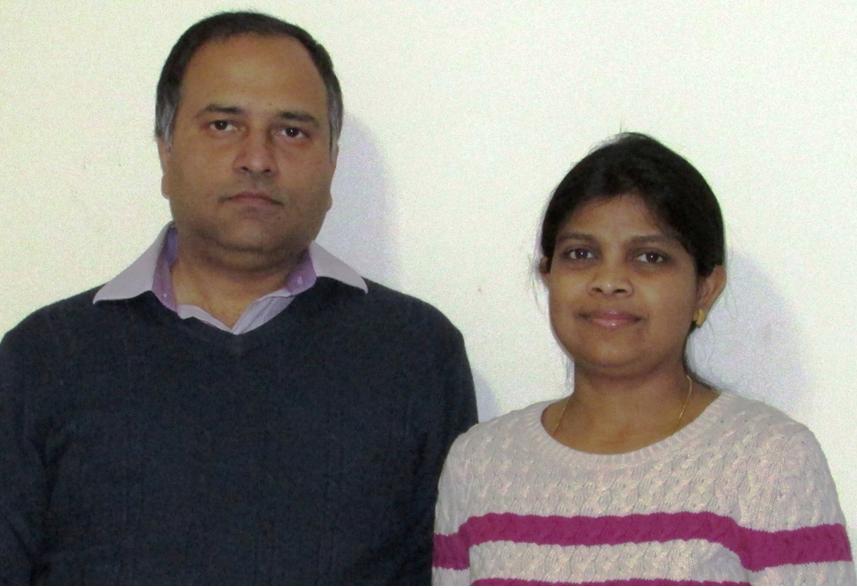
The scientist couple: Naresh Bal and Nivedita Jena

The scientist couple: Naresh Bal and Nivedita Jena

Continue reading

Away from home: Why the postdoc phase is crucial

We’re bringing you the best stories in lab mobility from Nature India

The ‘Away from home‘ blogging series features Indian postdocs working in foreign labs recounting their experience of working there, the triumphs and challenges, the cultural differences and what they miss about India. They also offer useful tips for their Indian postdocs headed abroad. You can join in the online conversation using the #postdochat hashtag.

In this post, microbiologist Devendra Dusane, a doctorate from the University of Pune and a postdoc at McGill University, Canada talks about the importance of the postdoc phase, which he says, is crucial for shaping one’s goals — both in life and in research. It is “overwhelming when my wife and daughter appreciate my published research papers and celebrate with me”, he says.

DD

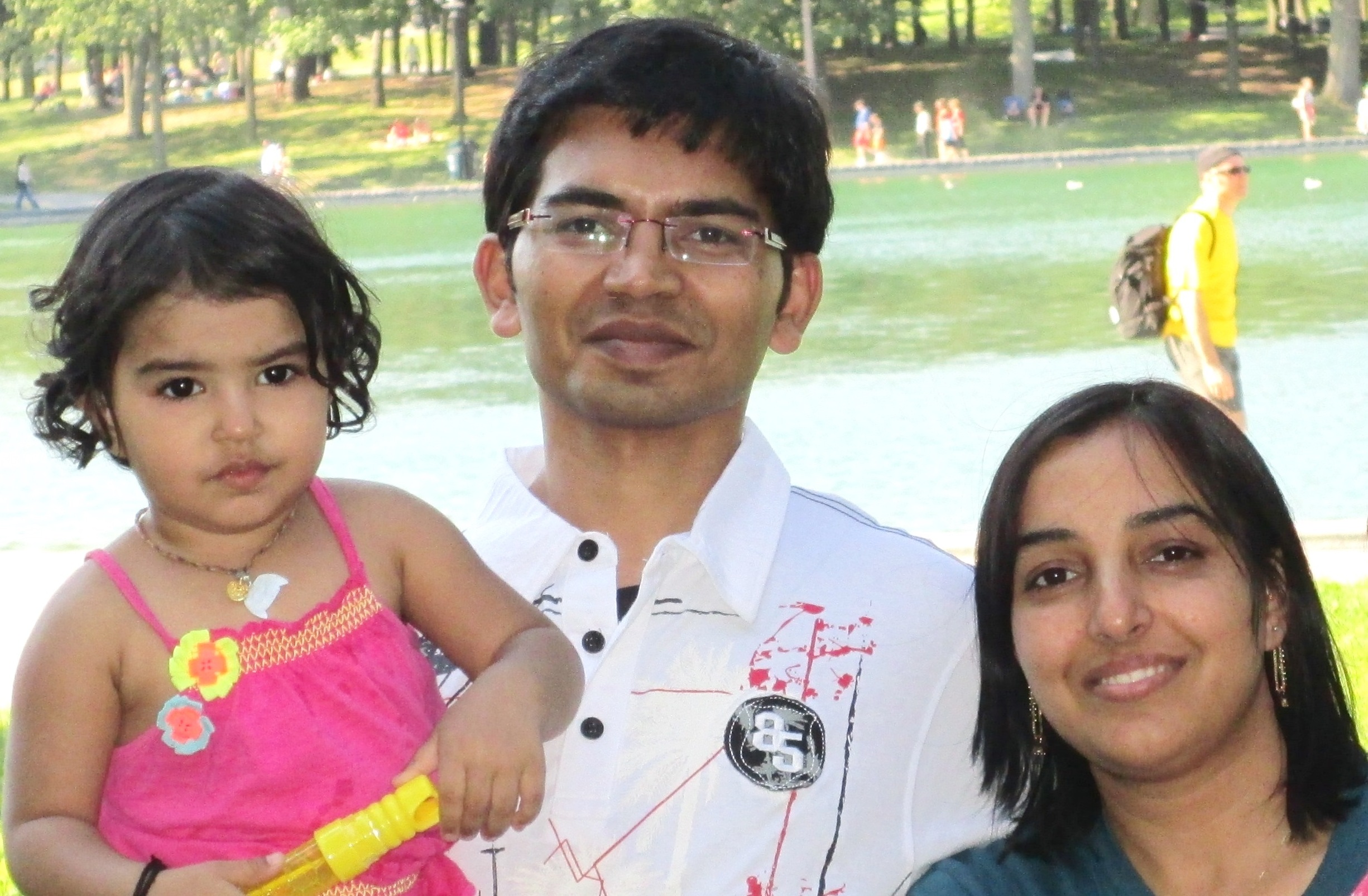
Devendra Dusane with his family

Continue reading

Away from home: Hard work knows no boundaries

We’re bringing you the best stories in lab mobility from Nature India

The ‘Away from home‘ blogging series features Indian postdocs working in foreign labs recounting their experience of working there, the triumphs and challenges, the cultural differences and what they miss about India. They also offer useful tips for their Indian postdocs headed abroad. You can join in the online conversation using the #postdochat hashtag.

This week we have Arnab De, an alumnus of the Presidency College, Kolkata and a postdoc from Columbia University, USA telling us his formula of success — some intelligence, lots of hard work, communicating with colleagues and a smiling face. Arnab, whose PhD dedication to cricket star Sachin Tendulkar made him the subject of another blog piece, says “its one world” and boundaries don’t make a country, people do.

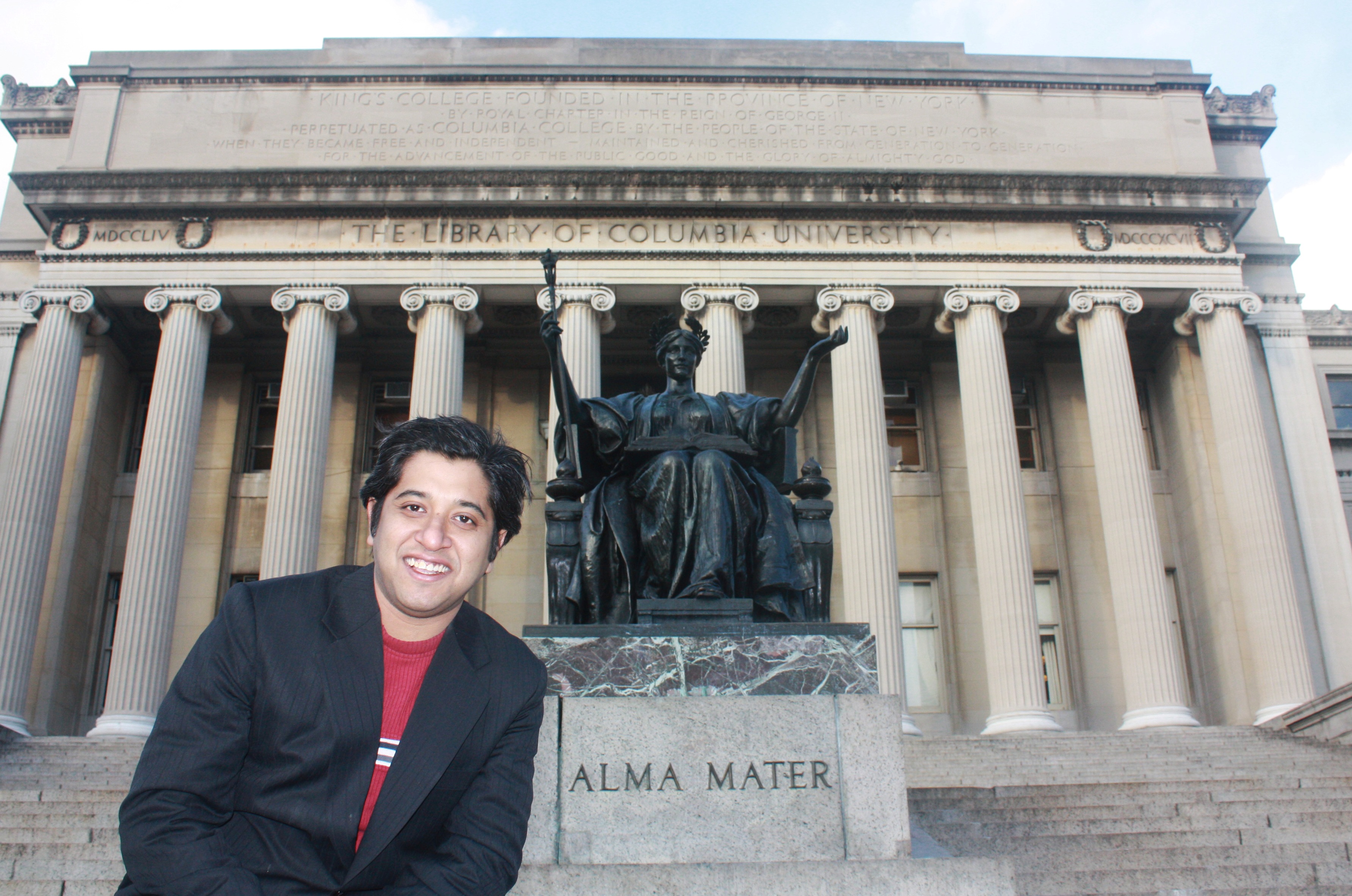
Arnab De in front of the famous Alma Mater statue at Columbia University.

Arnab De in front of the famous Alma Mater statue at Columbia University.

Continue reading

Away from home: Collaboration in a global organisation

We’re bringing you the best stories in lab mobility from Nature India

The ‘Away from home‘ blogging series features Indian postdocs working in foreign labs recounting their experience of working there, the triumphs and challenges, the cultural differences and what they miss about India. They also offer useful tips for their Indian postdocs headed abroad. You can join in the online conversation using the #postdochat hashtag.

Today, we have environment scientist Ram Avtar, an alumnus of Jawaharlal Nehru University (JNU), New Delhi and a postdoc from the Japan Agency for Marine-Earth Science and Technology (JAMSTEC). He tells us about his transition from a postdoc to a research associate with the United Nations University in Tokyo, an organisation with a global outlook and ample scope to forge meaningful collaborations — not just in one’s professional life but also in the personal life.