This piece was originally published on the BioMed Central blog network, part of Springer Nature.
Pixabay

This piece was originally published on the BioMed Central blog network, part of Springer Nature.
Pixabay
The ‘Away from home‘ blogging series features Indian scientists working in foreign labs recounting their experience of working there, the triumphs and challenges, the cultural differences and what they miss about India. They also offer useful tips for other scientists headed abroad. You can join in the online conversation using the #postdochat hashtag.
We promised than when we hear something exciting or interesting from an Indian postdoc abroad, we will bring it to you. So here’s the first ‘sporadic’ entry coming from Anupam Jhingran, a postdoc fellow at the Memorial Sloan-Kettering Cancer Center (MSK), New York. Anupam tells us about an extremely important facet of the Indian postdoc’s life abroad — finding the right match to marry! Anupam has been successful in getting a bride for himself but recounts for fellow mates what it has been like go through the process. He gives us a blow by blow account of what all an Indian postdoc might encounter before he strikes gold! Read on and leave your comments — have you had a similar experience, do you know someone who has or are your bracing up for this now?
[At MSK, Anupam studies host response to Aspergillus fumigatus (Af) infection. His lab got relocated from the Fred Hutchinson Cancer Research Center (FHCRC), Seattle where he was originally recruited. “Moving from a relatively laid-back (but equally productive) West coast culture of Seattle to a lot busy and fast East coast culture is an experience in itself and I am currently adapting myself to this new environment, ” he says.]
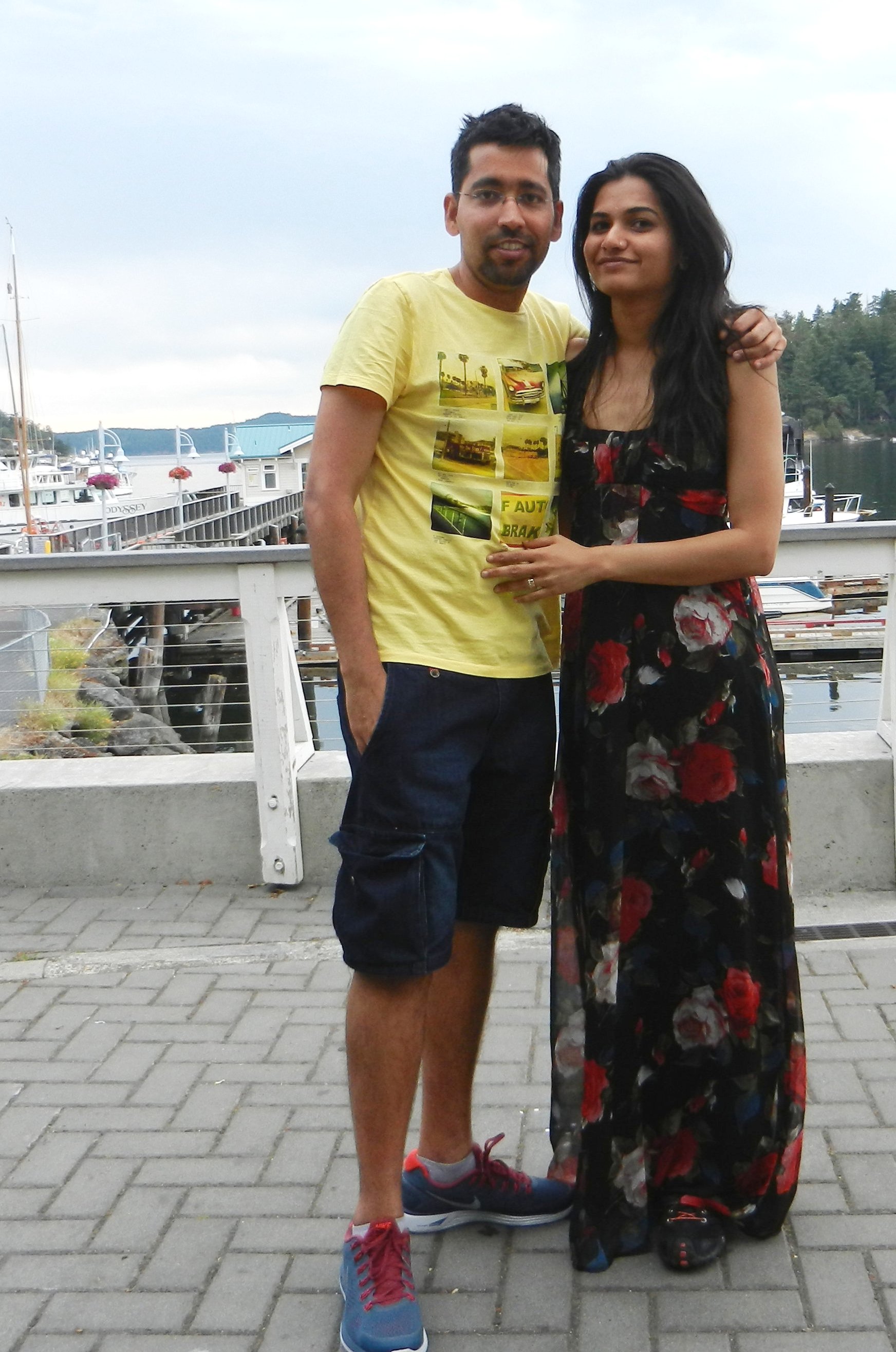
Anupam Jhingran and his wife
At this summer’s 64th Lindau Nobel Laureate Meeting, 37 laureates spent a week with 600 young scientists from almost 80 countries to share their ideas, experiences and knowledge. Discussions revolved around global health, the latest findings in cancer and Aids research, challenges in immunology, and future approaches to medical research. All of the lectures can be viewed on Lindau’s Mediatheque website.
We’ve already heard about the future directions of HIV, ageing research and the side-effects of pharmaceuticals. This week Lorna explores the war on cancer.
Winning the war
In 1971, the then president of the United States, Richard Nixon, declared ‘war’ on cancer. Since then, billions of dollars have been poured into cancer research worldwide, but a cure for the disease is still a long way off. In this Nature Video, reporter Lorna Stewart marks the scientific milestones of the past four decades. She explores cancer genetics with Nobel laureate Michael Bishop, vaccines with fellow laureate Harald zur Hausen, and two young researchers tell Lorna about some of cancer research’s greatest success stories.
Nature Outlook also produced a supplement based on the Lindau meetings.
Harnessing the body’s own immune system should lead to less toxic cancer treatments, says a pioneer in the field of immuno-oncology
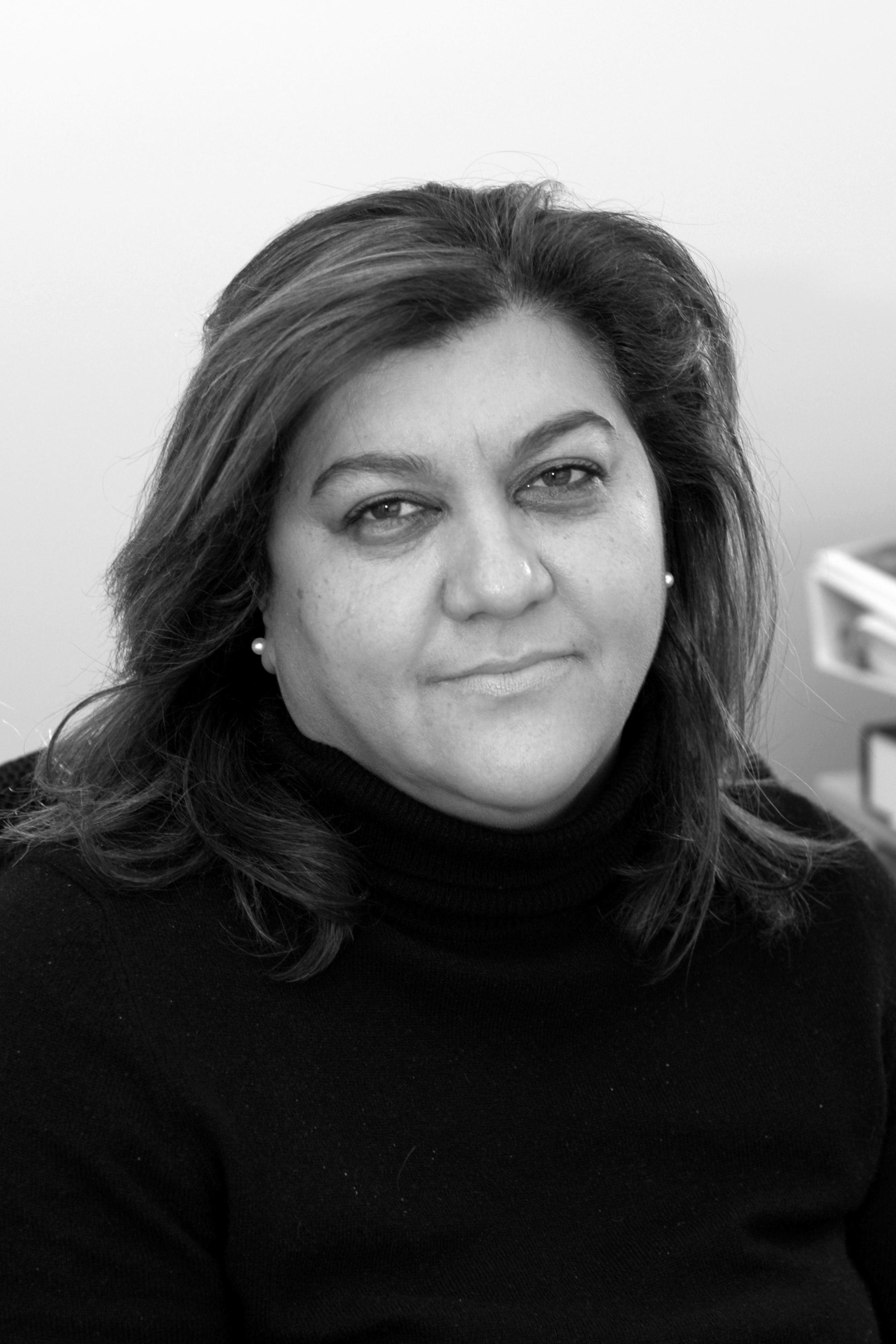
Dr Helen Sabzevari
Dr Helen Sabzevari is Senior Vice President of Immuno-Oncology at pharmaceutical company EMD-Serono. Sabzevari majored in immunology and immunobiology before going on to do a PhD in immunology, during which she became fascinated by the idea of activating the immune system against cancer. As a result, she went on to do her first postdoc in the fledgling field of cancer immunotherapy. Here she talks to Naturejobs about this growing field of research, and how immunotherapy is changing the treatments on offer for cancer patients.
What is cancer immunotherapy?
In one sense it is looking at how our immune system succumbs to the cancer in the first place, and that makes sense from the perspective that with cancer, the immune system is dealing with its own cells so it’s logical that it would not attack itself. But on the other hand it is fascinating to see how we might train the immune system to recognise cancer cells. For me this is really the dogma I want to address – that on one hand we need the immune system to recognise the serlf versus the non-self, but on the other hand, with cancer, we have to come up with ways to get our immune system to become aware of something that is wrong internally.
After your first postdoc, you switched fields for a while. Why?
It was very clear to me was at that point that in the field if immunology there was a disconnect between cancer immunotherapy on the one hand, and basic immunology and auto-immunity research on the other. Usually these two diseases are opposite sides of a coin – what leads to auto-immunity is over activation of the immune cells, whereas with cancer there is a quiescence of the immune system. My feeling was that it was very important to understand both sides, so I did a senior postdoc in the field of autoimmunity. At the time, some of my mentors did not consider that the best move because I had gained publications and focus in the field of immunotherapy. From my perspective it was completely the opposite – I wanted a holistic view of immunology, in order to come up with more innovative approaches for the immunotherapy of cancer.
During your career have you seen a shift in the way people are looking at treating cancer?
Absolutely. In the past two or three decades the treatment of cancer has been really focussed on radiation and chemotherapy. But the biggest issue there is the toxicity of these treatments. The whole concept of using immunotherapy is to understand how to activate the immune system, which is your own self defence mechanism, and come up with much more innovative therapies that can first lead to the stabilisation of the disease, and eventually work towards a curative aim. This has allowed us to think about approaches that are less toxic, and by reducing the toxicity, patients can maintain the treatment for longer periods of time with a much better quality of life.
What kinds of people are suited to a career in immunotherapy?
It’s unique, in that we need individuals with a good understanding of cancer biology and also a very solid understanding and training in immunology – they can connect this, see the bigger picture, and apply it. Continue reading
To tie in with the latest Nature Outlook, Lenses on Biology, the Nature Communities team asked five biological scientists at different stages of their education or careers to tell their personal stories in a guest blog post. Each scientist studies, works or has an interest in one of the five research fields featured in Lenses on Biology ― cancer, stem cells, synthetic biology, ocean health and climate change ― and they share what motivates them in their chosen subject. You can read their stories below, and discuss your own motivations here or on the posts in question.
Each year, young researchers from all over the world meet with Nobel prize-winners on the German island of Lindau to discuss the big questions in science. The 2011 meeting focused on the world’s greatest health challenges and how to tackle them, and the Nature Video team was on hand to capture the conversations on camera.
The young researchers in these films are working on malaria, cancer, viruses and more. They are also learning how to be scientists: how to write grant applications, how to collaborate with other research groups and how to find the right career path. See what advice the laureates offer — and what questions they have in return.
There are five films in the series, and one will be published each week from 15 September to 13 October.
29 September: Bench or bedside? with Ferid Murad
Camelia-Lucia Cimpianu is trying to decide between a career as a researcher or a practising doctor. In this film, she seeks advice from Nobel Laureate Ferid Murad who faced the same dilemma as a medical student in the 1960s.
22 September: Combating cancer with Edmond Fischer
Nobel Laureate Eddie Fischer was born in Shanghai in 1920. Since then, China has emerged as an economic superpower. Now it’s becoming a scientific heavyweight too. Tong Qing belongs to the newest generation of Chinese scientists. She decided to study cancer after a family friend became ill with breast cancer. In this film, she tells Fischer about life and research in China today.
To see more videos, go to the Nature Video Lindau collection website.
If you have any problems loading the videos, please try updating your Flash player.