Q&A: Progress for Congress

A neuroscientist wants to see change in the government — and he’s creating it.

Thomas Prigg is a brain cell circuitry researcher at Carnegie Mellon University in Pittsburgh, Pennsylvania, US. Now he’s using his science skills to fuel his campaign for Congress in 2018. He talks to Nikki Forrester. Continue reading

Being a foreign scientist in Trump’s America

How is the Trump administration affecting foreign scientists working in the US?

A Spanish bioscience postdoc on a non-immigrant J1 visa, based in California, who wishes to remain anonymous, shares her perspective as a foreigner in the US in the current political climate with science writer Louisa Cockbill.

We’re now three months into Trump’s presidency.  What effect has it had on you?

On election night I was very disappointed and upset. It was frustrating not to have the right to vote as the political decisions made in this country affect my life. The uncertainty of what happens now is kind of scary. In general I still feel welcomed and still love living here. However, as an immigrant, a woman and a scientist it’s not surprising that I’m a little worried – these aren’t positions that seem to be supported by the administration. I check nearly every day to see if they have decided to change something with my visa or green card applications that may affect me personally.

The inauguration of President Trump

Continue reading

Development and debate about the March for Science

The March for Science’s date has been set for April 22nd. Nicole Forrester speaks to scientists planning to take part.

It’s fair to say the scientific community is spending a lot of time talking about the March for Science, due to take place on April 22, 2017. While organizers are preparing for events in Washington, D.C. and satellite locations around the world, scientists are evaluating their roles in politics and public outreach. I reached out to scientists and science supporters to discuss the march and the impact of recent political decisions on science, scientific policy, and our careers as scientists.

According to their website, the March for Science was founded as “a celebration of our passion for science and a call to support and safeguard the scientific community.” For many scientists, though, it’s about supporting the scientific process itself and advocating for its importance. Joel Sachs, an Associate Professor of Biology at the University of California, Riverside, says, “Science is just a way of learning about the world and is incredibly important to make predictions about what’s going to happen in the future — in terms of our climate, disease, and how to manage crops and livestock.
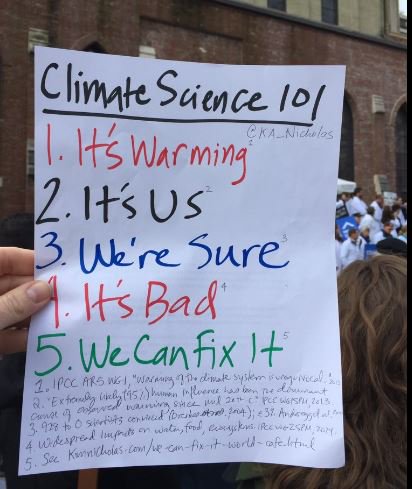
{credit} Bill McKibben/ Twitter: https://twitter.com/billmckibben/status/808791393569243140?lang=en{/credit}

Continue reading

Away from home: Lovelock during postdoc

We’re bringing you the best stories in lab mobility from Nature India

The ‘Away from home‘ blogging series features Indian scientists working in foreign labs recounting their experience of working there, the triumphs and challenges, the cultural differences and what they miss about India. They also offer useful tips for other scientists headed abroad. You can join in the online conversation using the #postdochat hashtag.

We promised than when we hear something exciting or interesting from an Indian postdoc abroad, we will bring it to you. So here’s the first ‘sporadic’ entry coming from Anupam Jhingran, a postdoc fellow at the Memorial Sloan-Kettering Cancer Center (MSK), New York. Anupam tells us about an extremely important facet of the Indian postdoc’s life abroad — finding the right match to marry! Anupam has been successful in getting a bride for himself but recounts for fellow mates what it has been like go through the process. He gives us a blow by blow account of what all an Indian postdoc might encounter before he strikes gold! Read on and leave your comments — have you had a similar experience, do you know someone who has or are your bracing up for this now?

[At MSK, Anupam studies host response to Aspergillus fumigatus (Af) infection. His lab got relocated from the Fred Hutchinson Cancer Research Center (FHCRC), Seattle where he was originally recruited. “Moving from a relatively laid-back (but equally productive) West coast culture of Seattle to a lot busy and fast East coast culture is an experience in itself and I am currently adapting myself to this new environment, ” he says.]

Anupam Jhingran

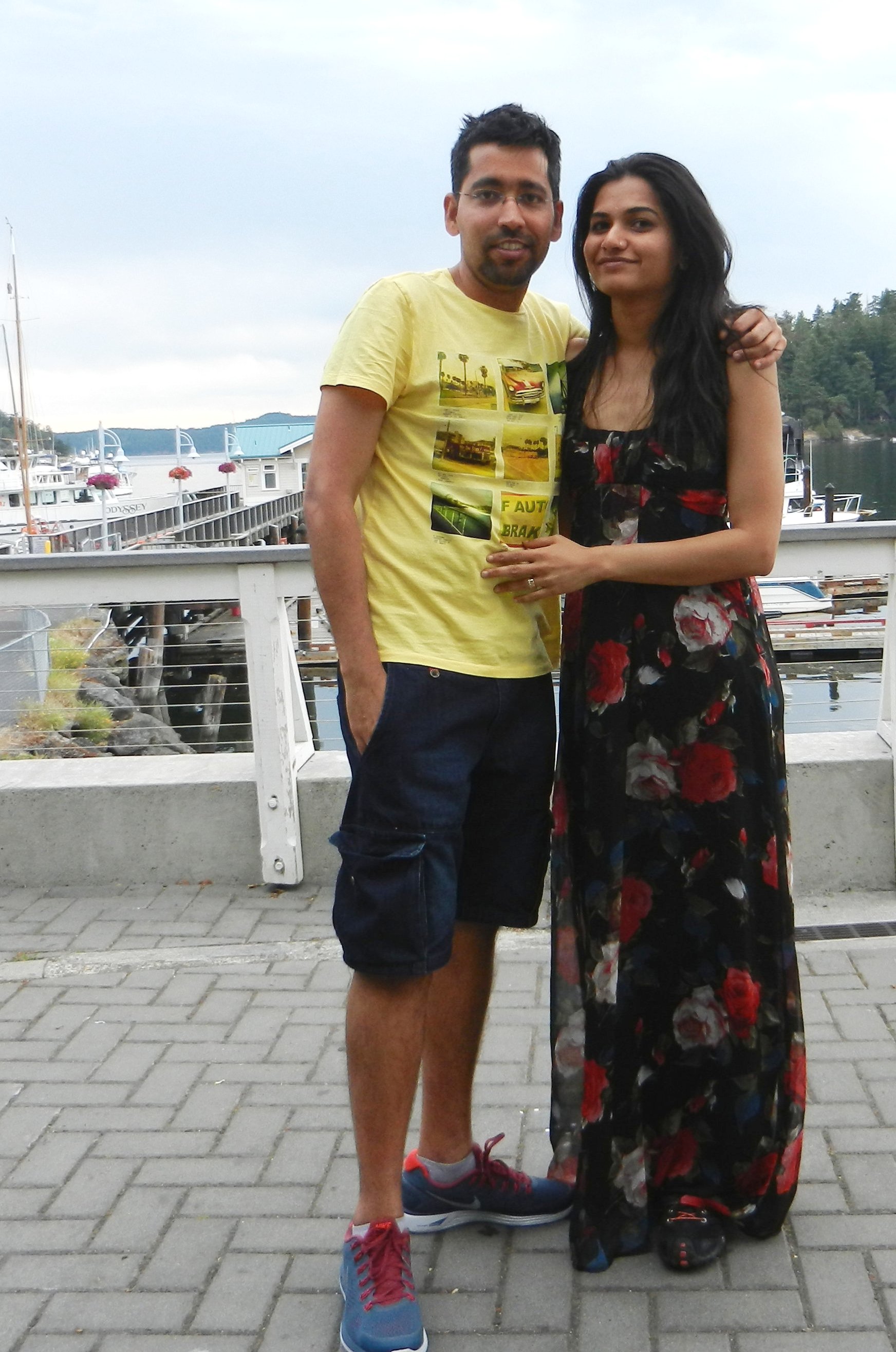
Anupam Jhingran and his wife

Continue reading

Away from home: Where animals and reagents abound

We’re bringing you the best stories in lab mobility from Nature India

Every Wednesday, our ‘Away from home’ blog series features one Indian postdoc working in a foreign lab recounting his/her experience of working there, the triumphs and challenges, the culture factor, tips for Indian postdocs headed abroad and what he/she misses most about India.

This week’s blog features Mainpal Rana, a PhD from the Biological Sciences and Bioengineering Department of Indian Institute of Technology Kanpur and currently a postdoctoral associate at the Magee-Womens Research Institute Pittsburgh affiliated to University of Pittsburgh, USA. He tells us the joys of not having to wait for reagents for experiments and the woes of not having Indian utensils in an American kitchen.

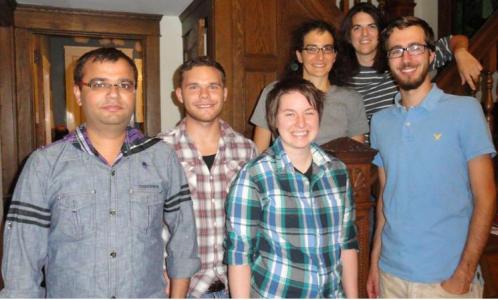
Mainpal Rana (far left) with his group members from the Magee-Womens Research Institute Pittsburgh.

Continue reading

Away from home: Modeling biology

We’re bringing you the best stories in lab mobility from Nature India

Every Tuesday, our ‘Away from home’ blog series features one Indian postdoc working in a foreign lab recounting his/her experience of working there, the triumphs and challenges, the culture factor, tips for Indian postdocs headed abroad and what he/she misses most about India.

This week we feature synthetic and systems biologist Kayzad Nilgiriwala working as a postdoc at Massachusetts Institute of Technology (MIT), Cambridge, USA. Kayzad completed his Ph.D. (Microbiology) at Bhabha Atomic Research Centre (BARC), Mumbai, India and wants to import some strong points from the US research scene when he comes back home.

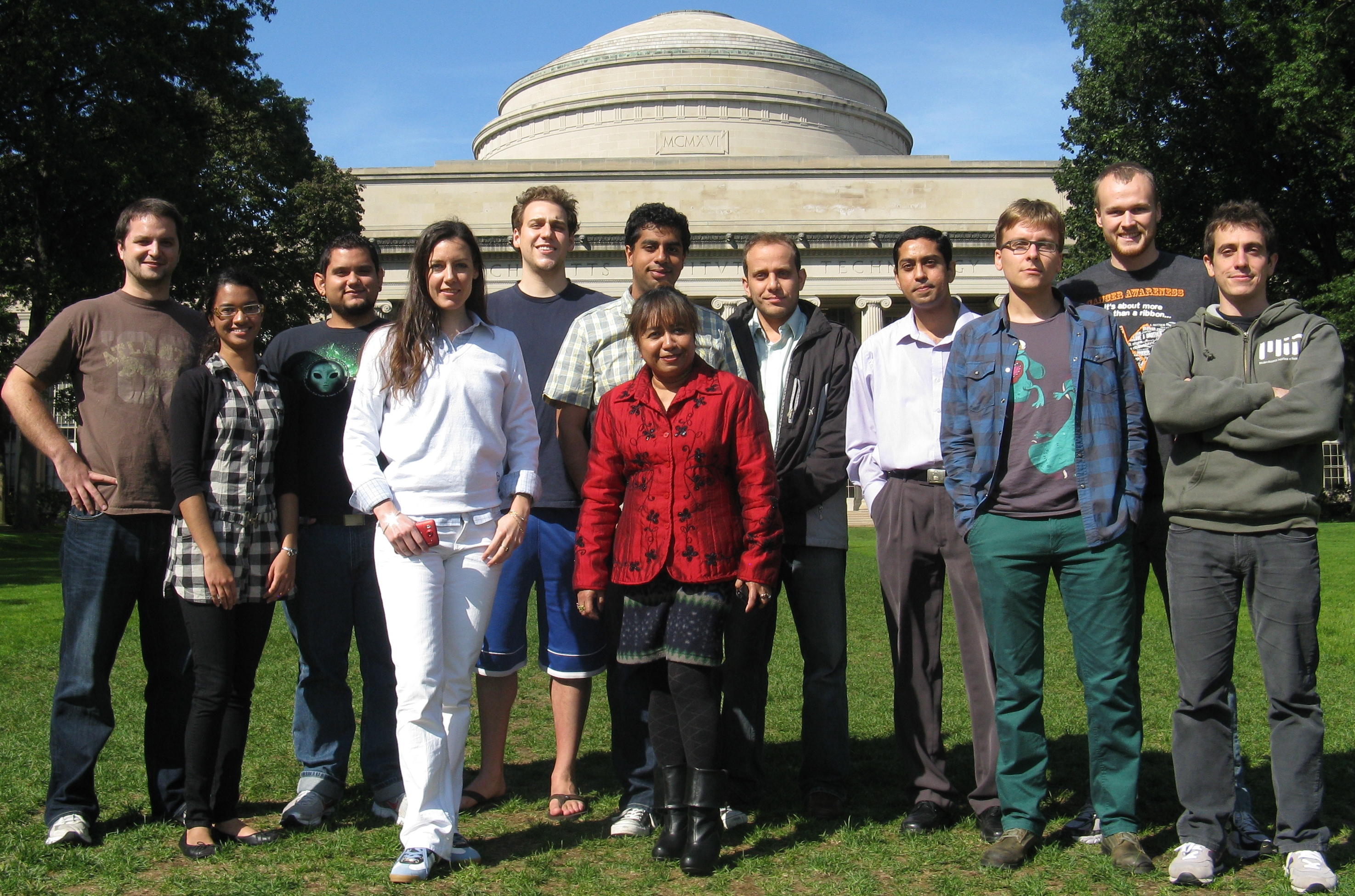
Kayzad Nilgiriwala with his new lab

Continue reading