March for Science 2018 gears up

Organisers of the second annual March for Science , scheduled for 14 April in Washington DC, are hoping to recapture the energy and enthusiasm that prompted more than 1 million researchers and others to march together last year across 600 cities around the world in support of evidence-based policy and upholding science for the greater good.
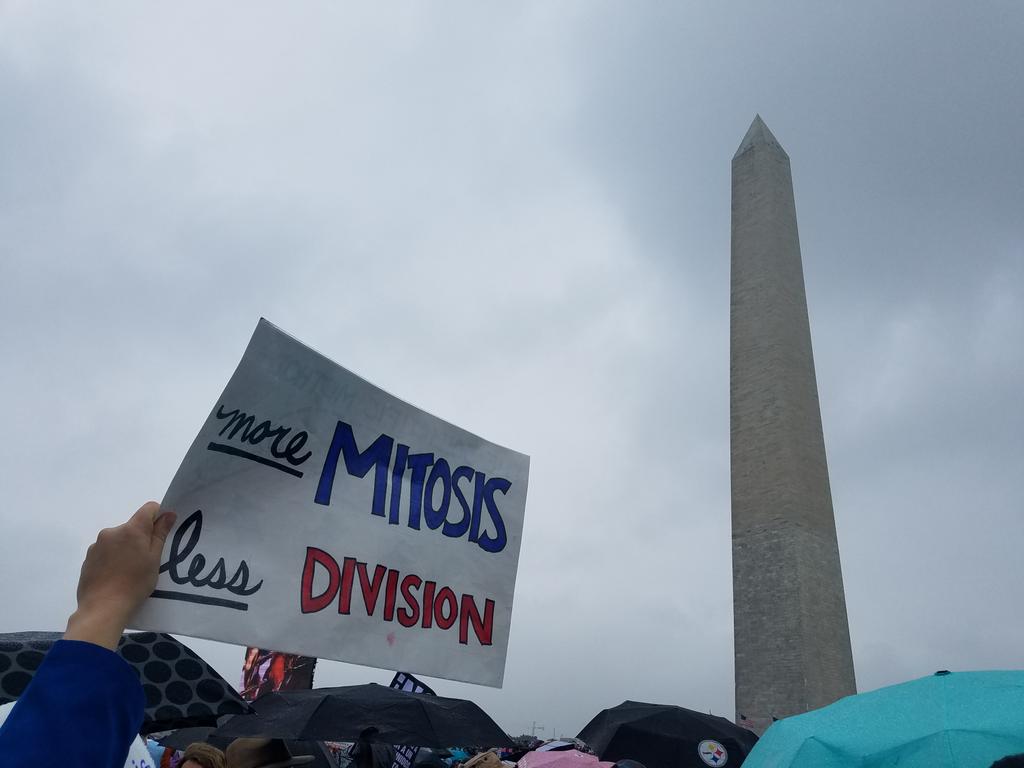
MarchforScience-Judith-2-smaller

Caroline Weinberg, an organizer for the upcoming march in Washington DC, expects smaller crowds than last year, although she admits her prediction may again be off the mark. “Last we expected 40,000 people, and we got around 100,000,” she says. She adds that most of the marchers in the nation’s capital city were concerned citizens, not practicing researchers.

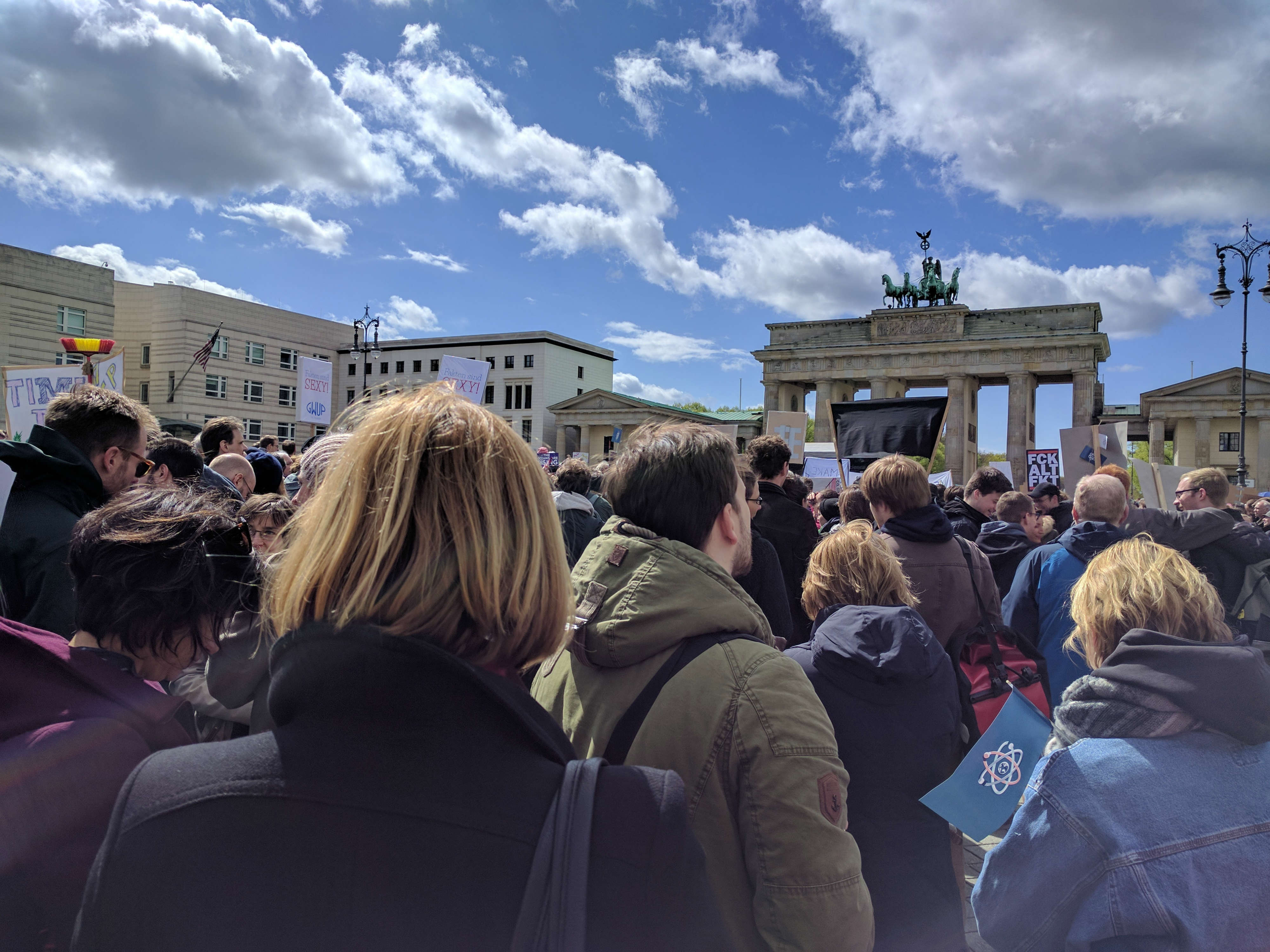
In Washington DC and elsewhere, organisers envision events with fewer marchers, placards and chants but more advocacy-related activities. Weinberg and others aim to offer hands-on projects for those taking to the streets in Washington DC. In Berlin, Germany, organisers are planning a “local hero” programme where scientists will give public talks at bars, cafes and other venues. March-related activities in Portland, Oregon, will include speeches by local politicians and a science expo with at least 30 presenters, including a juggler who demonstrates the principles of physics.

The election and inauguration of Donald Trump for US president helped to spur marchers last year, and Weinberg says that she suspects that some scientists this year may be motivated to speak out against Trump’s recent budget proposal, which called for drastic cuts to the US Centers for Disease Control and Prevention spending plan . But she adds that the march and other forms of science activism shouldn’t depend on crises to draw interest and participation. “Our challenge is to build up a huge crowd and send a message that galvanizes everyone but to also make it sustainable,” she says. “We can’t allow our advocacy to be tethered to those moments.”

Roughly 15,000 people attended last year’s march in Portland, but that kind of enthusiasm will be hard to replicate, says Denesa Oberbeck, a behavioral neuroscientist at the Oregon Health & Science University in Portland and a member of the steering committee for this year’s march. “There’s some fatigue and some burnout, but we need to keep fighting,” she says. “We have to maintain an activist stance.”

Kristine Wadosky, a cancer researcher at Roswell Park Cancer Institute in Buffalo, New York, marched in Washington DC last year carrying a sign that read “Curing cancer is non-partisan.”  This year, she plans to join the march in Chicago, Illinois, where she will give a talk on advanced prostate cancer for the annual meeting of the American Association for Cancer Research. She says that she’s just as energized about science advocacy as ever before, and she thinks that many other young scientists feel the same way.

This time, Wadosky says, she won’t need a sign to send her message, which isn’t especially complicated. “I just want to go to show that I’m a scientists, and I exist,” she says.


Chris Woolston is a freelance writer in Billings, Montana.


Suggested reading:

Growing pains
In support of the March
Reflections on a movement
Stepping up for hope

What did the March for Science do?

Scientists across the United States are just now returning to their labs after a weekend of marching, waving signs and, in many cases, wringing out rain-soaked lab coats. The steady rain that fell Saturday, 22 April, on the March for Science in Washington DC didn’t dampen participants’ enthusiasm for standing up for “science that upholds the common good and for political leaders and policy makers to enact evidence-based policies in the public interest,” to quote the March for Science website’s mission statement.

march

{credit}Kate Carbone{/credit}


But now that the march is over, scientists have to face some important questions: What message did they deliver, what comes next and what does it all mean for their careers? Continue reading

Being a foreign scientist in Trump’s America

How is the Trump administration affecting foreign scientists working in the US?

A Spanish bioscience postdoc on a non-immigrant J1 visa, based in California, who wishes to remain anonymous, shares her perspective as a foreigner in the US in the current political climate with science writer Louisa Cockbill.

We’re now three months into Trump’s presidency.  What effect has it had on you?

On election night I was very disappointed and upset. It was frustrating not to have the right to vote as the political decisions made in this country affect my life. The uncertainty of what happens now is kind of scary. In general I still feel welcomed and still love living here. However, as an immigrant, a woman and a scientist it’s not surprising that I’m a little worried – these aren’t positions that seem to be supported by the administration. I check nearly every day to see if they have decided to change something with my visa or green card applications that may affect me personally.

The inauguration of President Trump

Continue reading

Securing workplace rights for scientists in the age of Trump

Unions could be the best way to protect scientific jobs in uncertain times, says union president Anke Schennink.

In the wake of Donald Trump’s election, the scientific community is on edge. The future of federal science funding remains unclear, campus inclusivity is under threat, immigration policy is in disarray, and entire academic fields – such as climate change research – fear the worst.

2017-03-24 SF Barg Action pic

UC Postdocs in solidarity at UCSF on a day of bargaining.

Continue reading

Hope in the Dark and the March for Science

Rebecca Solnit’s recently republished book Hope in the Dark should inspire the organisers of the global March for Science and other protest movements. It’s important to acknowledge and celebrate incremental change, she argues.


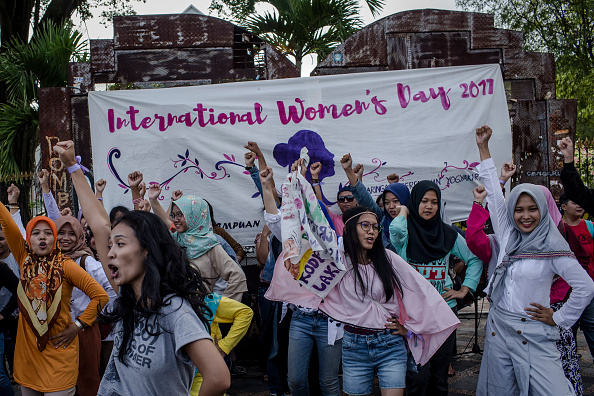
YOGYAKARTA, INDONESIA - MARCH 08: Indonesian women perform dance during celebrates International Women's Day on March 8, 2017 in Yogyakarta, Indonesia. International Women's Day was first marked in 1911 and celebrated each year on 08 March with thousands of events around the world by women's networks. (Photo by Ulet Ifansasti/Getty Images)

Women in Yogyakarta, Indonesia, mark International Women’s Day on 8 March 2017 (Photo by Ulet Ifansasti/Getty Images)

When Rebecca Solnit was born in 1961 some Ivy League universities did not admit women, a few Southern US colleges and universities only admitted whites, and some elite institutions still banned Jews. The Berlin Wall was erected that summer and the Cold War was at its height. Continue reading

Join the March for Science in London (and other UK cities)

The most effective way to protect science is to encourage the public to value and invest in it. This is why we’re marching through London on 22 April 2017, says Story Sylwester.

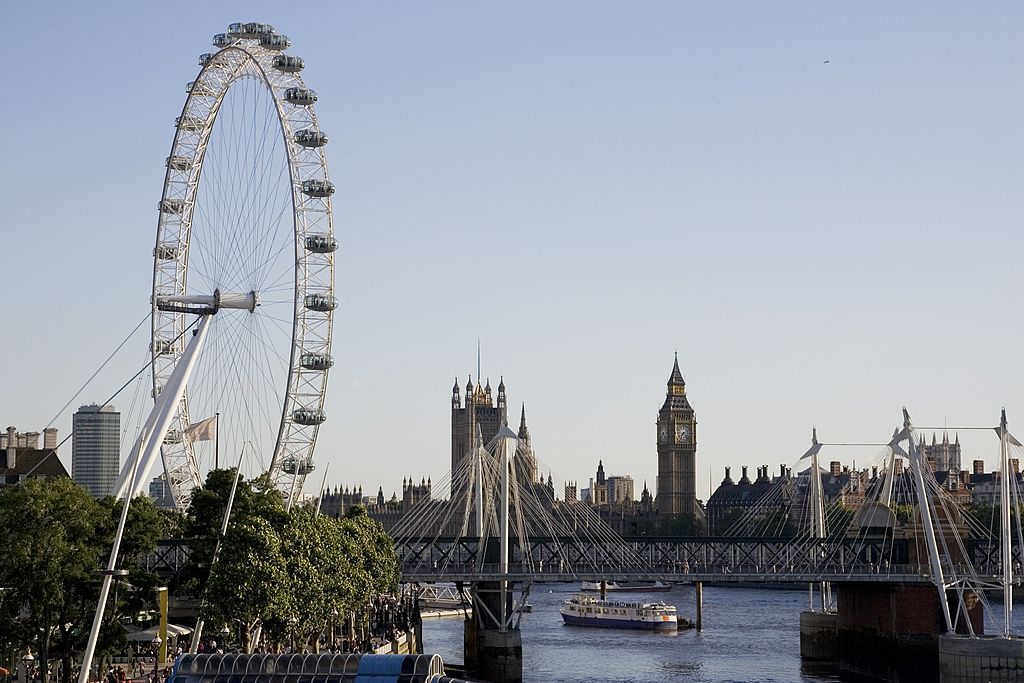
London skyline. Credit: Tim Graham/Getty Images

London skyline. Credit: Tim Graham/Getty Images

As the nature of scientific inquiry developed over centuries from the “solitary genius” model of Sir Isaac Newton to the international collaboration modelled by the Rosetta space exploration mission, UK scientists have been leaders in the development of scientific thinking and methodology. Yet, in an age where science has resulted in new technologies, improved quality of life, and improved understanding of the world around us, it faces some of its toughest challenges. Continue reading

Development and debate about the March for Science

The March for Science’s date has been set for April 22nd. Nicole Forrester speaks to scientists planning to take part.

It’s fair to say the scientific community is spending a lot of time talking about the March for Science, due to take place on April 22, 2017. While organizers are preparing for events in Washington, D.C. and satellite locations around the world, scientists are evaluating their roles in politics and public outreach. I reached out to scientists and science supporters to discuss the march and the impact of recent political decisions on science, scientific policy, and our careers as scientists.

According to their website, the March for Science was founded as “a celebration of our passion for science and a call to support and safeguard the scientific community.” For many scientists, though, it’s about supporting the scientific process itself and advocating for its importance. Joel Sachs, an Associate Professor of Biology at the University of California, Riverside, says, “Science is just a way of learning about the world and is incredibly important to make predictions about what’s going to happen in the future — in terms of our climate, disease, and how to manage crops and livestock.

{credit} Bill McKibben/ Twitter: https://twitter.com/billmckibben/status/808791393569243140?lang=en{/credit}

Continue reading

Travel ban update: One week later

Elizabeth Goss updates us on recent developments with the US immigration ban

In the week following the US administration’s executive order on immigration, which included a travel ban for individuals from seven designated countries, we saw a flurry of activity and responses.

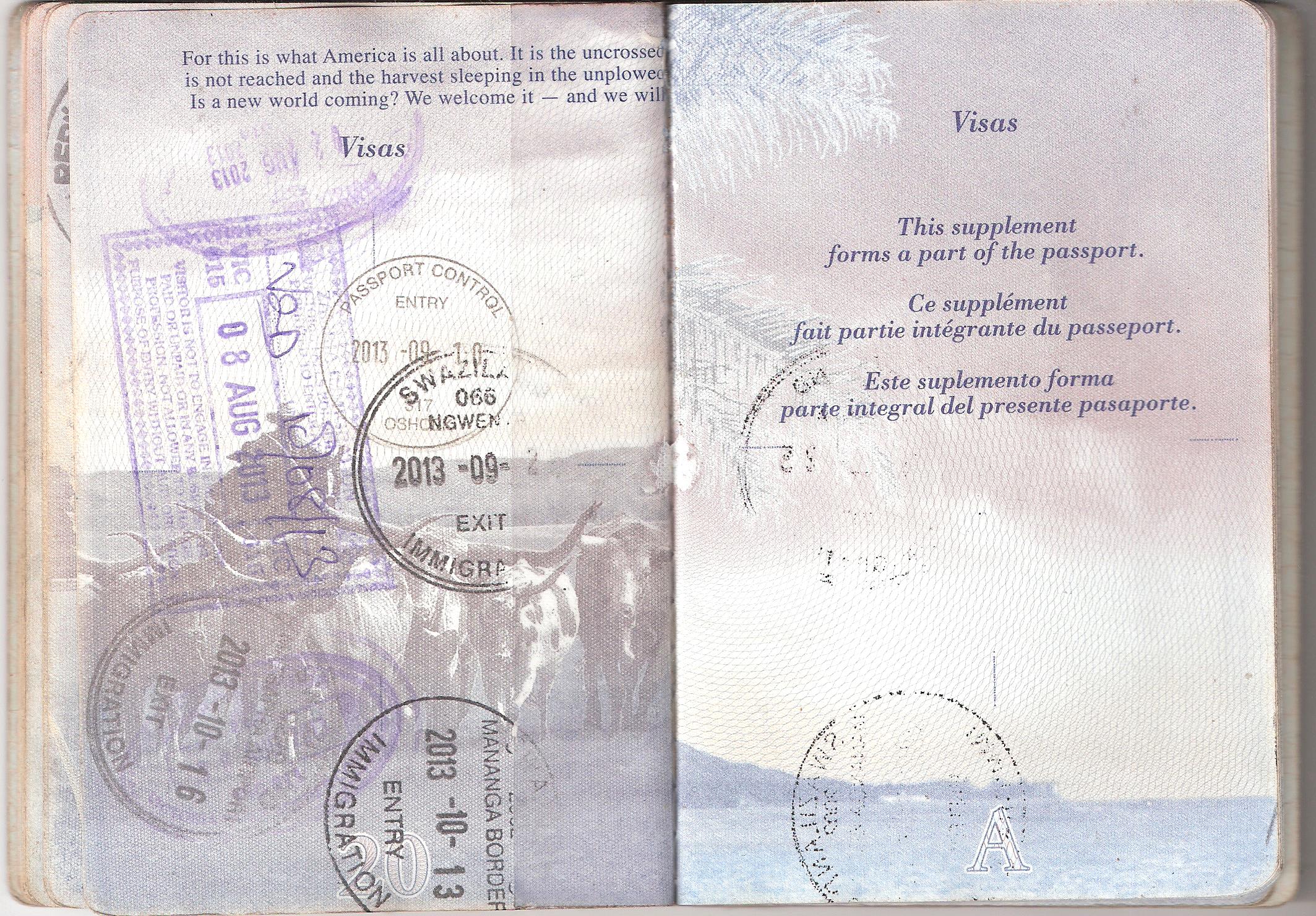
US_passport_extra_pages Continue reading

Donald Trump’s immigration ban and its impact on the scientific community

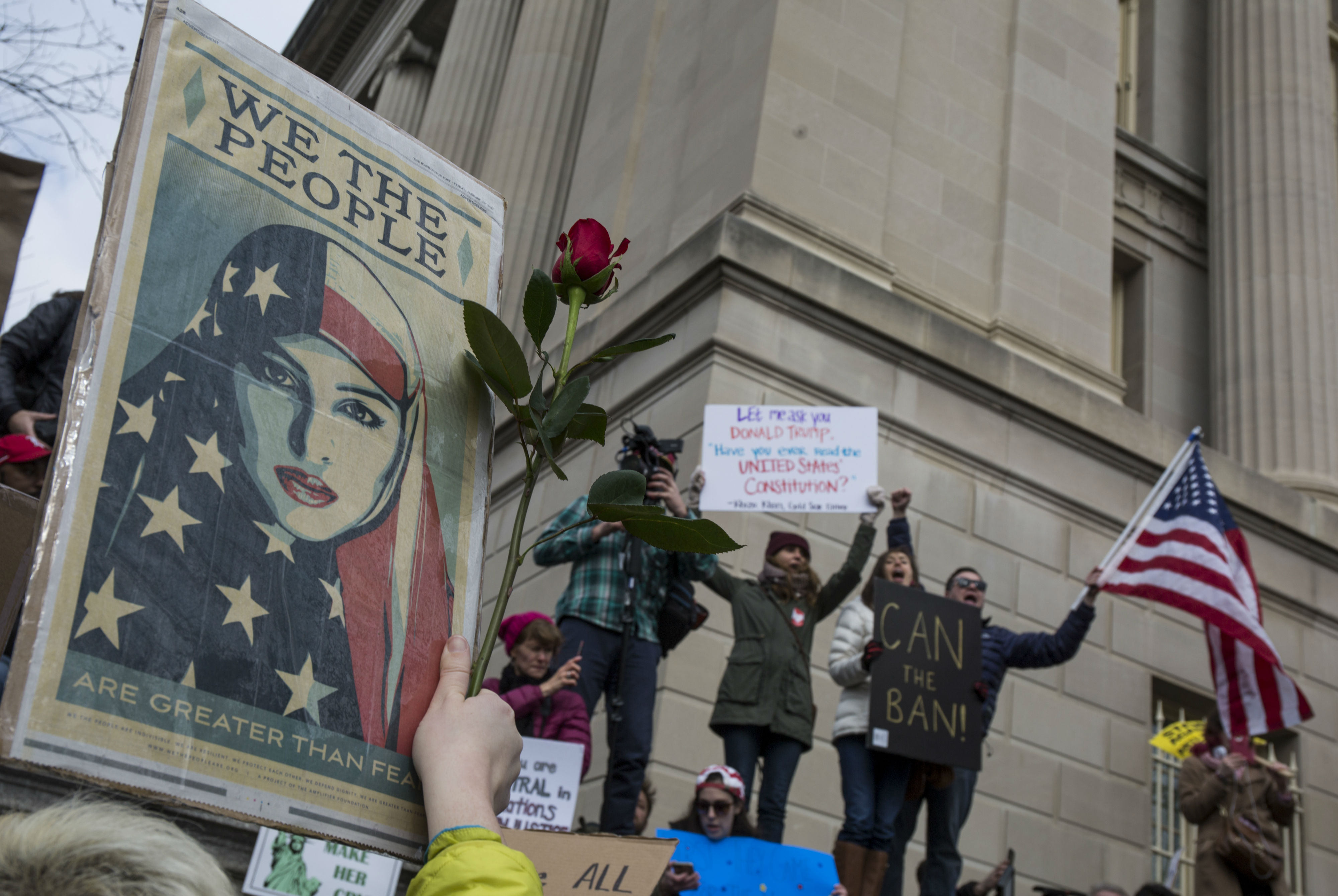
trumpmarch

Demonstrators protest outside The White House on January 29 2017

Immigration attorney Brendan Delaney summarises the issues for scientists affected by the US travel ban.

Continue reading

Margaret Thatcher, post-truth, and other “political scientists”

How does science influence politics?

A review of David Cannadine’s biography of Margaret Thatcher, the UK’s first woman prime minister, describes how her background in science, as well as her gender, set her apart. “No skimming of great books from the canon in PPE for her: chemistry was a proper subject, evidence based,” writes William Waldegrave in his review for The Daily TelegraphWaldergrave served a junior minister in Thatcher’s government before she resigned in 1990.

Margaret Thatcher

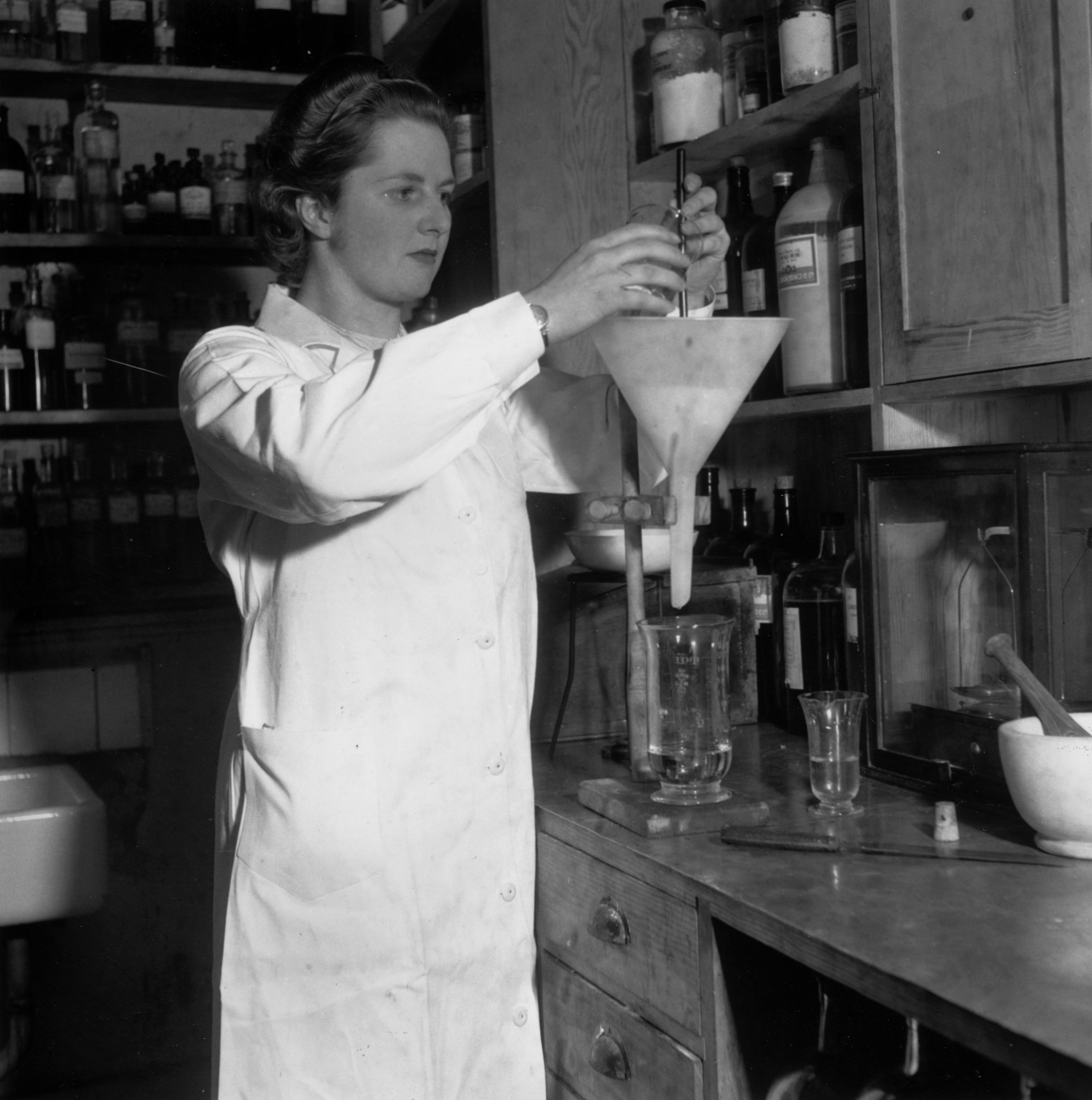
Thatcher at work as a research chemist in 1950.{credit}Christ Water/Getty{/credit}

Thatcher, who worked industry as a research chemist after graduating, was reportedly more proud of being the first UK prime minister with a science degree than she was of being the first female to enter Downing Street. David Payne examines how science influenced Thatcher’s politics, and looks at the interface between science and politics and its coverage in Nature’s careers section. Continue reading