
Why scientists should communicate hope whilst avoiding hype

How we communicate our research is important in maintaining public trust in science

By Eileen Parkes

“Exciting new line of attack for aggressive breast cancer”

I read that headline recently. “Fantastic” I thought, quickly followed by, “How have I missed this?”. My disappointment as I read the article (the new treatment had only been shown to work in cells in the lab, not in humans) turned to anger as I thought what someone with breast cancer might think whilst reading this. Someone who had coped with bad news and difficult treatments, hoping for a cure only to be disappointed again and again by overblown headlines.
Continue reading

Margaret Thatcher, post-truth, and other “political scientists”

How does science influence politics?

A review of David Cannadine’s biography of Margaret Thatcher, the UK’s first woman prime minister, describes how her background in science, as well as her gender, set her apart. “No skimming of great books from the canon in PPE for her: chemistry was a proper subject, evidence based,” writes William Waldegrave in his review for The Daily TelegraphWaldergrave served a junior minister in Thatcher’s government before she resigned in 1990.

Margaret Thatcher

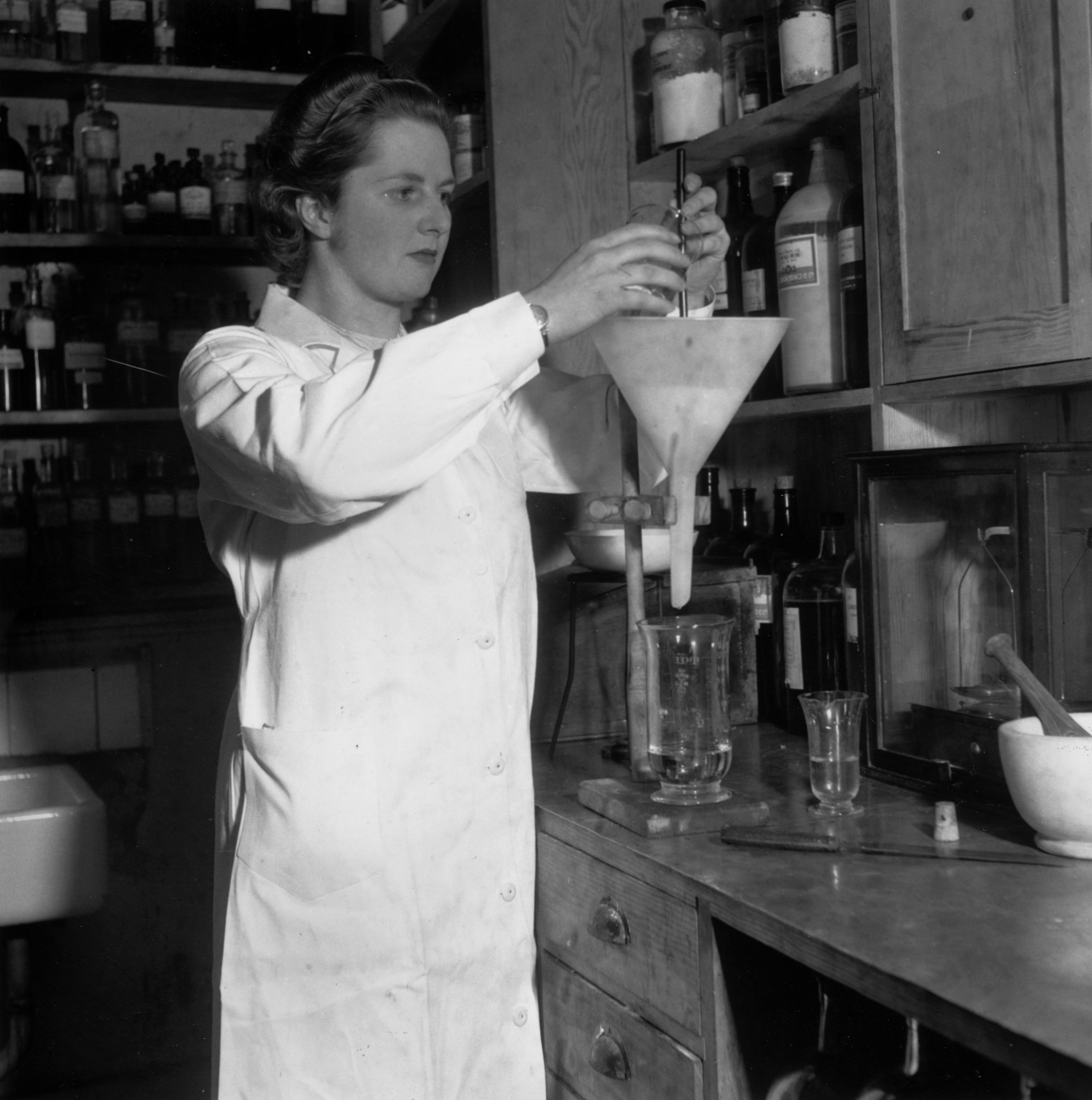
Thatcher at work as a research chemist in 1950.{credit}Christ Water/Getty{/credit}

Thatcher, who worked industry as a research chemist after graduating, was reportedly more proud of being the first UK prime minister with a science degree than she was of being the first female to enter Downing Street. David Payne examines how science influenced Thatcher’s politics, and looks at the interface between science and politics and its coverage in Nature’s careers section. Continue reading