Different niches in the open data ecosystem

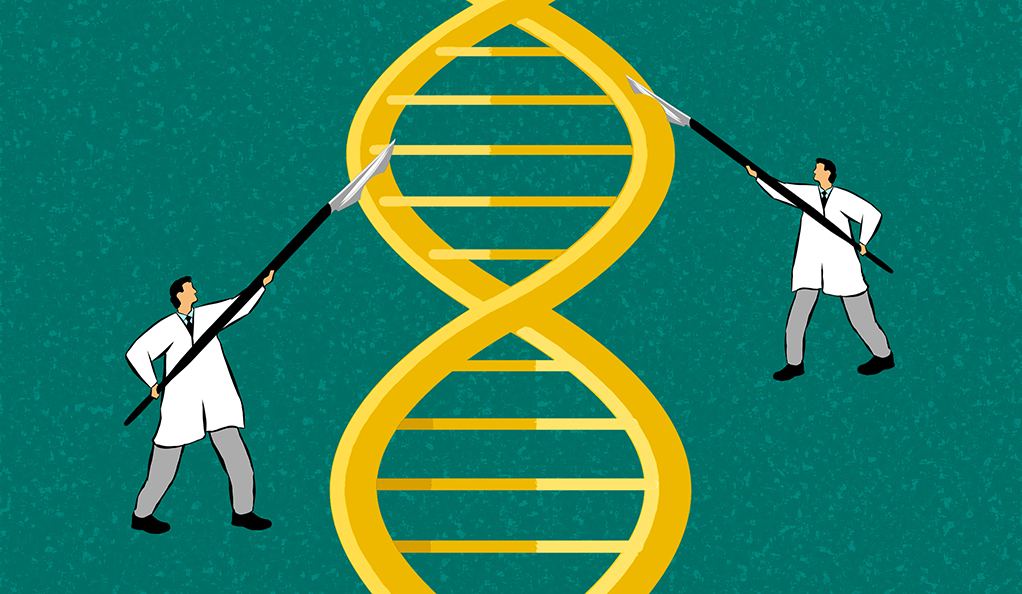
Torchbearers for open data are nudging us incrementally closer to an ideal open access world. But there are other key players as well as researchers – programmers, data managers, and trainers. Ayushi Sood met some at Springer Nature’s Better Science Through Better Data (#scidata17) 2017 conference.

Teamwork

Continue reading

Fake snot, bogus blood, no jokes: Science communication to kids made simple

Sarah Barnes

Sarah Barnes addressing the Academy of Medical Sciences winter meeting in London

Do you hanker for the opportunity to talk to schoolchildren about your research? If so, Sarah Barnes, public engagement manager at Queen Mary University of London, has some advice. David Payne reports.

The Centre of the Cell in London’s East End is the world’s first science education centre to be housed in an operating biomedical research facility, an embryo-shaped pod suspended high above the Blizard Institute’s labs, part of Queen Mary University of London (QMUL). It is accessed via a bridge and offers children the chance to see scientists at work, watch videos projected onto the pod’s ceiling, and play games aimed at triggering their interest in cell biology and medical research. Continue reading

Know the odds

The odds of landing a tenure-track position in the life sciences are low while the chances of being stuck in multiple postdocs are high. So the leaders of nine top US universities and one research institution this month announced a plan to communicate those probabilities in an effort to grapple with a clogged biomedical research pipeline.

d41586-017-07836-y_15264448

Continue reading

Naturejobs podcast: Meaningful mentoring

d41586-017-07836-y_15264448To mark the 2017 Nature Awards for Mentoring in Science and the launch of our online mentoring resource at go.nature.com/mentoring, we’ve put together a podcast that reflects the importance of top quality mentoring and coaching to early career researchers.

Continue reading

TechBlog: New instruments advance mass spec imaging

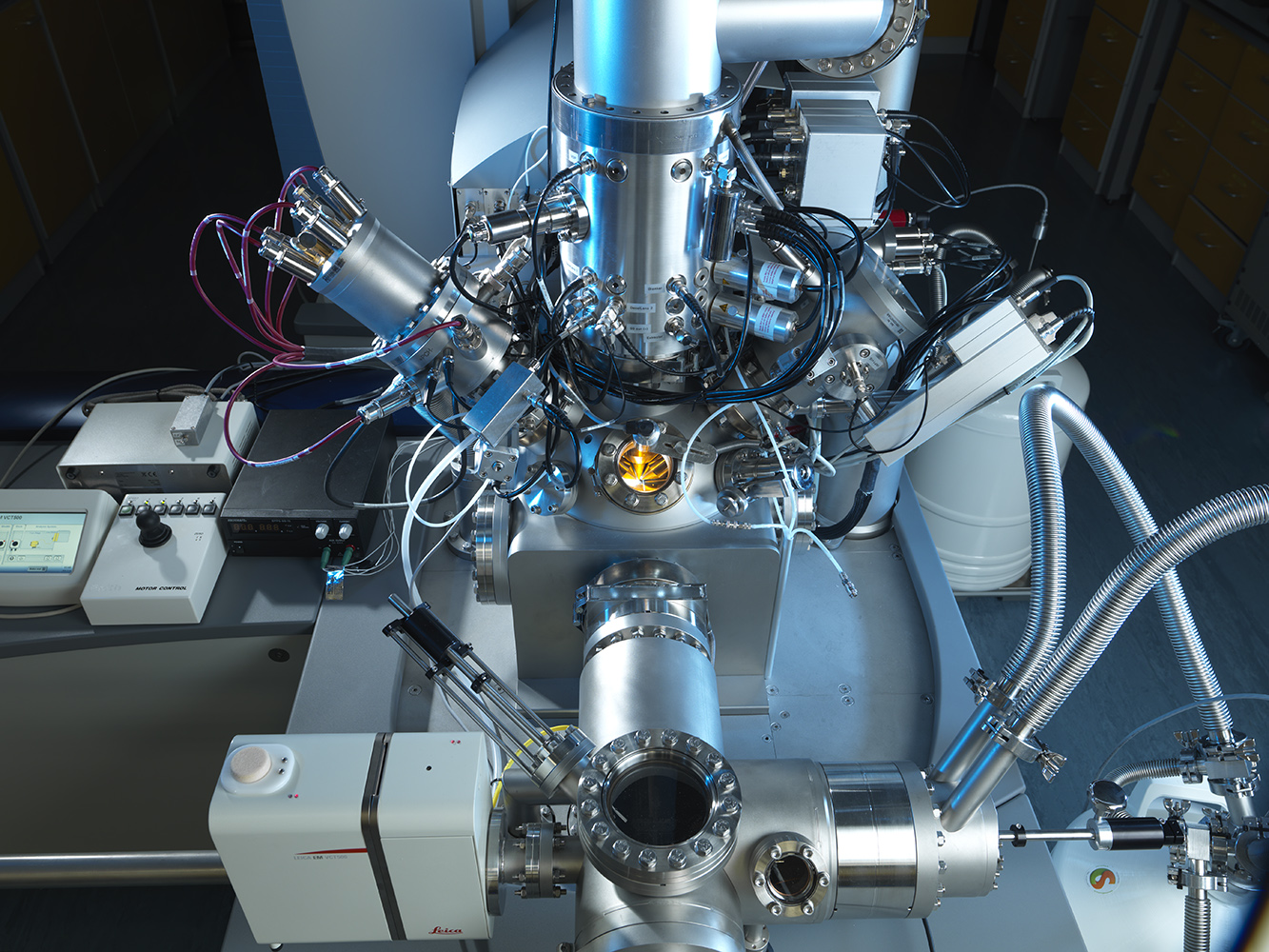
The 3D OrbiSIMS

The 3D OrbiSIMS {credit}Courtesy of the National Physical Laboratory{/credit}

The current focus on single-cell biology reflects the growing awareness among life scientists that all cells are not alike.

In the genomics world, methods such as scRNA-seq and Drop-seq allow researchers to probe cellular heterogeneity at the genetic level using next-gen DNA sequencing. Mass spectrometry imaging (MSI) does likewise for protein and metabolite studies.

Continue reading

A culture of kindness: overcoming bullying

Recognising bullying is the first step to overcoming it, says Eileen Parkes.

GettyImages-580281247smaller

No-one could fail to be moved by the video shared this week of a schoolboy crying over bullying. As adults we hope that we’ve moved away from school bullies. But in academia it seems that bullying is a persistent problem, with up to 42% of academics reporting some form of workplace bullying. In adult life, bullies rarely steal our lunch money or gum our hair. But they do steal our self-confidence, make us feel inadequate and question our work.  My own experience with bullying has taught me how to recognise it, and what to do to overcome it in the workplace.

Continue reading

The urgent need to recognize and value academic labor

Two Harvard professors share their thoughts on the latest from the US Republican Party’s tuition waiver tax plan.

Crowdfunding-smaller

Recently the House of Representatives essentially voted to destroy graduate education in the United States. By taxing tuition waivers as income — and therefore treating their taxable income as two to three times the amount graduate students are actually paid — the Republican tax bill would effectively put graduate study outside of the reach of all but the independently wealthy. While the Senate version of the tax bill does not include this provision, it is far from certain what the final bill after the reconciliation process will look like.

Continue reading