Some science and some serendipity

What at first looks like a setback may be an opportunity in disguise, says Flavia Scialpi

I keep my business cards in the top drawer of my desk at work. They are in two bulky boxes and take up a lot of space, but I like them there because I can see them every time I pull out a pen. They are a memento of how very often you can’t foresee where an opportunity lies – and therefore to seize each and every one of them.

I have been in academia for almost half my life, and I am now engaged in my first position in industry at Synpromics, a biotech company. It is the first time in my professional career that I hold a position that requires and provides business cards.
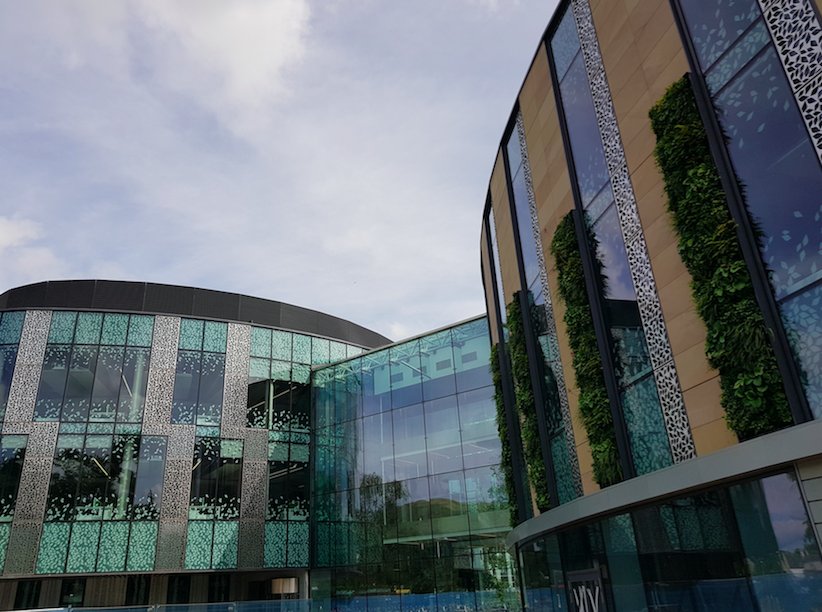
New Accomodation at Roslin Innovation Centre

Scialpi’s new Accomodation at Roslin Innovation Centre

A few years ago I thought I wouldn’t have any chance to land a job in industry. Nor was I very interested in it, to be honest; I was content with academic research, greatly enjoying the highs and bitterly venting about the lows. I went for a well-trodden path; I got my PhD in Italy, where I’m from, and then ventured abroad for a postdoc. I felt the world was my oyster and I found a second home in beautiful Scotland. Continue reading

Know the odds

The odds of landing a tenure-track position in the life sciences are low while the chances of being stuck in multiple postdocs are high. So the leaders of nine top US universities and one research institution this month announced a plan to communicate those probabilities in an effort to grapple with a clogged biomedical research pipeline.

d41586-017-07836-y_15264448

Continue reading

The urgent need to recognize and value academic labor

Two Harvard professors share their thoughts on the latest from the US Republican Party’s tuition waiver tax plan.

Crowdfunding-smaller

Recently the House of Representatives essentially voted to destroy graduate education in the United States. By taxing tuition waivers as income — and therefore treating their taxable income as two to three times the amount graduate students are actually paid — the Republican tax bill would effectively put graduate study outside of the reach of all but the independently wealthy. While the Senate version of the tax bill does not include this provision, it is far from certain what the final bill after the reconciliation process will look like.

Continue reading

Changes to the U.S. tax code will harm graduate student mobility and career prospects

Increased financial burden for students will harm science in the long run, says Aliyah Weinstein.

piggybank

A recent editorial in Nature described the harm that newly proposed changes to the United States tax code will have on graduate student finances. If passed, these regulations — ostensibly designed to simplify tax calculations — will eliminate benefits previously given to students. Of particular harm to graduate students and the scientific world would be the elimination of the tax-free status of tuition waivers.

Continue reading

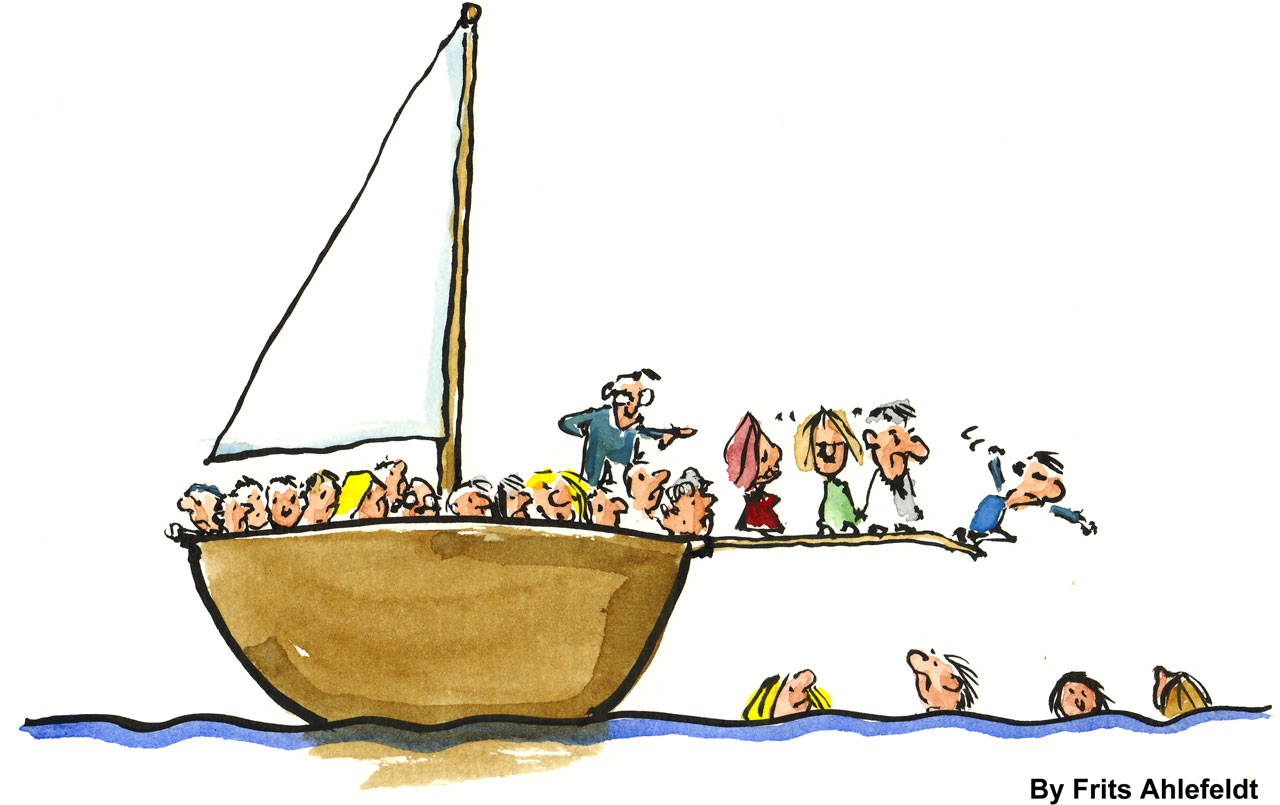
Abandon ship, or learn to swim: the gamble young scientists must make

For scientists, there’s nothing more frightening than a major grant rejection. With the scarcity of funding at the forefront of everyone’s thoughts, it’s time to talk about options, says Atma Ivancevic.

Job stability and a career in research are rarely put together. Science is a windy, grueling, uphill climb that might end abruptly at the edge of a cliff. Halloween is a particularly scary time for Australian scientists, as it signals the release of #NHMRC project grant results. Right now, many laboratories are facing difficult decisions due to rejected funding for next year. It’s not a surprise — we see it everywhere — yet it’s a shock that affects the entire scientific community. For early career researchers across the globe, it’s a timely reminder to carefully consider and plan for the future.

So, what are your options?


fritsahlefeldt

Continue reading

Adios to academia

By Virginia Gewin

US science and engineering PhD students are losing interest in academic careers because their career preferences change throughout their training, finds a study – not because of limited faculty-job availability.

Lab-naturejobs-blog

{credit} Getty Images \ Ryan Mcvay{/credit}

Continue reading

Should you join a start-up company after academia?

A career in a start-up company is more than just risk, discovers Idil Cazimoglu.

This piece was one of two winners of the Science Innovation Union writing competition, Oxford.

“Risky.”

My housemate, now in the final year of his PhD, had a one-word answer to my question “Would you consider working in a start-up company after you graduate?”

Intrigued, I posed this question to fellow PhD students in various disciplines over the following weeks, and received similar answers including “I don’t want to live in uncertainty,” “No job security,” “Academia is more stable,” and, memorably, “I’d rather go bungee jumping.”

rocket-1122402_1920

Not everything launches so smoothly

Continue reading

Industry partnership programs: A new type of PhD?

External involvement in PhD programmes might help to fix academia’s big problem

The problems with traditional PhD programs are well-documented: money is tight, funding is limited, academics often aren’t able to train for positions outside of academia, and the path up to tenured faculty positions just keeps getting narrower.

Illustration by Megapont/Folio Art

Continue reading