Changes to the U.S. tax code will harm graduate student mobility and career prospects

Increased financial burden for students will harm science in the long run, says Aliyah Weinstein.

piggybank

A recent editorial in Nature described the harm that newly proposed changes to the United States tax code will have on graduate student finances. If passed, these regulations — ostensibly designed to simplify tax calculations — will eliminate benefits previously given to students. Of particular harm to graduate students and the scientific world would be the elimination of the tax-free status of tuition waivers.

Continue reading

The worldwide web of science

International networking should be a priority for young scientists, says Aliyah Weinstein.

Early career scientists are often told that networking is important for future career prospects and mobility. Often, this comes in the form of a nudge to attend university seminars, events for local scientific professionals or national conferences. These are typically great for meeting scientists working in your city or country – but developing an international network can often be much more difficult. First, scientists are most often around others working at their university or research centre, making this their primary network. Second, travel to attend international conferences may be cost-prohibitive, especially for early career scientists. Finally, connecting with colleagues outside of the country may not be on the radar of students and postdocs, or may seem overwhelming at that stage of a scientific career.

network-1911678_1920 Continue reading

The importance of broadening science communication

Though well-equipped with scientific training and expertise, scientists need to be aware of the resources available to help them share their work with a public audience, learns Aliyah Weinstein.

Recently, more and more emphasis has been put on scientists to communicate their research to public audiences. National scientific organizations such as the American Society for Biochemistry and Molecular Biology and the American Society for Cell Biology encourage their members to reach beyond the bench, and many blogs help scientists describe their research to wider audiences. At the University of Pittsburgh, where I’m working on my PhD, graduate student and postdoc organizations on campus share their excitement about science with the public through partnerships with local museums and school districts.

books

{credit}PhotoDisc/Getty Images{/credit}

Continue reading

From academia to industry: A short guide

 When long hours in the lab threaten to bring you down, and the vision of a paper is a blur out in the distance, your own internal cheerleader can only carry you so far.

Guest contributor Aliyah Weinstein

Sometimes, a career change into a new environment is just the thing you need to refresh your love for science. But how can an academically-trained scientist make this transition?stairs-1014065_1920

Continue reading

Transferable skills: Organizing a conference

Organizing events offers early career researchers an opportunity to develop transferable skills attractive to multiple industries, says Aliyah Weinstein.

Contributor Aliyah Weinstein
naturejobs-blog-aliyah-weinstein

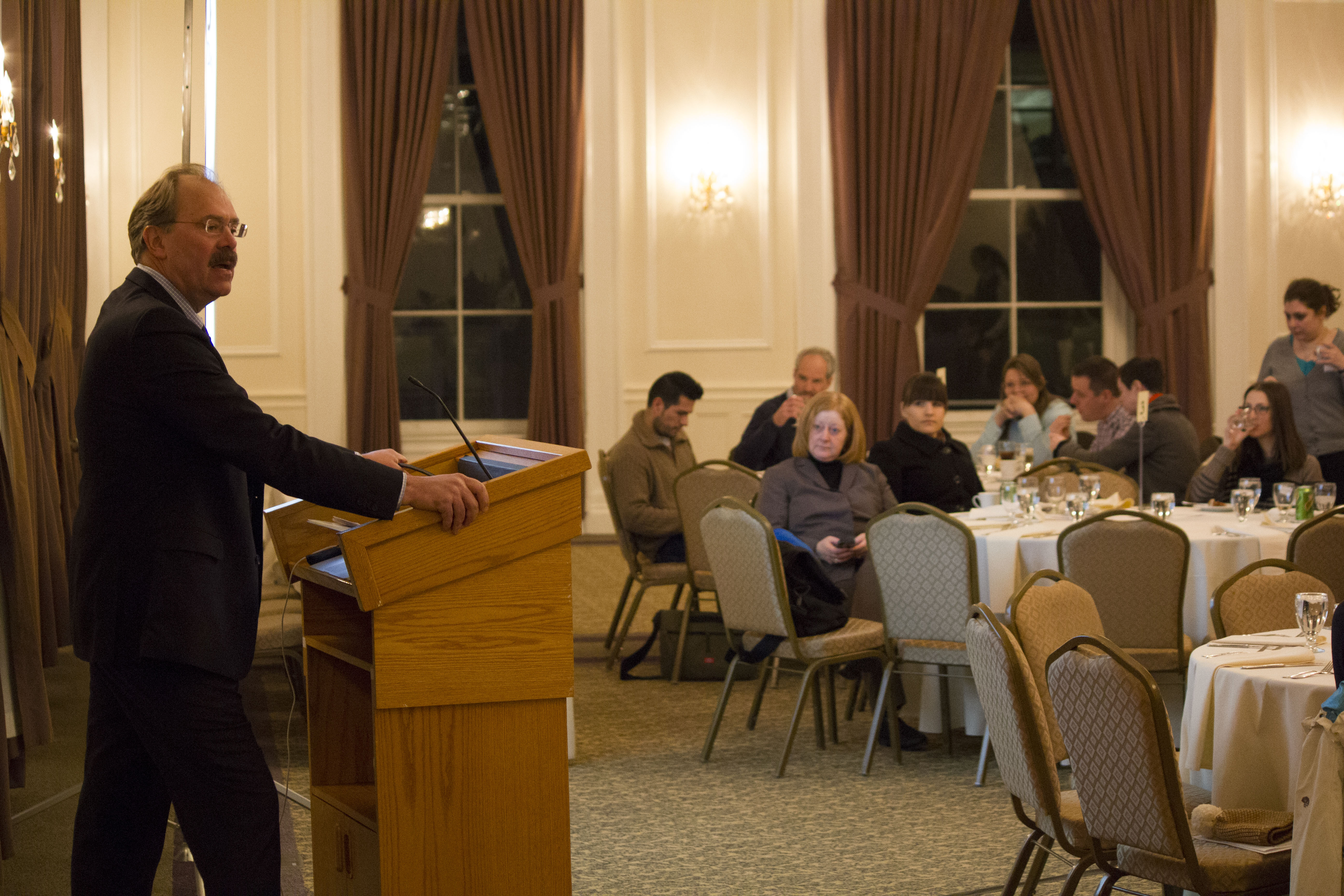
Dr. Wiley “Chip” Souba speaks at the Doctoral Directions conference, held March 5-6 at the University of Pittsburgh and co-organized by Alyce Anderson, Rachael Gordon, and Julie Boiko.{credit}Image credit: Jeremy Gale{/credit}

In an era when the career paths that PhD graduates will follow after graduation vary greatly, it is more important than ever that trainees are prepared to take on careers both inside and outside of the academy. The non-technical skills that are necessary to complete a PhD, including leadership, analytical skills, and time management, are useful in many career paths. However, it is often difficult for trainees to identify and nurture these skills while remaining focused on the technical skills required to complete their studies. Furthermore, the necessity for trainees to prepare themselves for a wide array of careers is unique to this generation of scientific trainees, and the mechanisms to prepare trainees to recognize and practice the skills needed to successfully navigate diverse career paths is lacking at many institutions.

One way that some students have found to take this task into their own hands is by organizing local scientific meetings. This provides not only the opportunity for trainees to present their work and connect with other members of the scientific community, but also to hone skills in networking, finance, and writing, among many professional skills that can translate to careers in and out of academia.

Networking

Conference planning provides opportunities for trainees to practice networking skills with more senior scientists. Alyce Anderson and Rachael Gordon, who for the past three years have been involved in organizing a professional development conference at the University of Pittsburgh, stress the importance of having an advisor involved in the conference planning committee. They recommend identifying a faculty member who has previously been involved in organizing meetings, to work with and learn from throughout the planning process. “Garner institutional support from people who work on professional development,” suggest Gordon and Anderson. Such faculty may support a conference by providing students access to their network of scientists outside of the home university as potential speakers, and guidance on the mechanics of putting together a successful meeting. Additionally, working with faculty is an opportunity for trainees to establish close relationships with them, opening the door to potential long-term benefits including further mentoring and letters of recommendation. Continue reading