Surviving academia as an early career researcher: an unreliable guide

Being an early career researcher is exciting but terrifying. Use this guide to make the most of your PhD or postdoc experience, says Atma Ivancevic.

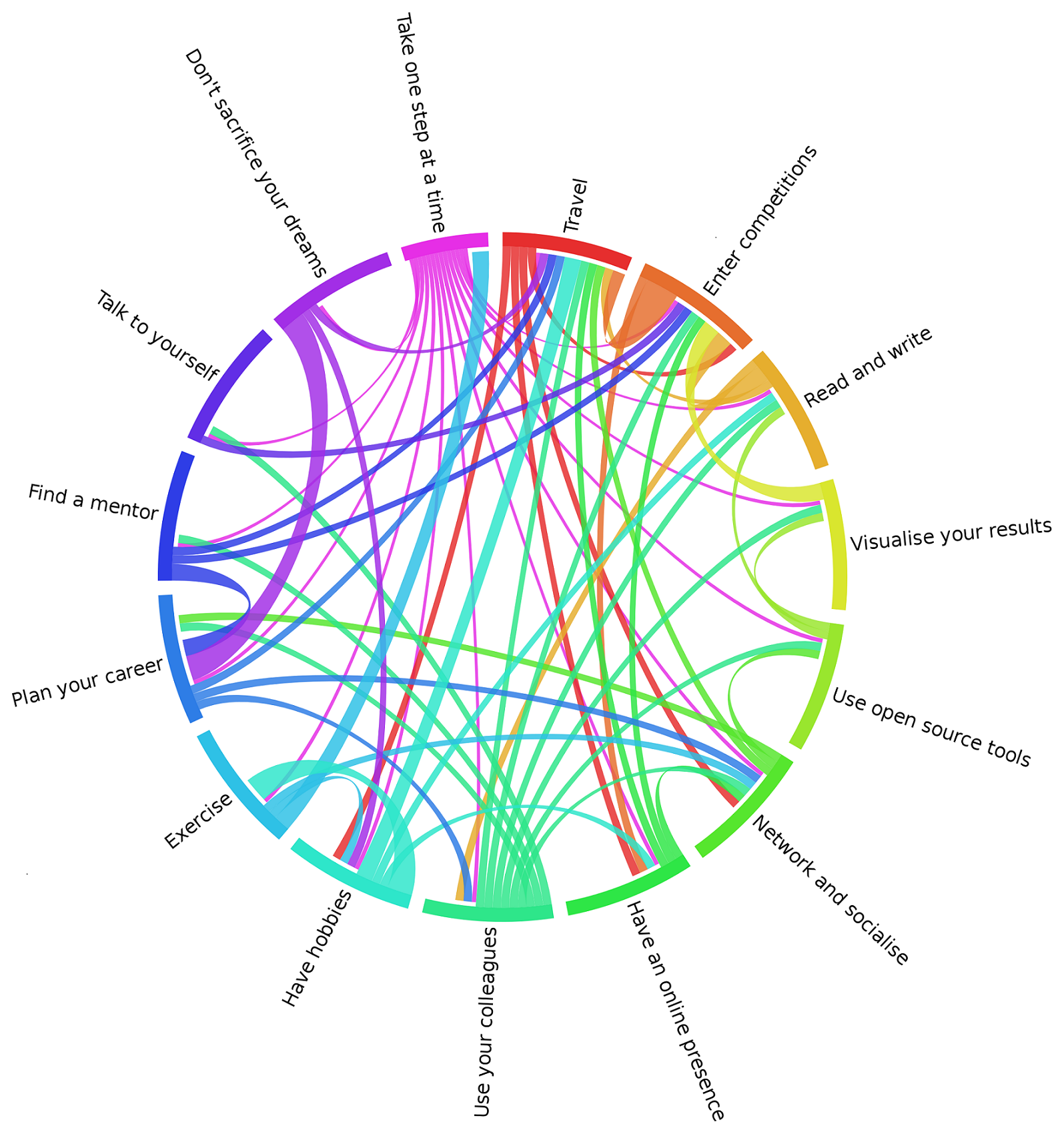
In today’s cut-throat world of grants and publications, being an early career researcher (ECR) can feel more than a little daunting. As an ECR myself, I can’t guarantee that this will help you make it to the other side unscathed. But I’m still here, and if you’re reading this, you probably are too. Outlined below are the things I’ve learnt during the ups and downs of post-PhD life.


circos-table-myxvjxw-smaller

Continue reading

The worldwide web of science

International networking should be a priority for young scientists, says Aliyah Weinstein.

Early career scientists are often told that networking is important for future career prospects and mobility. Often, this comes in the form of a nudge to attend university seminars, events for local scientific professionals or national conferences. These are typically great for meeting scientists working in your city or country – but developing an international network can often be much more difficult. First, scientists are most often around others working at their university or research centre, making this their primary network. Second, travel to attend international conferences may be cost-prohibitive, especially for early career scientists. Finally, connecting with colleagues outside of the country may not be on the radar of students and postdocs, or may seem overwhelming at that stage of a scientific career.

network-1911678_1920 Continue reading

Women in science: Fight the brain drain

The world needs science. Science needs women,” reads the L’Oreal-UNESCO women in science strapline. We agree.

Last week, Julia Etulain was sitting in a lobby of a hotel in Paris, far from her hometown of Buenos Aires, Argentina. She explained her research energetically, occasionally apologising for near-perfect, short-sentence, staccato English.

Julia Etulain {credit}Photo via ParaBuenosAires/thebubble{/credit}

Continue reading

Donald Trump’s immigration ban and its impact on the scientific community

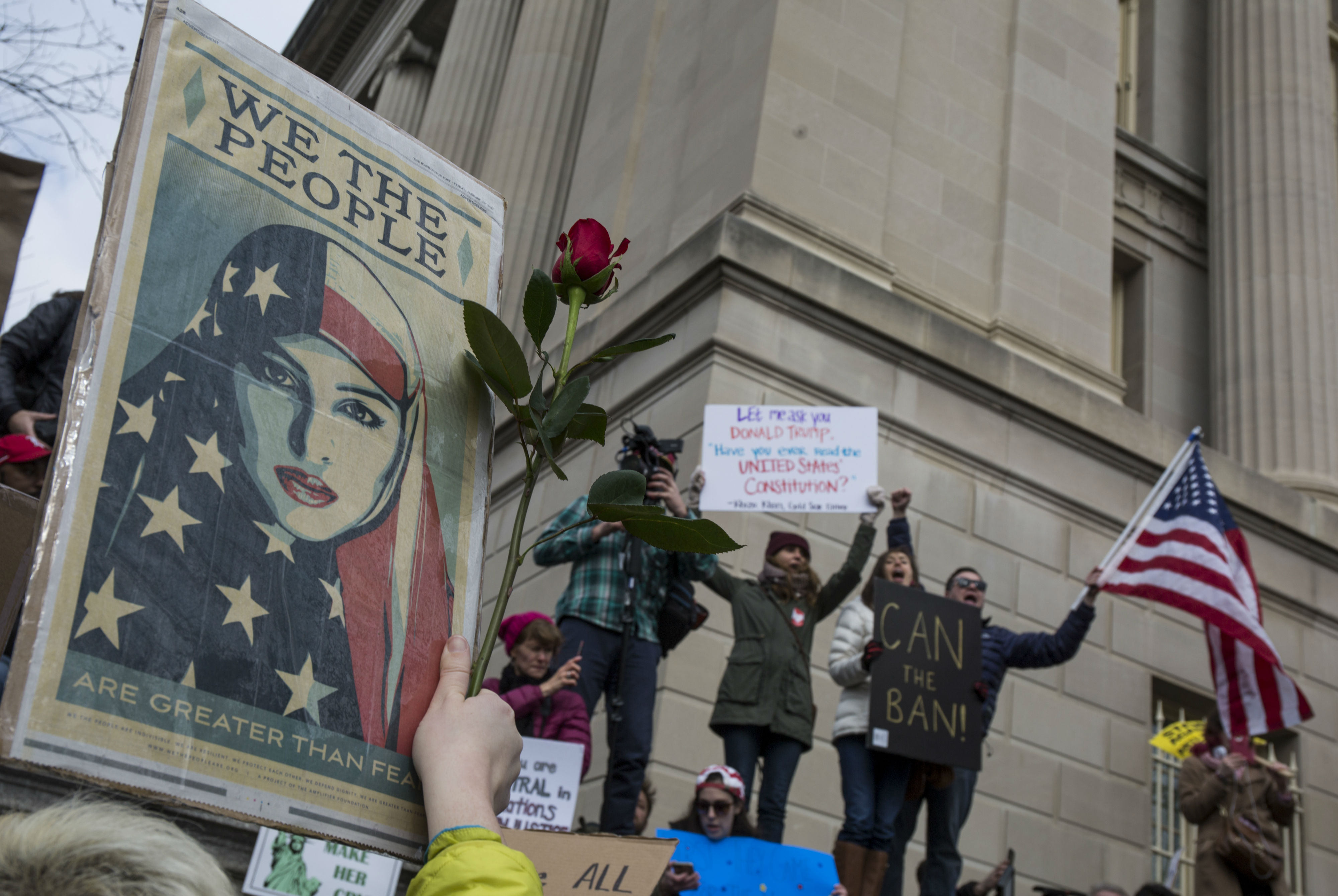
trumpmarch

Demonstrators protest outside The White House on January 29 2017

Immigration attorney Brendan Delaney summarises the issues for scientists affected by the US travel ban.

Continue reading

How travelling can help prepare you for a successful research career

Travelling has enhanced my scientific networks and social awareness, and prepared me to work in an international setting.

Guest contributor Andy Tay

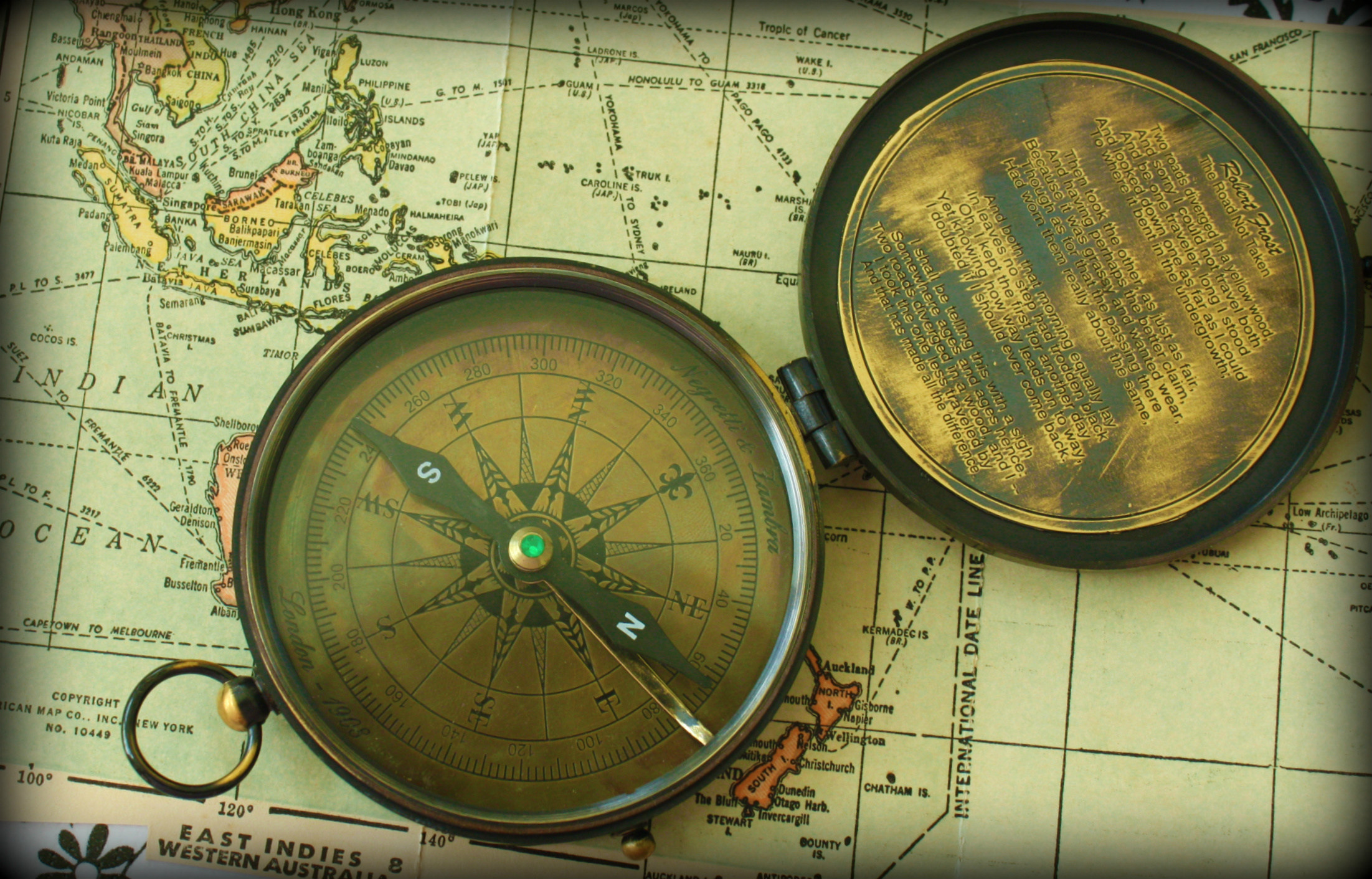
As science becomes more inter-disciplinary, scientists increasingly need to travel to promote their work and build collaborations. Whilst it’s common for professors to travel frequently, graduate students or post-docs may not be aware of the importance of travelling in building a career. Here’s how travelling has helped me — and how it might help you.

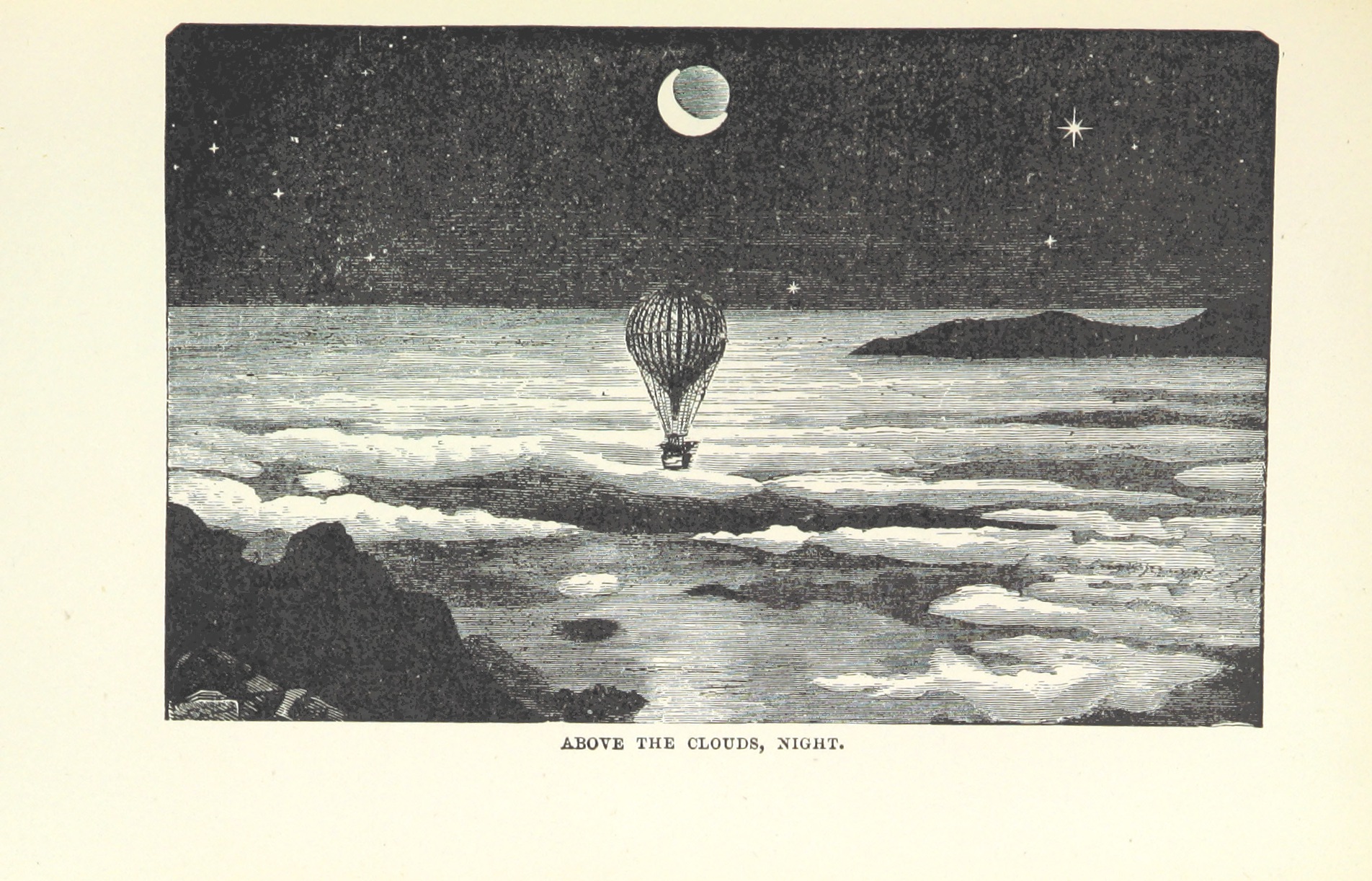
11237194915_b26ca4ae4d_o

{credit}Flickr/British Library{/credit}

Continue reading

Away from home: ‘Research not Nobel-driven’

We’re bringing you the best stories in lab mobility from Nature India.

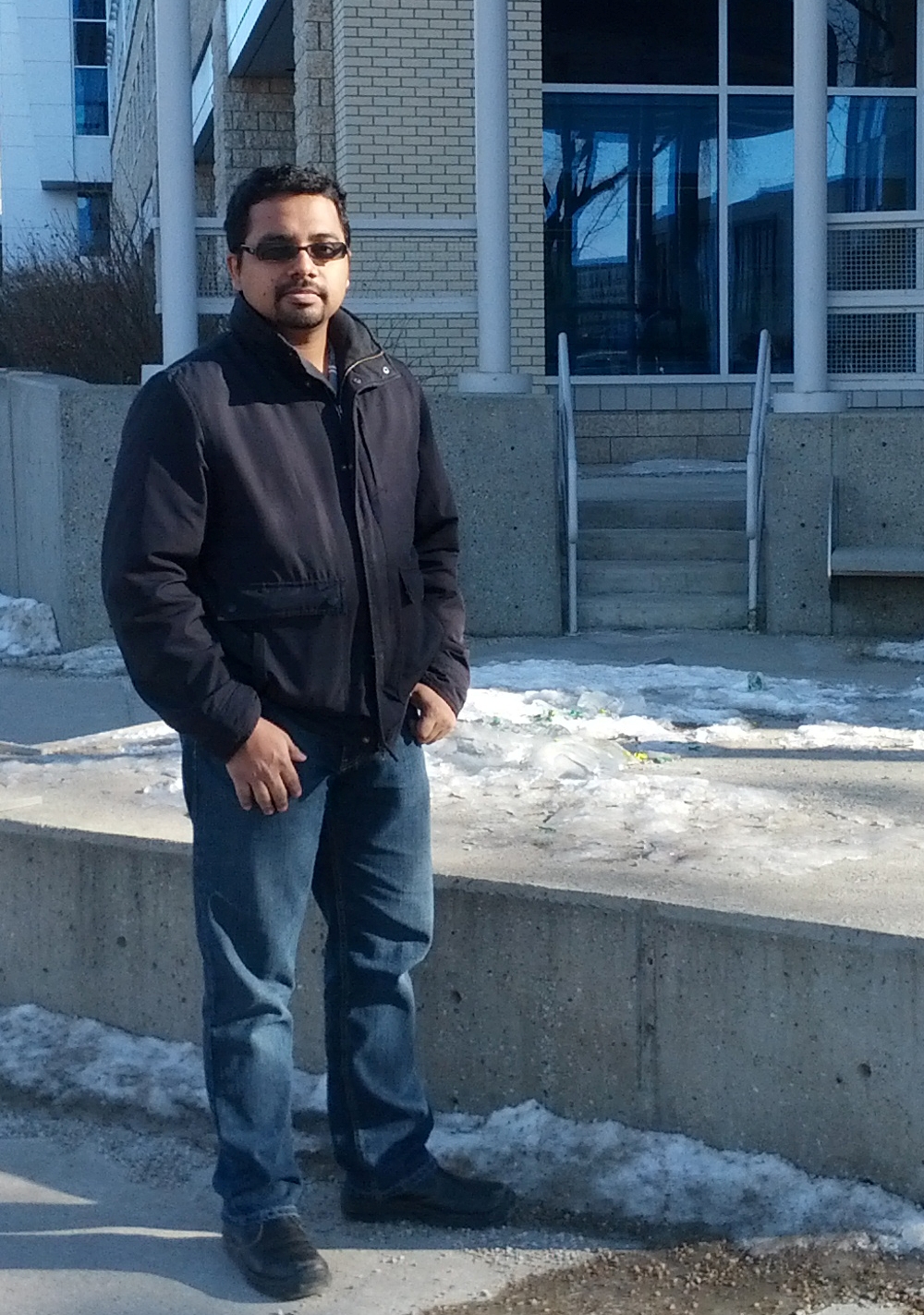
Today’s blog comes from Arghya Basu, who wears many hats — that of a membrane protein researcher, an amateur photographer and a weekend hiking enthusiast. A doctorate from Indian Institute of Chemical Biology, Kolkata, India, Arghya now lives his many passions working at the University of Alberta, Canada and says research might not always fetch you a Nobel but should be able to make life better for some.

AB

Dad, my first science teacher

My father was my first science teacher. A banker by profession, he had an extraordinary skill to explain the world and all conceivable worldly acts in terms of science. I remember, as a kid I used to look forward to those hours when my father would come back from office and open my science books, be it the physical sciences or life sciences. The next few hours used to be magical. I always wanted to touch that magic. So, it was a no-brainer for me to choose science and scientific research as my future career quite early in my life. Continue reading

Finding a place to hang my lab coat

Australia might be the land of surf, swim and sun, but something’s making all the scientists flee, says Naturejobs journalism competition winner Catherine Carnovale.

When now ex-Australian Prime Minister Tony Abbot abolished the role of science minister in September 2013, members of Australia’s scientific community fastened our seat belts. This telling sign signalled the first of many cuts to science and innovation before the new government delivered their knock-out punch to the industry in the form of the 2014-15 budget.

4925267732_492be0075f_o-smaller

{credit}Calsidyrose/Flikr{/credit}

Continue reading

Lindau: Return to Nerd Heaven: Physics is like the Godfather and this is good

Alaina G. Levine is live from the Lindau Conference

As I mentioned yesterday, even after I switched my major to mathematics from physics and astronomy, I couldn’t quite turn my back on this field. I’ve come to realise that there is a specific reason for this, and I think you’ll agree: Physics is like The Godfather – once you’re in, you can’t get out. Our knowledge of the universe, from the yotta to atto, is all tied to physics. Our entire existence is described by physics. You can’t get more powerful than that. So clearly, it’s is an entrancing field, and like the Godfather, there is literally no way to escape – you’ll die a member of La Famiglia de Fisica.

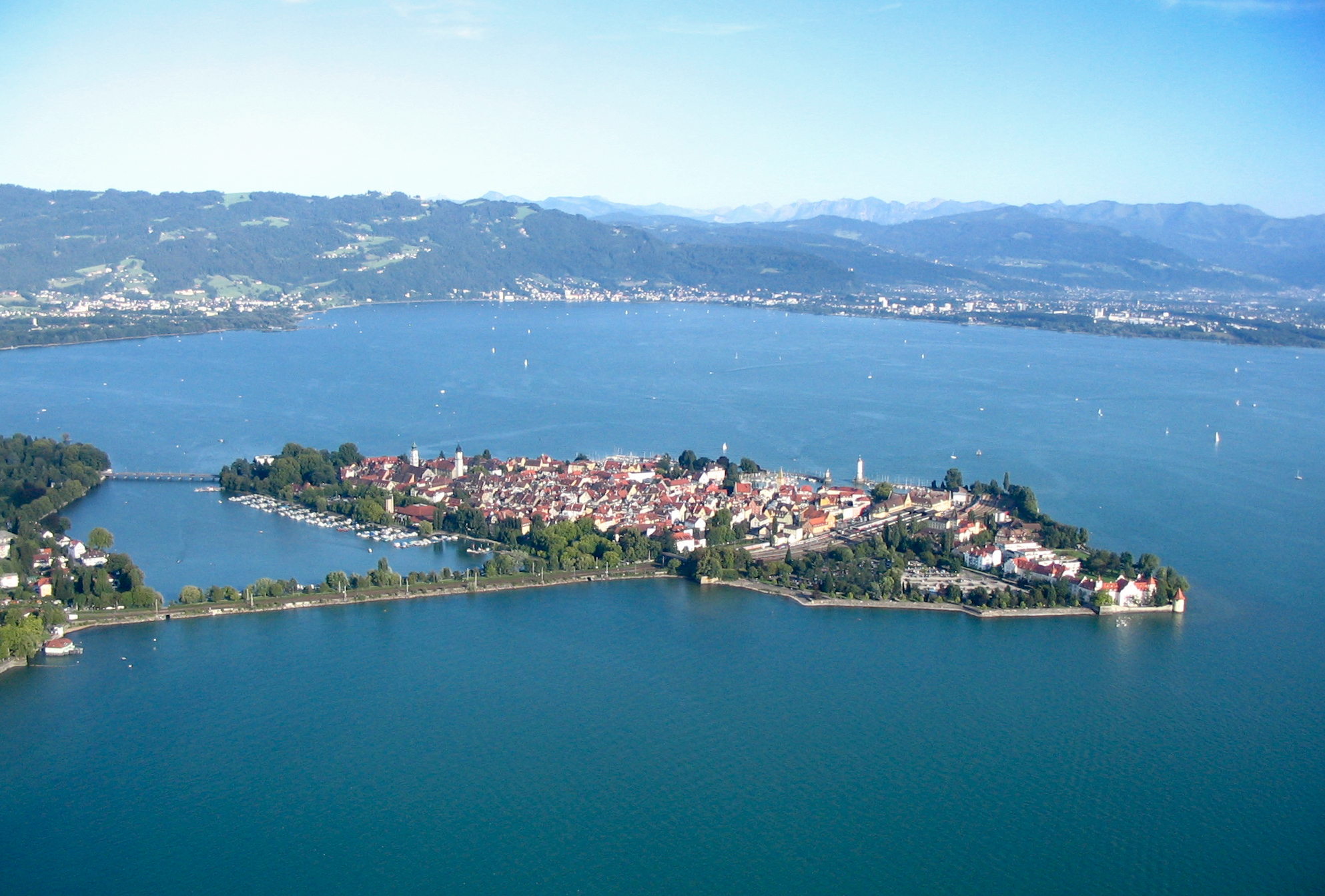
Lindau Island. Credit: CC-BY Edda Praefcke

Continue reading

A week in the life of a tenured professor

A Chinese scientist considers the new responsibilities that come with his role

This piece was cross posted with Nature Asia. You can read the Chinese version here.

Guest contributor Chenggang Yan

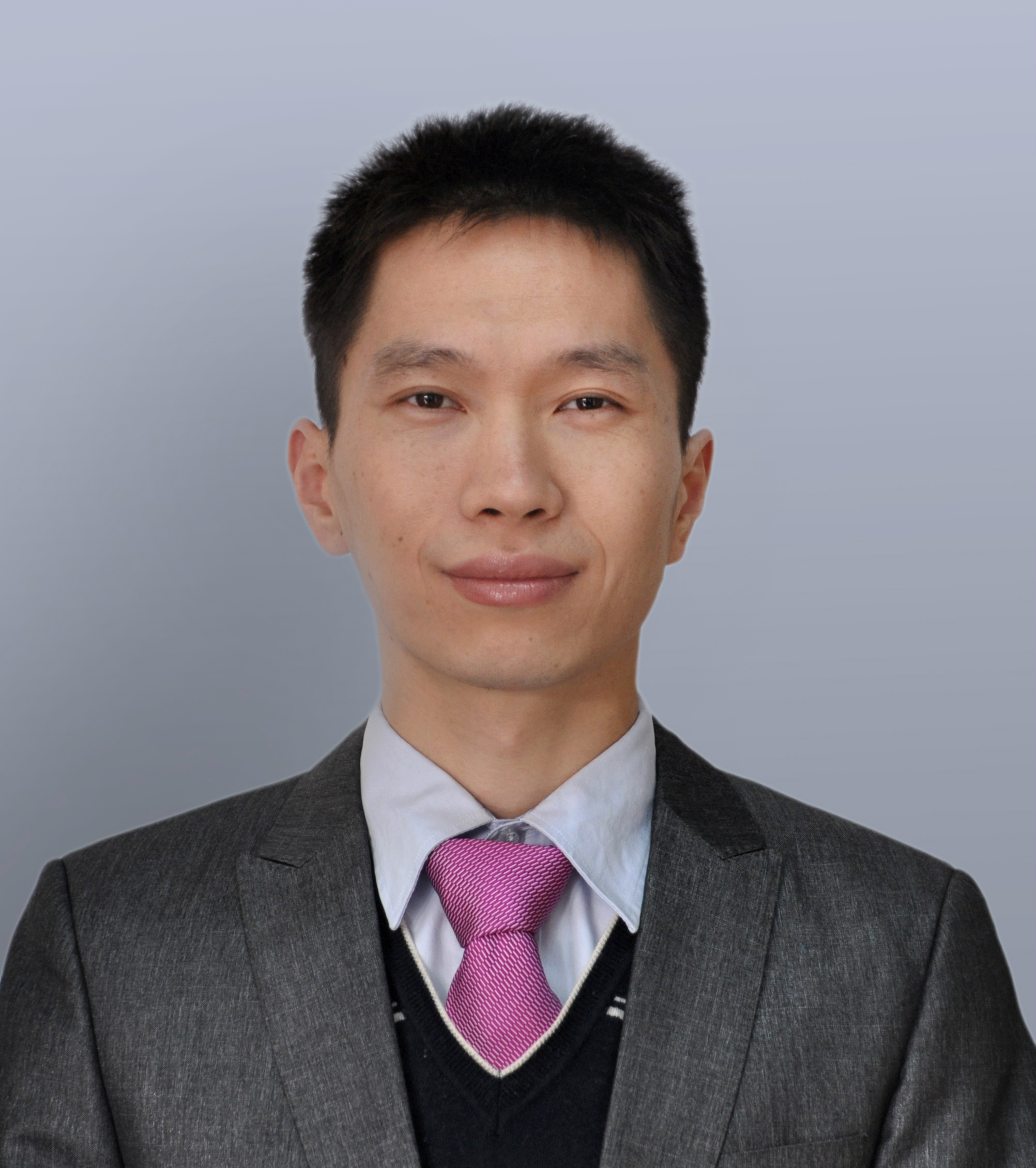
I’ve spent ten years of my life in research. In those ten years, I’ve never been completely overwhelmed until I accepted a professorship at Hangzhou Dianzi University. Just like many other young scholars, I’m working hard to win a good reputation with my research. I went into science because – like many others – I wanted to do meaningful work, lead a new era, and benefit humanity in some way. But recently I’m finding that’s just not what I spend my time doing.

DSC_0001 op1-smaller

{credit}Chenggang Yan{/credit}

Continue reading

From Scotland to Brazil: Making the decision (twice)

This is the first of a series of posts by Gina Maffey on the challenges, opportunities and difficulties faced by an academic couple moving abroad.

Contributor Gina Maffey
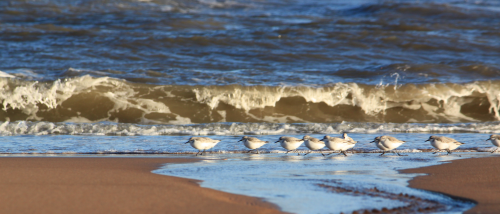
Sanderlings-gina-maffey-naturejobs-blog-small

{credit}Image credit: Gina Maffey{/credit}

It had been two months since I’d finished the PhD, and the wind was coming straight off the sea up on to the dunes. My husband and I were sat huddled in the frosty dune grass watching sanderlings scoot along the shoreline below, while we listened to the curlews in the fields behind.

Aberdeenshire had become our home. We loved the landscape, the people, our work and our lifestyle. Yet, once again one of us turned to the other and asked:

“Do you think we should move?”

We’d been discussing it for years; pie in the sky dreaming of where we could go once my PhD was finished. We were at a point where moving would be relatively easy, we had no mortgage, no children and a lot of energy. But, all the while we’d been settling into a comfortable rhythm of normality.

We’d weighed it up. On the one hand we were perfectly happy where we were. We could pursue funding for projects in our area, continue to build on the research we’d started in Aberdeen and nurture the networks that were beginning to grow. Or, we could look for something completely different, geographically speaking, and indulge our pie-in-the-sky dreams. We convinced ourselves that if we didn’t act now it might not happen, and agreed that whoever found something first would take the lead.

Shortly after our discussion on the beach my husband went for coffee with a colleague, who asked:

“Would you be interested in working in Brazil?” Continue reading