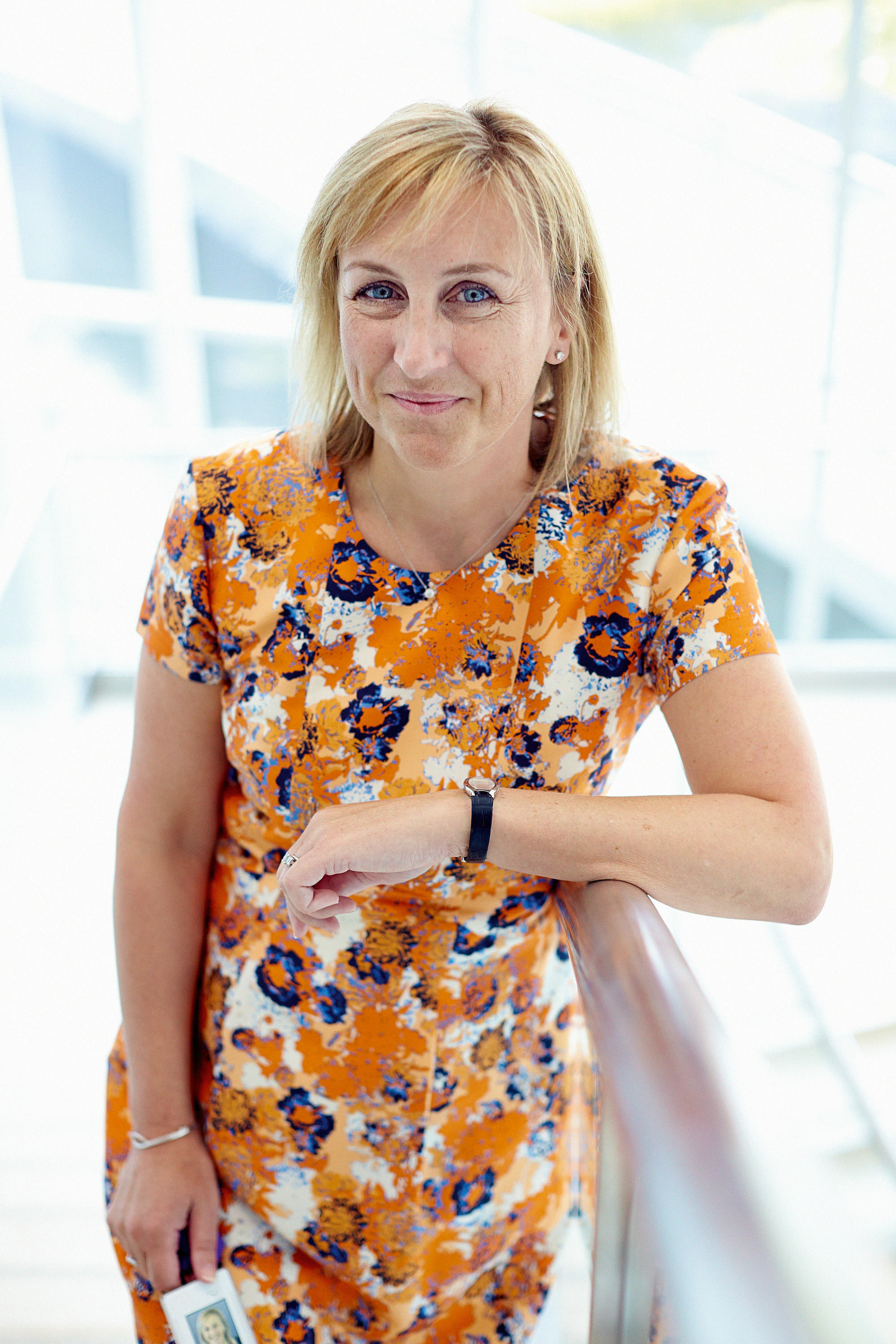
Dan Cressey of Nature, and Rob Dawson of the Meningitis Research Foundation, speak at the Naturejobs Career Expo, London, 2016 about the benefits of an internship in science communication.
There are not enough academic jobs vacant in Australia each year to employ all our PhD graduates.
This imbalance risks training an increasing numbers of doctoral students on a promise that cannot be fulfilled: that is future academic employment.
We need to accept a hard truth that Australia needs to rethink the design of the PhD and the expectations around it, or radically reduce intake to doctoral programs. Continue reading →
“Big data” is a catchall term for any data set of exceedingly large volume. It could be transaction information at a credit card company, invoice data at an online retailer, meteorological measurements from a weather station. All these data sets have unique characteristics that make it extremely difficult to use conventional computing technologies and techniques to store and process them for analysis. Their variety is daunting, and high velocity is required to handle them in a timely manner.
So who is going to store, manage and process all this information? Well, why not you? Companies are starved for people with this kind of expertise. Big data is a growth industry and people from a variety of academic backgrounds can find successful careers in this area.
Four simple steps will help you find a career to be happy in, says Naturejobs journalism competition winner Judith M. Reichel
Find a job you love – and you will still have to go to work every day. There are plenty out there; some are great, some are a stepping stone, and some will simply pay the rent. The key is to identify your own strengths and passion, in order to find the perfect job for you.
Confused about your next career move? Informational interviews can help you get started.
Guest contributor Meenakshi Prabhune
The job search is difficult and intimidating, especially during a career transition. While there are tons of articles and advice on dealing with the much dreaded job interview, they rely on a major assumption: you’ve been called for an interview in the first place! What if you’re still figuring out what jobs you should start applying for? This is where informational interviews come in.
Pauline Williams shares her thoughts on her career outside of academia.
As a junior doctor working in geriatrics, I could never have imagined that in 20 years time I would have led the development of a medicine which has the potential to save hundreds of thousands of babies’ lives.
The habit of implicit bias can be broken, but it takes awareness and behavioural strategies, says a new study.
Guest contributor Viviane Callier
Gender stereotypes affect our attitudes and behaviours, even if we’re unaware of them. But the habit of implicit bias can be broken: an intervention with faculty at the University of Wisconsin helped to break the bias habit, led to an improved department climate for everyone, and increased faculty hires of women and underrepresented minorities, a new study shows.
A Chinese scientist considers the new responsibilities that come with his role
This piece was cross posted with Nature Asia. You can read the Chinese version here.
Guest contributor Chenggang Yan
I’ve spent ten years of my life in research. In those ten years, I’ve never been completely overwhelmed until I accepted a professorship at Hangzhou Dianzi University. Just like many other young scholars, I’m working hard to win a good reputation with my research. I went into science because – like many others – I wanted to do meaningful work, lead a new era, and benefit humanity in some way. But recently I’m finding that’s just not what I spend my time doing.