Podcast: Science, sickness and dyslexia

Collin Diedrich

Collin Diedrich

Julia Hubbard, a research fellow at the Francis Crick Institute in London, has Type 1 diabetes and lupus. Collin Diedrich (pictured), postdoctoral research fellow in HIV/TB co-infection immunology at the University of Pittsburgh, US, has dyslexia. Listen to their top tips for successfully juggling scientific careers alongside illness and disability.

Also, Jack Leeming discusses Nature’s recently published comprehensive guide to scientific careers in China.

Continue reading

Different “Me”s open up a new world on a personal and scientific level

Haruka Yuminaga’s experience moving back to Japan has been a challenge — but has helped her become a better scientist.

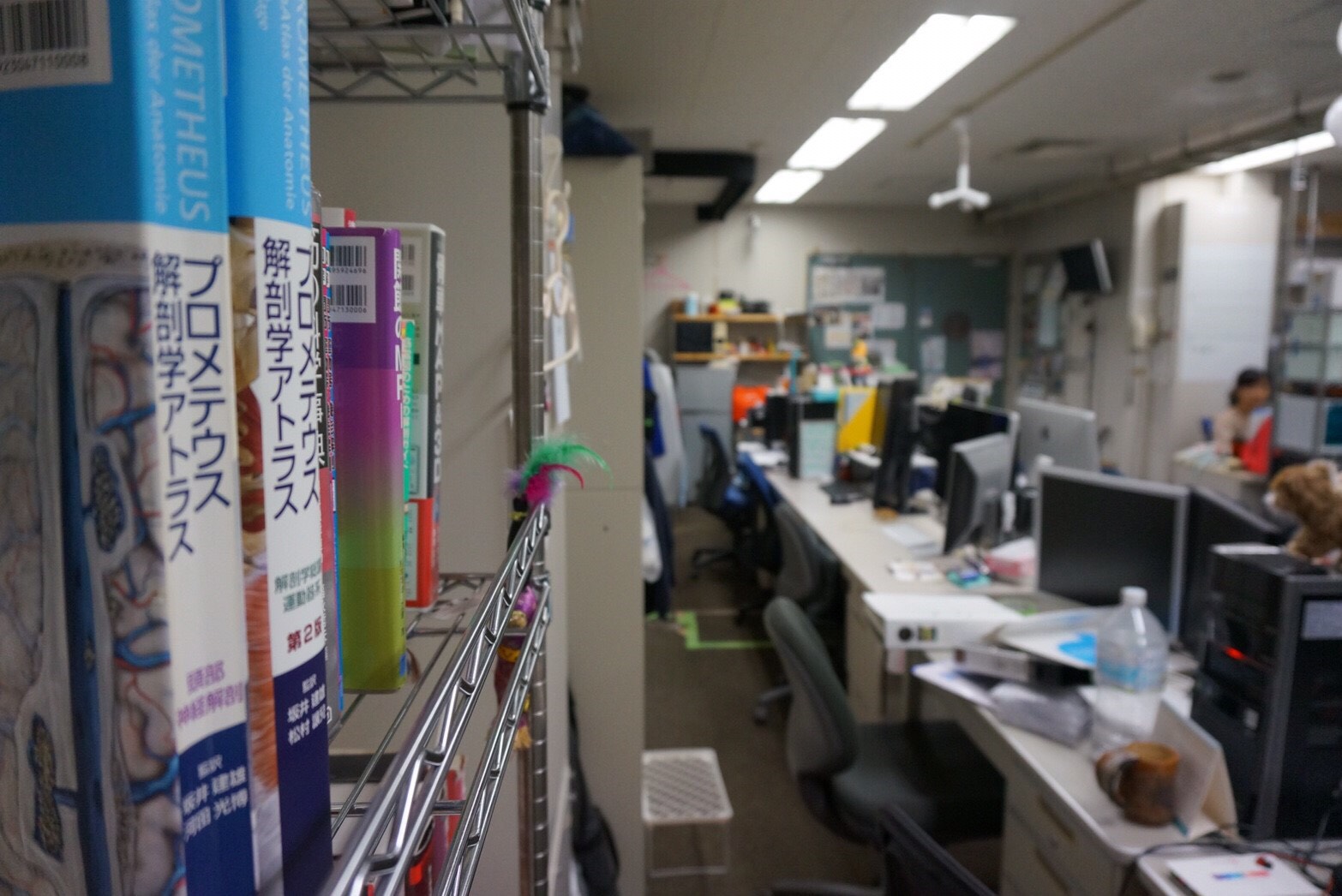
A light grey room is filled with 23 grey desks, scattered in pens and books. In one corner sits a refrigerator packed with snacks. Next to it is a rice cooker. The walls are covered in pictures of fun lab memories. Amidst the clutter, some students joke and laugh; chat with a professor about their experimental procedures; analyze data on their laptops and unconsciously wrinkle their brows.

umi lab

The Ushiba lab

It is a usual morning at the Ushiba lab where I’m doing an internship this summer. I am a rising junior at Macalester College in Minnesota, USA. Before spending two years in a U.S college, I spent all my life in Japan, and expected being back in a Japanese lab to feel natural. But my assumption was wrong.

Reverse culture shock

Continue reading

A week in the life of a tenured professor

A Chinese scientist considers the new responsibilities that come with his role

This piece was cross posted with Nature Asia. You can read the Chinese version here.

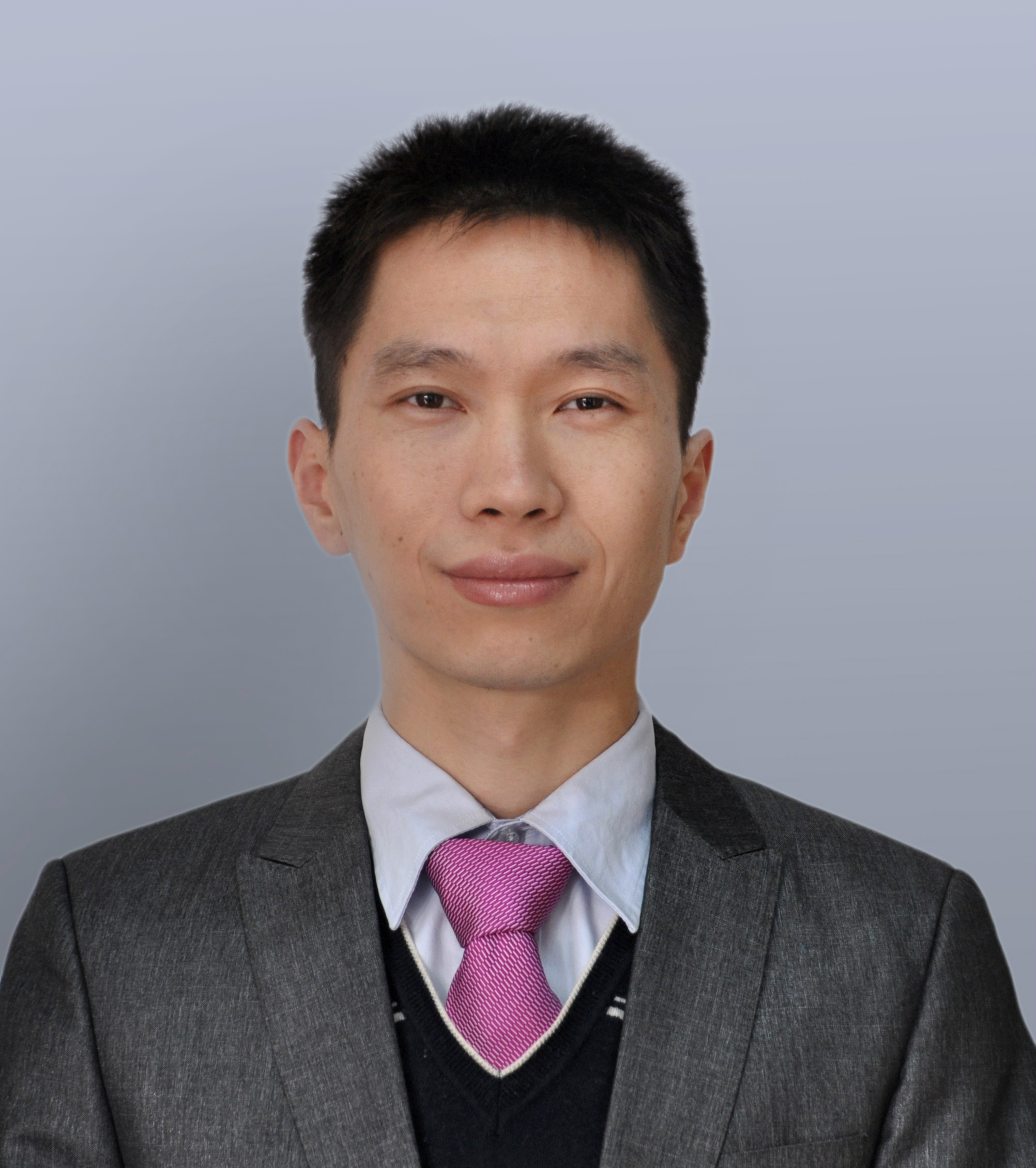
Guest contributor Chenggang Yan

I’ve spent ten years of my life in research. In those ten years, I’ve never been completely overwhelmed until I accepted a professorship at Hangzhou Dianzi University. Just like many other young scholars, I’m working hard to win a good reputation with my research. I went into science because – like many others – I wanted to do meaningful work, lead a new era, and benefit humanity in some way. But recently I’m finding that’s just not what I spend my time doing.

DSC_0001 op1-smaller

{credit}Chenggang Yan{/credit}

Continue reading

A Tale of Two Labs – Our Academic Journeys in China and in the USA

The journeys of two professors show how to survive and thrive in the different academic systems of the US and China.

Guest contributors Zhiyong Jason Ren and Defeng Xing

Once upon a time, we worked in the same lab. Ten years later, we both lead big research labs – in Boulder, USA, and Harbin, China. We have similar backgrounds and research interests, but our journeys were very different. After reading Turning Point: Chinese Science in Transition and Nature’s How to build a better Ph.D, we want to share our stories with young researchers in the hope it might help them navigate their own science adventure.

How did we start?
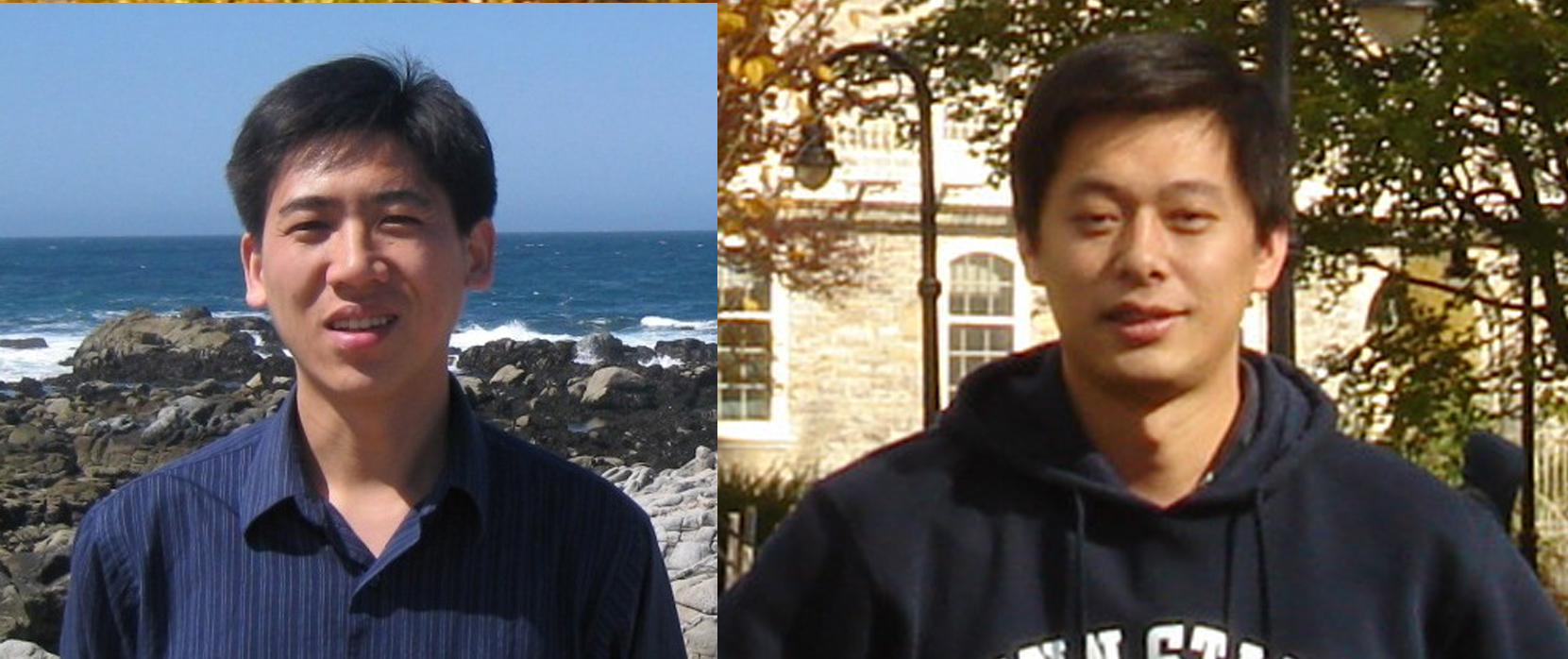
It was 2006 when we first met at Penn State and became lab mates and close friends. When it became time to decide on a career path, Ren chose to become an assistant professor in the U.S., while Xing returned to his Alma Mater in China. In an “ever-lasting” U.S. tenure track system, Ren was handed a well-structured guideline for new principal investigators (PIs), while Xing got a pile of applications on his desk, so he could recruit from various young talent programs.

Ren (L) and Xing (R) in 2006

For Ren, winning the position meant he started the job as decision-making group leader, though he didn’t receive much training.  For Xing, it meant joining a big group with an established platform and shifting gradually from a team player to team lead. Continue reading

Naturejobs Career Guide: Asia-Pacific

Scientists looking for new experiences in research should explore options in the Asia-Pacific region as funding floods in.

Naturejobs-career-guide-asia-pacificFor anyone considering a career in science, the Asia-Pacific region might offer some interesting careers. Opportunities for scientific jobseekers in Asia-Pacific abound, especially as research and development (R&D) spending as a proportion of gross domestic product (GDP) has risen in all six countries since 2000. But moving overseas is a big decision. This first Naturejobs Career Guide provides practical advice, first-hand accounts and useful facts and figures for those considering a change.

China‘s rise as a global powerhouse in science and technology is reason enough to think about a move to Asia. For example, the government has committed large sums to high-profile projects such as thorium-based nuclear power plants, as well as basic research spending, which has historically received less funding than in other developed countries. It has also launched a series of major R&D-based projects such as a space station and the China brain project, dedicated to research into artificial intelligence and neurological diseases.

A little to the east, South Korea is second only to Israel in the proportion of its GDP it spends on R&D, and Japan is not far behind. The country is focussed on recruiting overseas researchers and encouraging basic science, and is using research to drive development.

Singapore has built up its research and innovation capacities rapidly since the turn of the century by luring foreign talent with offers of large salaries. Between 2011 and 2015, 16.1 billion Singapore dollars (US $12billion) was invested in science and research by the island city-state, a 20% increase on the previous five-year period. A majority of this funding is ear-marked for collaborative projects between academic institutions and industry, hoping to drive innovation and translational science.

Australia and New Zealand are playing to their strengths by focusing limited resources on the fields in which they excel. New Zealand is renowned for its Earth science and agricultural research. It has a multi-cultural environment and is proud of its collaborativeness. The Australian government, on the other hand, is focussing it’s spending efforts on large physics and astronomy projects, as well as medical research.

For each of the six countries in the Asia-Pacific region, Naturejobs has collected first hand accounts of what it’s like to move, live and work there are a researcher.

This week on Nature Careers

cross-roads

{credit}Ratch/Shutterstock{/credit}

Is going to back to China a good idea?

Chinese research institutions are looking to poach their ex-pats back, but are the schemes and lifestyles they offer something that westernised easteners can get used to? Quirin Scheimier has been speaking to some who are taking the leap. Continue reading

Nobel laureates share career insights with young scientists

Each year, young researchers from all over the world meet with Nobel prize-winners on the German island of Lindau to discuss the big questions in science. The 2011 meeting focused on the world’s greatest health challenges and how to tackle them, and the Nature Video team was on hand to capture the conversations on camera.

The young researchers in these films are working on malaria, cancer, viruses and more. They are also learning how to be scientists: how to write grant applications, how to collaborate with other research groups and how to find the right career path. See what advice the laureates offer — and what questions they have in return.

There are five films in the series, and one will be published each week from 15 September to 13 October.

29 September: Bench or bedside? with Ferid Murad

Camelia-Lucia Cimpianu is trying to decide between a career as a researcher or a practising doctor. In this film, she seeks advice from Nobel Laureate Ferid Murad who faced the same dilemma as a medical student in the 1960s.

22 September: Combating cancer with Edmond Fischer

Nobel Laureate Eddie Fischer was born in Shanghai in 1920. Since then, China has emerged as an economic superpower. Now it’s becoming a scientific heavyweight too. Tong Qing belongs to the newest generation of Chinese scientists. She decided to study cancer after a family friend became ill with breast cancer. In this film, she tells Fischer about life and research in China today.

To see more videos, go to the Nature Video Lindau collection website.

If you have any problems loading the videos, please try updating your Flash player.

‘Brain circulation’ and other trends in global science

Forget ‘brain drain’ – many countries are now focusing their efforts on making the most of ‘brain circulation’, according to a new report on global science from the Royal Society, Britain’s national academy of science.

In a shift away from attempting to stem the flow of talented scientists overseas, countries such as China and India are setting aside resources to attract native scientists back home later in their careers while maintaining their links with host countries.

Many nomadic scientists who remain overseas are also keen to maintain links with their home countries but are unsure where to start, making them an “untapped resource” for international collaboration, according to the report, Knowledge, Networks and Nations: Global Scientific Collaboration in the 21st Century.

Where brain drain is still a major problem, such as in Africa, governments need to reward talented scientists and enable them to foster global networks while ensuring they also help build national research capacity.

Other highlights of the report include:

• International collaboration is growing, and has a significant effect on a research paper’s impact (see ‘Research sans frontières’ for more)

• In addition to the meteoric rise of China and, to a lesser extent, Brazil and India, other rapidly emerging scientific nations include Turkey, Iran and Tunisia

• R&D investment in developing countries is increasing: the share of foreign-owned business R&D in the developing world grew from 2% in 1996 to 18% in 2002

Regions and cities are displacing countries as the relevant unit when discussing R&D – in the United States, the state of California accounted for more than one-fifth of national R&D spending in 2004, while Moscow accounts for 50% of Russian research articles

• Many established research centres and funders have become global brands that are no longer necessarily confined to their geographic location – the University of Nottingham in the United Kingdom has a campus in China, for example, while the UK-based Wellcome Trust helps fund institutes in Asia and Africa

What’s your reaction to the report? If you’re a scientist working overseas, do you plan to return home later in your career? Are you seeing the benefits of international collaboration? Share your thoughts below.