Science for all: supporting diversity through science outreach

diversitytesttubes

{credit}Steex/Getty Images{/credit}

Public science outreach can be a starting point for encouraging diversity in STEM, says Aliyah Weinstein.

Community outreach events are a fun way for scientists to interact with members of the public and inform them about exciting scientific research. Besides the fun, though, it’s important for scientists to consider how effective their outreach will be in reaching the audience. When planning for an outreach event, scientists commonly think about the main point they want to get across, their word choice, and the scientific background of the audience. Continue reading
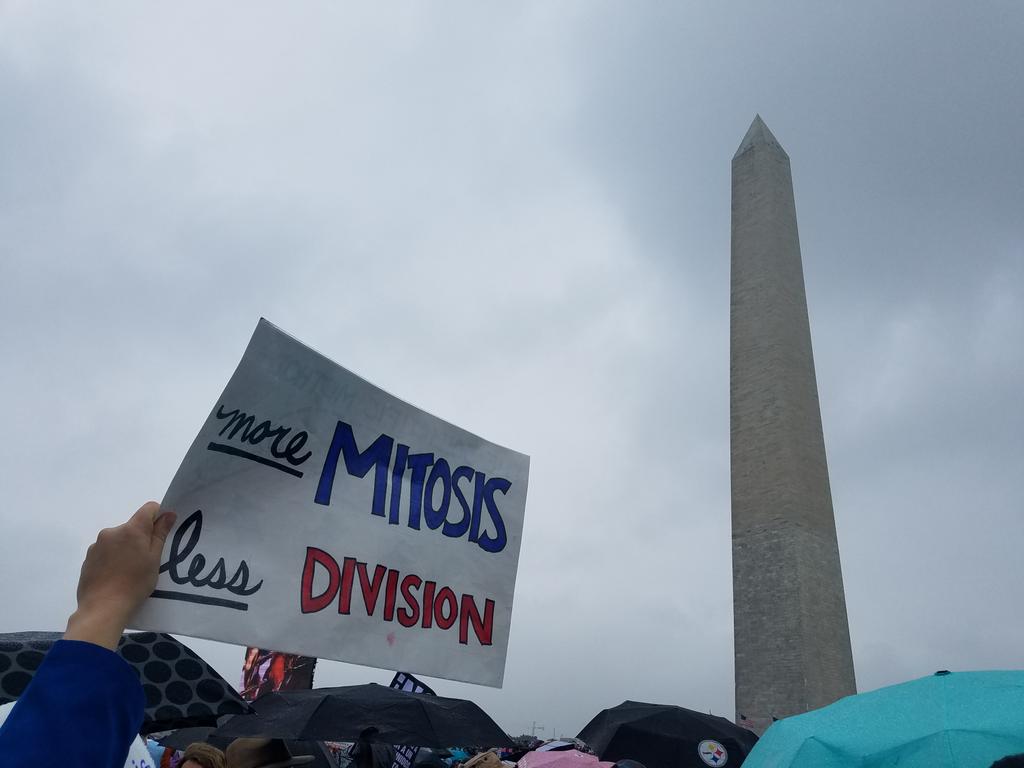
Boffins, Brexit, Trump and a Time Lord: How the media saw the March for Science

The media seized on “nerdy signs,” celebrity appearances and interviews with working scientists and commentators to demonstrate that the March for Science had firmly engaged the public, says David Payne.

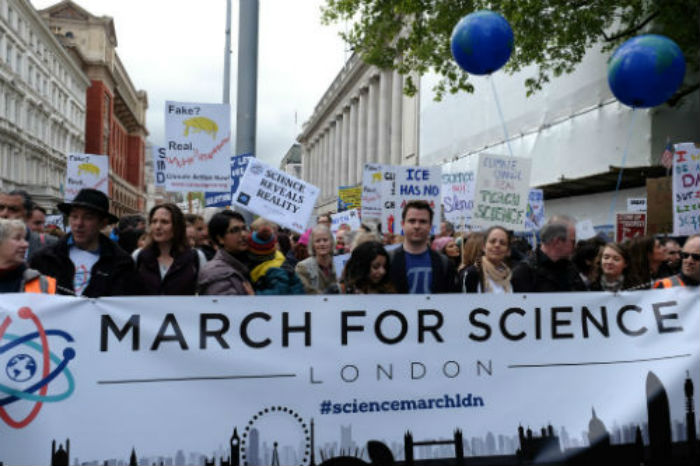
London march for science

London March for Science: 22 April 2017 Credit: Getty/Nur Photo

A sighting of Doctor Who actor Peter Capaldi “marching alongside physicists, astronomers and biologists” at the London march on 22 April proved irresistible to Daily Mail headline writers, who wrote: ‘”What do we want? Evidence-based policy. When do we want it? After peer review: Boffins’ VERY academic chant as Doctor Who joins thousands protesting against Brexit during global March for Science.” Continue reading

Why I marched for science – a transatlantic perspective

The March for Science turned a spotlight on the importance of research. But it won’t have a lasting effect unless we improve science communication, says Judith Reichel.

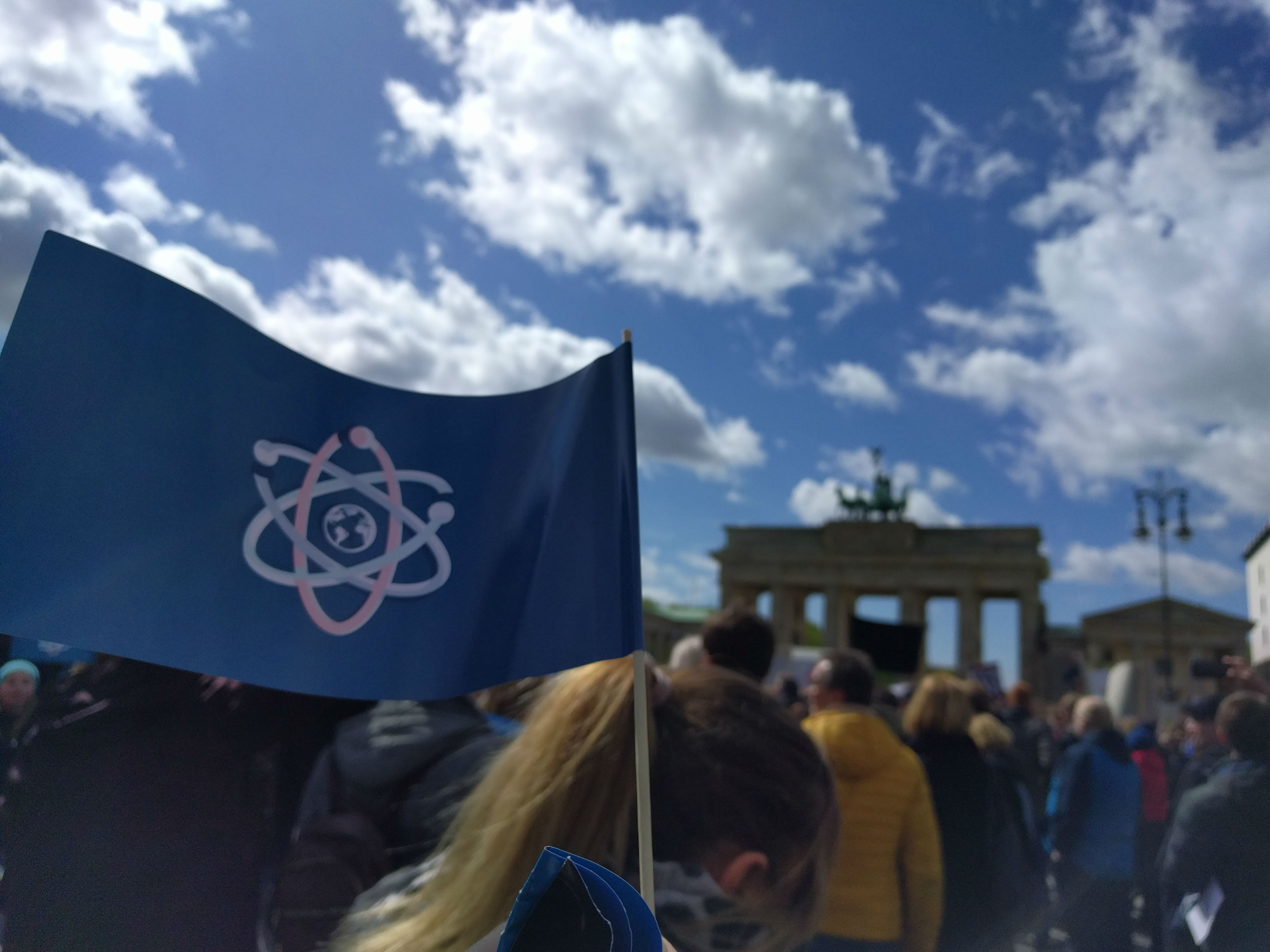
On Saturday, April 22nd, myself and an estimated 11,000 other science supporters marched in Berlin. The event was part of the global “March for Science” that took place in over 600 cities worldwide. While the March here and everywhere else was a great success in putting a spotlight on the importance of research and the danger of building on false facts, I’m worried it won’t have a lasting effect on the public perception of science if we don’t improve our science communication.

MarchforScience-Judith-1-smaller

The March for Science passes the Brandenburg gate in Berlin, Germany

Continue reading

Stepping up for hope

What did the March for Science do?

Scientists across the United States are just now returning to their labs after a weekend of marching, waving signs and, in many cases, wringing out rain-soaked lab coats. The steady rain that fell Saturday, 22 April, on the March for Science in Washington DC didn’t dampen participants’ enthusiasm for standing up for “science that upholds the common good and for political leaders and policy makers to enact evidence-based policies in the public interest,” to quote the March for Science website’s mission statement.

march

{credit}Kate Carbone{/credit}


But now that the march is over, scientists have to face some important questions: What message did they deliver, what comes next and what does it all mean for their careers? Continue reading

All in three: How to pitch your PhD in 180 seconds

The stage was set. A thousand people had taken their seats. Stage lights were blaring. Cameras were circling. In the green room, 10 PhD students, 10 knotted stomachs. I have a weird interest in seeing how other people cope with pressure. Some use humour, some remain pessimistic. Some are humble, some are cocky. Some laugh, lots cry. All this nervous tension though, for only three minutes on stage.

Josh 3MT

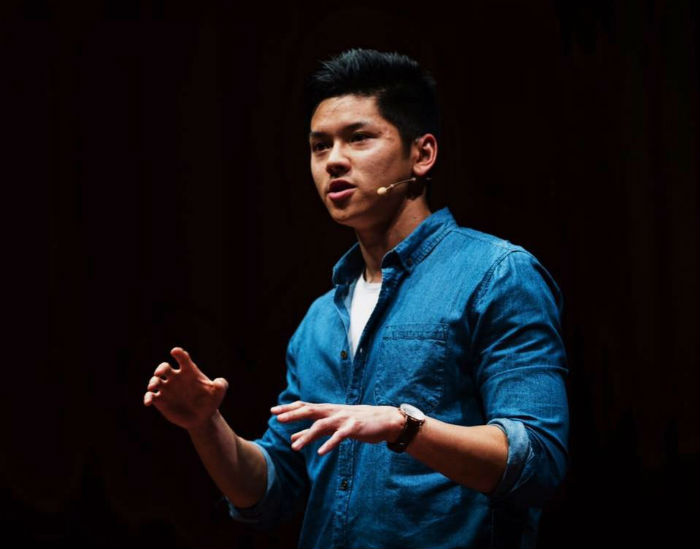
Joshua Chu-Tan presenting his winning 3 Minute Thesis at the 2016 Asia Pacific finals

2016 Asia-Pacific 3MT Winner – Joshua Chu-Tan “Targeting the Root of Vision Loss” from Three Minute Thesis (3MT®) on Vimeo.

I’m referring to the 3 Minute Thesis (3MT) competition, an international competition where PhD students have to present their entire thesis, years and years of work, into a three-minute presentation with a single, static PowerPoint slide. Ludicrous, I know. However, amidst all the prize money and prestige of the competition, there was an important lesson to be learned, something that I feel is vital in the field of research – the art of communication. Here, I try to outline my thought process when writing my 3MT. Continue reading

Maximising the role of UK universities as “anchor institutions”

UK universities have, in many ways, moved on from the old, disengaged “ivory tower” perceptions of the past. In many towns and cities, the role of a modern university encompasses much more than exclusively being an institution for education and research. Universities are large, locally-embedded establishments, and often bring a positive economic, cultural and social impact to their home city: so much so, that the concept of UK universities as ‘anchor institutions’ is becoming increasingly important.

anchorCoined in the US, the term “anchor institution” describes a nonprofit institution – often in unsettled or deprived areas – that can bring significant socioeconomic benefits to their local community by providing employment and collaboration opportunities and fostering existing initiatives: the most common of which are universities and hospitals.

Continue reading

Researcher mobility in a post-Brexit world

flag-of-the-united-kingdom-smaller

Existing UK immigration rules can support foreign-born researcher movement after Brexit, but the attractiveness of the UK research environment may still keep the best and brightest away, says Erica Brockmeier

Whether you’re relocating around the block, across town, or to a completely new city, moving is not a trivial task. For many PhD students and early career researchers, moving to a new research group can play a key role in professional development. It’s a way to gain new perspectives for your research, expand your professional network, and to work in a prestigious or well-known group in your field. Sometimes the best move for your career isn’t just across towns or cities, but is one that involves moving away from your home country, either temporarily or permanently.

Continue reading

TechBlog: Need an instrument? Build it!

The 6 April issue of Nature included a Toolbox feature on the growing use of DIY electronics in scientific research.

Daniel Cressey writes:

Arduinos and similar devices, such as the Raspberry Pi, pack considerable power on their diminutive boards, providing tremendous opportunities for automation, networking and data collection and analysis. For researchers, those features can translate into benefits both economic and practical. Users can shoehorn the systems into tiny spaces, deploy them without monitors or keyboards, buy them in bulk, and pack them into autonomous devices that need to be taken to (and transmit data from) remote field locations. All it takes is a little ingenuity.

A recent article on the bioRxiv preprint server provides a case in point.

Continue reading

Being a foreign scientist in Trump’s America

How is the Trump administration affecting foreign scientists working in the US?

A Spanish bioscience postdoc on a non-immigrant J1 visa, based in California, who wishes to remain anonymous, shares her perspective as a foreigner in the US in the current political climate with science writer Louisa Cockbill.

We’re now three months into Trump’s presidency.  What effect has it had on you?

On election night I was very disappointed and upset. It was frustrating not to have the right to vote as the political decisions made in this country affect my life. The uncertainty of what happens now is kind of scary. In general I still feel welcomed and still love living here. However, as an immigrant, a woman and a scientist it’s not surprising that I’m a little worried – these aren’t positions that seem to be supported by the administration. I check nearly every day to see if they have decided to change something with my visa or green card applications that may affect me personally.

The inauguration of President Trump

Continue reading

TechBlog: My digital toolbox: Lorena Barba

Lorena Barba; © Eleanor Kaufman 2013.

Lorena Barba, a mechanical and aerospace engineer at George Washington University in Washington, DC, has long championed research reproducibility. In January, she traveled to Chile to run a weeklong course on reproducible research computing; the month before, she was awarded a 2016 Leamer-Rosenthal Prize, which celebrates those “working to forward the values of openness and transparency in research.” Here, she talks about flying snakes, “repro-packs,” and copyright.

Continue reading