Researcher mobility in a post-Brexit world

flag-of-the-united-kingdom-smaller

Existing UK immigration rules can support foreign-born researcher movement after Brexit, but the attractiveness of the UK research environment may still keep the best and brightest away, says Erica Brockmeier

Whether you’re relocating around the block, across town, or to a completely new city, moving is not a trivial task. For many PhD students and early career researchers, moving to a new research group can play a key role in professional development. It’s a way to gain new perspectives for your research, expand your professional network, and to work in a prestigious or well-known group in your field. Sometimes the best move for your career isn’t just across towns or cities, but is one that involves moving away from your home country, either temporarily or permanently.

Continue reading

Being a foreign scientist in Trump’s America

How is the Trump administration affecting foreign scientists working in the US?

A Spanish bioscience postdoc on a non-immigrant J1 visa, based in California, who wishes to remain anonymous, shares her perspective as a foreigner in the US in the current political climate with science writer Louisa Cockbill.

We’re now three months into Trump’s presidency.  What effect has it had on you?

On election night I was very disappointed and upset. It was frustrating not to have the right to vote as the political decisions made in this country affect my life. The uncertainty of what happens now is kind of scary. In general I still feel welcomed and still love living here. However, as an immigrant, a woman and a scientist it’s not surprising that I’m a little worried – these aren’t positions that seem to be supported by the administration. I check nearly every day to see if they have decided to change something with my visa or green card applications that may affect me personally.

The inauguration of President Trump

Continue reading

Securing workplace rights for scientists in the age of Trump

Unions could be the best way to protect scientific jobs in uncertain times, says union president Anke Schennink.

In the wake of Donald Trump’s election, the scientific community is on edge. The future of federal science funding remains unclear, campus inclusivity is under threat, immigration policy is in disarray, and entire academic fields – such as climate change research – fear the worst.

2017-03-24 SF Barg Action pic

UC Postdocs in solidarity at UCSF on a day of bargaining.

Continue reading

Development and debate about the March for Science

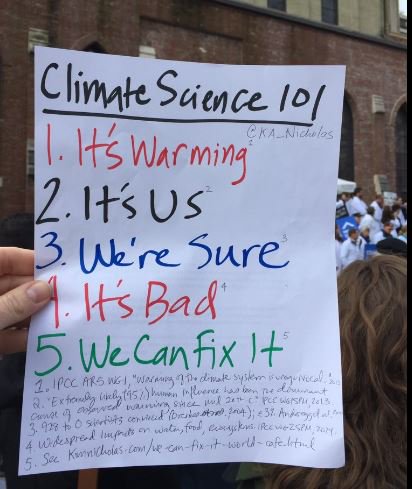
The March for Science’s date has been set for April 22nd. Nicole Forrester speaks to scientists planning to take part.

It’s fair to say the scientific community is spending a lot of time talking about the March for Science, due to take place on April 22, 2017. While organizers are preparing for events in Washington, D.C. and satellite locations around the world, scientists are evaluating their roles in politics and public outreach. I reached out to scientists and science supporters to discuss the march and the impact of recent political decisions on science, scientific policy, and our careers as scientists.

According to their website, the March for Science was founded as “a celebration of our passion for science and a call to support and safeguard the scientific community.” For many scientists, though, it’s about supporting the scientific process itself and advocating for its importance. Joel Sachs, an Associate Professor of Biology at the University of California, Riverside, says, “Science is just a way of learning about the world and is incredibly important to make predictions about what’s going to happen in the future — in terms of our climate, disease, and how to manage crops and livestock.

{credit} Bill McKibben/ Twitter: https://twitter.com/billmckibben/status/808791393569243140?lang=en{/credit}

Continue reading

Travel ban update: One week later

Elizabeth Goss updates us on recent developments with the US immigration ban

In the week following the US administration’s executive order on immigration, which included a travel ban for individuals from seven designated countries, we saw a flurry of activity and responses.

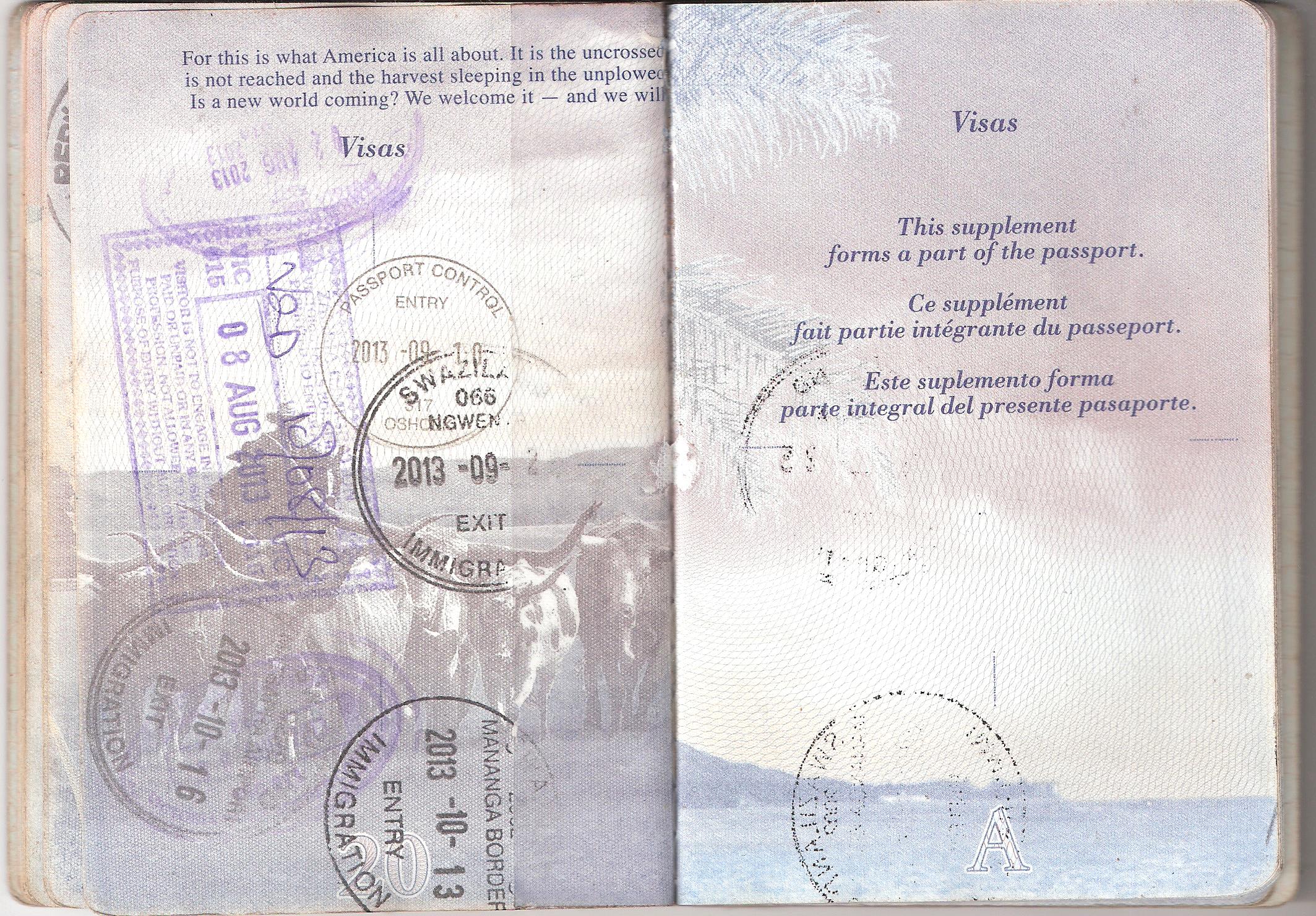
US_passport_extra_pages Continue reading

Donald Trump’s immigration ban and its impact on the scientific community

trumpmarch

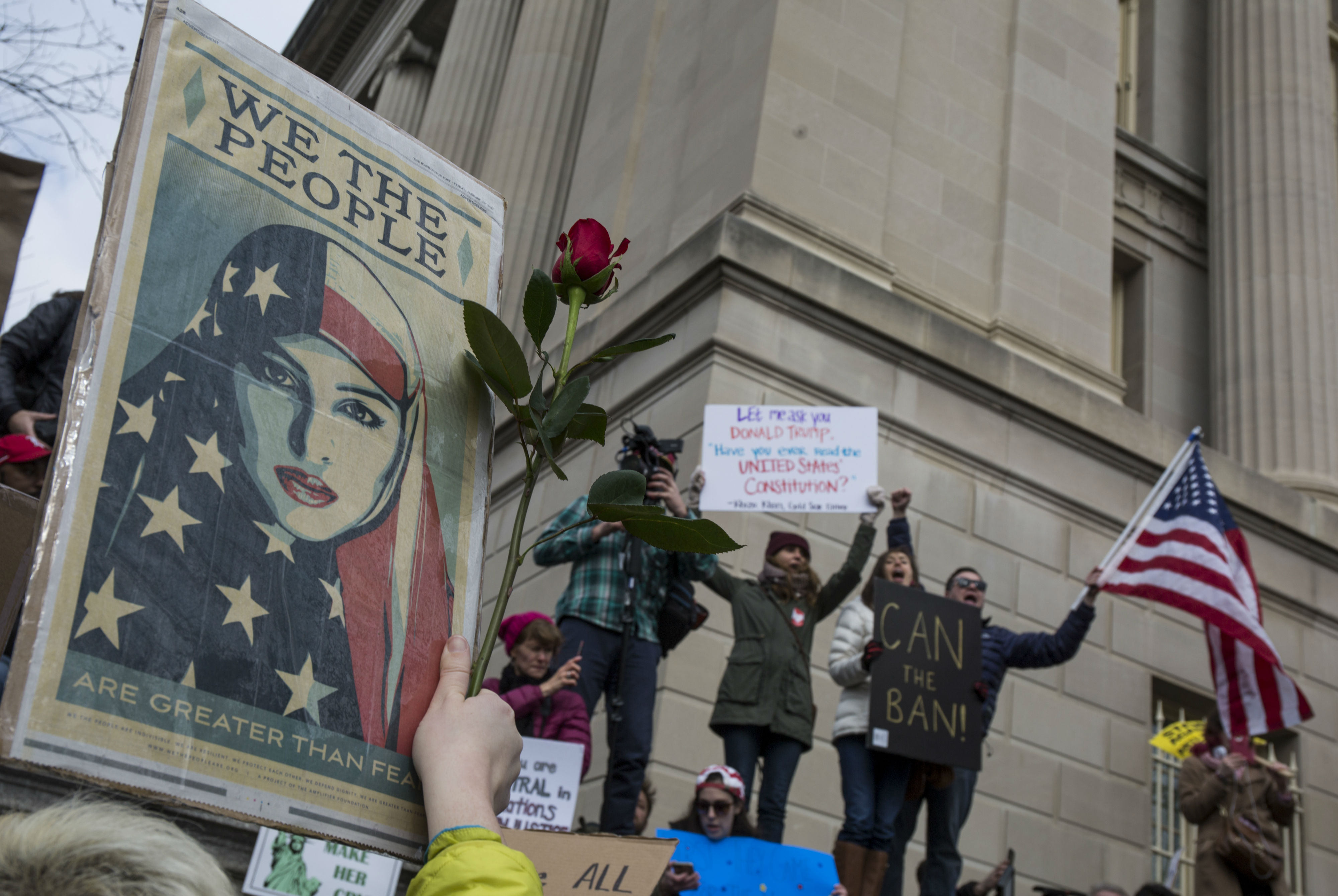
Demonstrators protest outside The White House on January 29 2017

Immigration attorney Brendan Delaney summarises the issues for scientists affected by the US travel ban.

Continue reading