From academia to Silicon Valley — and back

pexels-photo-77984-smaller

Although faculty members transition from industry to academia (and vice-versa), it’s rare to go back and forth. How does each setting help a researcher grow, and what skills are critical in both environments? Sam King offers his insight.

Five years ago, I left my tenured position in computer science at the University of Illinois at Urbana-Champaign to push myself intellectually and professionally in industry. During these years, I started a company (Adrenaline Mobility), sold my company to Twitter, worked as a software engineer, managed a two-person team, managed a 25-person organization, battled overseas fraudsters and fake accounts, and led a nine-month project (an eternity in industry) that ended up being the largest growth initiative in the history of Twitter. Continue reading

How mentoring stopped me giving up

IMG_2721.jpgm smaller

Credit: Helena Lee

It took excellent mentors and a key realisation for Helena Lee to get back on track towards a career in clinical research.

The idea of solving scientific questions that have never been answered before has always excited me — especially if that knowledge might go on to help someone medically. Despite this, I have come very close to giving up on a career as a clinician scientist. Continue reading

Time management: stressed science needs to slow down

time-life-product-email-management-inbox-1053475-pxhere-smaller

There’s no shortage of time management advice. Maybe it’s time to reconsider our approach, says Eileen Parkes.

A Saturday morning email from a senior professor arrives. A flurry of Reply All emails swiftly follow. Should I join in — show I’ve read the email on a sunny Saturday?

The academic life has a reputation for long hours. A recent global survey of academics makes bleak reading, with researchers describing ever-increasing workloads and struggles with work-life balance. Earlier this year, academics worldwide joined a Twitter argument about their working hours, with many agreeing that a 60 hour week was an expected part of an academic career. Continue reading

Reshaping the research landscape

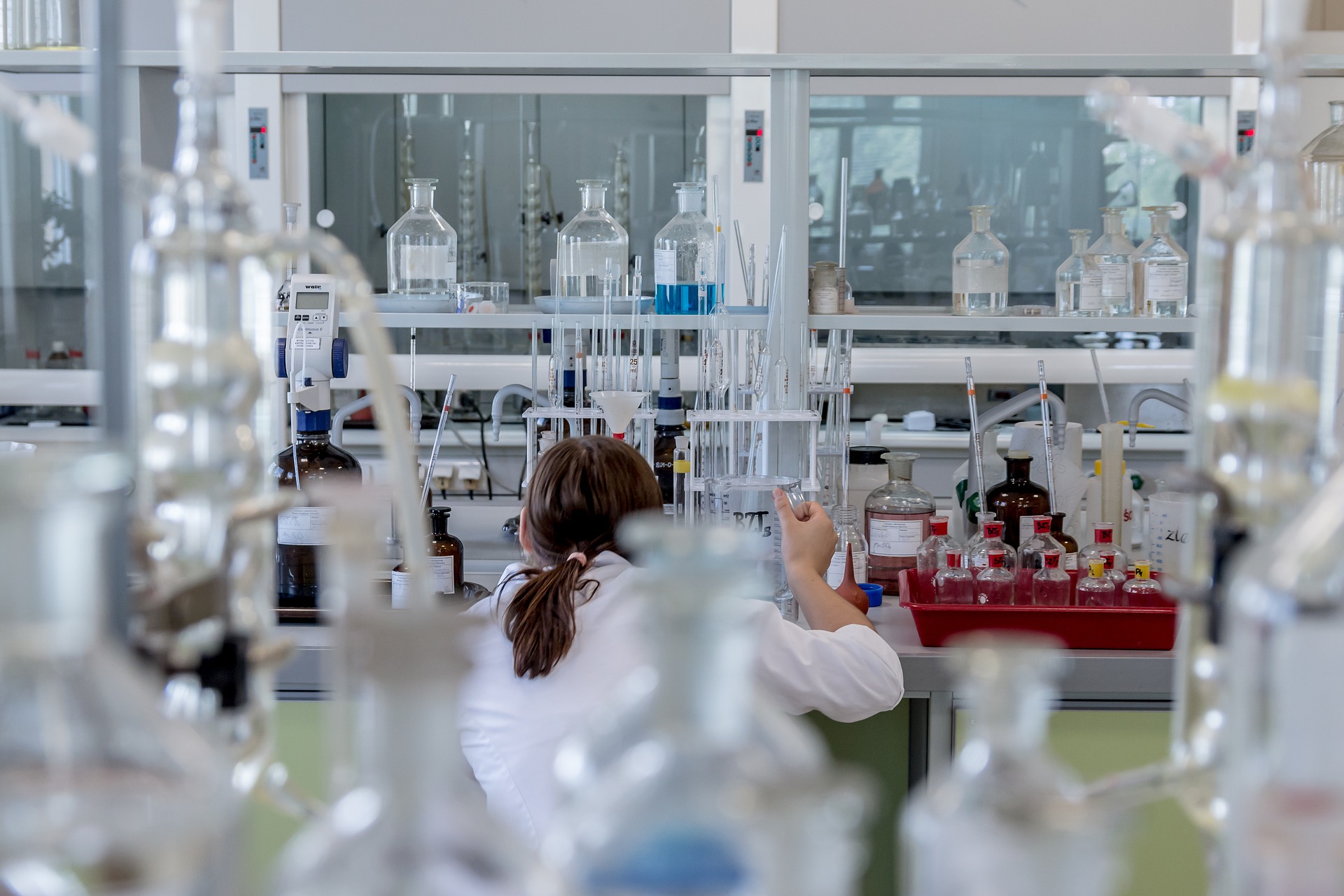
A 12 April report from the US National Academies of Sciences, Engineering, and Medicine offers ideas for reshaping the landscape of life-science research across all career levels in the US biomedical research pipeline.

laboratory-2815640_1920

The proposal from the advisory body in Washington DC calls for more career counselling at the graduate and postdoctoral levels, better data on career outcomes at those levels, three-year caps on postdocs under principal investigators and new non-tenure track academic research positions, among other changes. To implement all the proposals would require a US$2 billion increase to the US National Institutes of Health (NIH)’s budget, as well as subsequent budget raises to prevent future funding bottlenecks.

Continue reading

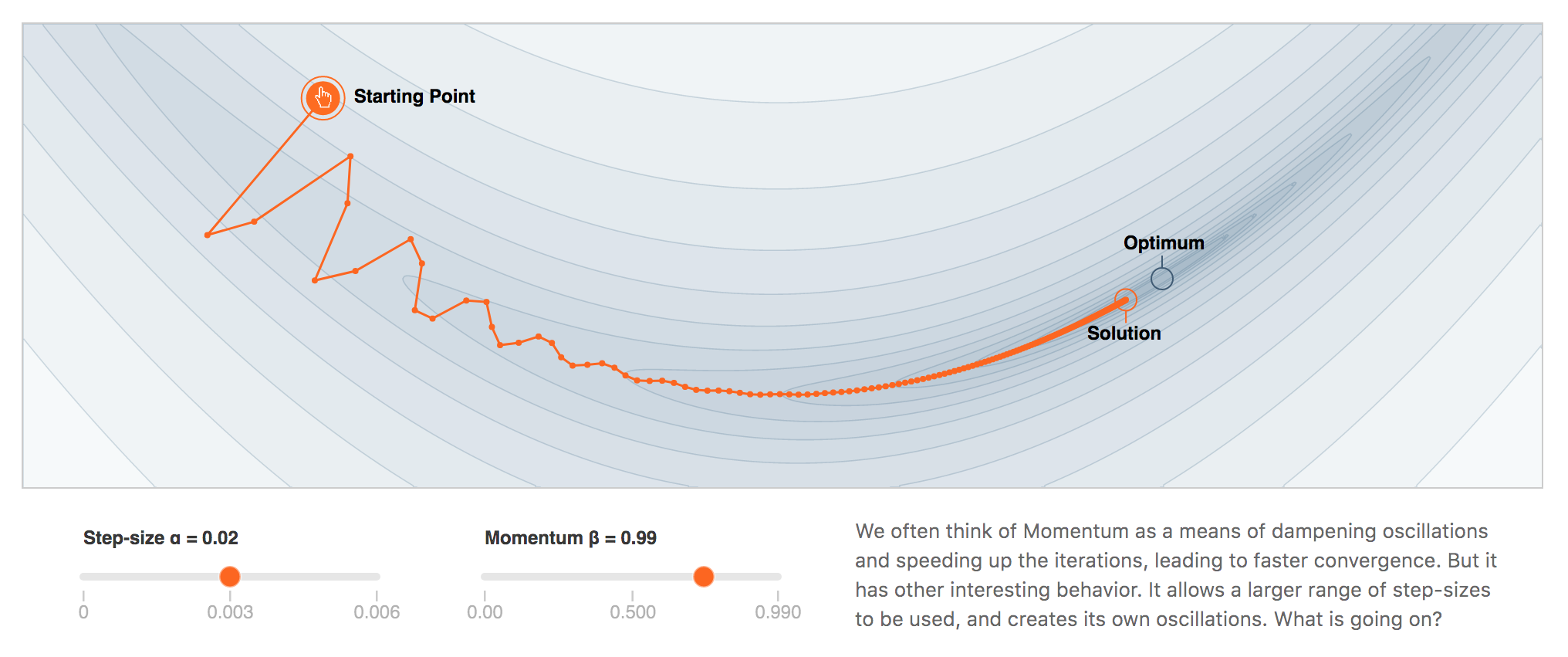
Machine learning gets a journal for interactive figures

Screen Shot 2018-04-13 at 11.31.07 AM

Distill wants to be a sandbox for what a scientific paper can be

By Anna Nowogrodzki

Sometimes it’s hard to understand someone else’s research through a static scientific paper. Across countless universities and companies, at whiteboards and cafeteria tables, you’ll find scientists in animated conversations explaining their research to one another, asking questions, playing around with each other’s data: in short, interacting. Across the internet in recent years, people have extended these explanations to include interactive graphics and code.

Now a web-only machine-learning journal called Distill aims to provide a formal home for these interactive graphical explanations, which in recent years have expanded to blogs and other online fora.

Continue reading

Put your email inbox on a low-spam diet

tumblr_nnzhjl7AAQ1uv17mmo1_1280Mark Clemons has published over 250 papers over the past two-plus decades, nearly all of them involving breast cancer. So imagine his surprise when Clemons, a medical oncologist at the University of Ottawa, Canada, received a flattering email inviting him to submit his work to, of all places, a journal focusing on yoga research.

Continue reading

Gender inequality in the sciences: Why is it still with us?

victorianwomenWomen make up 50% of our community. That should include science. There are simple steps universities and research institutes can take to make it happen, says Kate Christian.

When I was struggling though my double major in chemistry back in the early 1970s I was a rarity. I was one of two women. On the more difficult days, when the environment was feeling particularly male dominated or when I was being particularly patronized, I would try to imagine what it had been like for my grandmother when she was studying to be a doctor at the University of Sydney, straight after World War 1, or for her five sisters, who all trained for professional jobs. Compared to theirs, my situation was a breeze.

Continue reading

Podcast: How to be a consummate networker

networkingThere’s nothing sleazy about networking and it’s not just something to do at conferences, according to careers consultant Alaina G Levine.

It is a two-way process, she adds, an “honourable” exchange that builds capacity and contributes value. Levine, author of Networking for Nerds, shares her top tips, including the all-important “art of the follow-up.”

Peter Fiske says solid networking skills helped him to return to academia after 16 years in industry, most recently as CEO of Pax Water Technologies.

Peter also describes how academia has changed. “The intensity has gone up. People in research work so hard. Oh my God, they work all the time,” he tells Julie Gould. Continue reading