One in three graduate students are at risk of developing a common psychiatric disorder, and half of graduate students will experience psychological distress. Here’s how Rachel Frisbie helps manage the stress of graduate school.


The 2017 Better Science through Better Data event in London, UK, hosted by Springer Nature and Wellcome, was a full day exposé of emerging open data practices, tools, strategies, and policies. Among the potential benefits of open data are replicability, reproducibility, and reusability. While open data is a relatively new hype, some evidence suggests that open data does indeed increase reproducibility.



{credit}iStockphoto/Thinkstock{/credit}
{credit}Jeff Weiner/NYU Postdoctoral Affairs Office{/credit}
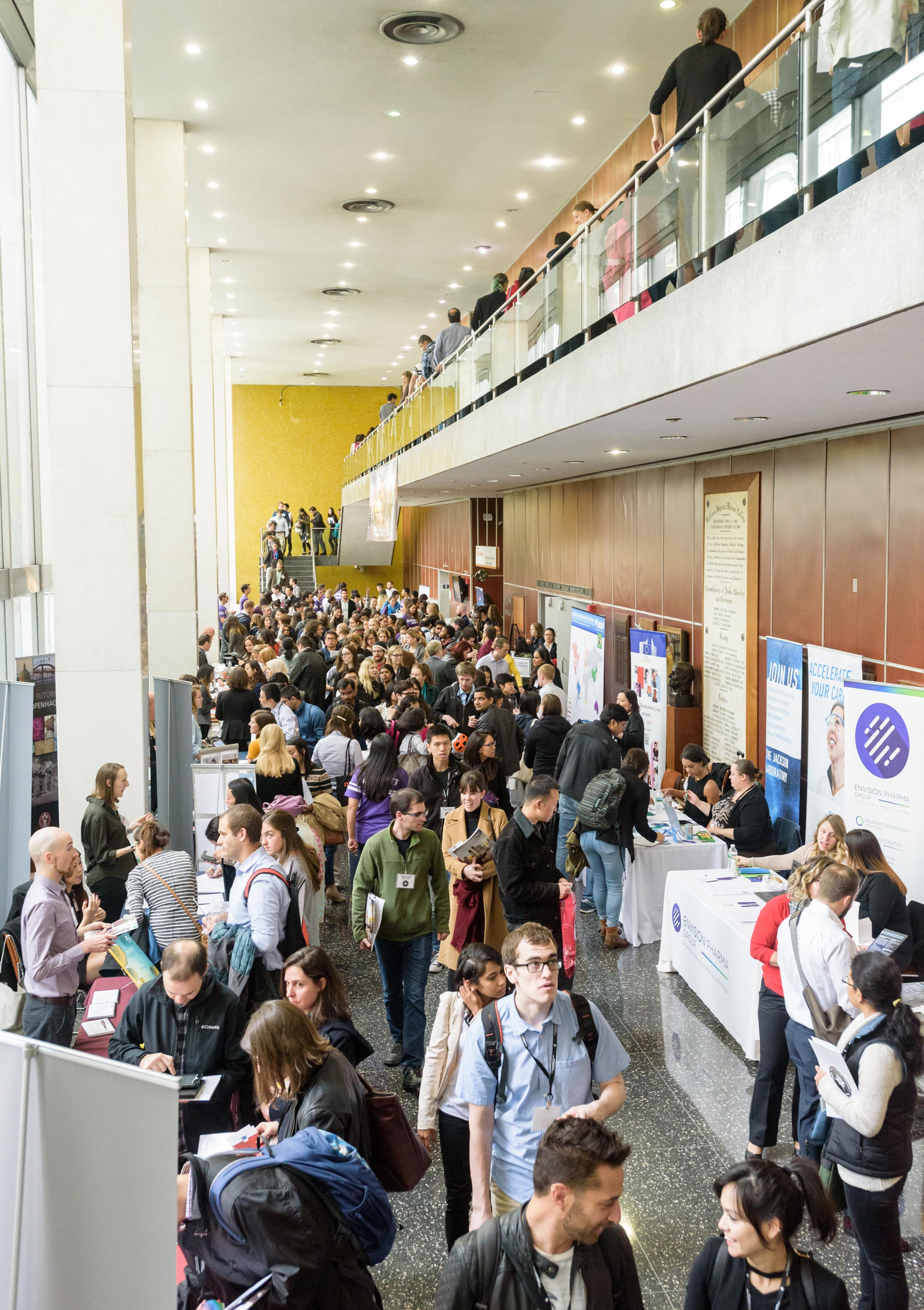
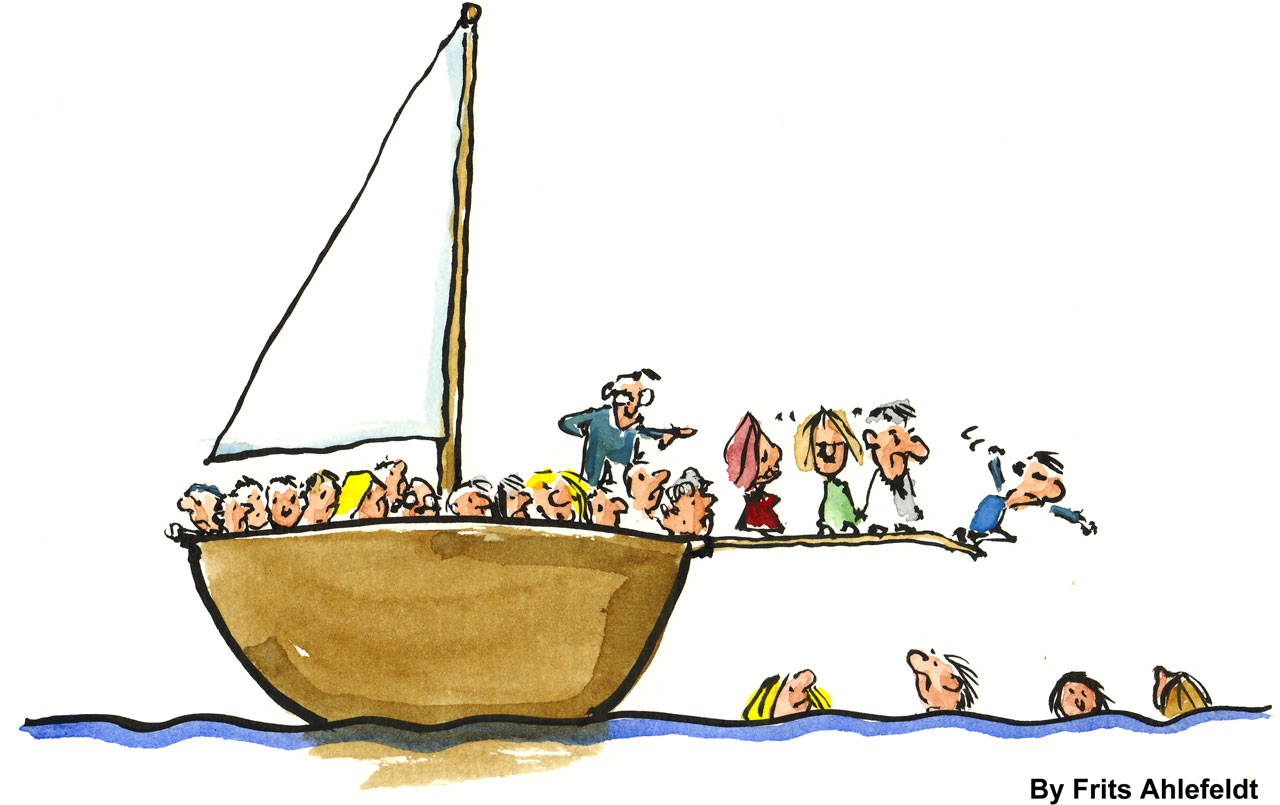
Job stability and a career in research are rarely put together. Science is a windy, grueling, uphill climb that might end abruptly at the edge of a cliff. Halloween is a particularly scary time for Australian scientists, as it signals the release of #NHMRC project grant results. Right now, many laboratories are facing difficult decisions due to rejected funding for next year. It’s not a surprise — we see it everywhere — yet it’s a shock that affects the entire scientific community. For early career researchers across the globe, it’s a timely reminder to carefully consider and plan for the future.
So, what are your options?
{credit}Screenshot/Jeffrey Perkel{/credit}
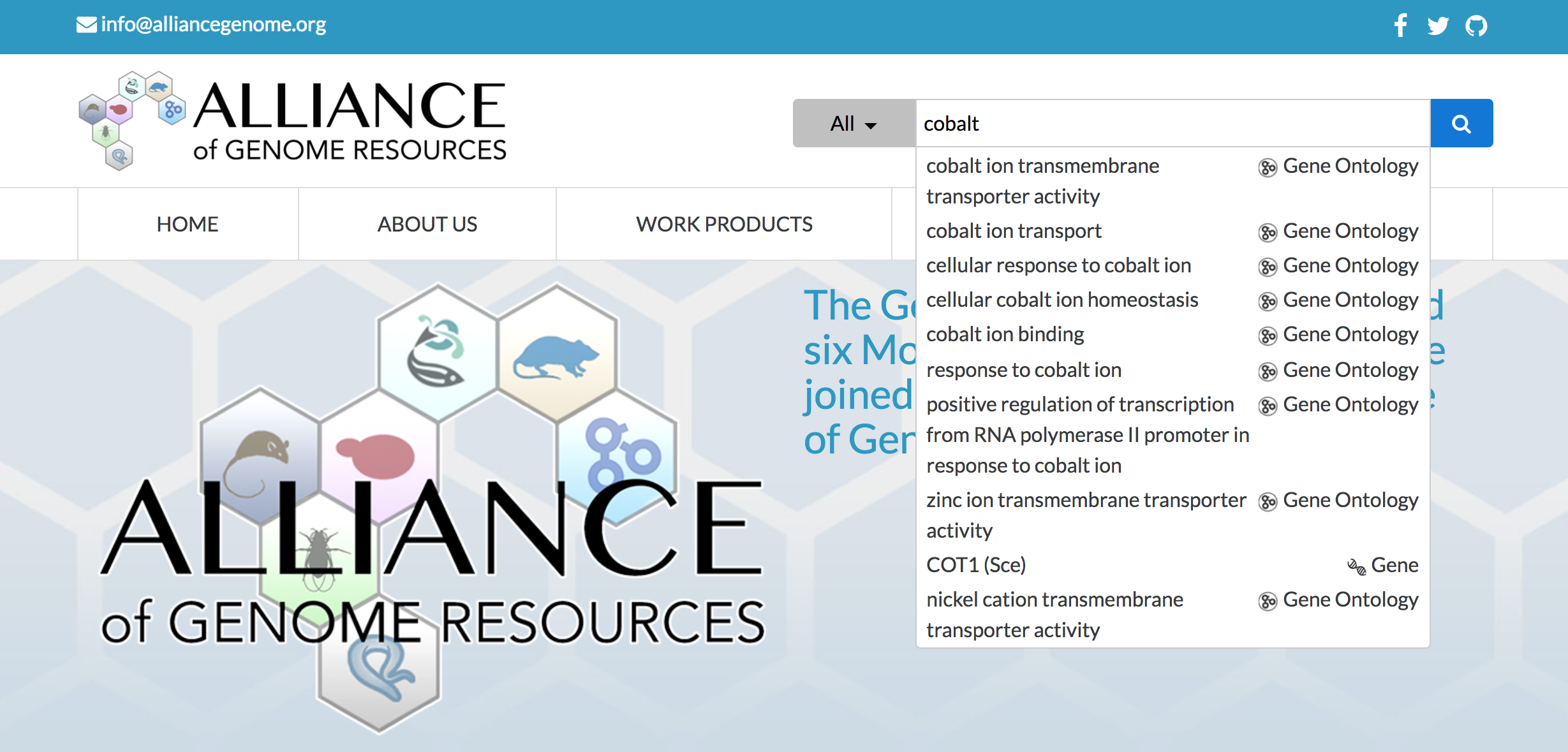
For decades, the research communities surrounding the major model organisms have each had an online place to call home. There’s the SGD, MGD, and RGD — the Saccharomyces, mouse, and rat genome databases, respectively; FlyBase and WormBase for Drosophila and C. elegans; and ZFIN, the Zebrafish Information Network.

By Paul Smaglik
Female candidates’ – but not male candidates’ — relationship status was a primary consideration in hiring committees’ discussions and decisions, according to study co-author Lauren Rivera, an associate professor at the Kellogg School of Management at Northwestern University in Evanston, Illinois. She found that committee members assumed that heterosexual female candidates whose partners or husbands held academic or high-status jobs could not relocate for the job, and excluded them from offers when the committee had viable male or unpartnered female options. Yet, she says, committees — whose members included women — rarely discussed male applicants’ relationship status and assumed that those candidates’ partners or wives would be able to move for the position if an offer were made.

{credit}Timothée Poisot{/credit}
Timothée Poisot recently travelled to London for MozFest 2017, “The world’s leading festival for the open Internet movement.” There, the quantitative and computational ecologist at the University of Montréal in Canada ran a session entitled “Scientific computing for the terabyte-less.” Here, he tells Naturejobs why life science research needn’t necessarily follow the Big Data model.