TechBlog: Git: The reproducibility tool scientists love to hate

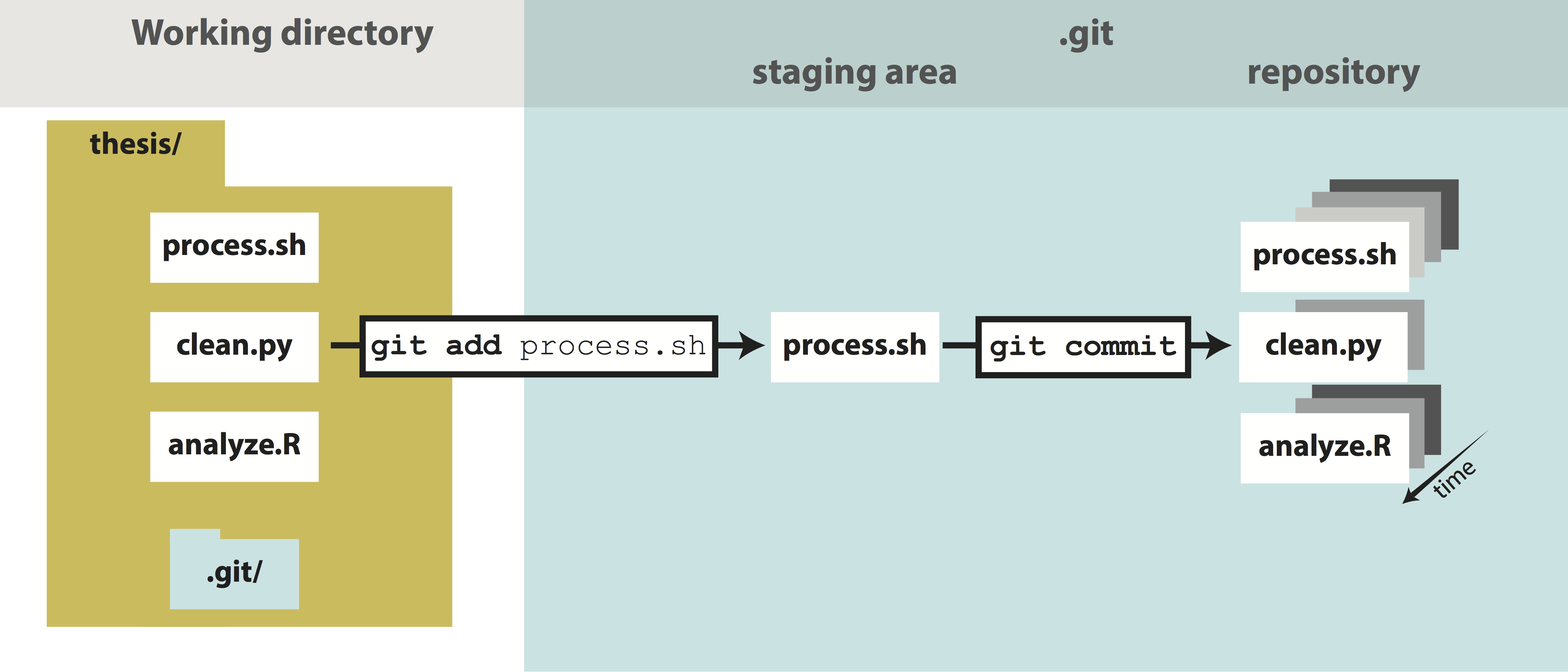
{credit}PLOS Comput Biol, 12, e1004668 (2016){/credit}

Early in his graduate career, John Blischak found himself creating figures for his advisor’s grant application.

Blischak was using the programming language R to generate the figures, and as he iterated and optimized his code, he ran into a familiar problem: Determined not to lose his work, he gave each new version a different filename — analysis_1, analysis_2, and so on, for instance — but failed to document how they had evolved.

“I had no idea what had changed between them,” says Blischak, who now is a postdoctoral scholar at the University of Chicago. “If the professor were to come back and say, ‘which version did you use to create this figure?’ I would have had no idea.”

Later, while attending a workshop on basic research computing skills, he discovered a better approach: Git.
Continue reading

Walking the walk: how the scientific community is embracing open data

Open data is the new normal, says Anastasia Greenberg.

Lots of people connected in hexagon pattern sharing data

The 2017 Better Science through Better Data event in London, UK, hosted by Springer Nature and Wellcome, was a full day exposé of emerging open data practices, tools, strategies, and policies. Among the potential benefits of open data are replicability, reproducibility, and reusability. While open data is a relatively new hype, some evidence suggests that open data does indeed increase reproducibility.

Continue reading

Five things you can do today to make tomorrow’s research open

Early career researchers have an essential role to play in the move towards open research, says #SciData17 writing competition winner Sarah Lemprière.

Data-sharing-naturejobs-blog

Continue reading

Turning scientific scrutiny on science itself

A proactive approach could help researchers contribute to solving many of the problems they encounter in academia

Naturejobs journalism competition winner Jiska van der Reest

microscope-385364_1920

Continue reading

To improve reproducibility, listen to graduate students and postdocs

The National Institutes of Health (NIH) should implement a national exit interview portal to collect feedback from mentees on their experiences.

Funding agencies should not penalize poor performers; instead they should reward good mentorship, says Ahmed Alkhateeb

Continue reading

Ask not what you can do for open data; ask what open data can do for you

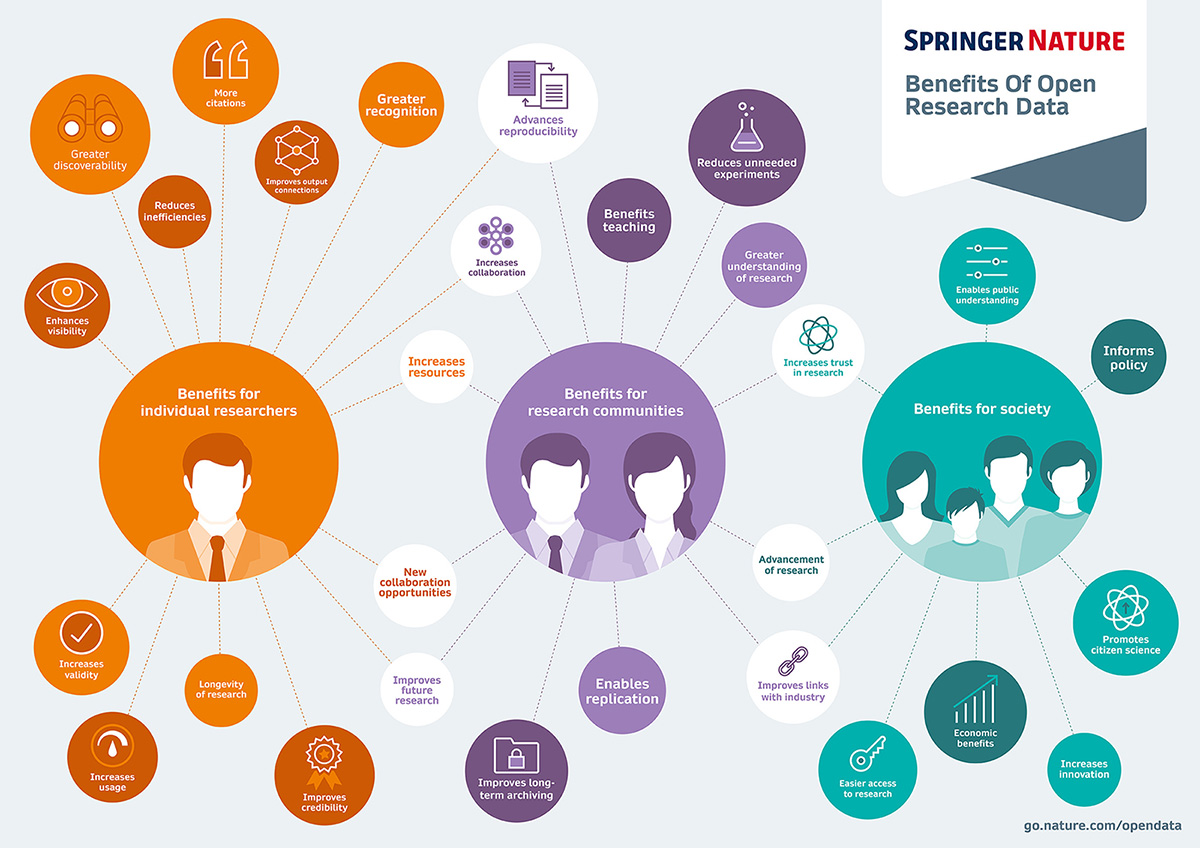
Mathias Astell, marketing manager for Scientific Data and Scientific Reports, outlines the benefits of open research data and provides some tips and tools researchers can use to make their data more open.

It has been shown that research articles receive more citations when they have their underlying data openly linked to them. With this in mind, it’s time to consider not just the ideological reasons for making research data open, but the selfish benefits of openly sharing data that all researchers can (and should) be taking advantage of.

mat1

This infographic can be downloaded under a CC-BY licence here

And as an increasing number of funders mandate data sharing, and publishers start implementing more consistent data policies at their journals, it is worth seriously considering how and why you should make the research data you generate more openly available. Continue reading

TechBlog: My digital toolbox: Lorena Barba

Lorena Barba; © Eleanor Kaufman 2013.

Lorena Barba, a mechanical and aerospace engineer at George Washington University in Washington, DC, has long championed research reproducibility. In January, she traveled to Chile to run a weeklong course on reproducible research computing; the month before, she was awarded a 2016 Leamer-Rosenthal Prize, which celebrates those “working to forward the values of openness and transparency in research.” Here, she talks about flying snakes, “repro-packs,” and copyright.

Continue reading

#scidata16: Boost research and avoid embarrassing retractions by working openly and reproducibly

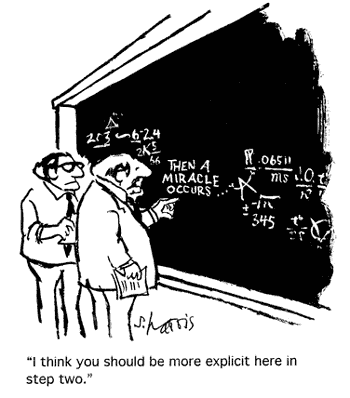
Experiments fail to be reproduced, research data from others is hard to come by, and steps between data and figure are described as ‘here, a miracle happens’.

Speakers at the Publishing Better Science through Better Data (#scidata16) conference addressed these issues and more.

Publishing Better Science through Better Data journalism competition winner Réka Nagy.

Most research happens behind closed doors, and the results can only be gleaned once they’ve been published. The raw data that lead to results, however, are rarely made public, and the steps taken to get from data to figures in a publication is not always clear, which has led to the reproducibility crisis currently facing research. It’s clear that something needs to be done to address this, and the ever-inventive collective mind of science is finding inventive solutions.

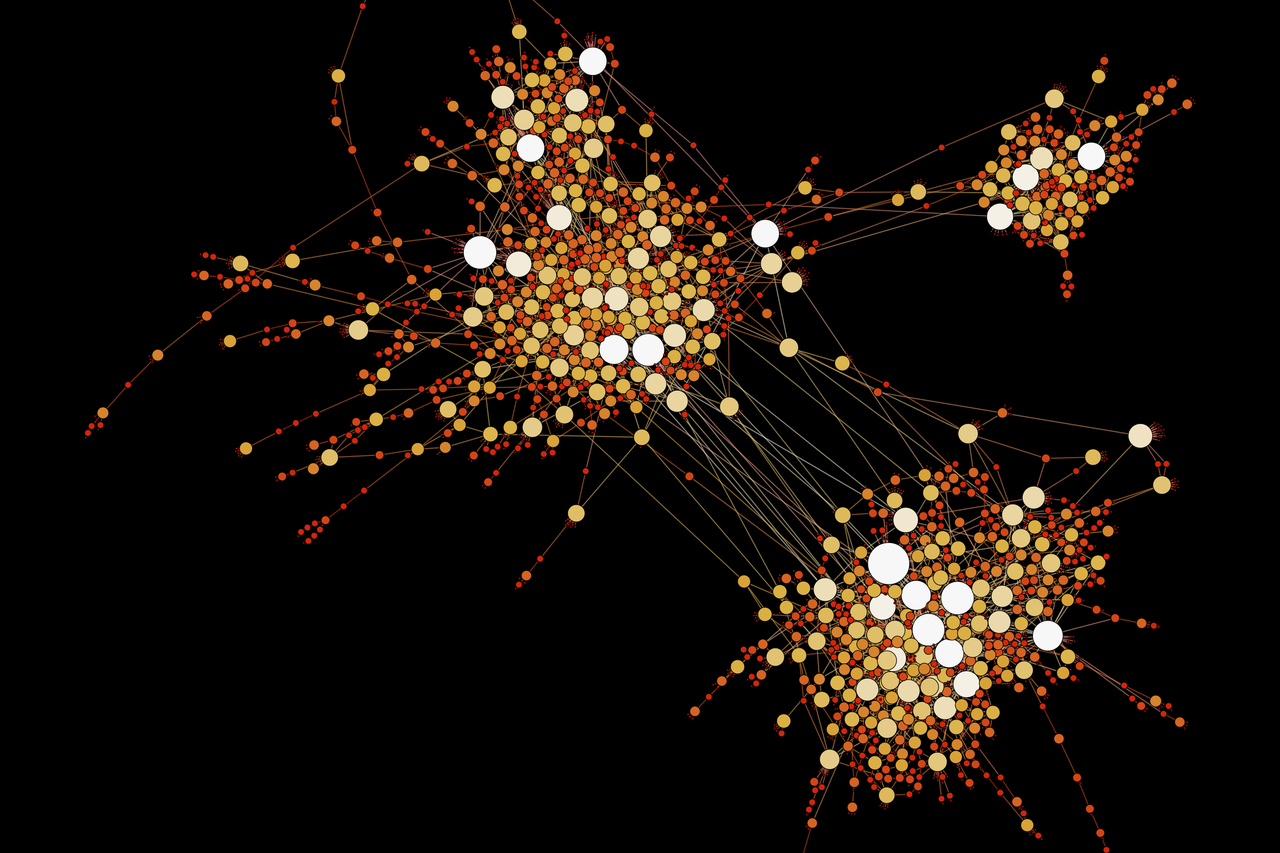
Network_Visualization

The steps taken to get from data to figures in a publication is not always clear {credit}SlvrKy/Wikimedia Commons CC-BY-SA-4.0 {/credit}

Continue reading

Why should we work so hard to make our work reproducible?

Most scientific work isn’t reproducible. Andy Tay explains why that’s a problem.

The call for reproducibility has never been stronger in the history of science. Since two major pharmaceutical companies, Amgen and Bayer, reported in 2011/12 that their scientists were unable to replicate 80-90% of the findings in landmark papers, scientific news outlets have caught up on the issue. Their reports have catalyzed conversations among stakeholders (policy makers, funding agencies and scientists) to improve reproducibility in science.

Copyright: LEGO

{credit}LEGO{/credit}

There are a lot of reasons why reproducibility is so important, and why Amgen and Bayer’s results caused such controversy. I’ll start at the individual level. Continue reading

Why don’t scientists always share their data?

Reproducibility is the cornerstone of science, and it can be compromised by insufficient data in peer-reviewed publications. Should scientists reveal everything?

Publishing Better Science through Better Data writing competition winner Emma Vander Ende.

One of the foundations of science is its reproducibility. Without it, results are not verifiable and are therefore not believable. But even if a published result is true, there is a chance it might not be reproducible, which introduces a plethora of problems for science.

Irreproducible experiments severely limit the ability of the scientific community to build on results and advance the field. This can happen when scientists don’t share enough data, or details of their experiments in papers, and it happens quite frequently.

So why might a scientist not share their data?

drugs

{credit}Comstock/Thinkstock{/credit}

Continue reading