Postdocs and early-career researchers: be more than a name on a website

After a few months working as an associate editor at Nature Photonics, chief editor Oliver Graydon asked Gaia Donati if the role was what she had imagined it to be. She answered that in most aspects it had, with one significant exception: she hadn’t realised that finding referees to assess submitted manuscripts would be such a daunting task. Here, Gaia urges peer reviewers to make things easier by setting up a personal web page outlining their research experience and interests.
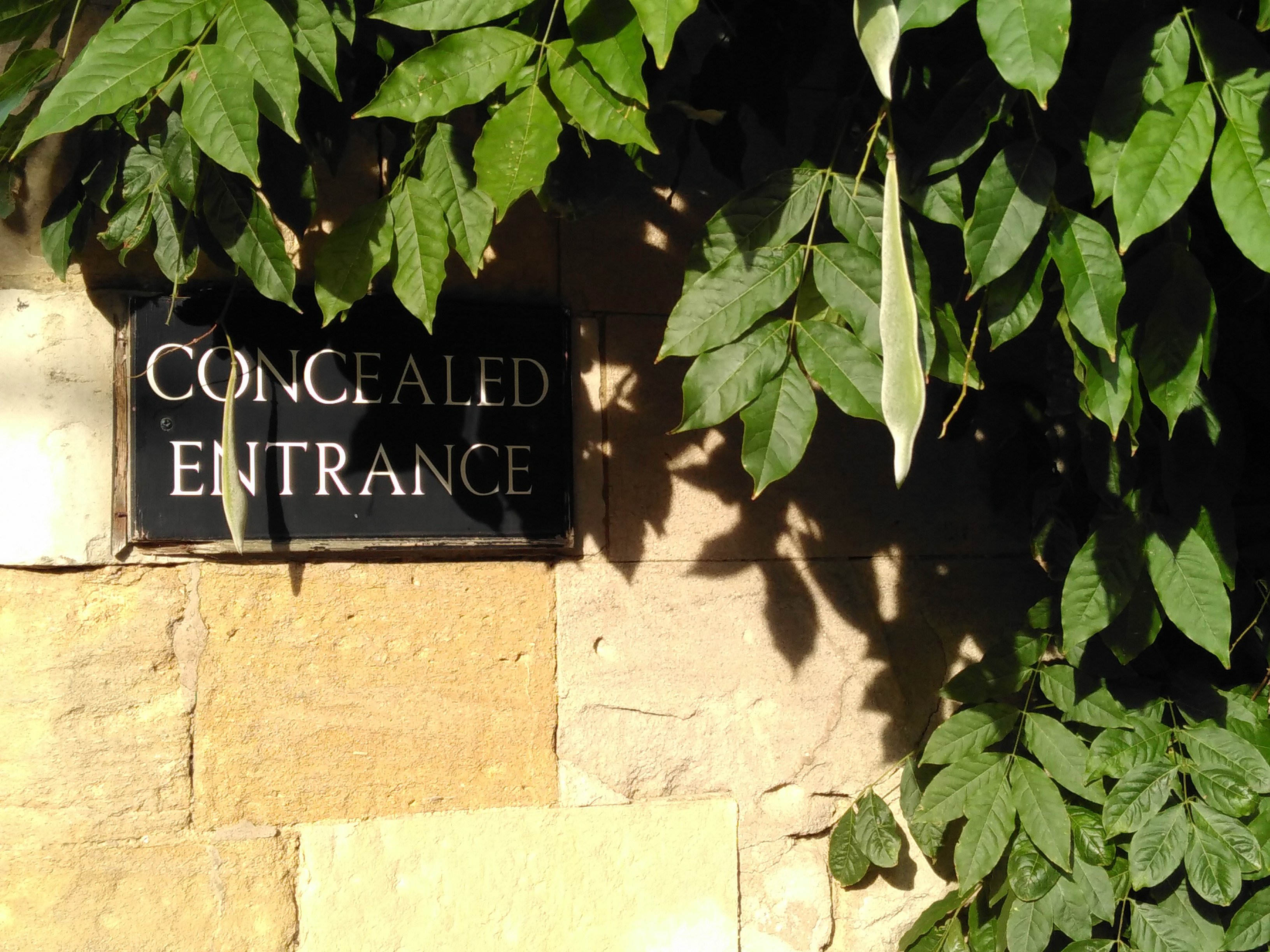
ConcealedEntranceGD

Don’t stay in the shade, says Gaia Donati {credit}Patrick Michelberger {/credit}
Continue reading

Why should we work so hard to make our work reproducible?

Most scientific work isn’t reproducible. Andy Tay explains why that’s a problem.

The call for reproducibility has never been stronger in the history of science. Since two major pharmaceutical companies, Amgen and Bayer, reported in 2011/12 that their scientists were unable to replicate 80-90% of the findings in landmark papers, scientific news outlets have caught up on the issue. Their reports have catalyzed conversations among stakeholders (policy makers, funding agencies and scientists) to improve reproducibility in science.

Copyright: LEGO

{credit}LEGO{/credit}

There are a lot of reasons why reproducibility is so important, and why Amgen and Bayer’s results caused such controversy. I’ll start at the individual level. Continue reading