Most read on Naturejobs: January 2016

With another year behind us, and 91.67% of it yet to come, it’s time to look back on the content from Naturejobs that you all most enjoyed this month. We’ll get straight to it.


10. Making a simple and engaging grant application was one of the most important things for our readers this month, with Viviane Callier talking us through the process of building a message that conveys your science well, as part of our ongoing faculty series.


9. Monya Baker and Gautham Venugoplan sat down to have a chat last month, and they were good enough to share it with us. Here, Gautham describes switching careers from bioengineering to consulting, and explains how he still uses his scientific training daily.


8. The Jobs of the Future initiative (JOF) is a platform that will allow scientists to present what new jobs they think are coming to us in 2030. Michael Fischer and Mandë Holford talk about the genesis of the idea, and why they think it’s important.naturejobs-reads
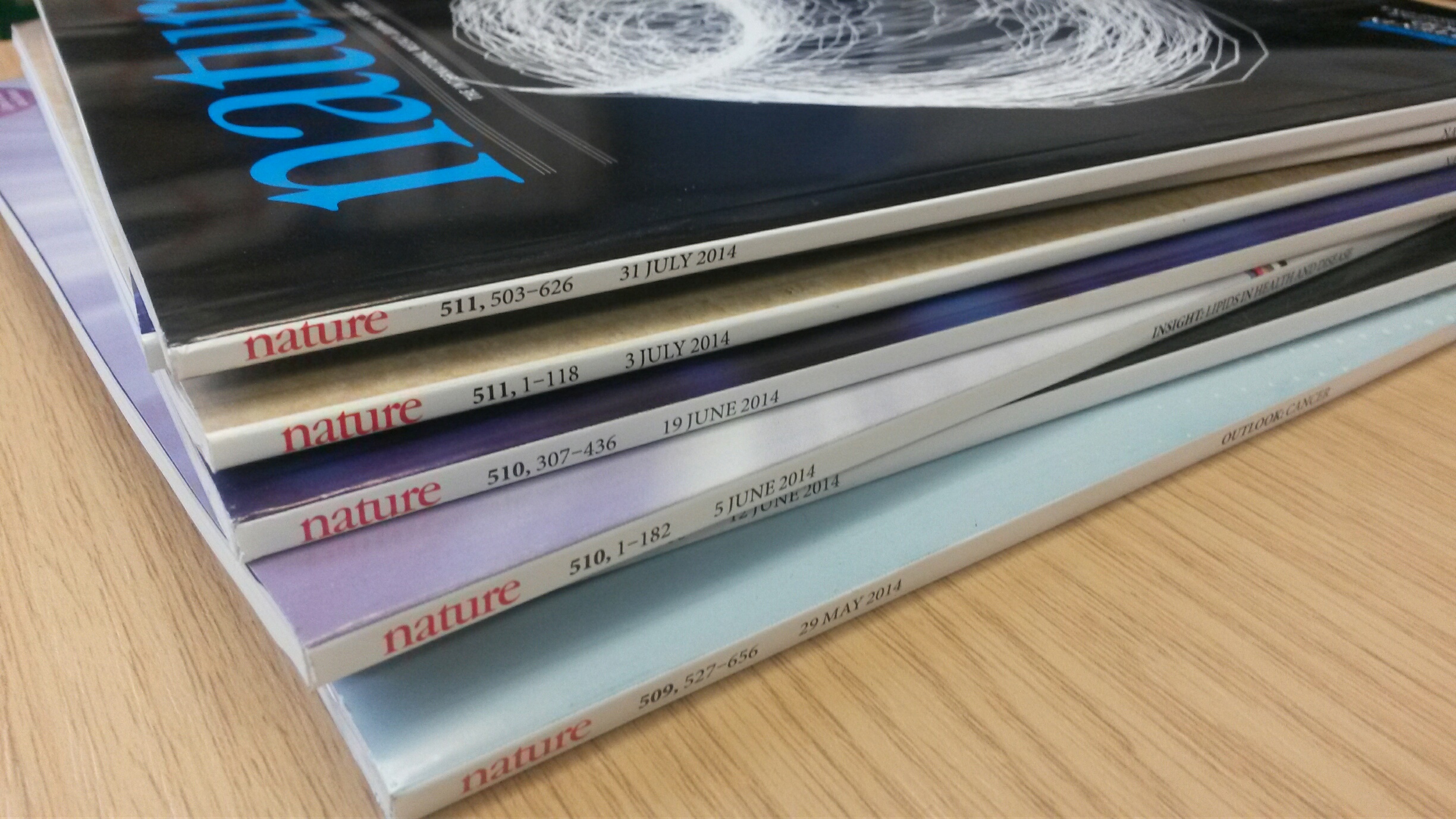
 

7. Eli Lazarus talks us through how an iterative digidynamic cross-platform publishing process synergizes innovation across multiplatform research space. Whoops, sorry – how writing together bridges disciplines and cuts jargon.


6. From 2008 to 2011, Andrew Simons led a programme in Ethiopia for a US-based non-profit relief organization. After that he got a PhD in applied economics. Here he talks to Virginia Gewin about his career path and plans for the future.

 

Continue reading

A Masterful decision

Many universities now offer master’s programmes in science-related subjects. These can be a great springboard to a new career.

Guest contributor Simon Hazelwood-Smith


SHSpic2

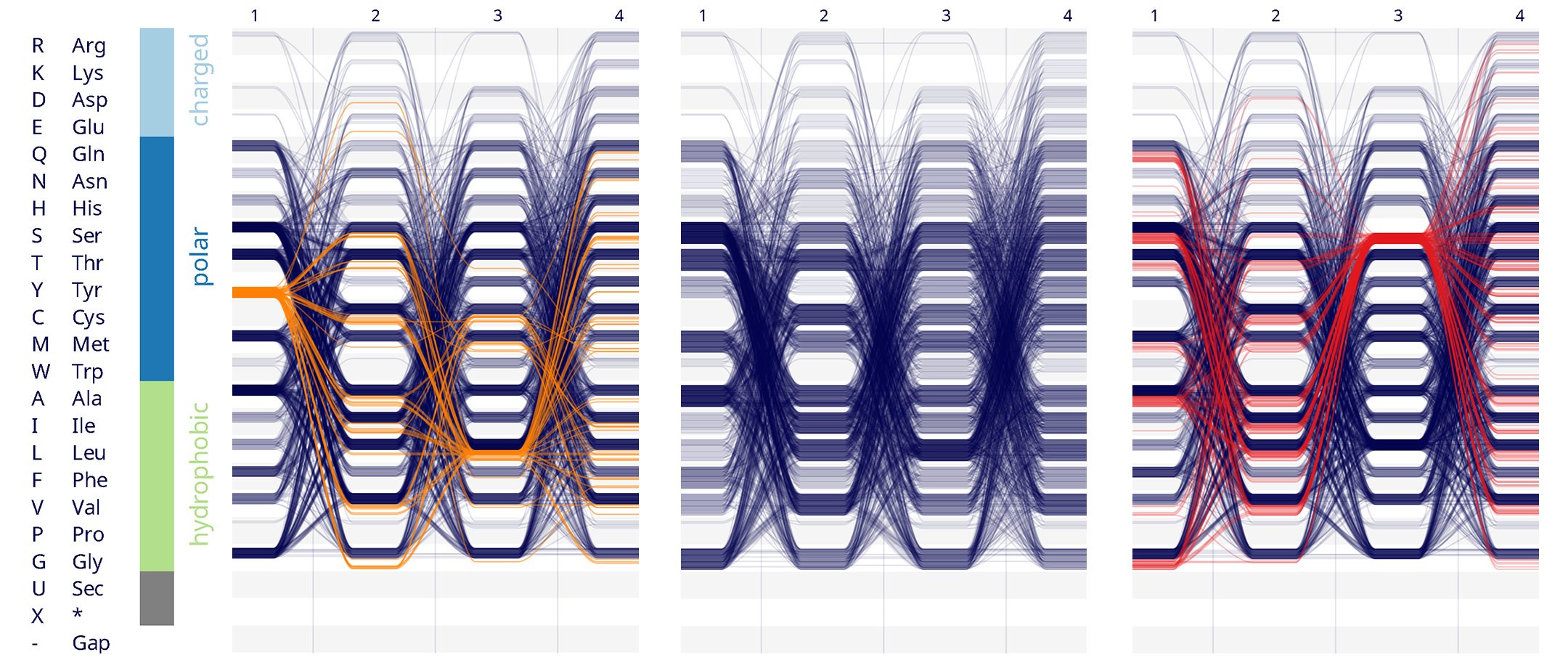
Sequence Bundles: A new method of visually displaying sequence data developed by Science Practice, where Simon works

There have never been more ways to be employed in science. Today, science is communicated, critiqued, shaped, applied and incorporated into political decisions by a multitude of people who rarely – if ever – set foot in a laboratory. For the organisations that work in these areas, there are tangible benefits to have employees with scientific experience. However, knowing how, when, and if to make the move into these areas is often a challenge for many young scientists. Continue reading

The faculty series: Top 10 tips on managing your time as a PI

Good lab organisation is the best way to keep your research output up, and your stress levels down.

Becoming a new faculty member is, as we’ve discussed in this series, hard. You have to demonstrate a cornucopia of scientific, interpersonal, organisational and management skills, and plan out high-level research regularly. Good science is the ultimate goal of this, and for your lab to produce good science, you have to make sure that all of the cogs in your research machine are turning smoothly.

With that in mind, here are ten tips that will help your lab stay organised, so you can focus on the research. That’s why you’re in academia, after all.

1. Keep a detailed calendar and stick to it
A good calendar will be the single most important thing to you when it comes to time management – keep it updated regularly, and share it with your colleagues so they know your availability. If you want some time for ‘open’ work – reading or writing or data analysis – make sure to schedule this on your calendar as well.

2. Standardise every group member’s output
Make templates for documents like progress or experiment reports, and encourage the entire lab to use them. It may take you a while initially, but it will save everyone in your lab a lot of time once they’re all working off of the same documents.
Close-up of a calendar. Organiser. Scheduling. Wall planner. Days of the month. Year planner. Grid. Squares. Calendar. Timetabling.

3. Use a shared, organised filing system
Instead of everyone shooting emails back and forth asking for this or that piece of information, encourage your lab to use a shared filing system that everyone knows how to use. Keeping it organised is just as important as actually having the system in place, so spend some time working out the best way to structure everything with your lab members. Continue reading

Naturejobs career expo: What a day among classic cars told me about my future career

Lessons can be learned from the cars that crowded the background at the Naturejobs Career Expo in Düsseldorf, says Thais Moraes.

Guest contributor Thais Moraes


On the 26th of November in Düsseldorf, the Naturejobs career expo took place at the perfect venue. The Classic Remise center displays a collection of classic and historical cars that we all admired during the short breaks at the event.20151126_133138-edit

It was my first time at a career fair, and my first impression was that there were only young people there, starting the ignition in their professional lives. Since I already have many years on the road, I didn’t think it was for me. I was completely wrong: after listening to the talks, I was reminded that I don’t need to keep driving in the same direction just because it’s a road I’ve already started down.

The environment could have been just novel and enjoyable, but it also made me think about my future career plans, especially the fears and challenges that arise when you go for something new. There are four things that these machines brought to my mind.

Continue reading

Finding job satisfaction as a science strategist

After completing his PhD and postdoc at The University of California, Berkeley in the biophysics of cancer cell growth, Gautham Venugopalan completed a science policy fellowship sponsored by the American Association for the Advancement of Science (AAAS). He describes how that experience led him to a job as an analyst at Gryphon Scientific, a consultancy focused on public health and national security.

Tell me how you planned your career path.

I could tell you a story that I thought I should do this, and then I thought I should do that, and it all prepared me for this grand thing. But let’s be real. That’s not how that works.

Venugopalan Head Shot-2

{credit}Richard Novak{/credit}


Why did you get a PhD?

I have a history of just jumping off and doing things that I’ve never done before.  I went into the biology program in my senior year. And I decided to try grad school. At the time I was thinking, all these programs that I’m applying to are really solid, I’ll have an interesting skill set that I can use to do something, and I’ll work that out.


Did you do much outside the lab during your training?

I ended up starting a nonprofit in grad school with a few of my friends. I spent time at the career center at UCSF; I did a fellowship at the U.S. State Department.

Continue reading

The faculty series: A case study

Be pro-active and prepare for long shifts if you want to land a lectureship. That’s how Samantha Terry did it.

Guest contributor Samantha Terry

I have been a scientific researcher for the past 10 years and started as a lecturer at King’s College London in September 2015. Friends said I did well to land my dream job at 30 at a great university. They’re right; but it wasn’t an easy road to get to where I am today.

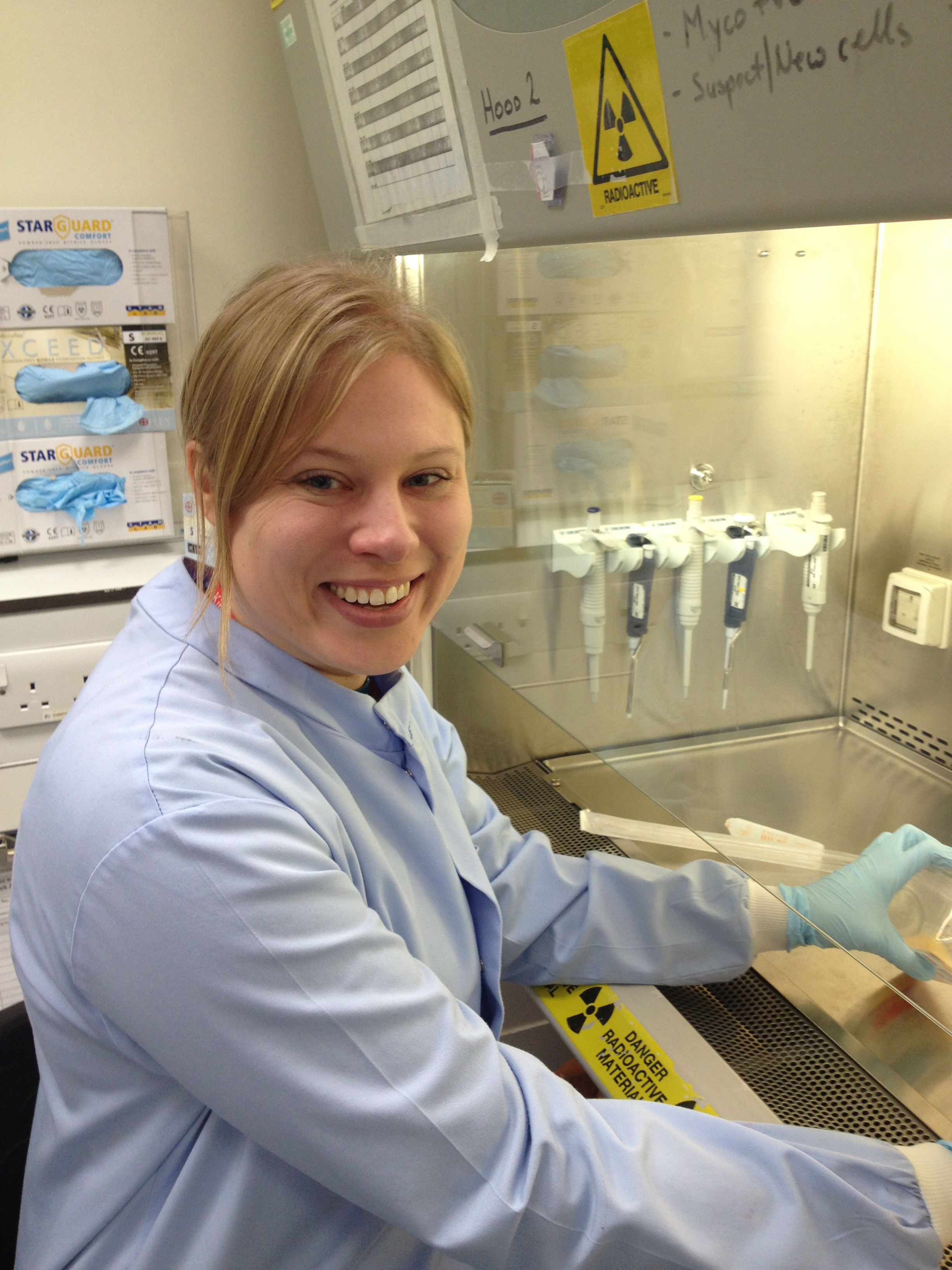
photo me in lab-2

Samantha in her lab

I completed my undergrad in cell biology in 2006, went straight into a 3-year PhD in radiobiology, and then completed three short postdocs at the University of Oxford, at the Radboud University Medical Centre in the Netherlands and finally at King’s College London.

As with any job, during my postdoc I was surrounded by friends and colleagues who, like me, all wanted to move up and land that most sacred of jobs: a permanent research position in academia. We often discussed what employers were asking during interviews for lectureships and how we could maximise our chances of becoming a lecturer. Here’s what I’ve learned so far.


Continue reading

Jobs of the Future: What will a science career look like in 2030?

Scientists should be the ones designing the jobs of the future, say Michael Fischer and Mandë Holford. The Jobs of the Future initiative enables them to do so.


The modern growth in cross- and multidisciplinary research in academia has already had huge impact on the world around us, and is set to reshape the jobs market for scientists globally. With this in mind, the UN recently announced their 2030 Sustainable Development Goals (SDGs), which includes the goal to create jobs with competitive salaries that lead to sustainable economic growth. We believe young scientists should be the ones establishing the new fields and areas of employment for the future, to address the 2030 SDGs.


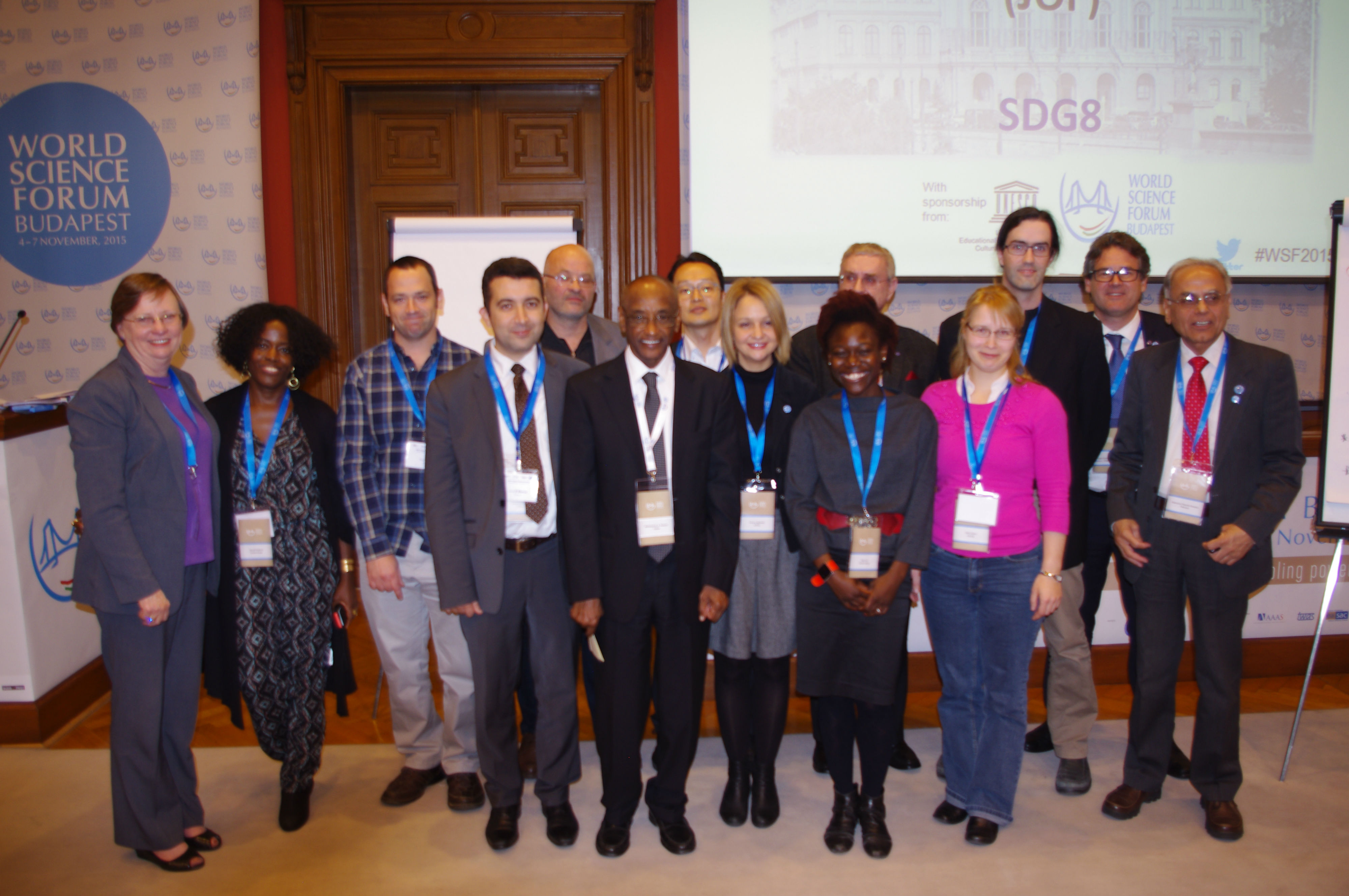
JOF-2

The JOF team

The Jobs of the Future (JOF) initiative will provide a platform to do just that – it’s a that allows young scientists and engineers to describe their dream job of the future.


To answer this call, a group of early career scientists and engineers at the 2015 World Science Forum pitched ideas on tangible ways to address the SDGs to a panel of international judges composed of high profile decision makers from UNESCO, InterAcademy Panel, and The Academy of Science of South Africa. The winning pitch, made by a team including the authors, was the JOF initiative.


Continue reading

Finding job satisfaction in a health nonprofit

After advanced training in psychology, neuroscience, and endocrinology, Lana Gent found job satisfaction as a director of science at the American Heart Association in Dallas. Here she describes what the job entails and how it uses her scientific training in a very different setting than a lab.

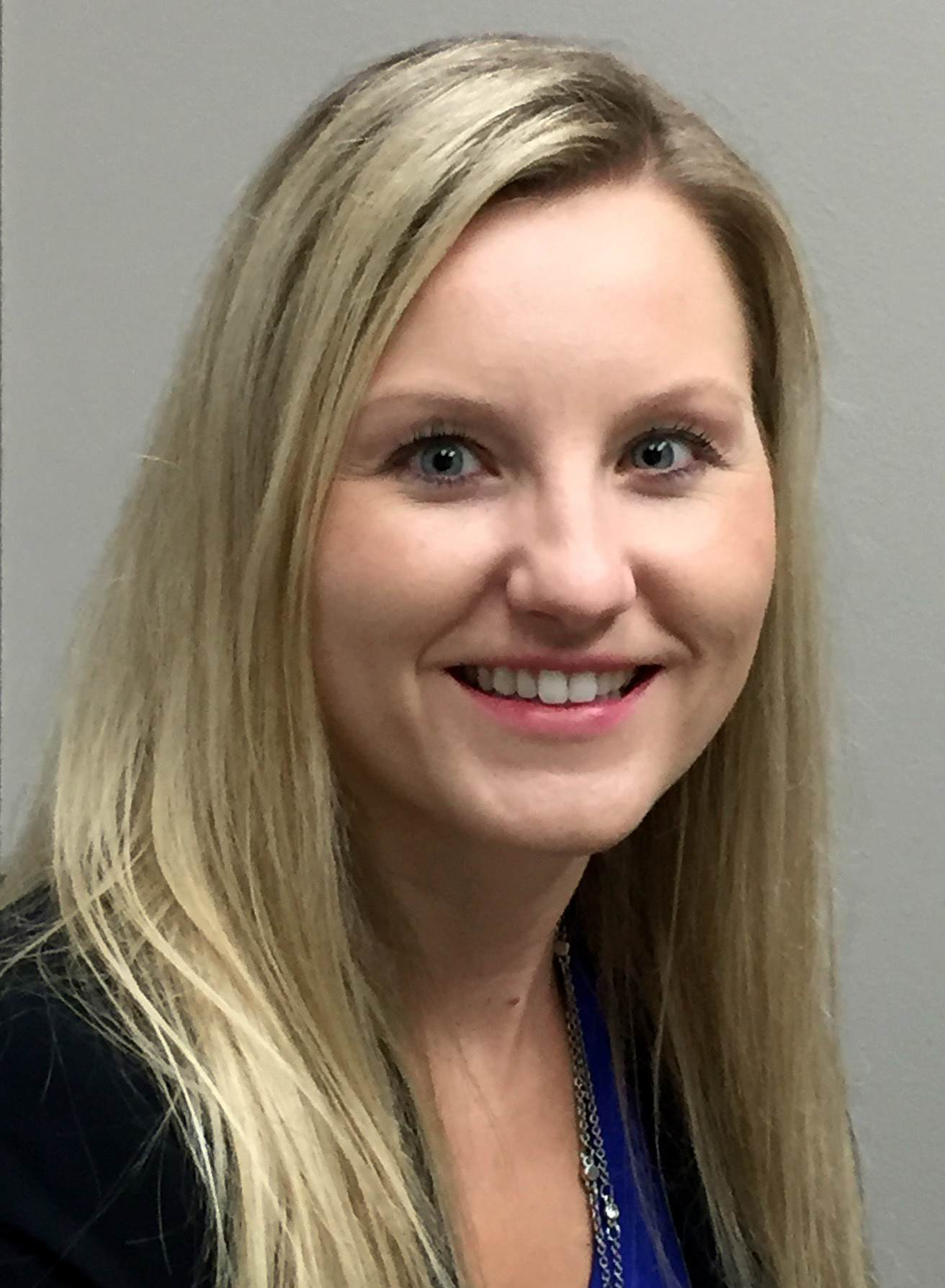
Tell me about your academic training.Lana_Gent_CM-2

I started in phenomenological psychology, looking first at chimpanzees in a zoo and then how dogs were making decisions based on social influences from their species. I did that throughout my graduate school career at the University of Texas at Arlington, but there aren’t a lot of jobs in the consciousness of animals. So I started research in neuroscience at UT Southwestern Medical Center, doing stereotactic surgery on rats and mice, to understand what was happening in the brain during cocaine addiction.

After a complicated pregnancy, I decided to stay home with my daughter for a year.  I went back to UT Southwestern in a different lab—my surgical skills were in high demand —this time looking at the effect of estrogen on metabolic syndrome.

Continue reading

The faculty series: Applying for grants

A successful grant application is dependent on making your science and your message clear, says Viviane Callier.


Guest Contributor Viviane Callier


For many new investigators, applying for and winning grants is one of the biggest hurdles that will determine success on the tenure track. As federal grant budgets tighten, all investigators — and especially new investigators — are struggling to find ways to finance their research.


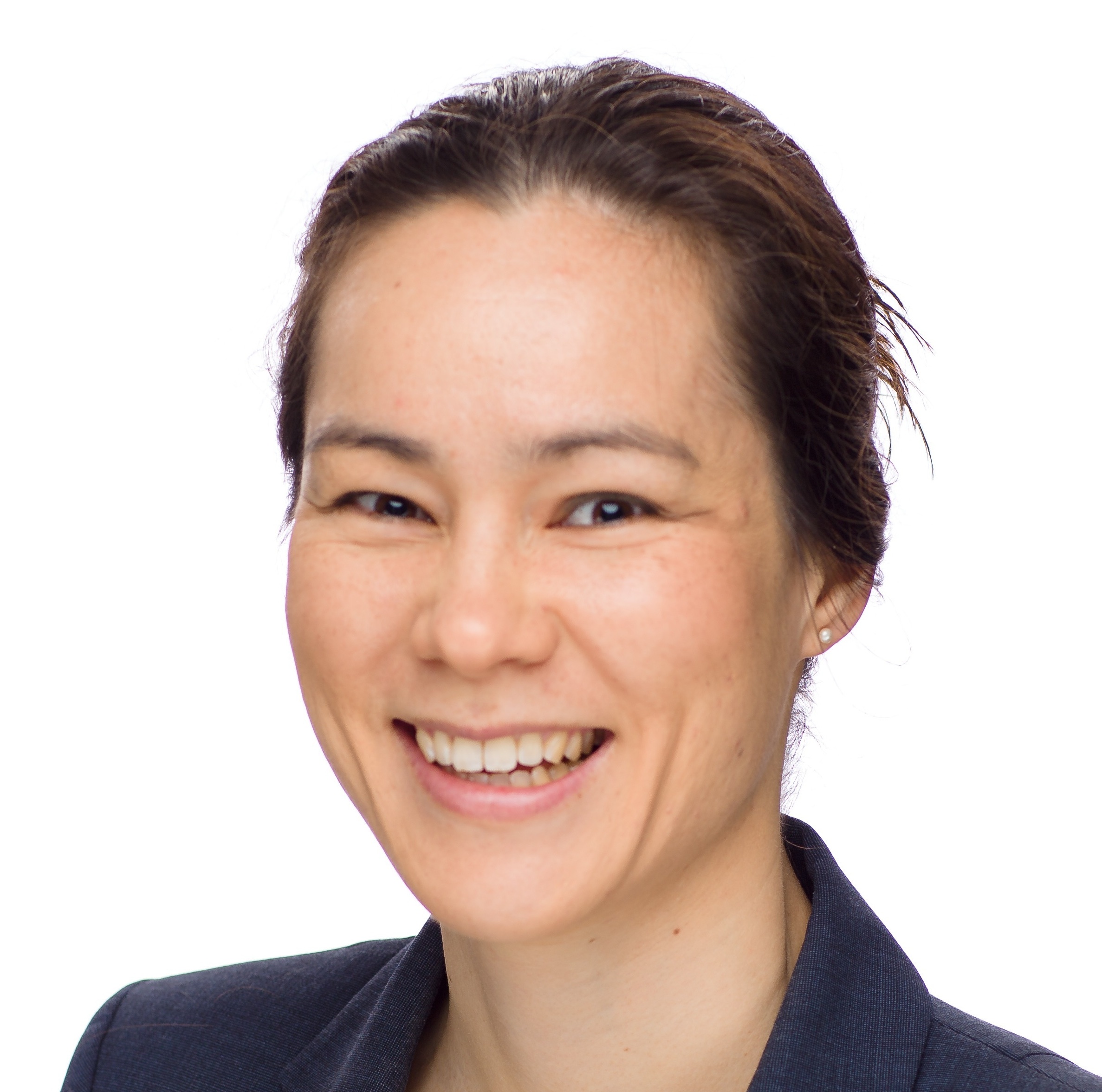
viviane c-6463_cropped copy_April2015

Viviane Callier

Obtaining federal grants is the criterion for obtaining tenure at research universities, according to David Lowry, assistant professor of plant sciences at Michigan State University. The pressure to obtain funding is even larger than the pressure to publish. “Grantsmanship — the ability to write a simple, compelling grant — is hands-down the single most important skill for assistant professors starting out,” says Alexander Shingleton, a tenured associate professor of biology at Lake Forest College, Illinois.

Continue reading

Science communication: Do you struggle with staying impartial?

Catherine Ball, a policy analyst at the House of Lords Science and Technology Select committee, talks about impartiality procedure at the Naturejobs Career Expo London 2015.

Watch more from the Naturejobs career expo here.