We’re bringing you the best stories in lab mobility from Nature India
The ‘Away from home‘ blogging series features Indian postdocs working in foreign labs recounting their experience of working there, the triumphs and challenges, the cultural differences and what they miss about India. They also offer useful tips for their Indian postdocs headed abroad. You can join in the online conversation using the #postdochat hashtag.
Today’s blog is in the ‘breaking news’ category where Varrla Eswaraiah, a postdoctoral researcher at Trinity College Dublin, Ireland shares the excitement over his lab’s recent paper published in Nature Materials. Eswar, an alumnus of IIT Madras, tells us all about making graphene flakes in a kitchen blender and the possibility of replicating it on a mega scale. He tells us about his humble beginnings from a small village in Andhra Pradesh and how he struggled against odds to pursue his passion for science.
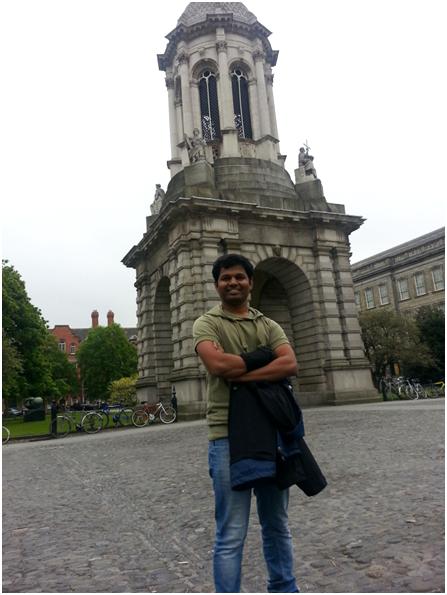
Varrla Eswaraiah at the Trinity College Dublin.