by Jonathan Gross
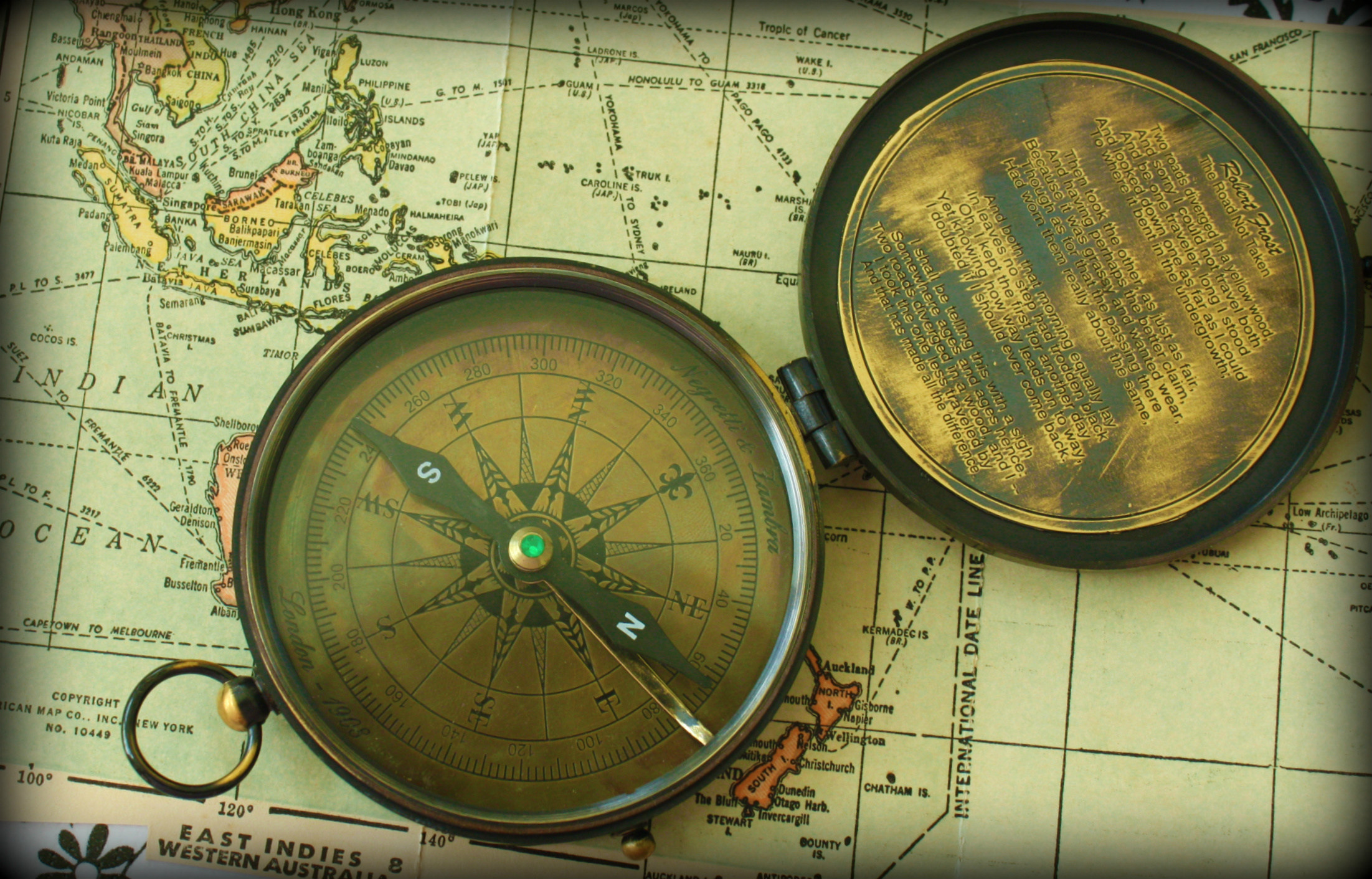
During the course of graduate school we’ve all likely felt as if we were stuck on a deserted island or lost in a rain forest without a map. It’s tough. As graduate students, we strive to create knowledge, but we’re not explicitly taught how to practice science. I’d like to share three lessons about graduate school that I did not appreciate at the time, and that could help you find your path to the other side.

{credit}iStock/Thinkstock{/credit}
Plan for progress
Just as any intrepid adventurer must plan ahead for food, water, or shelter, we need to plan how we progress in graduate school and not leave our paths to chance. For me this meant writing a plan for the week ahead with annotation of how it supported my goals and the lab’s focus. It helps when planning to think in figures, visualizing the answer we seek, to come up with the clearest path forward.
It seems simple, but the written plan lowered my stress level not just for arranging my time, but also when speaking to my PI. He often had quick chats to verify that we were on track and aware of the next steps. These talks shaped his impressions and assumptions of each of us as scientists.
Many of us, myself included, often fumbled these chats: “Oh…um…just working on this experiment and data analysis. Want to see it?” But once I started writing plans I could quickly say, “I am re-developing method X, which I noticed was not working because of Y. I will know tonight whether it worked and will send you the data. I expect that by Friday we will have moved on to Z to bring us closer to finishing paper A. Perhaps we can chat then about the next steps we expect?”
Quick, to-the-point progress updates helped him help me, seizing the most value from his limited attention to ensure my project would advance smoothly and that he understood my value to his lab.
As I see it, plans aren’t just the domain of corporate staff; planning is essential, deliberate preparation for a successful scientific career.
Share knowledge
I have noticed that successful scientists do not go it alone; they have support scientists and staff helping on the sidelines. Unfortunately, individual recognition is often over emphasized, leading academics to not share certain knowledge until problems arise. Continue reading →