
How to reach out

analytics-282739_1280

As discussion of science engagement increases, notably absent is an accompanying conversation about how to appropriately prepare and find opportunities for outreach. Here’s how to get started.

Guest contributor Maria Wheeler-Dubas

The average American does not personally know a scientist, which leaves their opinions of science open to the mercy of pop culture and political pundits. In spite of this concern, one thing that has been greatly encouraging to see in the scientific community is the rise in discussion of STEM outreach. More and more scientists are recognizing science engagement as a way to break stereotypes, have a broader impact with their work, and manage sceptics of tax-funded grants—which is fantastic. However, an important part of the discussion that has been missing is how to go about getting involved in meaningful outreach. How can a research scientist maximize the use of what little time for outreach they might have?  Here is what I’ve learnt as Science Outreach Coordinator. Continue reading
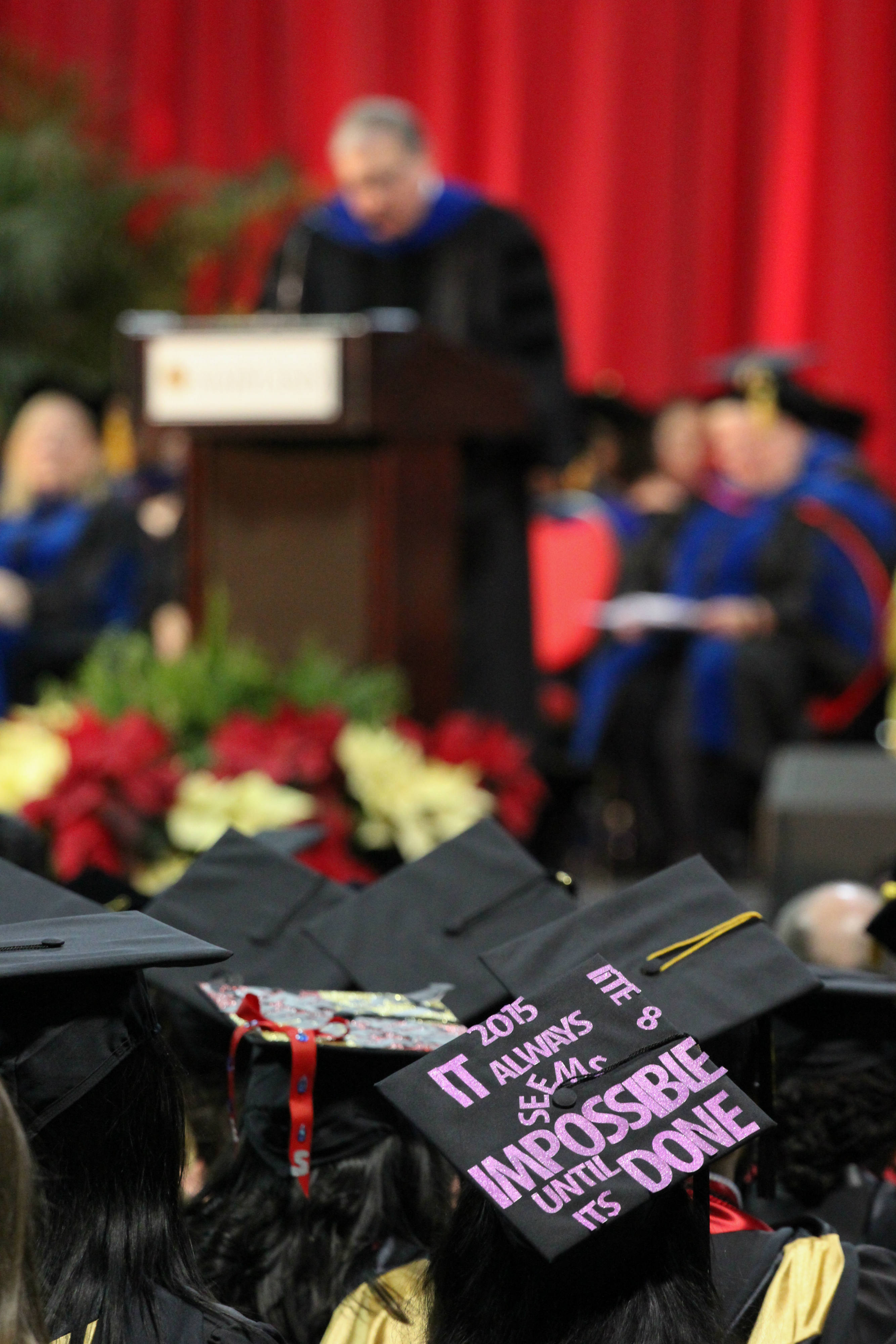
Panic and a PhD

The authors are recent PhD graduates who’ve all experienced anxiety during and after their doctoral program.

Here they share their story to support current doctoral students working to navigate and maintain a healthy work/life balance.

The lifestyle of graduate school has been associated with the presence of mental health issues, such as depression and anxiety, in students during their academic programs. A 2013 analysis of the 2009 National College Health Assessment found that 61.3% of current graduate students reported ever feeling anxiety, with 43.8% feeling anxiety within the past 12 months. As recent graduates from a doctoral program, we’ve experienced this anxiety firsthand, and hope that our stories and recommendations can help to tackle this problem head-on.

Stress is an essential reaction to danger, a mechanism ingrained in us long ago to force a “fight” or “fly” response. However, it’s how we react to stress that impacts our long-term health, including the potential development of anxiety through cognitive distortions and unhealthy coping mechanisms. While we three may have already been naturally anxious people, this became increasingly heightened when under the stress of working on our PhDs.

Grad hat 2-smaller
Continue reading