TechBlog: How to build long DNA

547477a-i1

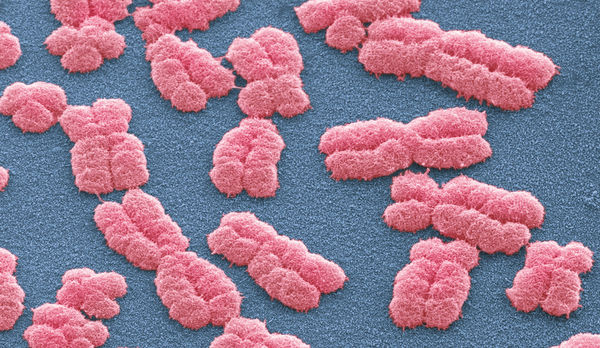
My most recent Technology Feature, on the technology of genome synthesis, describes advances in the field of large-scale genome hacking. Researchers are rewriting the genomes of organisms from E. coli to yeast, with millions of bases written from scratch. Now, through projects like Genome Project-write, they are turning their attention to even more complex organisms, with concomitantly larger genomes.

How, though, does one actually write a genome? As I note in the article, researchers don’t do that in one step. The molecules are assembled hierarchically, from synthetic oligonucleotides to ever larger pieces, first in a test tube and ultimately in living cells.

That said, it is possible to purchase “gene-sized” pieces of synthetic DNA. But, since DNA today is synthesized mostly using the same error-prone phosphoramidite chemistry researchers have used for decades, the question is: how are those molecules made?
Continue reading

From Doctorate to Data Science: A very short guide

Moving from a PhD into data science can be rewarding, but might be a bit of a culture shock

Are you one of the many PhDs considering a career in data science? I completed a PhD in neuroscience at Stanford three years ago; now I’m a data scientist at Uber. During my time in industry, I’ve found that the skills we develop in graduate school, such as analytical thinking, statistics, communication skills, and – oh yes – tenacity in the face of adversity, make us a great fit for the role.

smaller

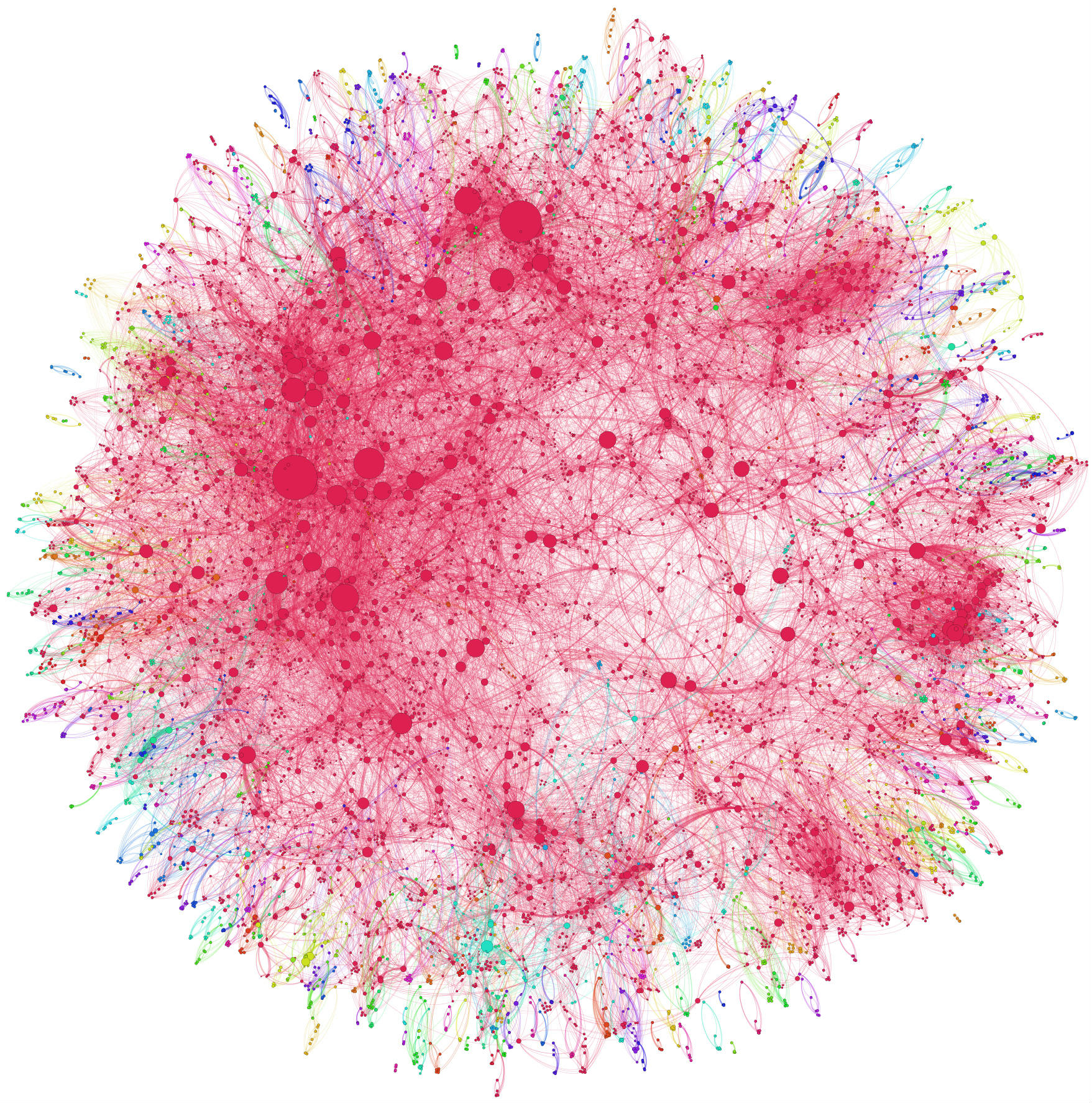
The co-authorship network of 8,500 doctors and scientists publishing on hepatitis C virus between 2008 and 2012. {credit}Andy Lamb/ Flickr{/credit}

Continue reading

Ageism in academic jobs in India

Farah Ishtiaq shares her experience on how age and success are linked in acquiring faculty positions in India

India has recently been portrayed as a land of abundant opportunity in academia, investing seriously in research and development to attract skilled scientists. The government has introduced several attractive funding opportunities, with the aim of bringing back scientists working abroad to establish a long-term career here, and improving the overall research infrastructure. Wellcome Trust/DBT India Alliance (WT/DBT) fellowships, for example, have no age or nationality restrictions, relying on qualifications, research experience, career trajectory and the candidate’s determination to establish their own independent research.

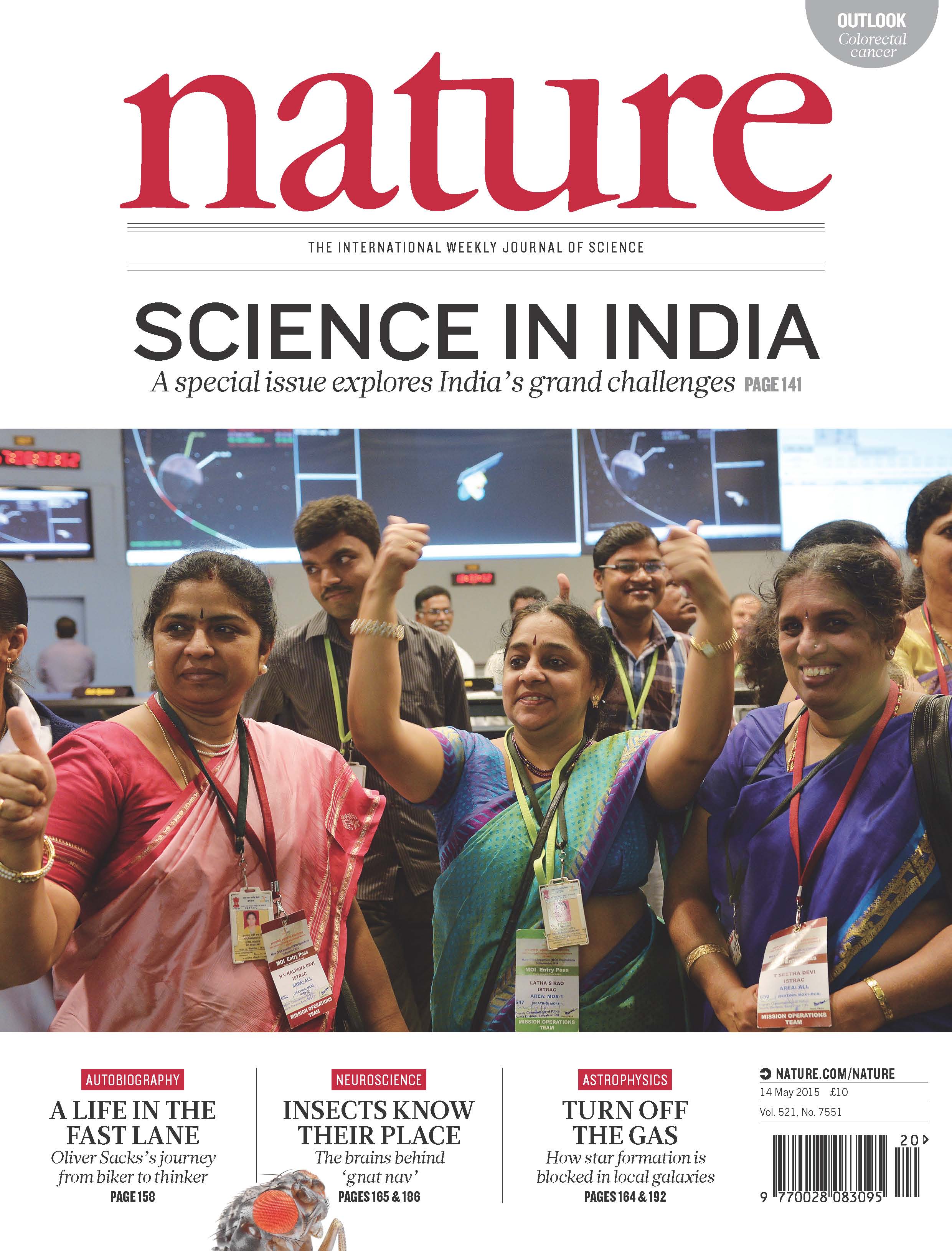
A Nature special issue in 2015 explored some of the unique opportunities - and the unique problems - of working as a scientist in India

A Nature special issue in 2015 explored some of the unique opportunities – and the unique problems – of working as a scientist in India

Continue reading

TechBlog: The sound of DNA

DNA sonify pic UPDATE

{credit}Mark Temple{/credit}

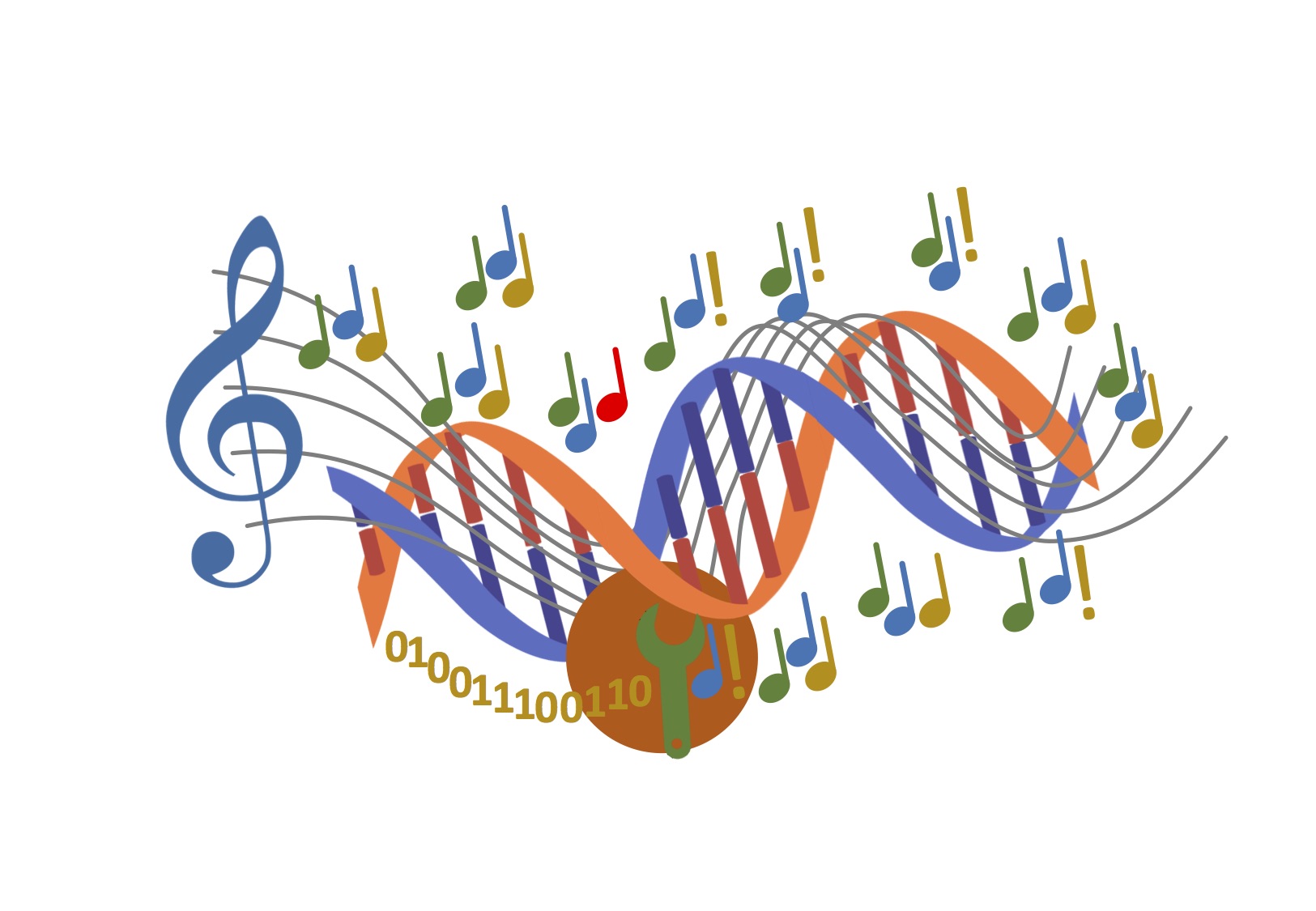
With an alphabet comprising just four letters, DNA sequence isn’t much to look at. So, when sequence analysis tools want to highlight key elements, they typically do so using colour, font, or by overlaying other types of information. In the not-too-distant future, there may be another option: Audio.

In a paper published this past April in BMC Bioinformatics, molecular biologist and part-time drummer Mark Temple of Western Sydney University, Australia, describes “an auditory display tool” for DNA: sequence in, audio out.

Available online at dnasonification.org, the tool does precisely what it sounds like: Given a sequence of DNA, it will convert the As, Cs, Gs, and Ts into notes played by a virtual piano, guitar, and organ. An ancillary browser extension, called Jazz-Plugin, is required to play the resulting MIDI files, though Temple has made a number of example MP3 files available on his web site and on YouTube.

After uploading a sequence, the user can select precisely how the musical transcription is accomplished. The simplest mode maps each base to a single note, providing a four-tone auditory landscape. Another maps dinucleotides to notes, increasing the complexity to 16 total sounds.

Most informative, says Temple, is the trinucleotide mode. Here, the software maps each nucleotide triplet to one of 20 notes, and outputs the audio in each of three reading frames at once, just as the genetic code maps 64 codons to 20 amino acids. The result is a series of three-note arpeggios – CGF-ADD-CFF-DFG-AFC-GCD-FCD-FCD, for instance. Optional parameters allow the user to flag start and stop codons, or to cause audio in each reading frame to turn on and off as start and stop codons arise. Continue reading

The three-year PhD program: good for students? Or too good to be true?

Calls to modernize the PhD to meet the demands of the job market are being answered by the introduction of a more streamlined three-year PhD program. But such changes are not necessarily in the best interests of students, say Alice Risely and Adam Cardilini

PhD students are the backbone of the research industry, often responsible for compiling precious datasets for their lab and learning the cutting-edge techniques required for analysis. But completing a PhD is hard, and getting harder as scientific standards creep steadily upwards. It takes over a year longer for current students to publish their first scientific paper than those 30 years ago because of the increasing data requirements of top journals. Across Europe and Australia, this is one reason why students are taking an average of four to six years (or longer) to complete their PhDs, despite candidature contracts usually being a maximum of four years, and government scholarships lasting at most three and a half years.

Delays in completion reflect badly on universities, and can threaten future funding. They can also threaten the job prospects of graduates, who are increasingly expected to have excellent time and project management skills for careers outside academia. In an attempt to combat lagging completion times and increase employability of graduates, universities are redesigning the PhD by rolling out three-year PhD programs. These shorter programs are intended to provide increased structural support to students, whilst also promoting broader and more applied skills required by non-academic employers. The catch is that these PhDs must be completed within three years, unless the student faces project delays that were unequivocally beyond their control. But is the three-year PhD program really in the best interests of all, or even most, students?

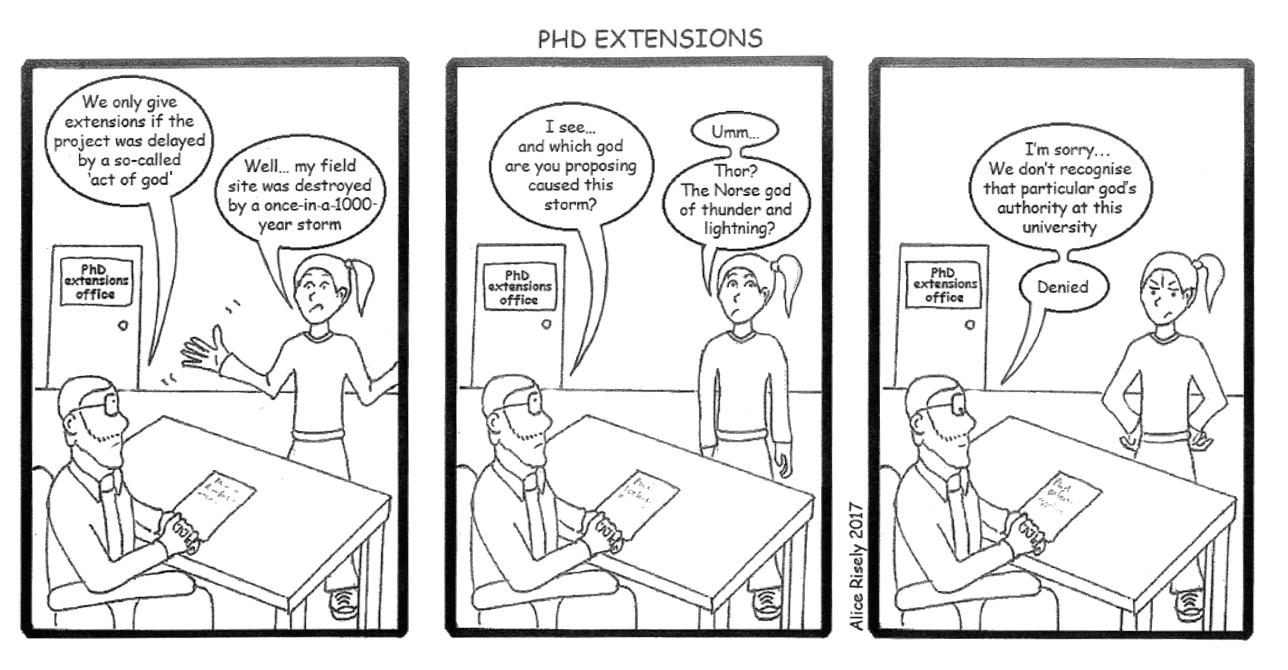
It will be harder to get PhD extensions under the new model.

It will be harder to get PhD extensions under the new model.

Continue reading

An overseas research intern’s journey in Japan

My overseas internship experience significantly increased my knowledge of research culture and lifestyles in foreign countries.

Guest contributor Andy Tay

Previously, I shared my thoughts on the usefulness of an overseas working experience to establish networks with international experts, and to develop cultural awareness — both of critical importance in a researcher’s career. This year, I decided to head to Japan, Tokyo to work on stem cells as a summer intern at the RIKEN Brain Science Institute (BSI).

If you’re thinking of an overseas internship, especially in Japan, my hope is that this will be of help to you.

andy in japan-smaller

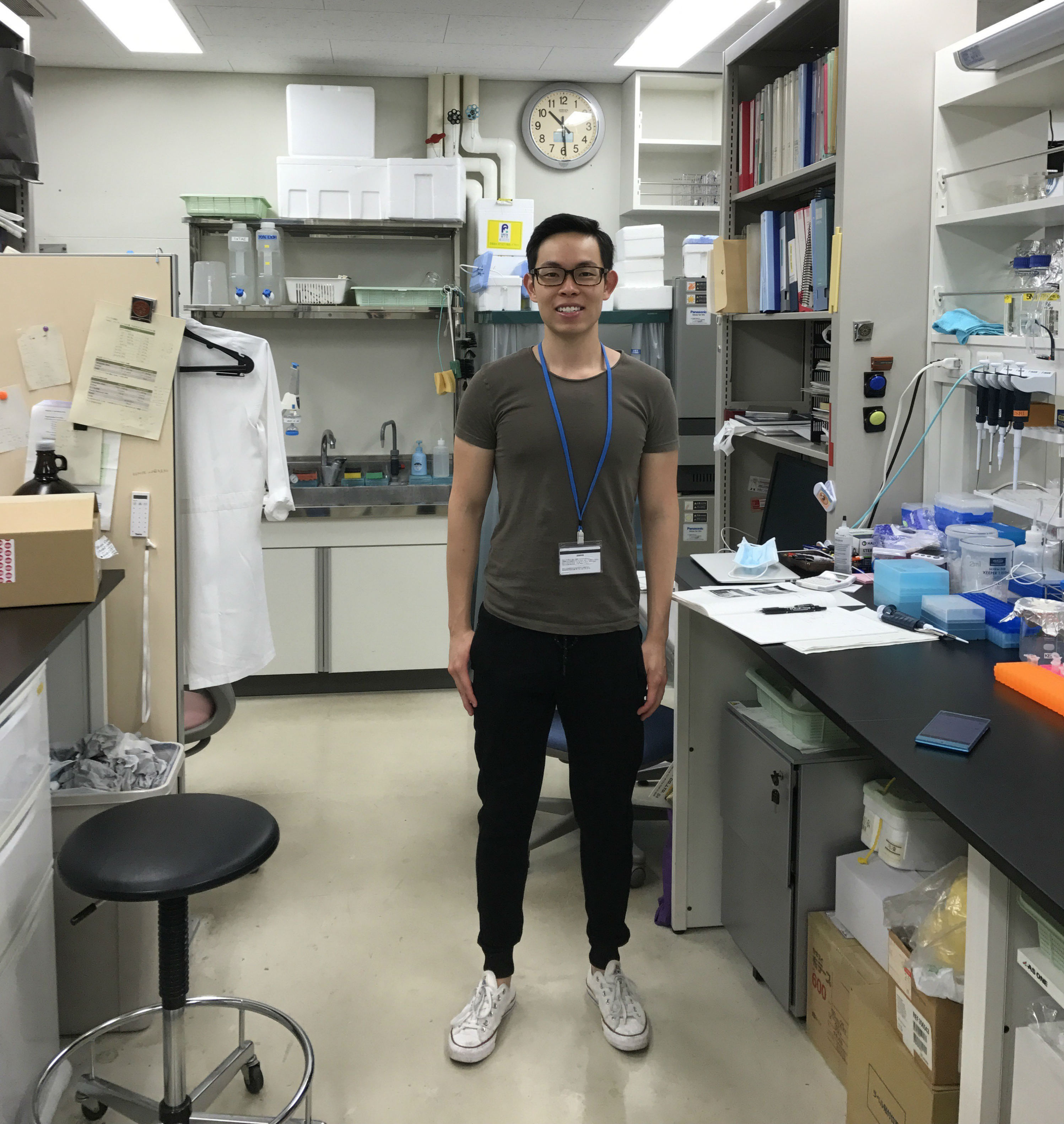
Andy in his new lab

Continue reading

Announcing the Better Science through Better Data 2017 (#scidata17) writing competition

SN&Wellcome

Enter for the chance to attend the Better Science through Better Data 2017 event (#scidata17) in October, work with a Nature editor, and have your writing published here on Naturejobs and on the Scientific Data blog.

Continue reading

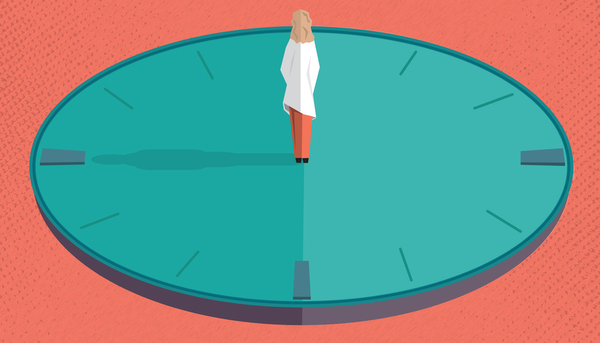
Naturejobs podcast: Planning your time and your goals

nj7656-175a-i1Time planning and goal setting can make your work and career planning more efficient, as well as help you prioritise what it is you love to do.


Continue reading

Diving into graduate programmes

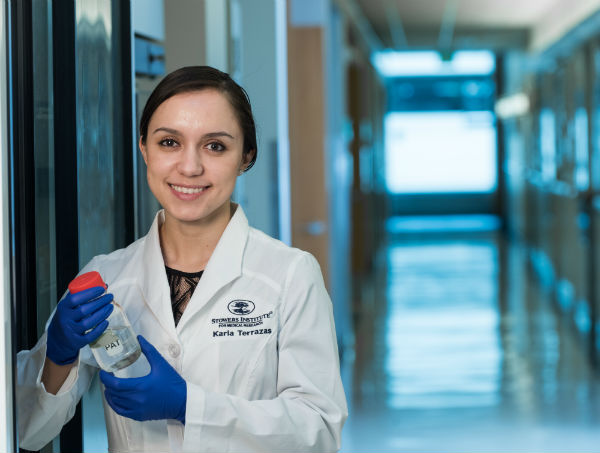
Karla Terrazas shares her thoughts about working at the cutting edge of science and technology, and finding a graduate programme.

This post was sponsored by the Stowers Institute

Karla Terrazas

Karla Terrazas{credit}Stowers Institute for Medical Research{/credit}

Continue reading