
Calls to modernize the PhD to meet the demands of the job market are being answered by the introduction of a more streamlined three-year PhD program. But such changes are not necessarily in the best interests of students, say Alice Risely and Adam Cardilini
PhD students are the backbone of the research industry, often responsible for compiling precious datasets for their lab and learning the cutting-edge techniques required for analysis. But completing a PhD is hard, and getting harder as scientific standards creep steadily upwards. It takes over a year longer for current students to publish their first scientific paper than those 30 years ago because of the increasing data requirements of top journals. Across Europe and Australia, this is one reason why students are taking an average of four to six years (or longer) to complete their PhDs, despite candidature contracts usually being a maximum of four years, and government scholarships lasting at most three and a half years.
Delays in completion reflect badly on universities, and can threaten future funding. They can also threaten the job prospects of graduates, who are increasingly expected to have excellent time and project management skills for careers outside academia. In an attempt to combat lagging completion times and increase employability of graduates, universities are redesigning the PhD by rolling out three-year PhD programs. These shorter programs are intended to provide increased structural support to students, whilst also promoting broader and more applied skills required by non-academic employers. The catch is that these PhDs must be completed within three years, unless the student faces project delays that were unequivocally beyond their control. But is the three-year PhD program really in the best interests of all, or even most, students?
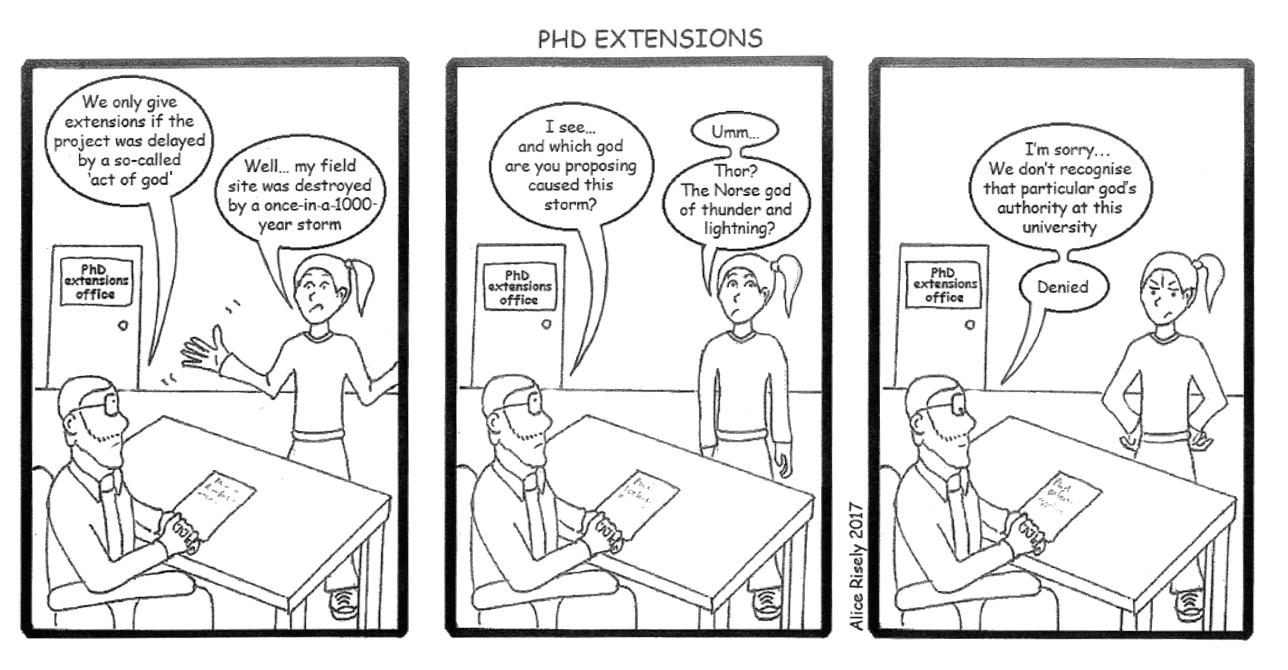
It will be harder to get PhD extensions under the new model.