Ageism in academic jobs in India

Farah Ishtiaq shares her experience on how age and success are linked in acquiring faculty positions in India

India has recently been portrayed as a land of abundant opportunity in academia, investing seriously in research and development to attract skilled scientists. The government has introduced several attractive funding opportunities, with the aim of bringing back scientists working abroad to establish a long-term career here, and improving the overall research infrastructure. Wellcome Trust/DBT India Alliance (WT/DBT) fellowships, for example, have no age or nationality restrictions, relying on qualifications, research experience, career trajectory and the candidate’s determination to establish their own independent research.
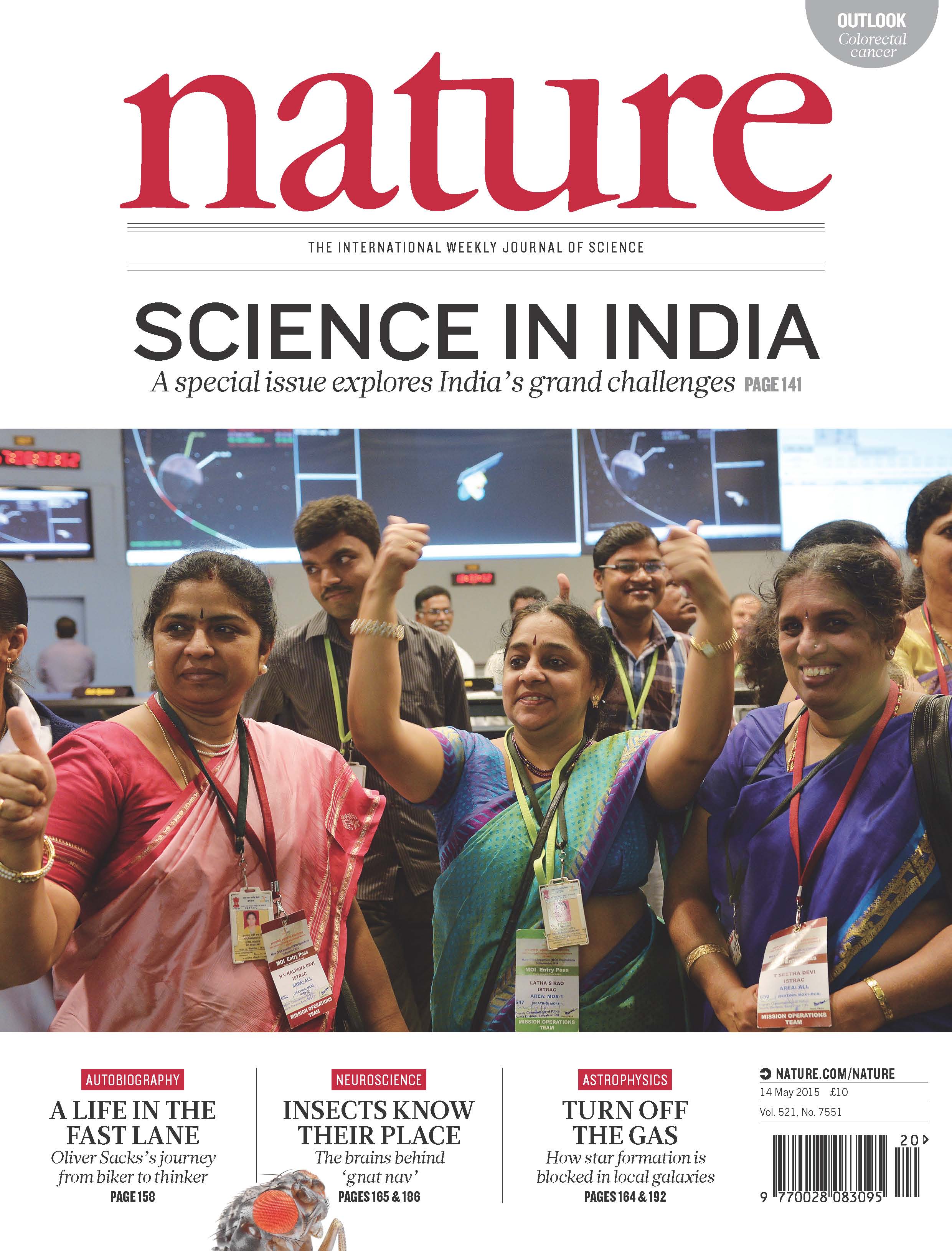
A Nature special issue in 2015 explored some of the unique opportunities - and the unique problems - of working as a scientist in India

A Nature special issue in 2015 explored some of the unique opportunities – and the unique problems – of working as a scientist in India
Continue reading

Faculty position at WUSTL: The employee’s perspective

Samantha Morris talks about getting her first faculty position at Washington University School of Medicine in St Louis.

Perscpetives-the-employee-Morris

{credit}Photo credit: Todd Druley{/credit}

What did you do in preparation for your job application?

It was 10 years of watching, observing, following advice, and soaking up any mentorship and guidance on how to become a faculty member. Collecting these experiences really helped. It was interesting to see that many people didn’t take a traditional trajectory into a faculty position.

When I came to the end of graduate school, a friend told me about a workshop at Harvard Medical School about faculty positions, so I dropped everything and ran there! There were 300 postdocs in the session, which was terrifying when you’re thinking about applying for a position because they’re the competition!

What was your job application strategy?

I thought I should apply to everything so I applied for 33 positions and interviewed for 15.  By seeing different institutions side-by-side I was able to decide more clearly on what I was looking for. It slowly emerged that the places I was most excited about were the ones that had medical schools and close connections to clinicians. Washington University in St Louis certainly has that: many clinicians here are closely connected to the research enterprise. Continue reading