This month scientists have been setting up new labs, coordinating research, moving continents and more.
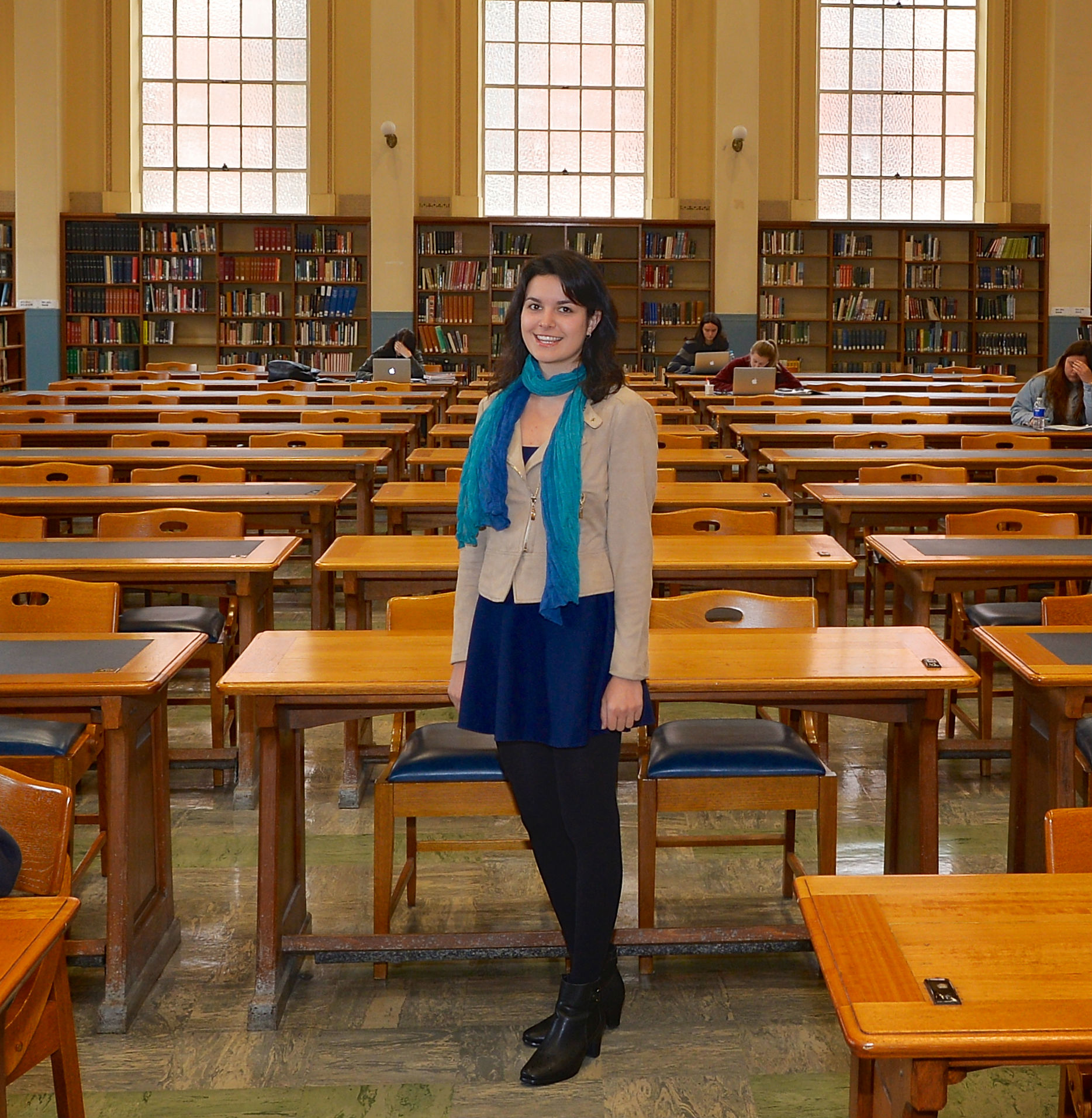
Claire Haworth and Oliver Davis{credit}Image credit: Jan MacDonald at Blenheim Photography{/credit}
Claire Haworth and Oliver Davis, who both work in behavioural and statistical genetics, met whilst they were studying for a PhD at the MRC Social, Genetic and Developmental Psychiatry Centre at King’s College London and “managed to squeeze in getting married between submitting our PhDs and starting fellowships!” After graduating from their PhDs in the summer of 2009, Oliver started a Wellcome Trust funded postdoc in Oxford and Claire, funded by the MRS and ESRC, stayed in London. After her second fellowship Claire moved to the University of Warwick to set up her own lab and Oliver moved to UCL to start his own group in January 2013. After years of long commutes to see each other, both Oliver and Claire will now be working in the same laboratory for the first time since they finished their PhDs. “We are moving to the new MRC Integrative Epidemiology Unit (IEU) at the University of Bristol to establish our joint Dynamic Genetics Lab. Oliver will be Associate Professor in Statistical Genetics, and I will be Associate Professor in Behavioural Genetics.” Oliver has already started his position, and Claire will begin in April. the biggest challenge for them is that whilst they are moving and settling into Bristol, they are both still fulfilling promises to UCL and Warwick by “providing the teaching we committed to at the start of the academic year. It’s an understatement to say we’re a little stretched by these commitments at the moment, but we’re looking forward to focusing on our new roles from the summer.”
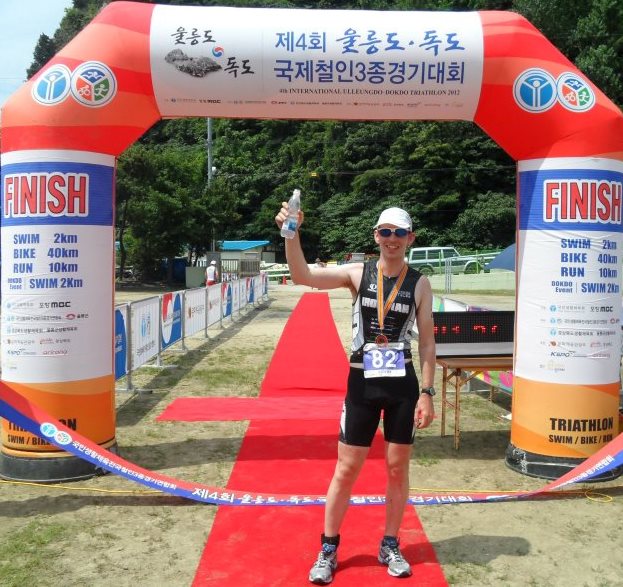
{credit}image credit: Alpana Dave{/credit}
Meru Sheel was doing pre-clinical, lab-based studies of parasite immunology at the QIMR Berghofer Medical Research Institute in Brisbane, Australia, when she got itchy feet. “While my lab-based research was very exciting and challenging, it lacked the big picture scenario that I was after,” she says. This, combined with the long hours spent on failing experiments and the lack of grant funding, meant that she wanted to make a switch. For Sheel, the most challenging part of leaving her position was that she was going to miss the research. “That feeling that maybe I will crack the mechanism of action with this experiment,” she says. Now, Sheel is the senior research officer for Group A Streptococcal diseases at the Telethon Kids Institute in Western Australia, and while she isn’t in the lab doing research, she is “reading and hunting for ideas and technologies that we can use to advance the development of vaccines and improve an old antibiotic to treat the same bug!” The role of a senior research officer involves coordinating research, analysing data and generating ideas and while gaining some management skills. “I have learnt to transfer my skills and now I love what I am doing.” Continue reading →