Setting up their first laboratory and starting out in science communication.
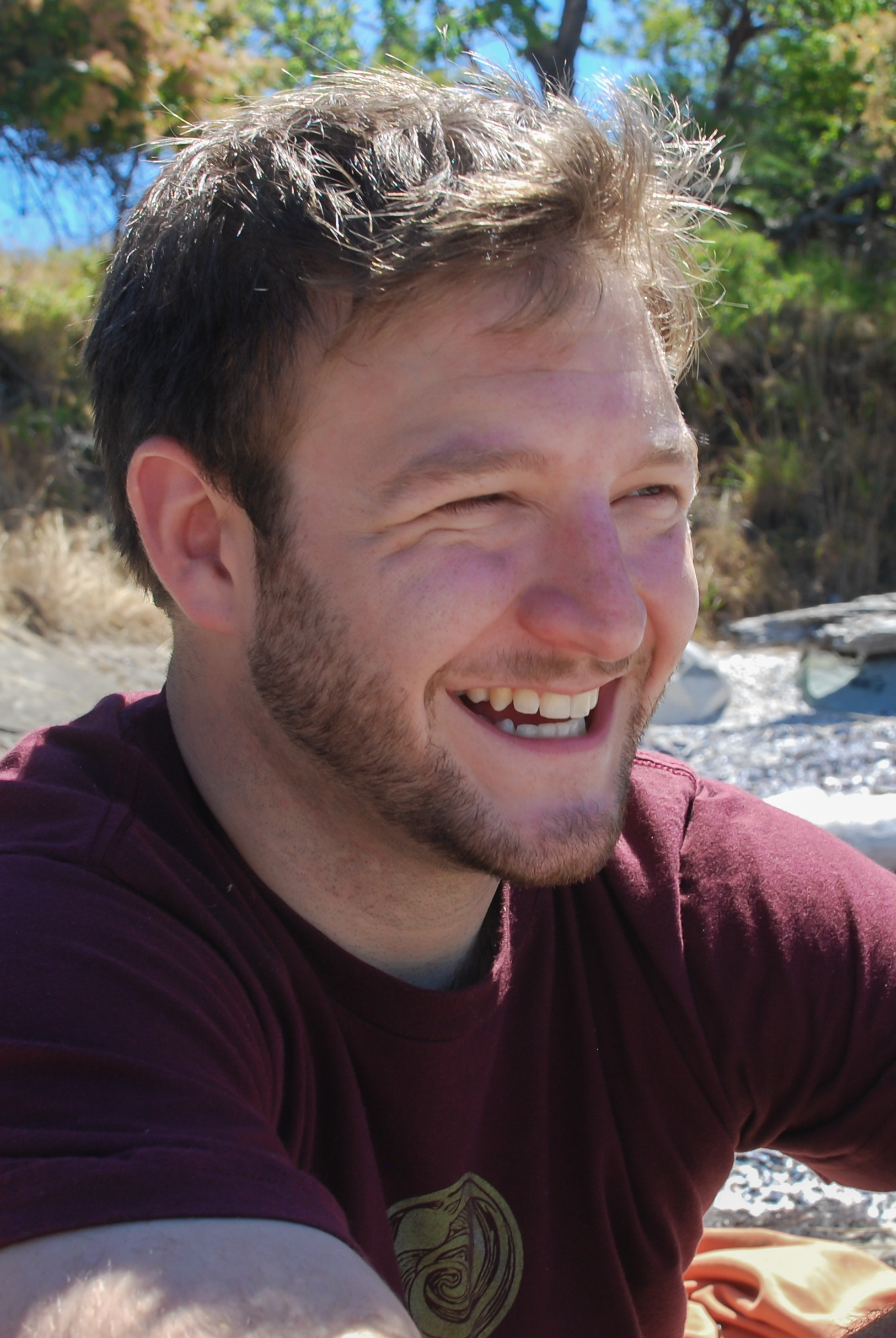
Josh Silberg{credit}Image credit: Caitlin Birdsall{/credit}
Josh Silberg was a master’s student in the School of Resource and Environmental Management (REM) at Simon Fraser University (SFU), where he studied the potential indirect effects of sea otter recovery on rocky reef fish. “In addition to my thesis research, I completed a university teaching and learning certificate, attended writing workshops, participated in a statistics support group, and so much more,” he says. “Many of these opportunities are only open to students, so I tried to take advantage and develop a diverse set of skills while in school.” Whilst at university, he did apply for a PhD programme, but upon being accepted, he decided to turn it down. “I had re-evaluated my situation. My difficult decision was exacerbated by an all-too-common issue among graduate students—depression.” With lots of support from his supervisor and peers, Silberg completed his MSc and gained valuable quantitative skills. Instead of a PhD, he has started working at the Hakai Institute as a science communications coordinator. Sharing the achievements and stories of Hakai researchers and students through social media and the new Hakai.org website “requires me to stay up-to-date on a diverse array of Hakai projects ranging from archaeology to oceanography to geology to ecology,” he says. “Through these people, I can help satiate my never-ending desire to know more about our natural world, and hopefully contribute some narratives of my own along the way.”The transition was relatively smooth for Silberg, because of the extra curricular activities he pursued whilst doing his MSc. “I helped design and maintain our lab website, presented at multiple scientific conferences, and got my first taste of social media for scientific purposes.” Although he wouldn’t rule out an opportunity to return to graduate school, ” I would have to consider why going back would help me achieve my long-term goals. I care less about the designation and more about the skills I could gain from going back to do a PhD.”
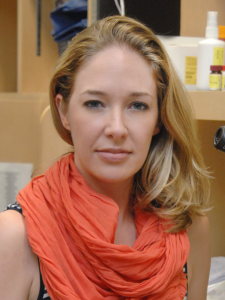
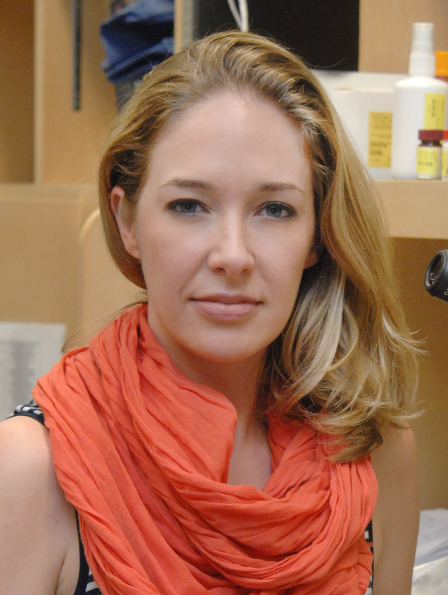
Samantha Morris{credit}Image credit: Kristin Johnson {/credit}
Samantha Morris was a postdoc in George Daley’s lab at Boston Children’s Hospital and Harvard Medical School, contributing to the development of a network biology platform, CellNet, to assess the equivalence of engineered cells to their in vivo targets. “After two postdocs over seven years I knew I was ready to lead my own group,” says Morris, so she decided to leave in August 2014. She attended a last-minute workshop at Harvard Medical School that would guide postdocs through the faculty application process in the US. “As soon at the afternoon was over I started looking for open positions, including on Naturejobs!” Putying together a research plan to carve out one’s own scientific identity can be daunting for a new PI. “I found that everyone I asked for advice offered different suggestions,” she says. “I ended up taking comfort in the fact that there wasn’t one right answer to anything, and this helped build my confidence to make the decisions to apply myself in the research areas I was most passionate about.” She is now an assistant professor in the Department of Genetics, and Department of Developmental Biology at Washington University School of Medicine at Saint Louis, USA, where she will continue working on directing cell fate using information gleaned from gene regulatory network analysis. “In searching for where to start my lab I applied for 33 faculty positions, had 15 interviews as a result which translated into negotiations at six different institutions.” But that emotional roller coaster wasn’t the most challenging part of the job transition. “From the moment I started [writing the research plan] I was absorbed by the transition to my new role and it’s almost impossible to balance postdoc work with the faculty search.”