Away from home: Why the postdoc phase is crucial

We’re bringing you the best stories in lab mobility from Nature India

The ‘Away from home‘ blogging series features Indian postdocs working in foreign labs recounting their experience of working there, the triumphs and challenges, the cultural differences and what they miss about India. They also offer useful tips for their Indian postdocs headed abroad. You can join in the online conversation using the #postdochat hashtag.

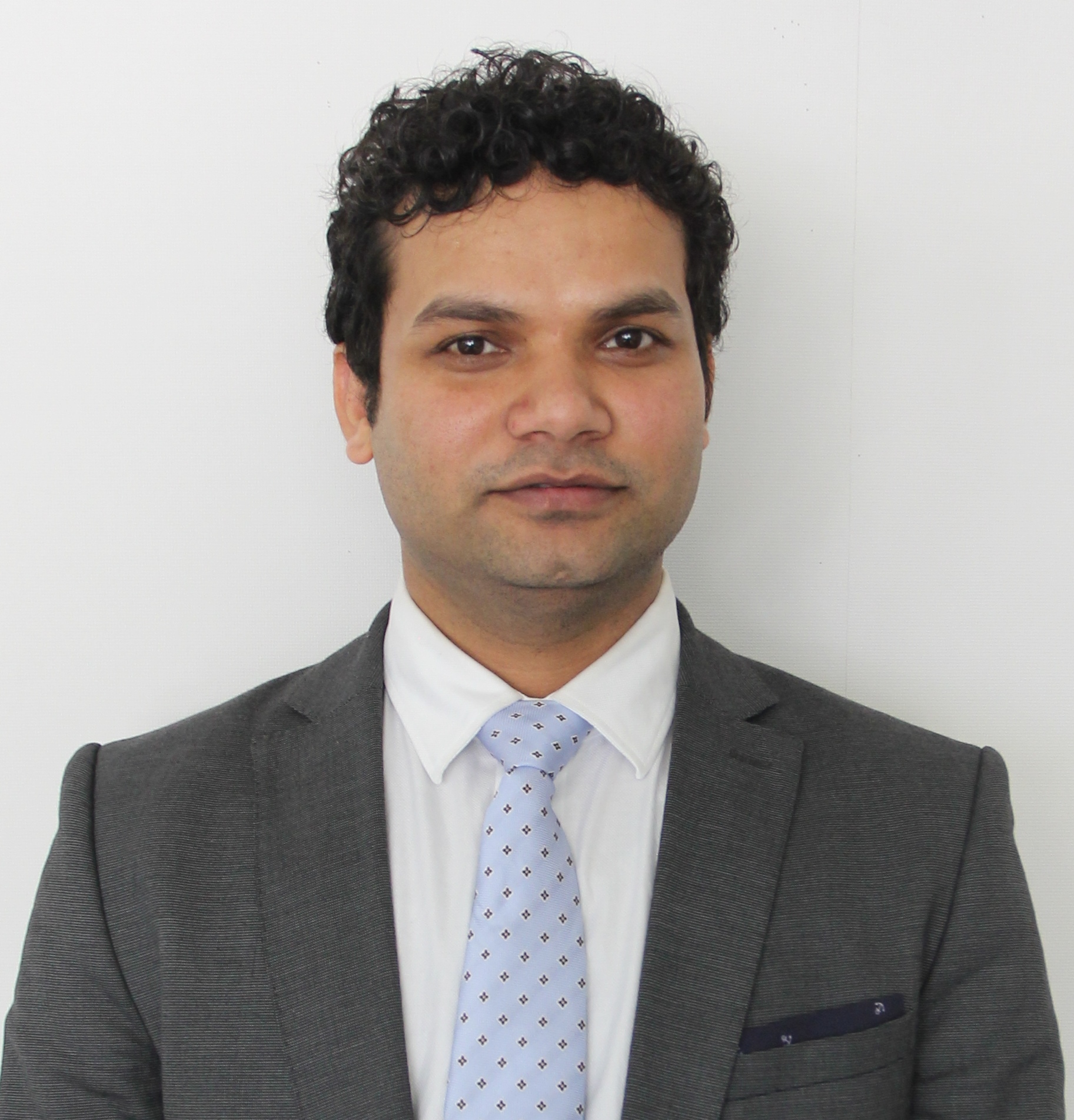
In this post, microbiologist Devendra Dusane, a doctorate from the University of Pune and a postdoc at McGill University, Canada talks about the importance of the postdoc phase, which he says, is crucial for shaping one’s goals — both in life and in research. It is “overwhelming when my wife and daughter appreciate my published research papers and celebrate with me”, he says.

DD

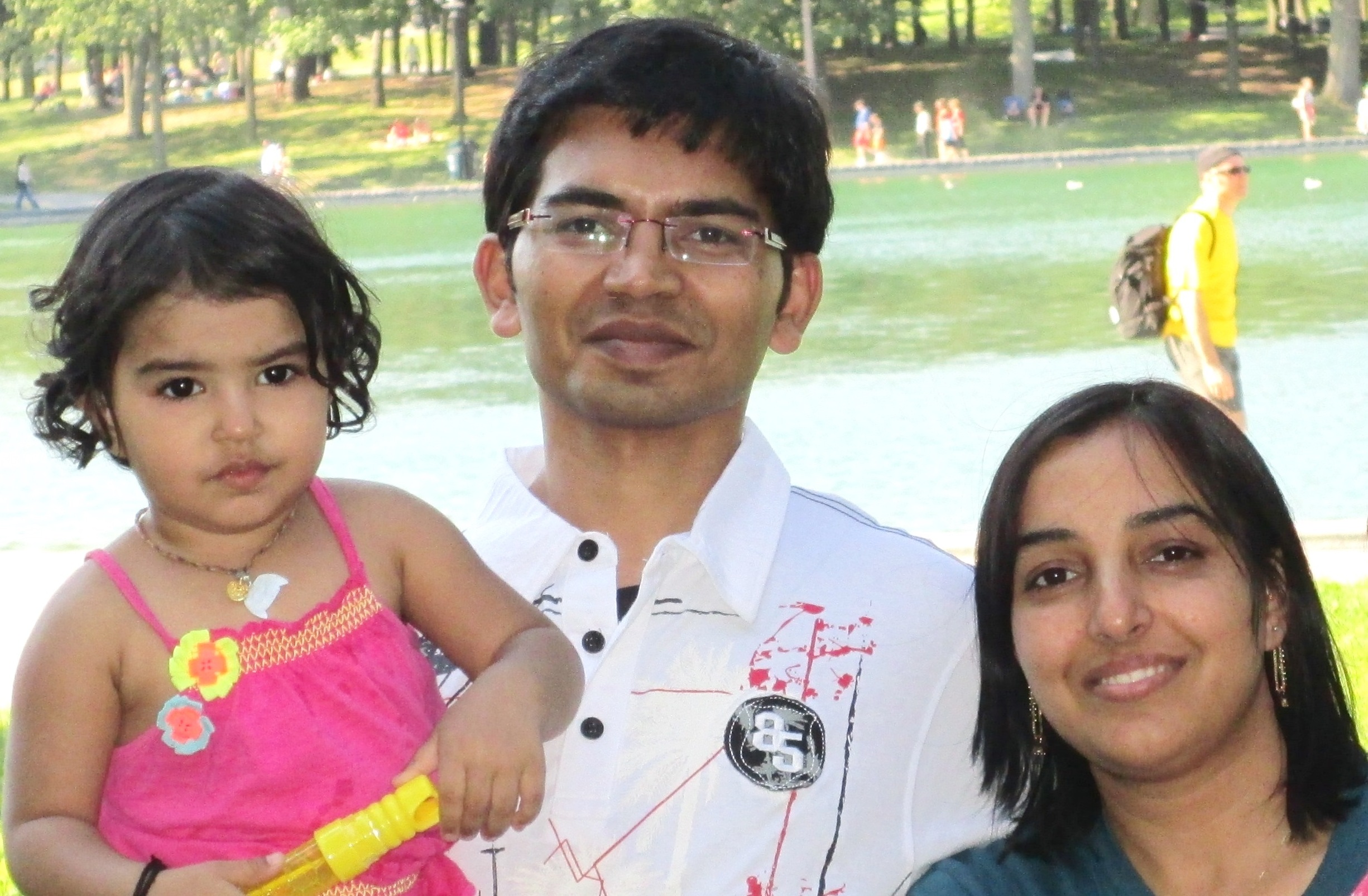
Devendra Dusane with his family

Continue reading

Away from home: Collaboration in a global organisation

We’re bringing you the best stories in lab mobility from Nature India

The ‘Away from home‘ blogging series features Indian postdocs working in foreign labs recounting their experience of working there, the triumphs and challenges, the cultural differences and what they miss about India. They also offer useful tips for their Indian postdocs headed abroad. You can join in the online conversation using the #postdochat hashtag.

Today, we have environment scientist Ram Avtar, an alumnus of Jawaharlal Nehru University (JNU), New Delhi and a postdoc from the Japan Agency for Marine-Earth Science and Technology (JAMSTEC). He tells us about his transition from a postdoc to a research associate with the United Nations University in Tokyo, an organisation with a global outlook and ample scope to forge meaningful collaborations — not just in one’s professional life but also in the personal life.

A Tale of Two Labs – Our Academic Journeys in China and in the USA

The journeys of two professors show how to survive and thrive in the different academic systems of the US and China.

Guest contributors Zhiyong Jason Ren and Defeng Xing

Once upon a time, we worked in the same lab. Ten years later, we both lead big research labs – in Boulder, USA, and Harbin, China. We have similar backgrounds and research interests, but our journeys were very different. After reading Turning Point: Chinese Science in Transition and Nature’s How to build a better Ph.D, we want to share our stories with young researchers in the hope it might help them navigate their own science adventure.

How did we start?
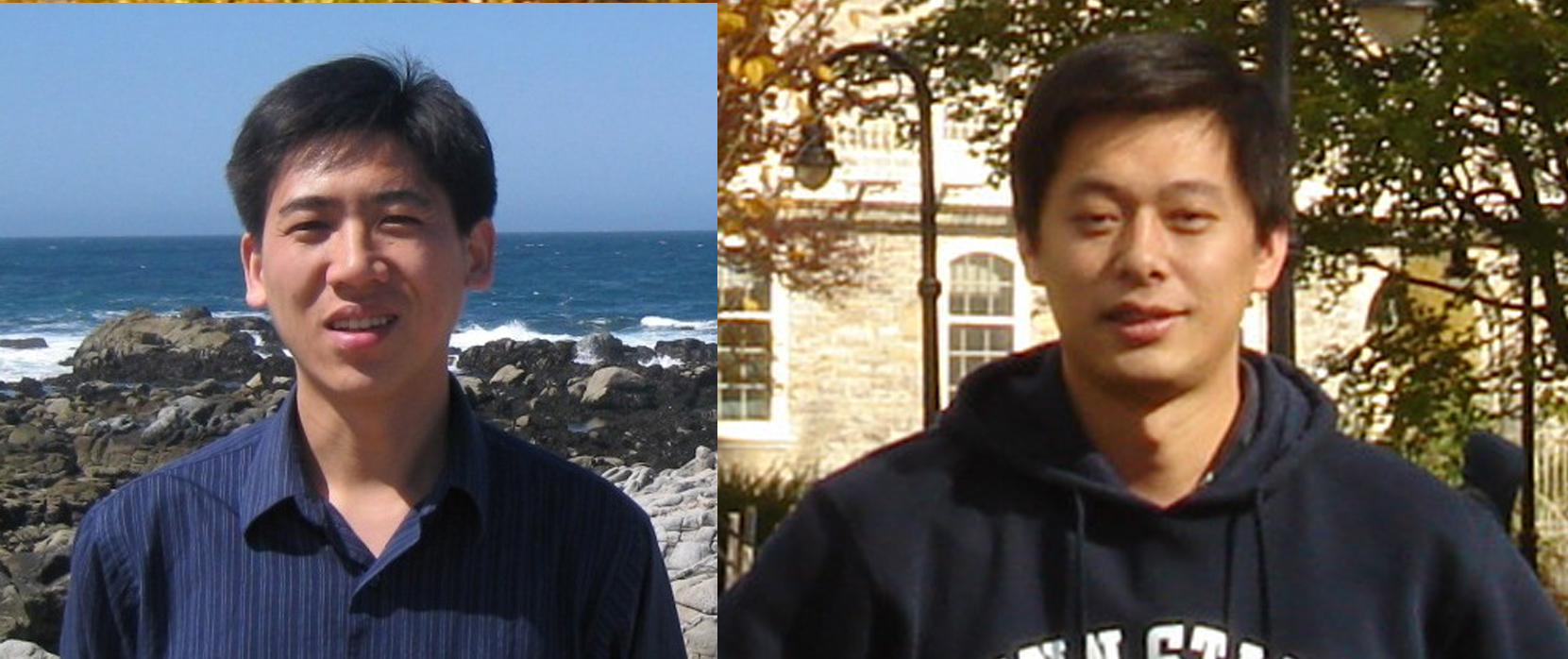
It was 2006 when we first met at Penn State and became lab mates and close friends. When it became time to decide on a career path, Ren chose to become an assistant professor in the U.S., while Xing returned to his Alma Mater in China. In an “ever-lasting” U.S. tenure track system, Ren was handed a well-structured guideline for new principal investigators (PIs), while Xing got a pile of applications on his desk, so he could recruit from various young talent programs.

Ren (L) and Xing (R) in 2006

For Ren, winning the position meant he started the job as decision-making group leader, though he didn’t receive much training.  For Xing, it meant joining a big group with an established platform and shifting gradually from a team player to team lead. Continue reading

#ScientistOnTheMove: May 2015

Setting up their first laboratory and starting out in science communication.
Josh-Silberg-naturejobs-blog

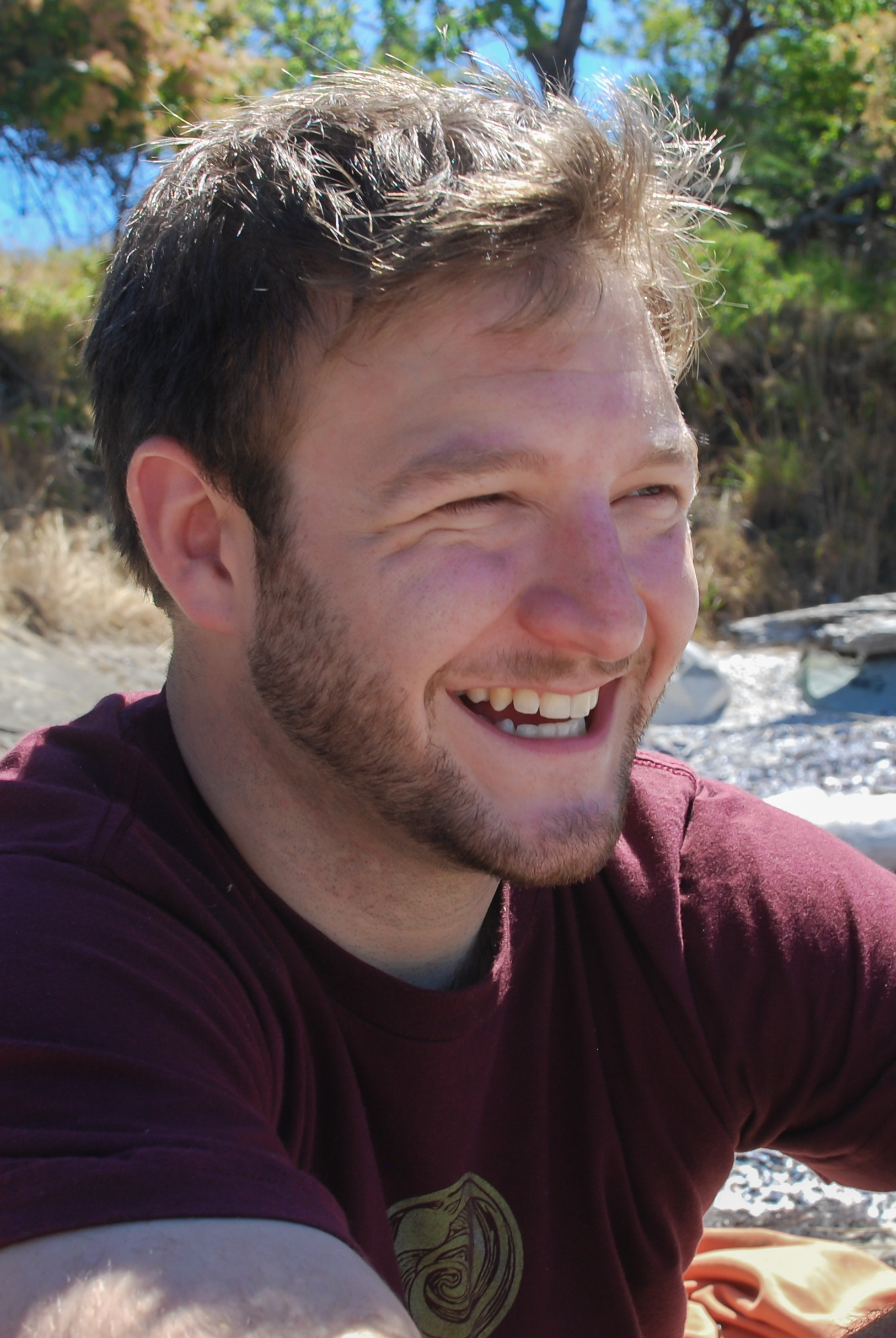
Josh Silberg{credit}Image credit: Caitlin Birdsall{/credit}

Josh Silberg was a master’s student in the School of Resource and Environmental Management (REM) at Simon Fraser University (SFU), where he studied the potential indirect effects of sea otter recovery on rocky reef fish. “In addition to my thesis research, I completed a university teaching and learning certificate, attended writing workshops, participated in a statistics support group, and so much more,” he says. “Many of these opportunities are only open to students, so I tried to take advantage and develop a diverse set of skills while in school.” Whilst at university, he did apply for a PhD programme, but upon being accepted, he decided to turn it down. “I had re-evaluated my situation. My difficult decision was exacerbated by an all-too-common issue among graduate students—depression.” With lots of support from his supervisor and peers, Silberg completed his MSc and gained valuable quantitative skills. Instead of a PhD, he has started working at the Hakai Institute as a science communications coordinator. Sharing the achievements and stories of Hakai researchers and students through social media and the new Hakai.org website “requires me to stay up-to-date on a diverse array of Hakai projects ranging from archaeology to oceanography to geology to ecology,” he says. “Through these people, I can help satiate my never-ending desire to know more about our natural world, and hopefully contribute some narratives of my own along the way.”The transition was relatively smooth for Silberg, because of the extra curricular activities he pursued whilst doing his MSc. “I helped design and maintain our lab website, presented at multiple scientific conferences, and got my first taste of social media for scientific purposes.” Although he wouldn’t rule out an opportunity to return to graduate school, ” I would have to consider why going back would help me achieve my long-term goals. I care less about the designation and more about the skills I could gain from going back to do a PhD.”
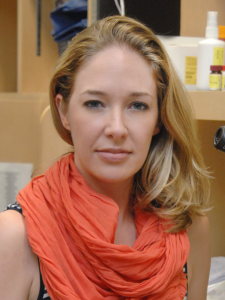
Samantha-Morris-naturejobs-blog

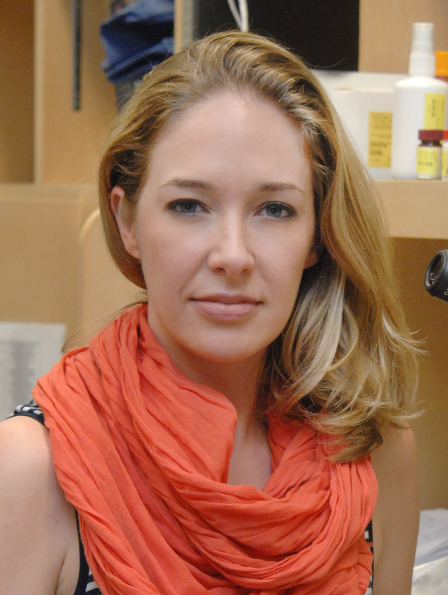
Samantha Morris{credit}Image credit: Kristin Johnson {/credit}

Samantha Morris was a postdoc in George Daley’s lab at Boston Children’s Hospital and Harvard Medical School, contributing to the development of a network biology platform, CellNet, to assess the equivalence of engineered cells to their in vivo targets. “After two postdocs over seven years I knew I was ready to lead my own group,” says Morris, so she decided to leave in August 2014. She attended a last-minute workshop at Harvard Medical School that would guide postdocs through the faculty application process in the US. “As soon at the afternoon was over I started looking for open positions, including on Naturejobs!” Putying together a research plan to carve out one’s own scientific identity can be daunting for a new PI. “I found that everyone I asked for advice offered different suggestions,” she says. “I ended up taking comfort in the fact that there wasn’t one right answer to anything, and this helped build my confidence to make the decisions to apply myself in the research areas I was most passionate about.” She is now an assistant professor in the Department of Genetics, and Department of Developmental Biology at Washington University School of Medicine at Saint Louis, USA, where she will continue working on directing cell fate using information gleaned from gene regulatory network analysis. “In searching for where to start my lab I applied for 33 faculty positions, had 15 interviews as a result which translated into negotiations at six different institutions.” But that emotional roller coaster wasn’t the most challenging part of the job transition. “From the moment I started [writing the research plan] I was absorbed by the transition to my new role and it’s almost impossible to balance postdoc work with the faculty search.”

#ScientistOnTheMove in January 2015

From academia to medical writing, editing, policy, further research and a swap from communications to a PhD in later life.

In 2015, Naturejobs is celebrating mobility in science, where researchers are changing labs, moving countries or transitioning into something completely different. In January 2014, all of these things hapenned. Below, we’ve selected just a handful of job changes to give you a flavour of the variety of things you can do with a science degree.

viviane-callier-naturejobs-blog

Viviane Callier

Viviane Callier was a postdoctoral fellow from 2011-2013. In late 2013, she transitioned to a technical writing position for a consulting company in the Washington DC area. In her new role as a Scientific Communications Editor at the National Cancer Institute, which she started in January 2015, her main challenges are the more frequent and stricter deadlines. But during the transition, it was the leap into the unknown, leaving friends behind and feeling like “I had to start all over from scratch,” that were the three biggest challenges.


Lucy-Craggs-naturejobs-blog

Lucy Craggs

Lucy Craggs held a postdoctoral research at the University of Newcastle, where she was working in the field of neuroscience. The decision to leave academia was difficult, but difficult supervisory relationships, feeling undervalued and realising that if she wanted to stay in academia she would need to relocate, meant that it was the right thing to do. In January 2015 she started working as a medical writer for MediTech Media, part of the Nucleus Group of companies, focussing on the communication of the drug discovery process.
Continue reading

Scientists on the move

Are you changing jobs? We want to know about it – share your story with #ScientistOnTheMove

Naturejobs-scientistsonthemoveA new year brings with it new hopes and possibilities and if that includes taking on a new job, we want to know about it.

Mobility within scientific research is valuable. The experience of working in different institutions, companies and even countries can be beneficial in many ways. The skills that you learn in each job, whether technical or otherwise, help you develop as a scientist and a person.

At Naturejobs we celebrate these changes and transitions. We’ve spoken to Nessa Carey, currently the International Director at PraxisUnico, about her move from academia into industry, David Carr about his leap from academia into policy, to Martine Bernstein about her transition from academia to a start-up after finishing her degree, amongst others. Many of you have been in touch asking if we could feature more job transition stories.

We want to fulfil your requests, but we need your help. We want to share your transition stories: let us know if you’ve got a new job! Tweet your new job with the hashtag #ScientistOnTheMove, and once a month we will select a few people to profile on the Naturejobs blog, sharing their personal transitional stories and hopes for the new role.

We want you to get involved! Let us know if you’ve changed labs, moved institutions, become a professor, transitioned to another discipline or made any move that qualifies as a new job.