The real climate debate

Young scientists on the ground at Lindau share their thoughts on scientists’ place in the climate change debate

In the scientific community, the big question is not whether action on climate change is required, but what form it should take and the part that scientists should play, says the recent Nature Outlook on Climate Change. Three early-career researchers share their thoughts on the current state on climate action worldwide and the place of science in society.

You can find the full Nature Outlook on Climate change here.

Julie Fenton

Julia Nimke/Lindau Nobel Laureate Meetings

Graduate student, Pennsylvania State University, USA

It’s hard for scientists to make definitive statements about the ‘truth’. Just as we don’t believe exactly the same things as we did 50 years ago, we expect our understanding of the things we’re learning now will change over time.

It doesn’t mean our current understanding should be dismissed as incomplete, but it can be a challenge to communicate this concept to non-scientists. It’s become evident that my communication skills are something I have to invest time in. It’s too easy to forget that we have a broader responsibility to the public. In my experience, public engagement is not a routine part of academic training. Every scientist can start by talking with people they know in their everyday lives. That’s not hard. Continue reading
Different “Me”s open up a new world on a personal and scientific level

Haruka Yuminaga’s experience moving back to Japan has been a challenge — but has helped her become a better scientist.

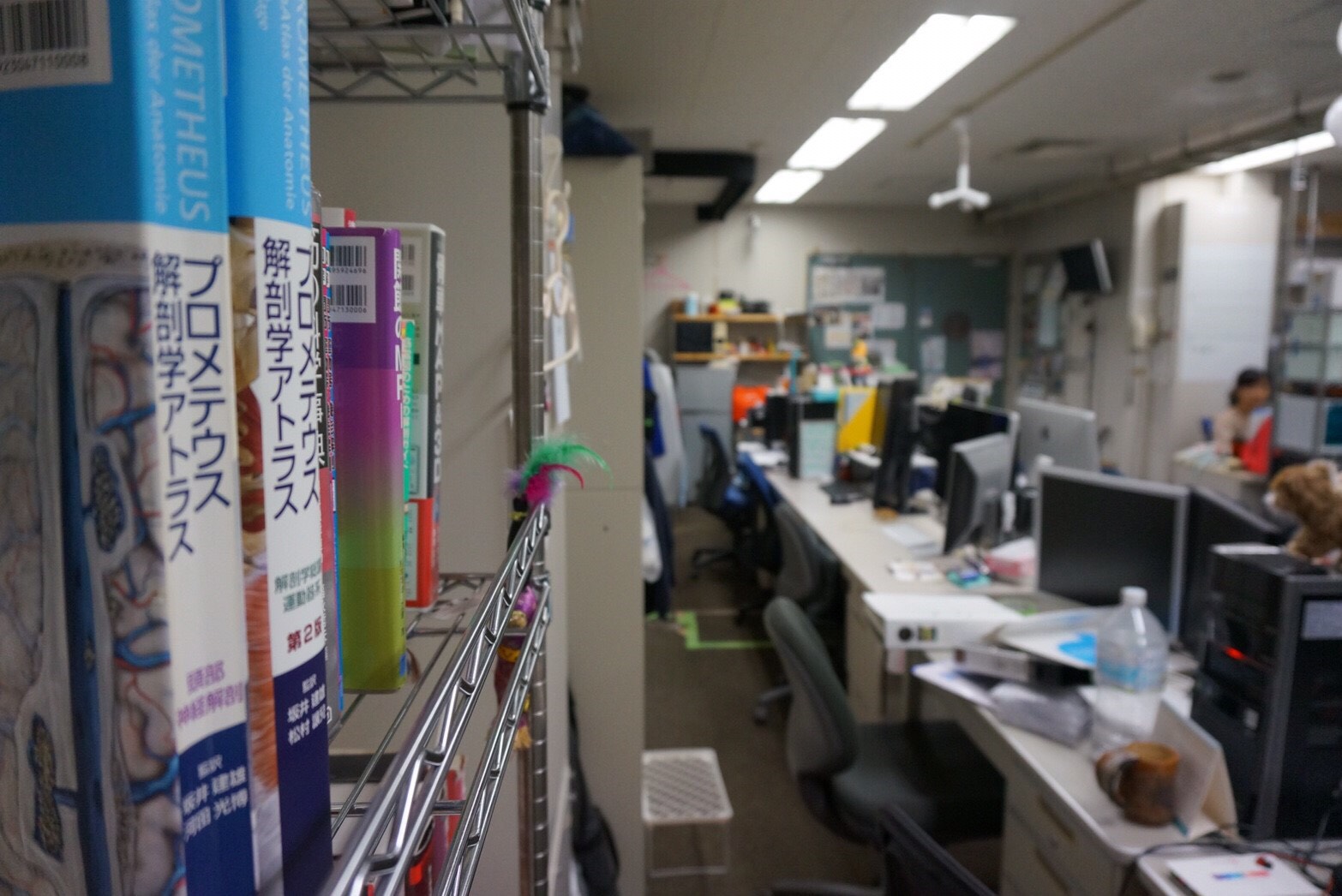
A light grey room is filled with 23 grey desks, scattered in pens and books. In one corner sits a refrigerator packed with snacks. Next to it is a rice cooker. The walls are covered in pictures of fun lab memories. Amidst the clutter, some students joke and laugh; chat with a professor about their experimental procedures; analyze data on their laptops and unconsciously wrinkle their brows.

umi lab

The Ushiba lab

It is a usual morning at the Ushiba lab where I’m doing an internship this summer. I am a rising junior at Macalester College in Minnesota, USA. Before spending two years in a U.S college, I spent all my life in Japan, and expected being back in a Japanese lab to feel natural. But my assumption was wrong.

Reverse culture shock

Continue reading

Away from home: Hard work knows no boundaries

We’re bringing you the best stories in lab mobility from Nature India

The ‘Away from home‘ blogging series features Indian postdocs working in foreign labs recounting their experience of working there, the triumphs and challenges, the cultural differences and what they miss about India. They also offer useful tips for their Indian postdocs headed abroad. You can join in the online conversation using the #postdochat hashtag.

This week we have Arnab De, an alumnus of the Presidency College, Kolkata and a postdoc from Columbia University, USA telling us his formula of success — some intelligence, lots of hard work, communicating with colleagues and a smiling face. Arnab, whose PhD dedication to cricket star Sachin Tendulkar made him the subject of another blog piece, says “its one world” and boundaries don’t make a country, people do.

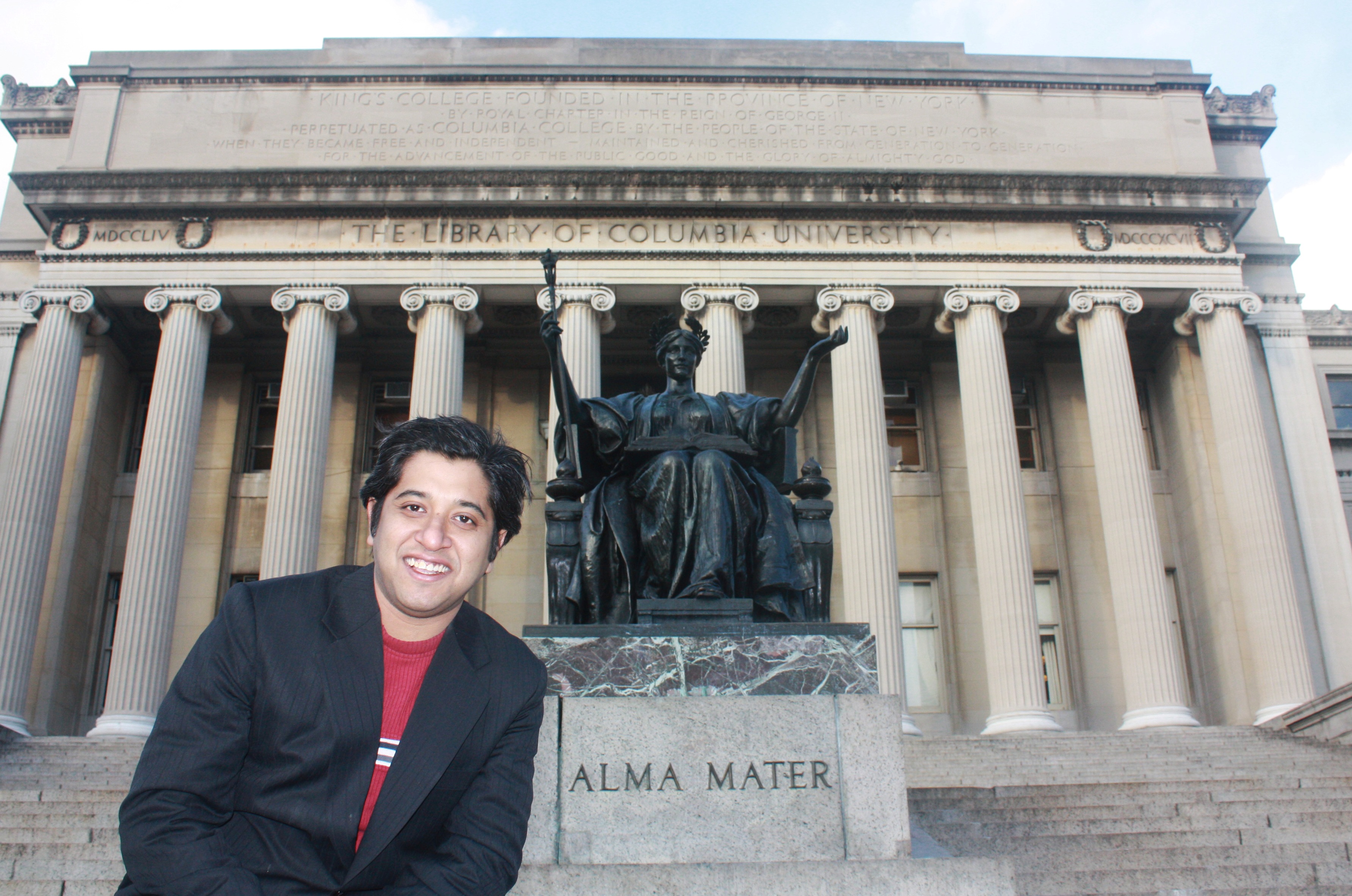
Arnab De in front of the famous Alma Mater statue at Columbia University.

Arnab De in front of the famous Alma Mater statue at Columbia University.

Continue reading

Away from home: Where animals and reagents abound

We’re bringing you the best stories in lab mobility from Nature India

Every Wednesday, our ‘Away from home’ blog series features one Indian postdoc working in a foreign lab recounting his/her experience of working there, the triumphs and challenges, the culture factor, tips for Indian postdocs headed abroad and what he/she misses most about India.

This week’s blog features Mainpal Rana, a PhD from the Biological Sciences and Bioengineering Department of Indian Institute of Technology Kanpur and currently a postdoctoral associate at the Magee-Womens Research Institute Pittsburgh affiliated to University of Pittsburgh, USA. He tells us the joys of not having to wait for reagents for experiments and the woes of not having Indian utensils in an American kitchen.

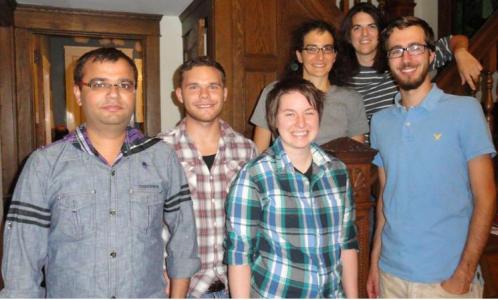
Mainpal Rana (far left) with his group members from the Magee-Womens Research Institute Pittsburgh.

Continue reading

What’s different in your day to day (from graduate school)?

We ask academics at the Naturejobs career expo, San Francisco, what’s changed.

https://youtu.be/rKE2n_tobmk

What do you dislike about your job?

We ask academics at the Naturejobs career expo, San Francisco, what they dislike about their jobs.

https://youtu.be/huuvlt5hepg

What almost derailed you?

We ask academics at the Naturejobs career expo, San Francisco, to name one moment that almost derailed their career.

https://youtu.be/OkDhBqL2A0M

How to start a startup

We ask Ambika Bumb, at the Naturejobs career expo, San Francisco, how to start a start up.

https://youtu.be/qZAHrjQmujU

What’s something you wished you had learnt earlier?

We ask speakers at the Naturejobs career expo, San Francisco, what they wish they had known earlier in their careers.

https://youtu.be/SvNX335-4dg