From academia to Silicon Valley — and back

pexels-photo-77984-smaller

Although faculty members transition from industry to academia (and vice-versa), it’s rare to go back and forth. How does each setting help a researcher grow, and what skills are critical in both environments? Sam King offers his insight.

Five years ago, I left my tenured position in computer science at the University of Illinois at Urbana-Champaign to push myself intellectually and professionally in industry. During these years, I started a company (Adrenaline Mobility), sold my company to Twitter, worked as a software engineer, managed a two-person team, managed a 25-person organization, battled overseas fraudsters and fake accounts, and led a nine-month project (an eternity in industry) that ended up being the largest growth initiative in the history of Twitter. Continue reading

Meditation on a Caltrain: Understanding where to travel to next

Exploring options and thinking laterally about where you can use your scientific skills might be the key to successfully transitioning into industry, learns George Busby.

This piece was one of two winners of the Science Innovation Union writing competition, Oxford.

“This is downtown San Francisco, our train’s final stop. Can all passengers please detrain? All detrain please. All detrain.” Perhaps it was the heady fug of jetlag that made this broadcast particularly amusing to my UK-English language sensibilities, but I “detrained” all the same and stepped into the crisp morning air of the Californian rush hour.

I was on the west coast to visit two genetics start-ups as part of a whirlwind three-day tour of the US. With a long postdoc and several first author papers tucked into my belt, I wanted to see if these credentials would pass muster in the tech haven of Silicon Valley. I’ve always found the loneliness of solo work-travel to be highly amenable to strategic thought, and this American adventure was an opportunity to reflect on why I was there and what I wanted.GettyImages-530306679-smaller

Continue reading

Lost in translation

You may not be an English native speaker, but that shouldn’t be an obstacle in science, says Elena Blanco-Suárez.

GettyImages-550382899-smaller


Continue reading

Finding job satisfaction as a humanitarian researcher

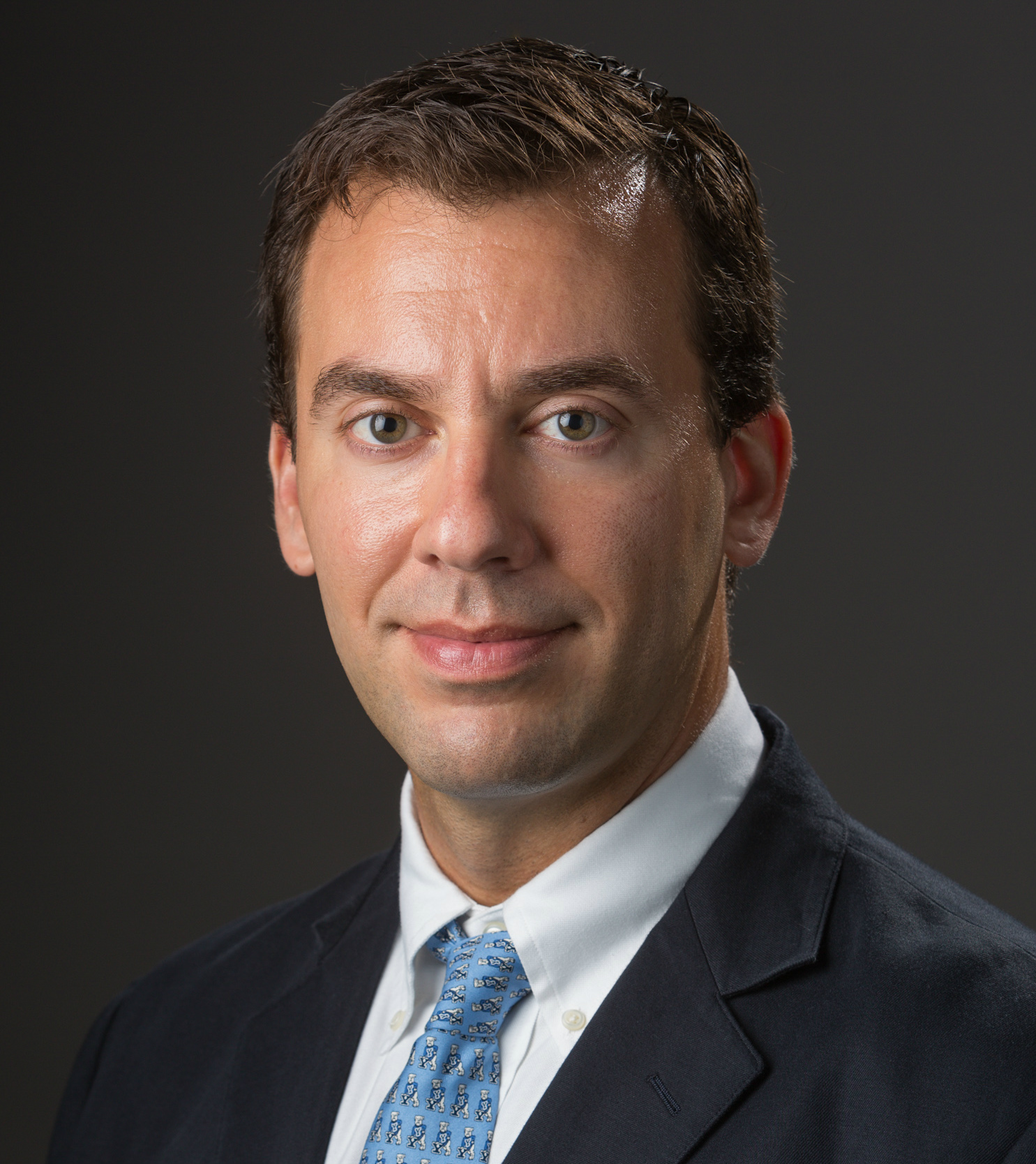
Panagiotis Vagenas left Yale University to advise a non-profit on research design and quality.

What did you do before Yale?

I’m from Greece originally. In 1996 — when I was 17 — I moved to London, UK. I studied biochemistry for my degree and did a PhD in immunology. When I graduated I moved to the Population Council labs at the Rockefeller University in New York to start my postdoc.

pic-smaller-cropped

Panagiotis Vagenas

What did you study?

I worked on basic research in HIV. What’s always motivated me is trying to help people — to have a meaningful career in that sense. So in summer 2010 I moved to Yale School of Public Health and did a master’s in public health (MPH), and went on to join the faculty at the Yale School of Medicine in 2013. Continue reading

Successful vs. effective research presentations

In a disturbing trend, biomedical researchers can achieve a degree of career success despite an inability to effectively communicate scientific information, say David Rubenson and Paul Salvaterra.


“I have only made this letter longer because I have not had the time to make it shorter.”

– Blaise Pascal, The Provincial Letters, 1657

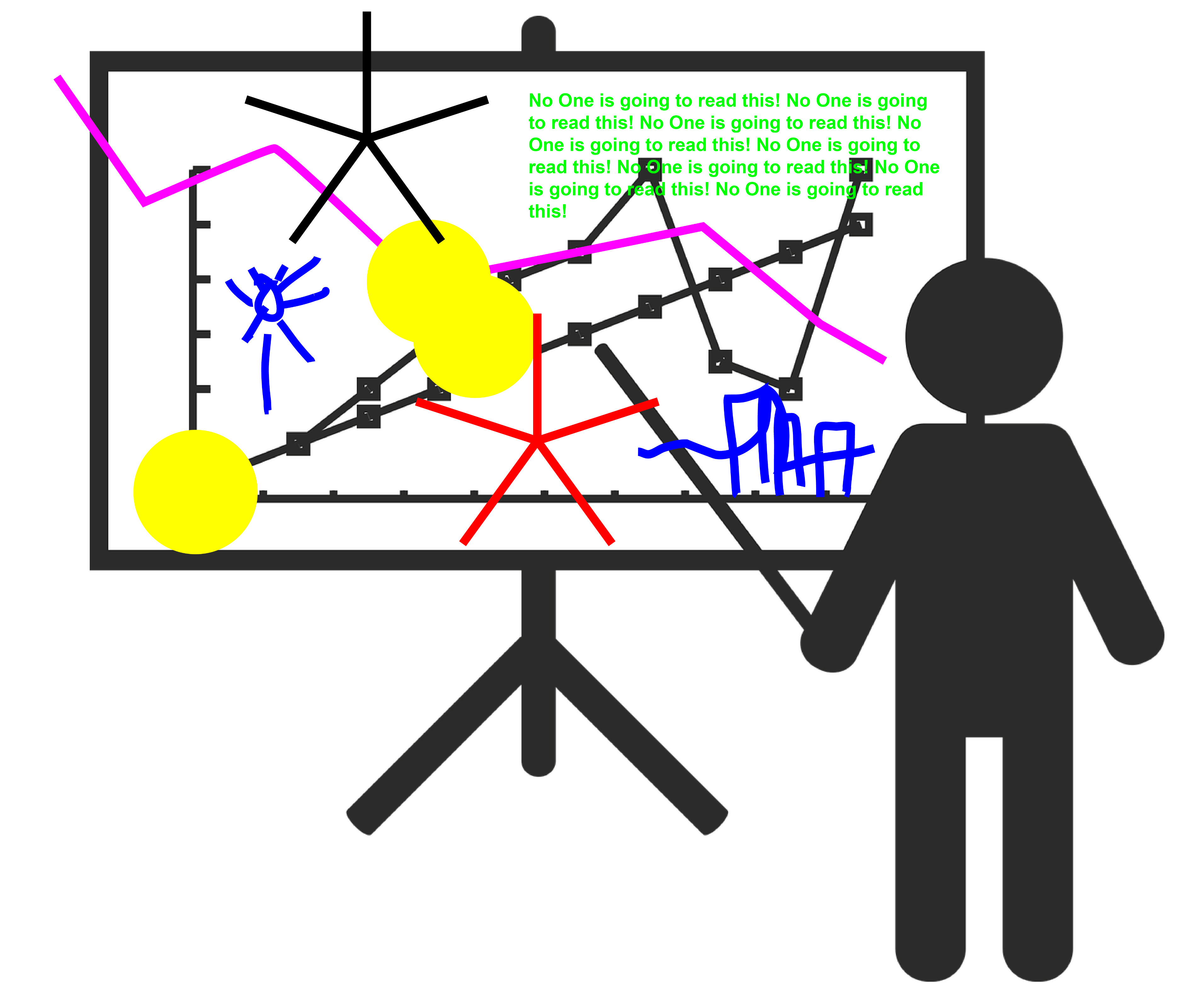
It goes without saying that every biomedical researcher wants to give effective presentations. Or does it? Is a presentation effective if it merely wows the audience with dense data, causes minimal objections, but fails to convey true scientific understanding? While such presentations may provide a degree of career success, they rarely inspire systematic or creative thinking. Scientists are wasting significant time listening to presentations that fail to effectively communicate information.

messy-cropped Continue reading

Uncertain Airspace: Changing career paths is disorienting and exhilarating

Pursuing a new career makes PhD student Jonathan Wosen feel like a baby goose—and he loves it.

Sometimes I ask people, “if you weren’t studying biology, what would you do?”

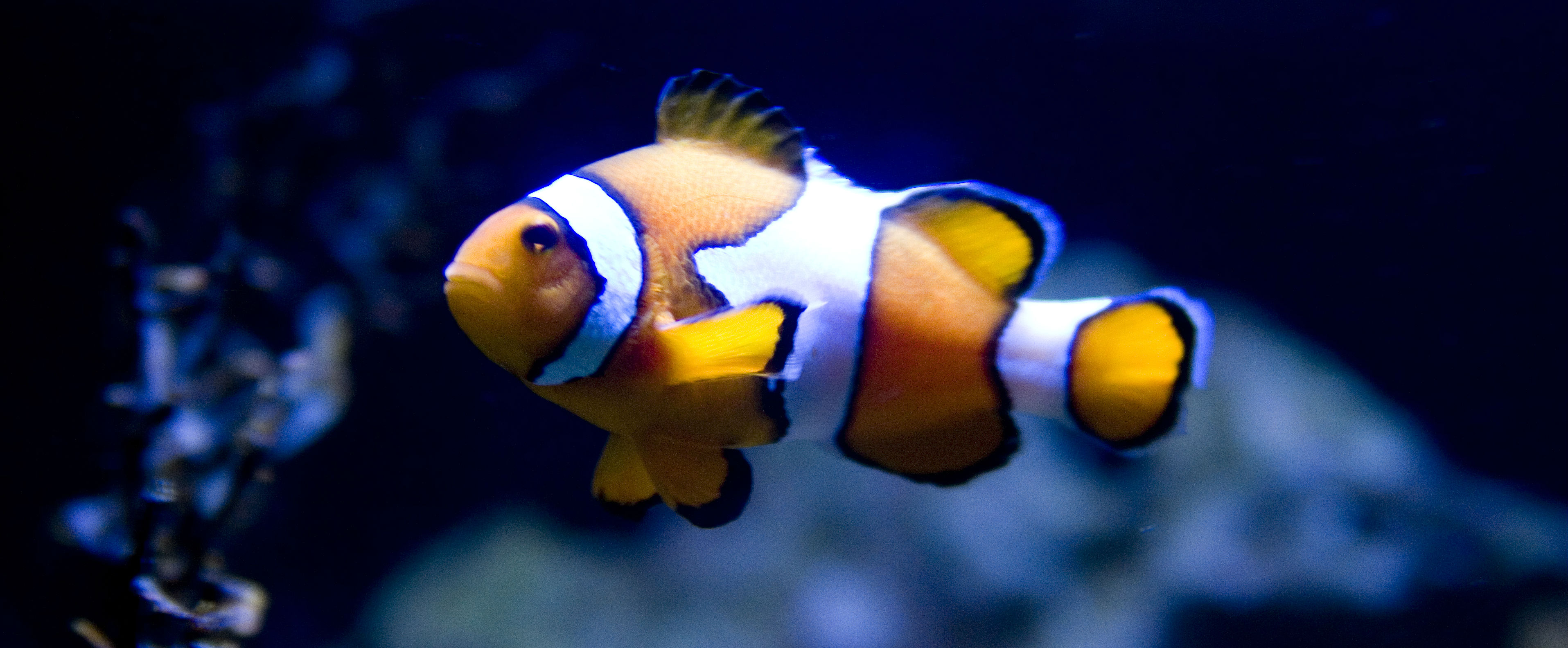
At first, they’re taken aback, and I don’t blame them. PhD students are self-selected for a certain kind of persistent, focused thinking; that’s what it takes to become the world’s leading expert on your thesis project. We are as deeply immersed in our work as a fish in water. That makes asking a graduate student to consider a different field of study a lot like asking a fish to imagine life on dry land.

Clownfish_in_blue_water-smaller

“We are as deeply immersed in our work as a fish in water. That makes asking a graduate student to consider a different field of study a lot like asking a fish to imagine life on dry land.”

Continue reading

What’s different in your day to day (from graduate school)?

We ask academics at the Naturejobs career expo, San Francisco, what’s changed.

https://youtu.be/rKE2n_tobmk

What do you dislike about your job?

We ask academics at the Naturejobs career expo, San Francisco, what they dislike about their jobs.

https://youtu.be/huuvlt5hepg

What jobs are in demand?

We ask speakers at the Naturejobs career expo, San Francisco, to talk over some of the jobs that are most in demand in industry, in California.

https://www.youtube.com/watch?v=DAm57KsWQBs

What almost derailed you?

We ask academics at the Naturejobs career expo, San Francisco, to name one moment that almost derailed their career.

https://youtu.be/OkDhBqL2A0M