Different “Me”s open up a new world on a personal and scientific level

Haruka Yuminaga’s experience moving back to Japan has been a challenge — but has helped her become a better scientist.

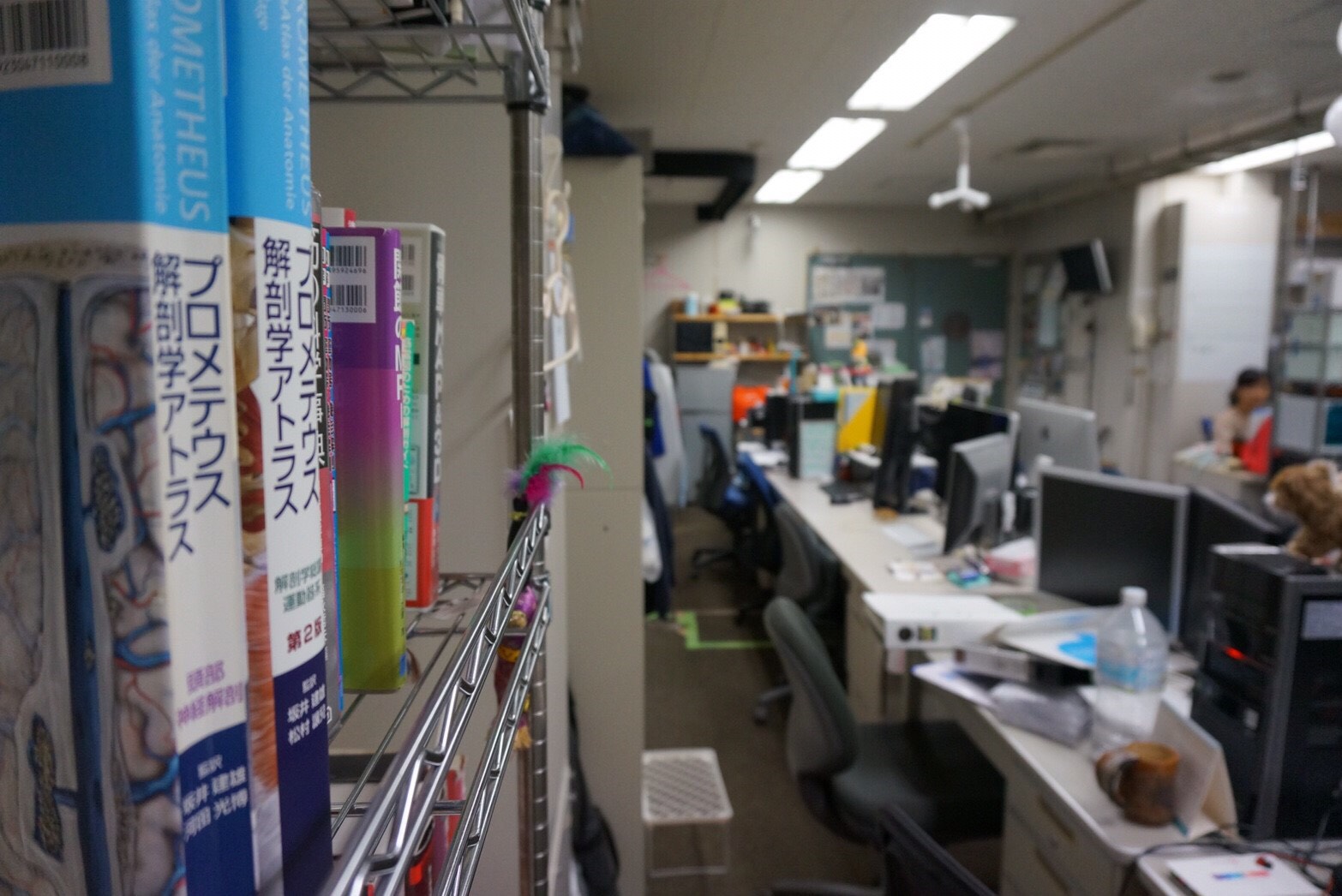
A light grey room is filled with 23 grey desks, scattered in pens and books. In one corner sits a refrigerator packed with snacks. Next to it is a rice cooker. The walls are covered in pictures of fun lab memories. Amidst the clutter, some students joke and laugh; chat with a professor about their experimental procedures; analyze data on their laptops and unconsciously wrinkle their brows.
umi lab

The Ushiba lab

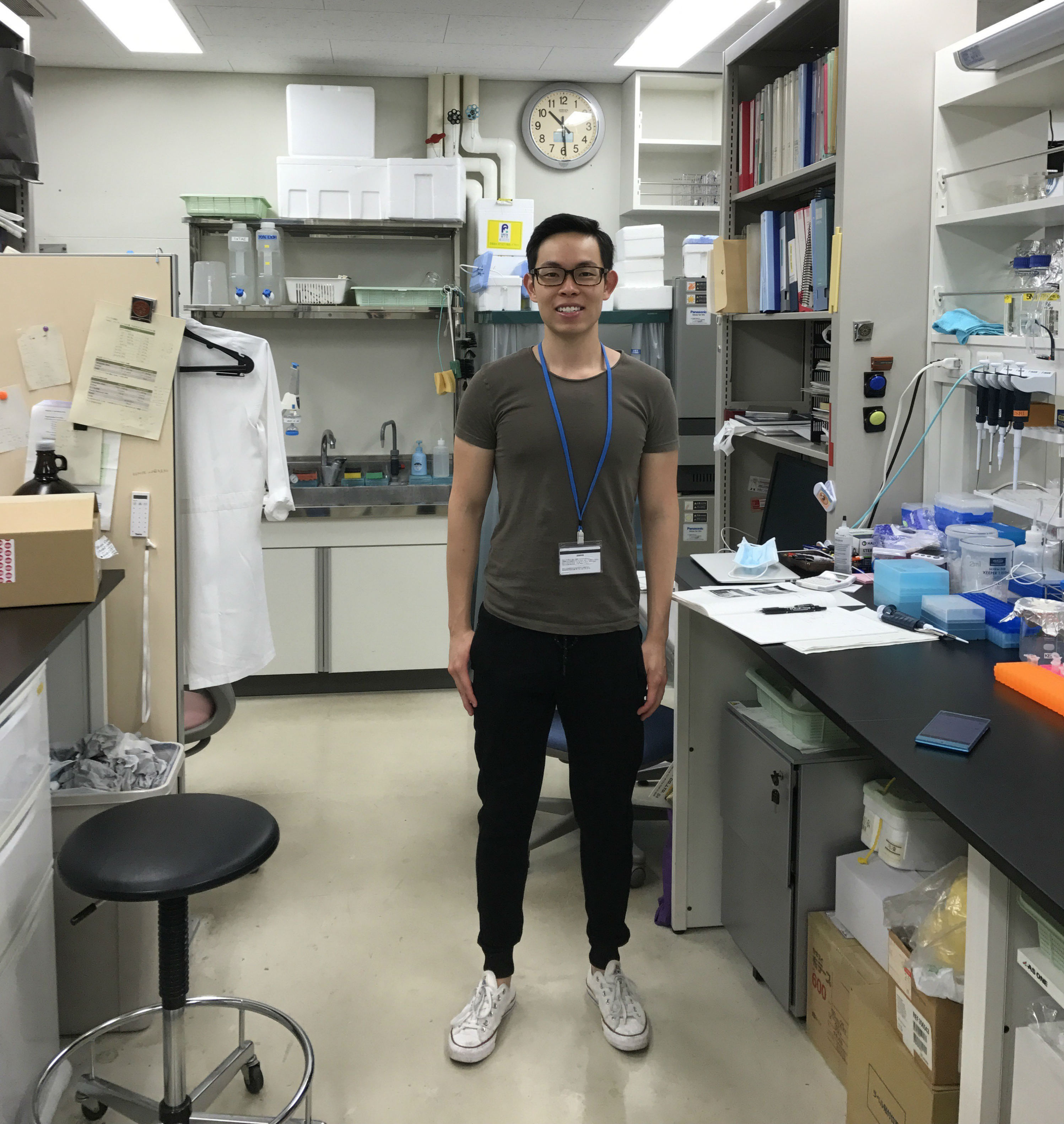
It is a usual morning at the Ushiba lab where I’m doing an internship this summer. I am a rising junior at Macalester College in Minnesota, USA. Before spending two years in a U.S college, I spent all my life in Japan, and expected being back in a Japanese lab to feel natural. But my assumption was wrong.
Reverse culture shock

Continue reading

An overseas research intern’s journey in Japan

My overseas internship experience significantly increased my knowledge of research culture and lifestyles in foreign countries.

Guest contributor Andy Tay

Previously, I shared my thoughts on the usefulness of an overseas working experience to establish networks with international experts, and to develop cultural awareness — both of critical importance in a researcher’s career. This year, I decided to head to Japan, Tokyo to work on stem cells as a summer intern at the RIKEN Brain Science Institute (BSI).

If you’re thinking of an overseas internship, especially in Japan, my hope is that this will be of help to you.

andy in japan-smaller

Andy in his new lab

Continue reading

The next generation of science outreach

Increased communication and outreach efforts require changes in the structure and culture of academic science, says Nicole Forrester.

In the wake of the US presidential election in November 2017, the scientific community has recognized that it has fallen short in communicating the value of science and research. As a result, scientists are now calling for increased public outreach and communication efforts. While this awareness is important, the path forward is not entirely clear.

pexels-photo-77984-smaller Continue reading

The worldwide web of science

International networking should be a priority for young scientists, says Aliyah Weinstein.

Early career scientists are often told that networking is important for future career prospects and mobility. Often, this comes in the form of a nudge to attend university seminars, events for local scientific professionals or national conferences. These are typically great for meeting scientists working in your city or country – but developing an international network can often be much more difficult. First, scientists are most often around others working at their university or research centre, making this their primary network. Second, travel to attend international conferences may be cost-prohibitive, especially for early career scientists. Finally, connecting with colleagues outside of the country may not be on the radar of students and postdocs, or may seem overwhelming at that stage of a scientific career.

network-1911678_1920 Continue reading

How travelling can help prepare you for a successful research career

Travelling has enhanced my scientific networks and social awareness, and prepared me to work in an international setting.

Guest contributor Andy Tay

As science becomes more inter-disciplinary, scientists increasingly need to travel to promote their work and build collaborations. Whilst it’s common for professors to travel frequently, graduate students or post-docs may not be aware of the importance of travelling in building a career. Here’s how travelling has helped me — and how it might help you.

11237194915_b26ca4ae4d_o

{credit}Flickr/British Library{/credit}

Continue reading

The Art of Supervision in the Arab and Gulf Region

The upcoming generation of Arab scientists has to be mentored differently, says Mohamed Boudjelal

This piece was cross-posted with Nature Middle East

professor-1696568_1280-smaller

The majority of the Arab world gained independence from western colonization during the second half of the 20th century. While Western states were building their research base then, most Arab states were focused on education. Now, the Arab world is trying to catch up. The two main challenges we face today are improving scientific training, and engaging more women in science.
Continue reading

Tips to identify the perfect employer

Knowing yourself, what you want and what motivates you should be the foundation of your job hunt, says Ulrike Träger.

Finding the right job and organization to work in after your PhD can be a daunting task. Coming from an academic setting, researchers tend to struggle to identify skill sets needed for a change in their career paths, asking questions like ‘what skills should a medical writer have?’ Job titles sometimes explain little about the actual work responsibilities—did you know, for example, that an ‘Innovation Facilitator’ communicates science and sets up links between academia and industry, to help speed up drug development or begin business opportunities?

Different_ iStockphoto_Thinkstock

{credit}iStockphoto/Thinkstock{/credit}

Continue reading