Q&A: Progress for Congress

A neuroscientist wants to see change in the government — and he’s creating it.

Thomas Prigg is a brain cell circuitry researcher at Carnegie Mellon University in Pittsburgh, Pennsylvania, US. Now he’s using his science skills to fuel his campaign for Congress in 2018. He talks to Nikki Forrester. Continue reading

Out of the lab and onto the streets

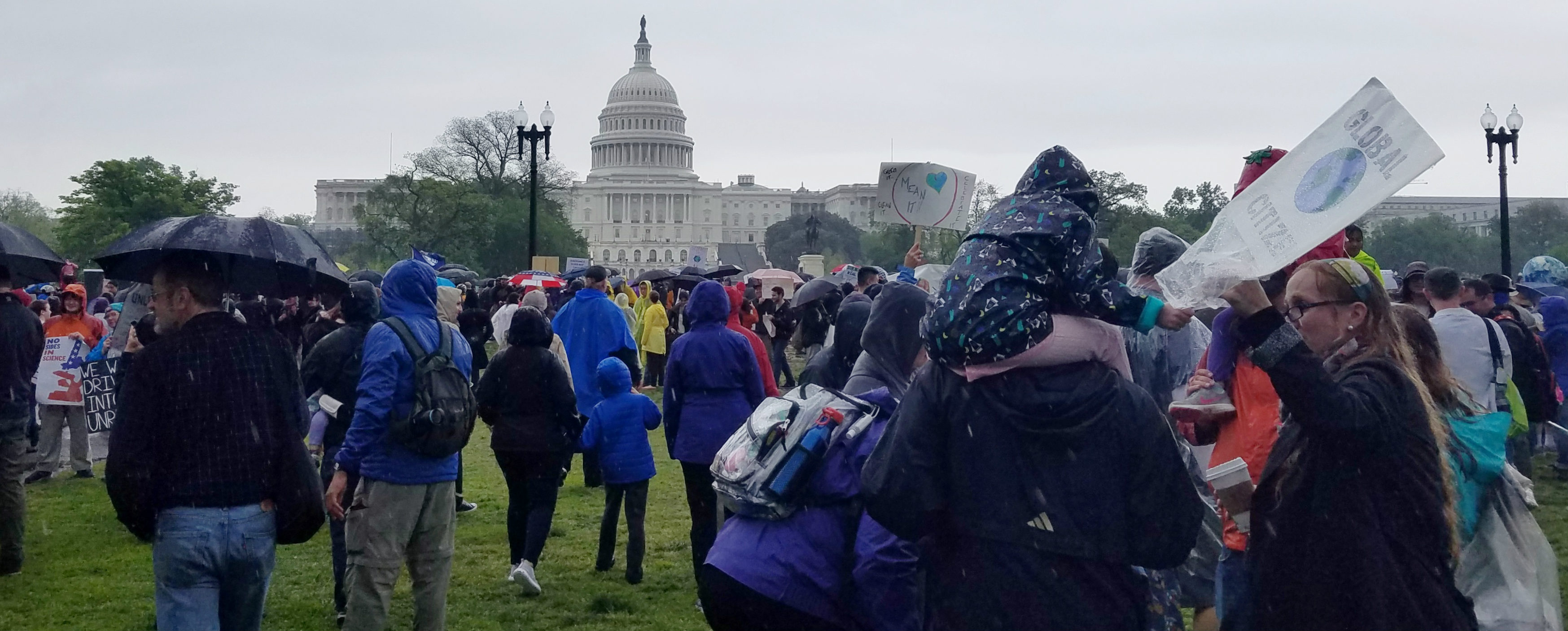
Nicole Forrester recounts and reflects on her experience at the March for Science in Washington D.C.

April 22 began with a drizzly ride on rented bikes through the streets of southeast D.C. to the Washington monument. I was accompanied by Dylan Jones, an outdoor recreation and environmental writer from West Virginia. “I typically opt for escaping civilization on Earth Day,” Jones said, “but today I decided to go straight into the heart of it.” We weaved through roads littered with people in rain shells and lab coats, carrying vibrant signs and rainbow umbrellas.

Capitol-smaller-cropped

Continue reading

The next generation of science outreach

Increased communication and outreach efforts require changes in the structure and culture of academic science, says Nicole Forrester.

In the wake of the US presidential election in November 2017, the scientific community has recognized that it has fallen short in communicating the value of science and research. As a result, scientists are now calling for increased public outreach and communication efforts. While this awareness is important, the path forward is not entirely clear.

pexels-photo-77984-smaller Continue reading

Development and debate about the March for Science

The March for Science’s date has been set for April 22nd. Nicole Forrester speaks to scientists planning to take part.

It’s fair to say the scientific community is spending a lot of time talking about the March for Science, due to take place on April 22, 2017. While organizers are preparing for events in Washington, D.C. and satellite locations around the world, scientists are evaluating their roles in politics and public outreach. I reached out to scientists and science supporters to discuss the march and the impact of recent political decisions on science, scientific policy, and our careers as scientists.

According to their website, the March for Science was founded as “a celebration of our passion for science and a call to support and safeguard the scientific community.” For many scientists, though, it’s about supporting the scientific process itself and advocating for its importance. Joel Sachs, an Associate Professor of Biology at the University of California, Riverside, says, “Science is just a way of learning about the world and is incredibly important to make predictions about what’s going to happen in the future — in terms of our climate, disease, and how to manage crops and livestock.
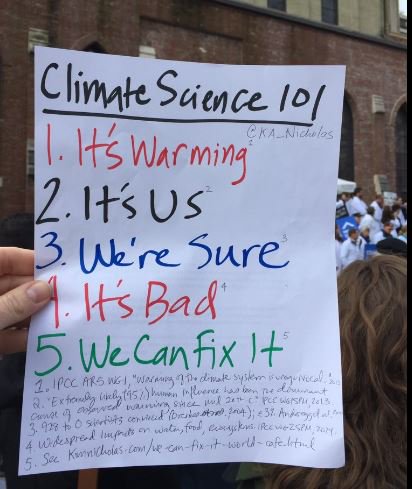
{credit} Bill McKibben/ Twitter: https://twitter.com/billmckibben/status/808791393569243140?lang=en{/credit}

Continue reading