Announcement: The Naturejobs blog is moving house

We’re no longer publishing career stories from our global community of scientists on this platform.  Instead they’ll be posted in a shiny new home at nature.com/careers alongside the latest print news and features from Nature’s careers section. We believe this will better serve our authors and audience.

If you have a careers story to tell, you can get in touch with the editors here.

The blog will continue to be home to more than 1000 posts dating back to 2011, including advice on how to polish your CV, how to answer tricky interview questions, the best way to mentor colleagues, and how to thrive in careers both inside and outside academia.

We plan to migrate some of this important content over to nature.com/careers in due course, along with our monthly podcast about careers in science. Subscribe to our weekly newsletter — or follow our RSS, Twitter, Facebook or Instagram — for regular updates and to get the latest careers advice and information.

If you have any questions or comments please feel free to email the editors here.

The Naturejobs team.


Suggested posts

How to answer: Why do you want to work for us?

Done is better than perfect: overcoming PhD perfectionism

Why scientists should communicate hope whilst avoiding hype

Make your cover letter and CV stand out

How to answer: What is your greatest weakness?


Follow us

Twitter / Facebook / Instagram / LinkedIn / Newsletter / RSS / Atom / Feedburner



Building a Scientific Community – DIY for Young PIs

Through developing a new type of conference, we built a new scientific community – a place to openly share ideas, enjoy the support of our peers through both professional and personal bonds, and promote our trainees. Here’s how.

By Gabriel Leprivier, Thomas G. P. Grünewald, Maya Bar, Oded Rechavi, Barak Rotblat

Becoming a new PI is an exciting experience with its own set of challenges. To maximize our scientific and social impact, we asked how we could make conferences better for attendees. Could we come up with a conference format which would form a community, with an emphasis on mutual respect, trust and a spirit of collaboration?

Continue reading

Growing the next generation of scientists

Scientists have a duty to inspire the next generation of students. To do this, we need greater interaction with young people and the local community.

Naturejobs journalism competition winner Jessica Gorrill

The future of STEM (science, technology, engineering and mathematics) in the UK is on shaky ground. The numbers of entries at A-level for Biology, Physics and Chemistry dropped by 1%, 2.6% and 1.6% respectively in 2016, according to statistics collected by the Joint Council for Qualifications. This ends the steady increase seen since 2009. Whilst this drop may be attributed to the first year of new government reforms, it could be the beginning of a worrying trend of students neglecting careers in science.

Ideas-naturejobs-blog

{credit}Topp_Yimgrimm/ThinkStock{/credit}

Continue reading

Development and debate about the March for Science

The March for Science’s date has been set for April 22nd. Nicole Forrester speaks to scientists planning to take part.

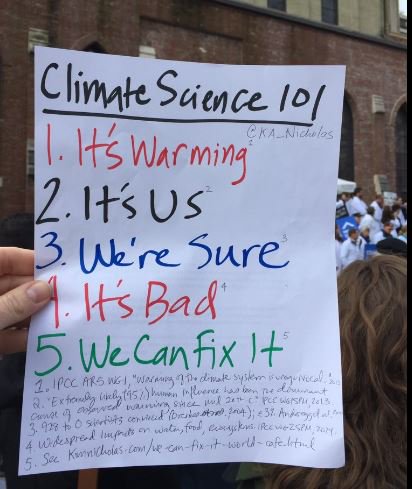
It’s fair to say the scientific community is spending a lot of time talking about the March for Science, due to take place on April 22, 2017. While organizers are preparing for events in Washington, D.C. and satellite locations around the world, scientists are evaluating their roles in politics and public outreach. I reached out to scientists and science supporters to discuss the march and the impact of recent political decisions on science, scientific policy, and our careers as scientists.

According to their website, the March for Science was founded as “a celebration of our passion for science and a call to support and safeguard the scientific community.” For many scientists, though, it’s about supporting the scientific process itself and advocating for its importance. Joel Sachs, an Associate Professor of Biology at the University of California, Riverside, says, “Science is just a way of learning about the world and is incredibly important to make predictions about what’s going to happen in the future — in terms of our climate, disease, and how to manage crops and livestock.

{credit} Bill McKibben/ Twitter: https://twitter.com/billmckibben/status/808791393569243140?lang=en{/credit}

Continue reading

Donald Trump’s immigration ban and its impact on the scientific community

trumpmarch

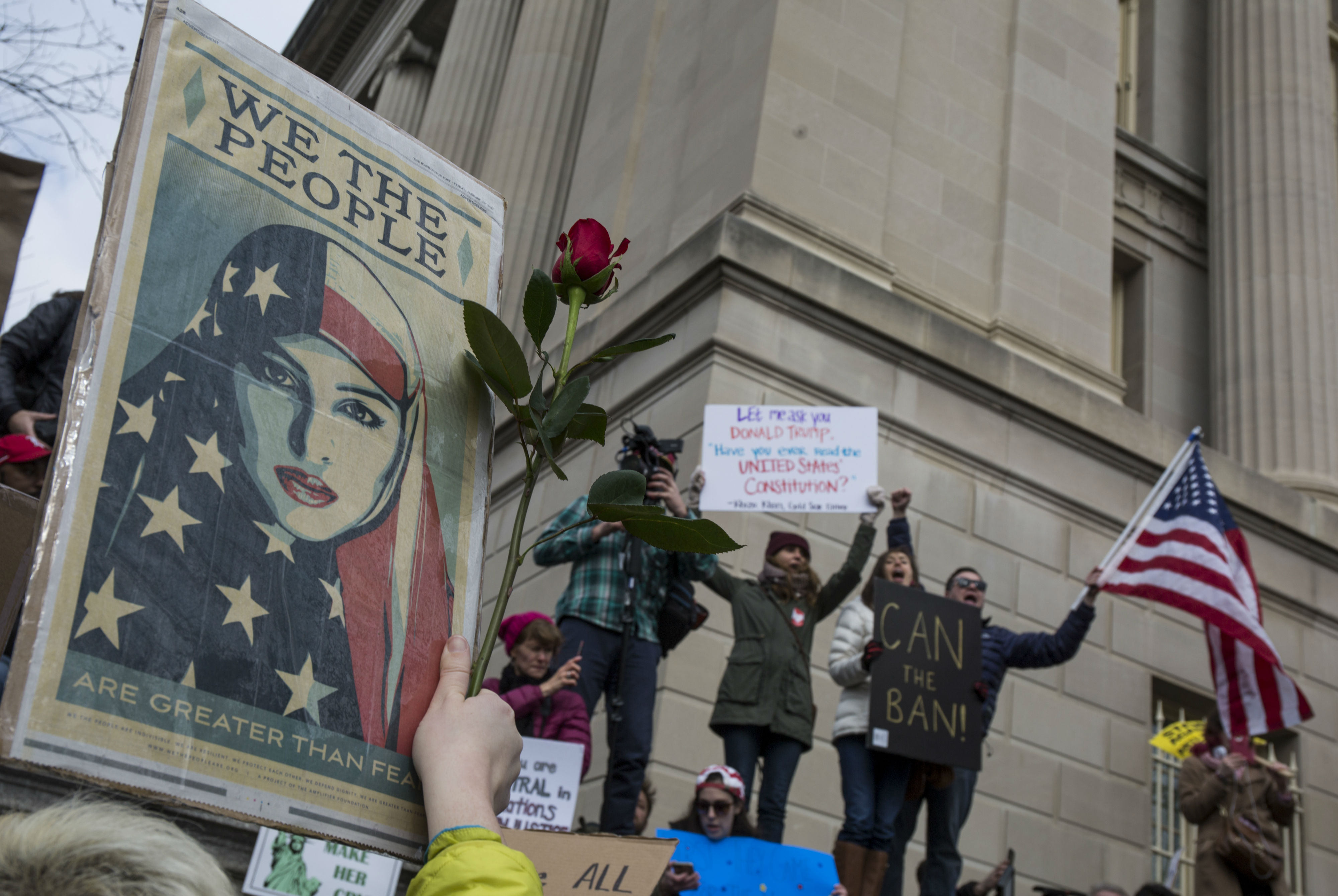
Demonstrators protest outside The White House on January 29 2017

Immigration attorney Brendan Delaney summarises the issues for scientists affected by the US travel ban.

Continue reading

Science communication: A solution to the upcoming Brexit funding gap?

Effective science communication could be key to making science part of the identity of the UK, says Naturejobs journalism competition winner Helen Robertson.

Post-Brexit furor is hard to avoid in the UK media at the moment. Endless speculation surrounds what looks to be a socioeconomic experiment on a national scale, and it goes without saying that the implications will be far-reaching across all UK industries.

piggybank

Leaving the EU has been projected to cost British science one billion rapidly-falling pounds a year

Continue reading