How colleagues can influence career decisions

We like to think that our career decisions are made by us, rather than by somebody else. But what if the people around us influence the decisions we make, asks Jessica Gorrill.

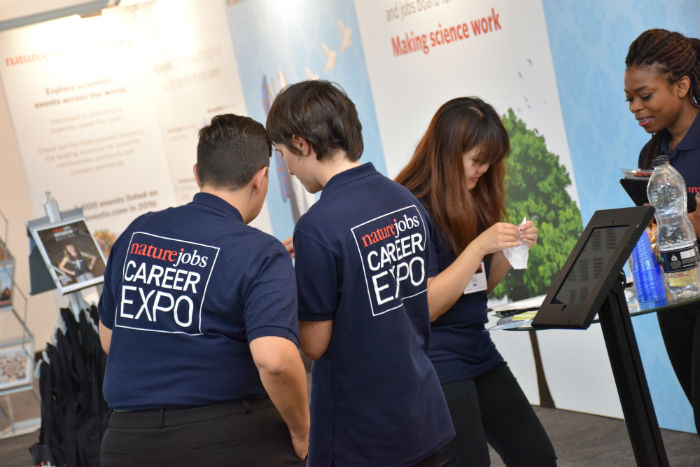
Naturejobs colleagues

{credit}Paul Young{/credit}


A recurring theme from the recent Naturejobs Career Expo 2017 was the importance of interpersonal relationships and how these can shape the course of our careers.  Continue reading

Growing the next generation of scientists

Scientists have a duty to inspire the next generation of students. To do this, we need greater interaction with young people and the local community.

Naturejobs journalism competition winner Jessica Gorrill

The future of STEM (science, technology, engineering and mathematics) in the UK is on shaky ground. The numbers of entries at A-level for Biology, Physics and Chemistry dropped by 1%, 2.6% and 1.6% respectively in 2016, according to statistics collected by the Joint Council for Qualifications. This ends the steady increase seen since 2009. Whilst this drop may be attributed to the first year of new government reforms, it could be the beginning of a worrying trend of students neglecting careers in science.

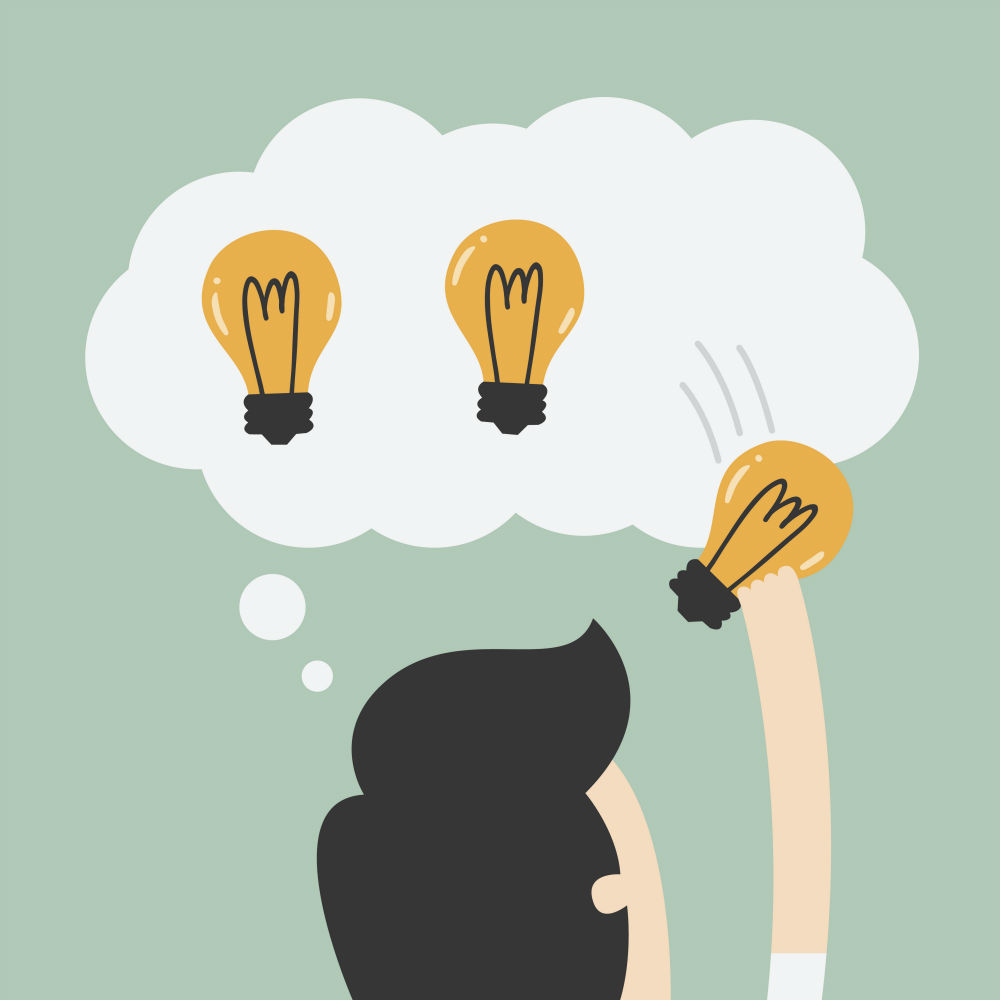
Ideas-naturejobs-blog

{credit}Topp_Yimgrimm/ThinkStock{/credit}

Continue reading

The start and the middle: beginning your PhD

The initial stages of a PhD can be daunting. Fortunately, there are a few ways you can make the transition into productive doctoral study as smooth as possible.

Whether you’re starting a PhD fresh out of undergrad or after many years of employment, the decision to begin a doctorate is a significant career move. When I started, 18 months ago, I figured I had a pretty good idea of what I was getting into: I’d previously worked in industry, completed a Master’s degree, and worked as a research assistant in another lab.

But I soon realized that my PhD was different — in a number of ways — from what I’d done before. Here are some things I’ve learnt so far, and some ways I‘ve made efficient use of my brief time as a PhD student.

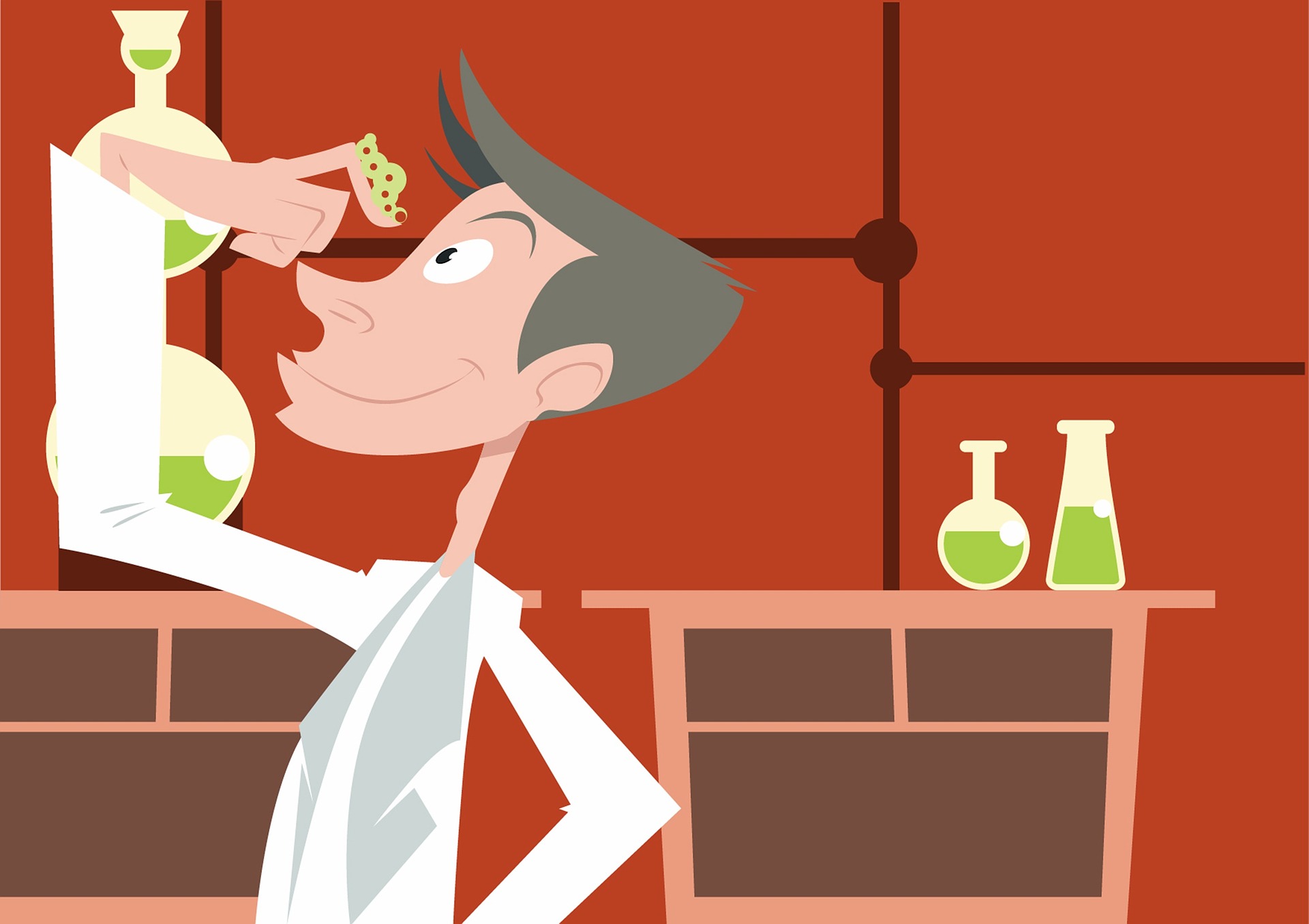
scientist-762627_1920
Continue reading

#scidata16: Work reproducibly for the sake of your career

Making sure others can do your experiments doesn’t just help them — it’s good for you, too.

Publishing Better Science through Beter Data writing competition Jonathan Page

A core tenet of science is reproducibility: the results of one scientist must be able to be reproduced by another, lest the findings be dismissed as a fluke or even fraudulent. In today’s data-driven realms of research, ‘reproducibility’ doesn’t simply mean publishing methods, many journals now require that datasets, and the code used to analyse them, be published too. This requirement ensures that both data, and methods, can be scrutinised. If other researchers can’t reach the same results, the study will need to be treated with caution. In doing this, scientists avoid damaging their reputation by publishing flawed studies, and journals avoid publishing bad science. It’s a win-win situation.

So why don’t scientists always work reproducibly?
JPage_Profile-smaller

Jonathan Page

Continue reading

The “black box” effect in science communication

To counter sensationalist journalism and to bring the public closer to the realities of research, science communication must focus on the how and why of science, says Naturejobs journalism competition winner Lev Tankelevitch.

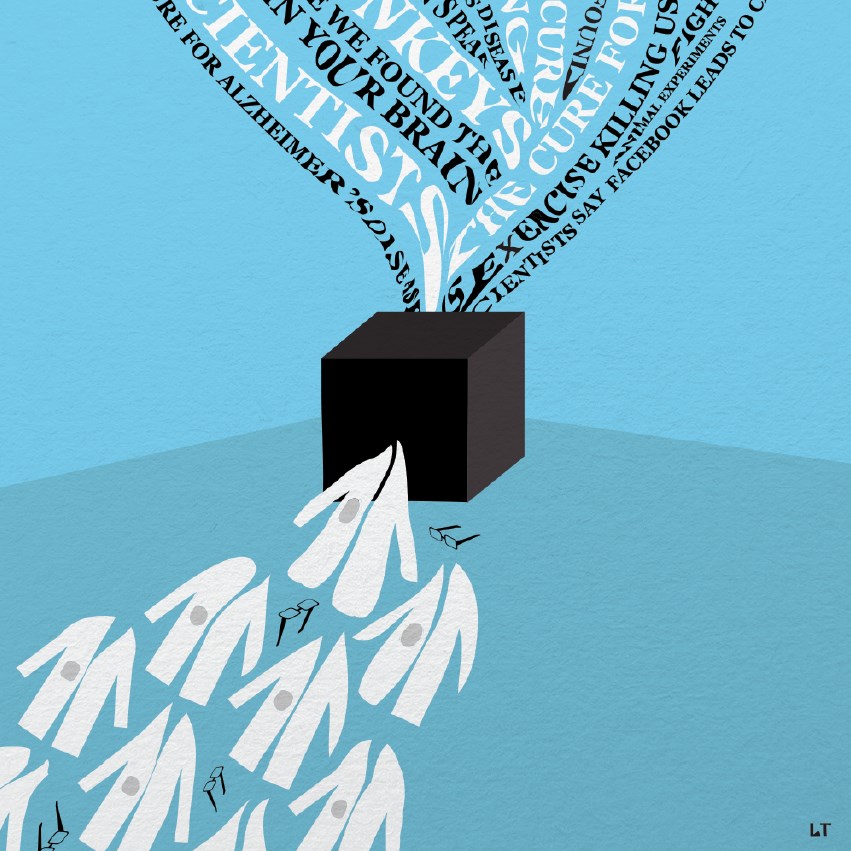
In July 2016 scientists found out how to map the brain into dozens of new areas using neuroimaging. We also discovered that thousands of such brain scanning studies may be flawed. To someone lacking insight into neuroscience, these two equally important studies can seem conflicting. Although “science communication” happens everywhere, science can still feel like a black box to the public, mysteriously churning out breakthroughs which are packaged and relayed by a barrage of tweets and headlines.

image Continue reading

How is the rise of data-intensive research changing what it means to be a scientist?

Research involving vast quantities of data may be changing the image of scientific research, but is it changing the image of scientists too?

Scidata publishing better science through better data competition winner Jonathan Page.

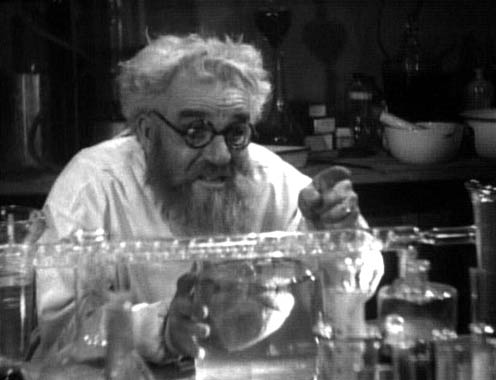
An intrepid, khaki-clad explorer, machete in hand, cutting their way through some undiscovered wilderness. A bespectacled, grey-haired academic in a white coat, supervising some elaborate experiment in a lab, illuminated by glowing lights and flashing buttons. These are the classical images sometimes conjured when the word ‘scientist’ is mentioned.

Maniac9

Horace B. Carpenter as Dr. Meirschultz, a scientist attempting to bring the dead back to life in the 1934 film Maniac

Continue reading