Good science communication is a key force in driving change, but finding common ground can be a challenge – especially across linguistic barriers, says Jacqueline Gamboa.


Naturejobs journalism competition winner Lev Tankelevitch
This past August, I visited the Naturejobs career expo in London. As I chatted with exhibitors, I was ready to decline the typical set of leaflets they give away at these things. To my surprise, I was given a USB stick loaded with all of the information that I’d otherwise be carrying home in a canvas bag. This small but much appreciated gesture highlighted for me the significance of effective communication.
Scidata publishing better science through better data competition winner Jonathan Page.
An intrepid, khaki-clad explorer, machete in hand, cutting their way through some undiscovered wilderness. A bespectacled, grey-haired academic in a white coat, supervising some elaborate experiment in a lab, illuminated by glowing lights and flashing buttons. These are the classical images sometimes conjured when the word ‘scientist’ is mentioned.
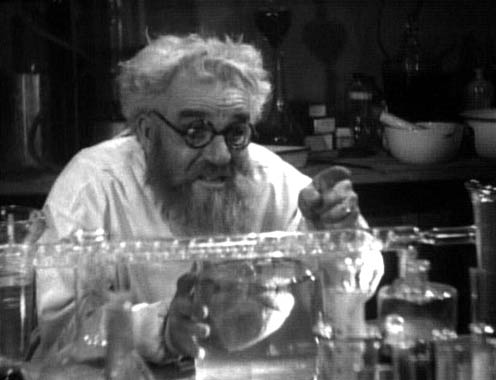
Horace B. Carpenter as Dr. Meirschultz, a scientist attempting to bring the dead back to life in the 1934 film Maniac