You’re a designer — act like one

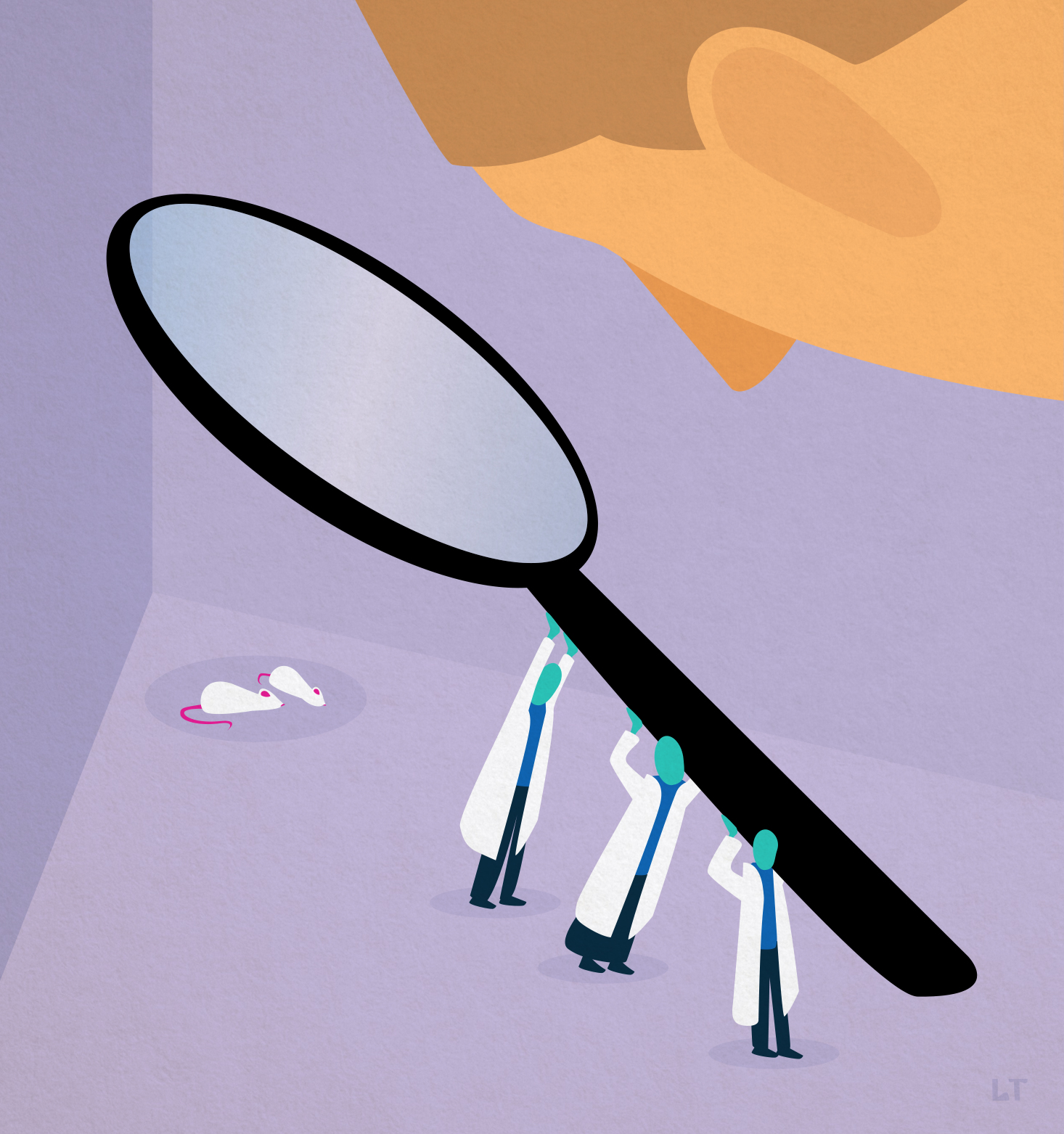
To communicate effectively, scientists have to start thinking like designers: know your audience, follow the rules of human perception, and tell your story in many layers.

Naturejobs journalism competition winner Lev Tankelevitch

This past August, I visited the Naturejobs career expo in London. As I chatted with exhibitors, I was ready to decline the typical set of leaflets they give away at these things. To my surprise, I was given a USB stick loaded with all of the information that I’d otherwise be carrying home in a canvas bag. This small but much appreciated gesture highlighted for me the significance of effective communication.

pexels-photo-196646 Continue reading

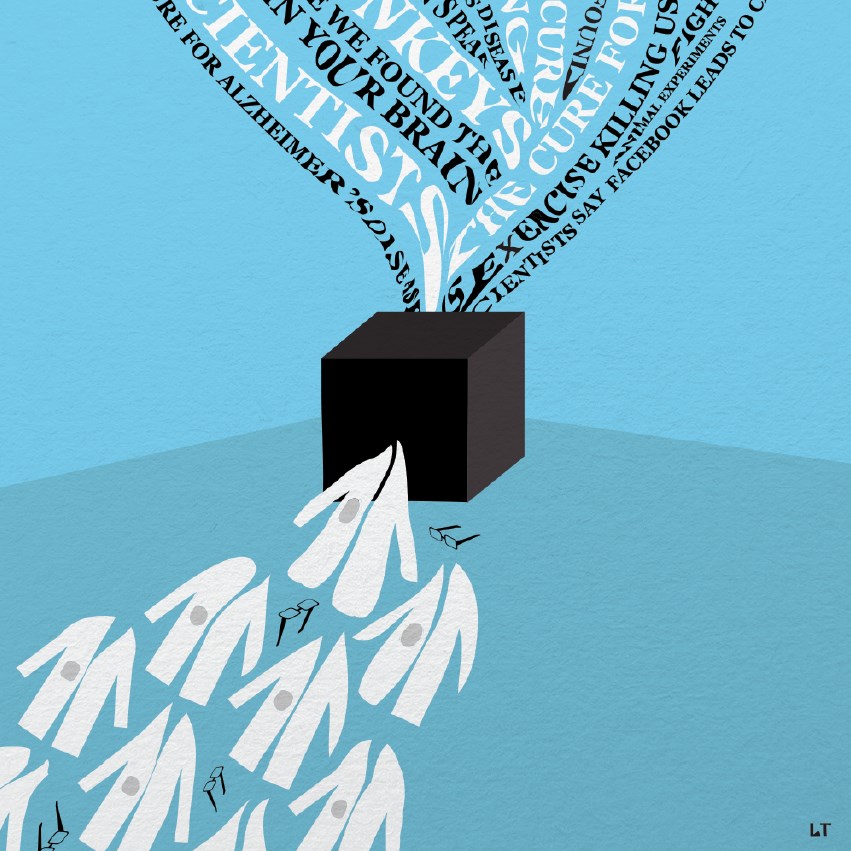
The “black box” effect in science communication

To counter sensationalist journalism and to bring the public closer to the realities of research, science communication must focus on the how and why of science, says Naturejobs journalism competition winner Lev Tankelevitch.

In July 2016 scientists found out how to map the brain into dozens of new areas using neuroimaging. We also discovered that thousands of such brain scanning studies may be flawed. To someone lacking insight into neuroscience, these two equally important studies can seem conflicting. Although “science communication” happens everywhere, science can still feel like a black box to the public, mysteriously churning out breakthroughs which are packaged and relayed by a barrage of tweets and headlines.

image Continue reading