Scientific play is a serious business

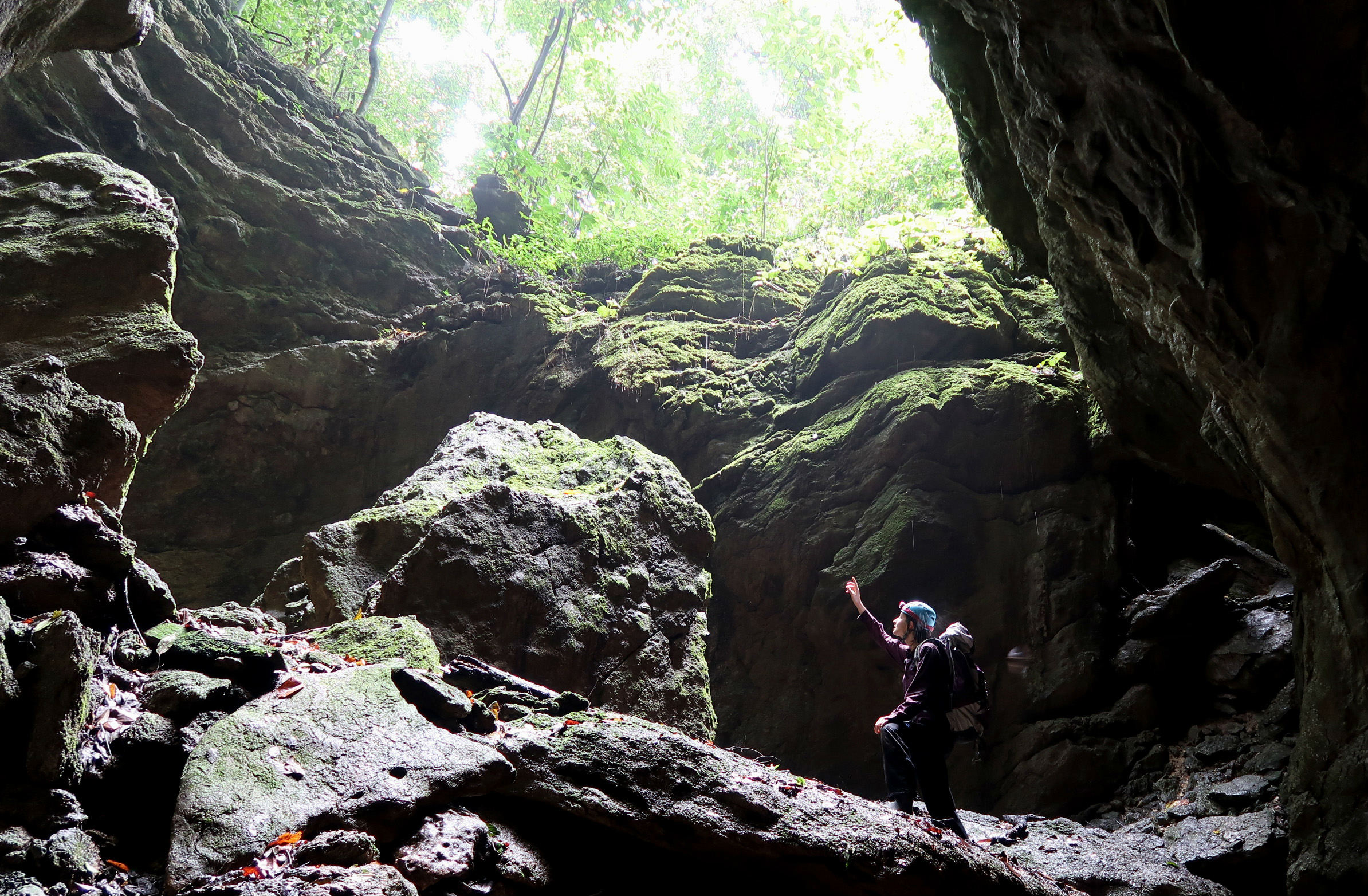
Iva Njunjić’s dream to explore caves and work on cave beetles took her far from her home country of Serbia — to the beautiful island of Borneo.

Bod Tai cave on Borneo-smaller

This photo was taken during field work in Sabah, Malaysia where Prof. Menno Schilthuizen, his PhD student Mohd Zacaery bin Khalik and I went to explore caves and hunt for new species of cave invertebrates. We spent many days around a small village on the Kinabatangan River, trying to locate caves in numerous limestone hills and gather information about the organisms that live there. Continue reading

Reflections on the L’Oreal-UNESCO For Women in Science program

Muireann Irish on celebrating diversity in science

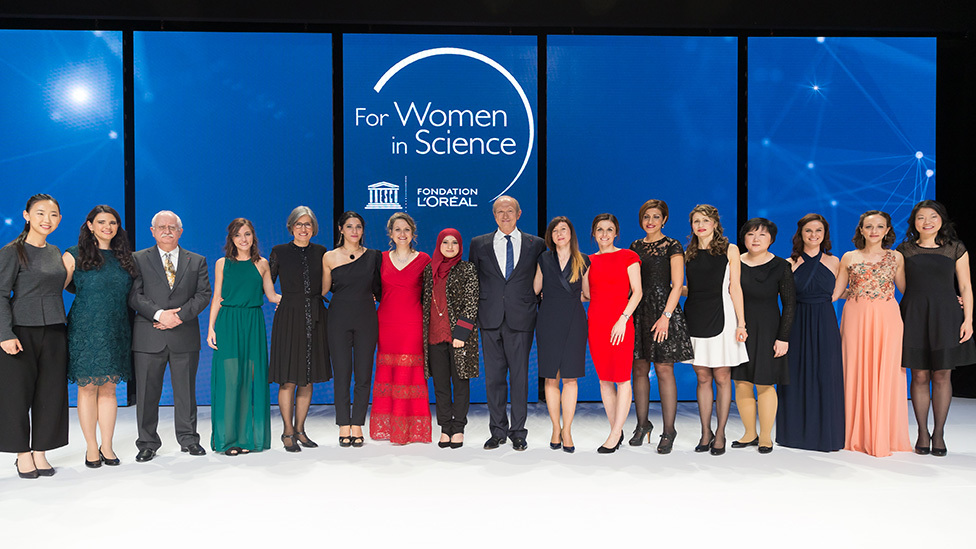
Springtime in Paris seems a fitting backdrop for any awards ceremony but particularly so in the case of the L’Oréal-UNESCO For Women in Science program. I recently had the honour of attending the 2017 International Awards along with 14 other early career researchers from around the globe, as part of the L’Oréal-UNESCO International Rising Talents Fellowship.

FWIS IRT ceremony 2017 Continue reading

New neuroscience tools for team science in ‘big data’ era

By Esther Landhuis

Wandering the convention center among 30,000-plus researchers, students and vendors at the Society for Neuroscience annual meeting in San Diego last November, I struggled to wrap my head around a feature I was writing for this week’s Nature, on managing big brain data. Mice, molecular biology and cell sorting reigned supreme in my former life as a bench scientist. Neurons, brain imaging, terabytes — not so much. So when it came time to find an entry into the vast universe of the brain, I latched onto something that seemed small and manageable: the fruit fly.

Ann-Shyn Chiang of National Tsing Hua University, Taiwan, told the SFN crowd his team has spent a decade imaging 60,000 neurons in the Drosophila brain. The pictures produced 3D maps detailed enough to show which neurons control precise behaviors, such as shaking the head side to side (see video). But here’s the part that blew my mind: They aren’t even halfway done (flies have 135,000 brain neurons), and mapping the human brain with similar methods would take 17 million years!

Head shake behavior elicited by a 593.5-nm laser. Credit Po-Yen Hsiao and Ann-Shyn Chiang.

Continue reading

You’re a designer — act like one

To communicate effectively, scientists have to start thinking like designers: know your audience, follow the rules of human perception, and tell your story in many layers.

Naturejobs journalism competition winner Lev Tankelevitch

This past August, I visited the Naturejobs career expo in London. As I chatted with exhibitors, I was ready to decline the typical set of leaflets they give away at these things. To my surprise, I was given a USB stick loaded with all of the information that I’d otherwise be carrying home in a canvas bag. This small but much appreciated gesture highlighted for me the significance of effective communication.

pexels-photo-196646 Continue reading

Finding job satisfaction as a drug safety manager

Steffen Schulz was completing his PhD in medical neuroscience when he realised he needed more job security than academia could offer. Now, he works as a drug safety manager in his native Berlin.

How did you get into biology?

Originally I was interested in the origin and the development and evolution of life. Then I shifted to questions like ‘why do animals and humans behave the way they do?’

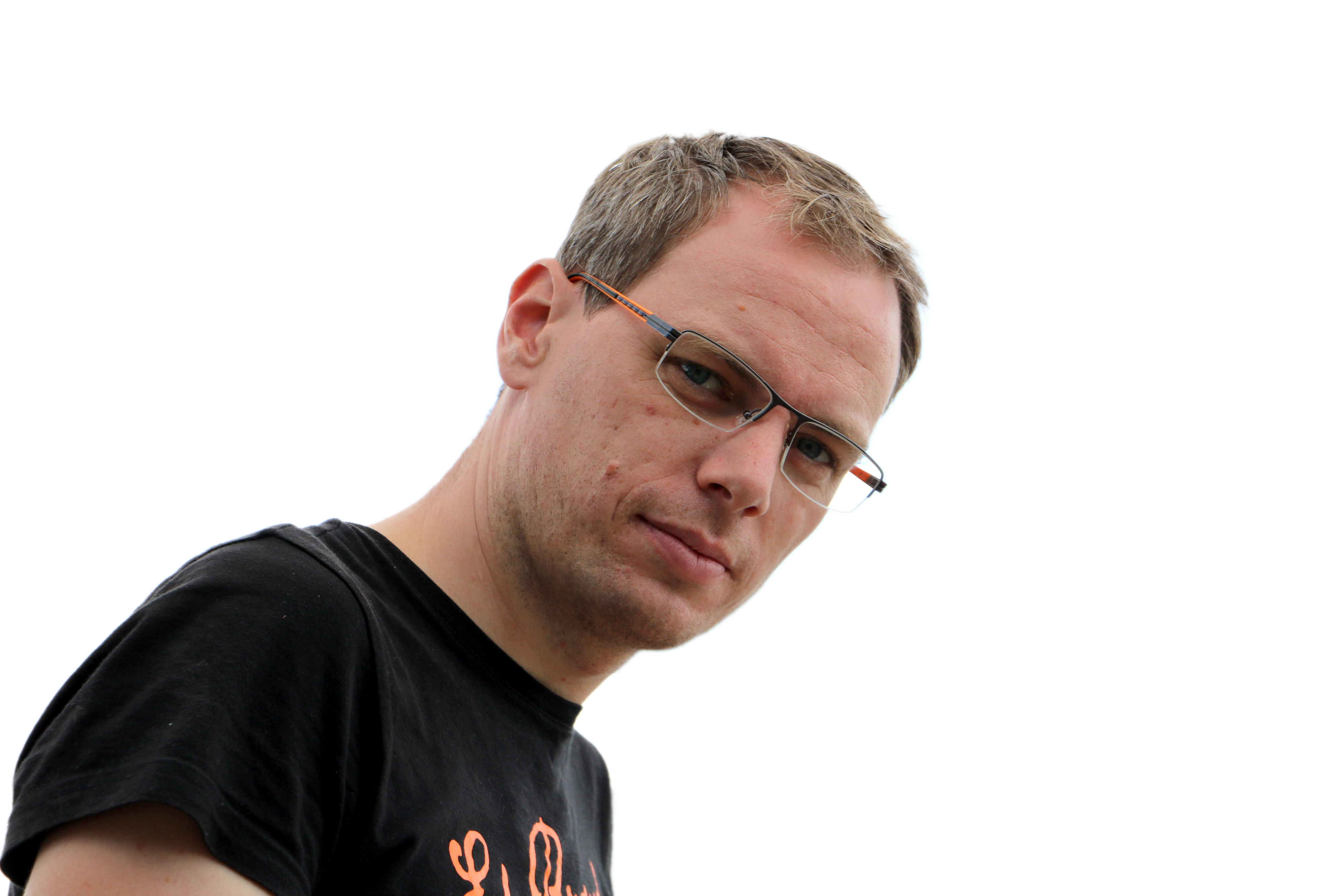
IMG_2299-allwhite-smaller

Steffen Schulz

Continue reading

Away from Home: Marrying bioinformatics & benchwork

We’re bringing you the best stories in lab mobility from Nature India.

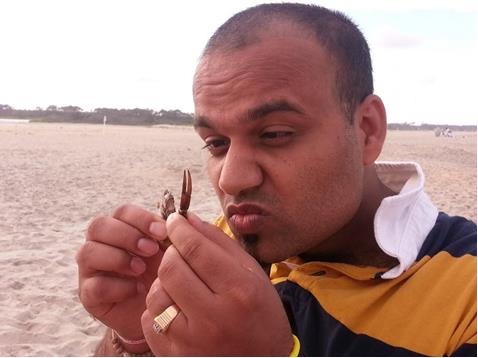
Today we feature Animesh Shukla, a biotechnologist from Meerut Institute of Engineering and Technology in Uttar Pradesh, India who went to Carnegie Mellon University and Indiana University of Bloomington in the USA for PhD. Animesh, who works as a scientist designing ELISA assay kits for Meso Scale Diagnostics now, says planning ahead of time for a postdoctoral career could open up several doors in the land of opportunities.

Animesh Shukla

The biology dream

My school teacher Jessy Kuruvilla sparked my interest in biology. She used to explain the subject in such an interesting way that I still remember many things she taught us. I don’t remember much of any other subject. In high school I was interested in both biology and physics (specifically fluid dynamics). I never used to score really high marks in these subjects but had very good understanding of the basics.

I used to catch and collect live and dead insects or small animals and used to look at them. Some of my friends used to make fun of me (they still do) but that is what friends are for! Continue reading

Study system envy

Graduate students must often weigh the pros and cons of straying from an advisor’s research program

Guest contributor Carolyn Beans

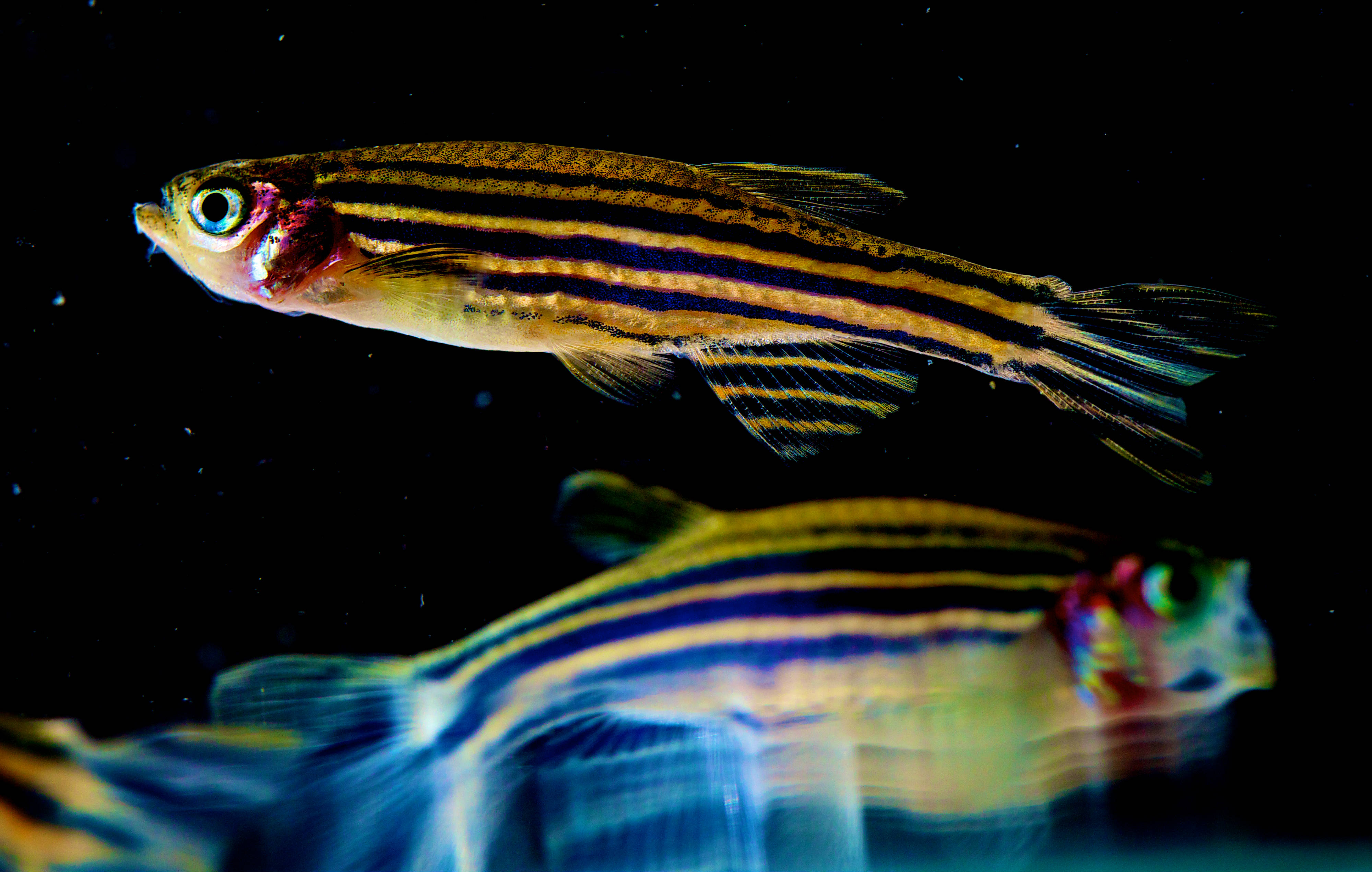
Early in graduate school, I had total study system envy. In many biological fields, including my own field of evolutionary ecology, a study system is a specific species that a scientist uses to run tests. Some of these species like mice, zebrafish, and the plant Arabidopsis are model organisms, and have been well-studied for decades or more. Whether scientists choose a model organism or a relatively unknown species as a study system can have drastic consequences for their research.

Zebrafish

Zebrafish{credit}Uri Manor, NICHD{/credit}

Continue reading

#Scidata15: Big data: Challenges create opportunities

The era of big data brings with it a sea of opportunities for development and innovation.

Guest contributor Daniela Quaglia
naturejobs-blog-Scidata15-Opportunities-from-Research-Data

{credit}Image credit: SCIENTIFIC DATA/LUDIC GROUP{/credit}

Big data is here to stay. As scientists, we stand to benefit by being part of this exciting revolution. At the second Publishing Better Science through Better Data conference, held in London on October 23rd, Dr. Ewan Birney, joint associate director of the European Bioinformatics Institute (EBI), and Dr. Timo Hannay, founder of SchoolDash (a website that provides statistics about schools in England), walked us through some of the opportunities that arise from working with big data.

Opportunities in biology

Birney spoke about how the increase in big data is influencing the way we do biology. He promised to give the audience “an EBI centric view of the world”. I’m glad he did, because every scientist wanting to use big data should understand how EBI can help them.

EBI takes data provided by laboratories and stores, verifies, classifies and shares it. This approach means that a wealth of molecular-biology data, from DNA sequences to full systems (such us biomolecular pathways and metabolomics data), can be found in one place. As most scientists do not want to have to work from shared data in their raw form, the institute also works with the scientific community to convert original data into useful formats. Data from the Human Genome Project provides a compelling example of how such transformations can benefit the community — as Birney pointed out, not even the most experienced researchers want to analyse such complex raw data. Continue reading

Most read on Naturejobs: October 2015

Career uncertainty, industrial postdocs, writing for highly-selective journals and more!

naturejobs-readsThank you to everyone for reading our posts this month. We’ve been working closely with a lot of new writers, and we’re pleased that you’ve enjoyed what they have to say! Here’s a list of your top ten favourite reads from October.

This year Nature have been running their Graduate Student Survey, trying to understand what careers graduates are looking to do when they finish their training, and how they are preparing for them. In Graduate survey: Uncertain futures, Chris Woolston gives a great summary of the results, and shares some stories from graduate students around the world.

Industrial postdocs: A bridge between two worlds is a report from the Naturejobs Career Expo in London earlier this year, where Roche presented a workshop on the postdoctoral opportunities they offer.

The traditional route in academia – PhD, a postdoc or two (or three) and then professor – is one everyone is familiar with. But there are other options, as Careers in academia: Different options explores. This is another report from the 2015 Naturejobs Career Expo in London, where different types of academics gave an insight into their different roles.

The Naturejobs Career Expo reports are popular this month! Nature Masterclasses: Writing for highly-selective journals, is another report from the event, this time about one of the workshops run by the Nature Masterclasses team. Continue reading

Data sharing: Fewer experiments, more knowledge

Data sharing will reduce the experiments needed in the lab and will increase the speed of knowledge generation by decreasing the time spent on the generation of equivalent datasets.

Guest contributor Ana Sofia Figueiredo

biological-model-naturejobs-blogI’m a postdoctoral scientist in systems biology at the University of Magdeburg, Germany. There, I build mathematical models to understand the mechanisms behind certain biological processes, such as the process of energy production by cells under extreme conditions. These mathematical models are representations of reality and some of them can be useful, although all of them are wrong. When well parameterized with data, these models give a quantitative representation and better understanding of such biological processes. Using a systems biology approach, I can do experiments in silico that are very difficult or technically impossible to do in vitro or in vivo.  However, a model is only as good as the data it incorporates.

When I have access to publicly available experimental datasets, I can plug the data into my models and, from the synergy of combining mathematical models with experimental data, learn more about the biological system I have at hands.

Sharing data, models and experimental protocols can push forward the generation of knowledge in science. Continue reading