Done is better than perfect: overcoming PhD perfectionism

The most important thing a PhD will teach you is how and when to stop.

By Atma Ivancevic

Sometimes ‘OK’ is OK enough

I submitted my PhD thesis on the evolution of jumping genes in December 2016, four days before Christmas. It wasn’t perfect — in many ways, it wasn’t even good. By the end of my graduate studies, I had hoped to be a proficient programmer and an established scientist with multiple high impact papers. At the bare minimum, I expected to find evidence to support my hypothesis. Instead, my thesis was largely unpublished, my coding was preliminary, and my results were inconclusive. In my eyes, it was a failure. Continue reading

A term at the museum

Volunteering in a museum can be a great platform to expand communication skills and apply scientific knowledge, says Andy Tay

Earlier last year, I attended the Week of International Scientific Talent in Paris, and found that museums can be excellent platforms for scientists eager to apply scientific knowledge outside of their labs. Curious to learn more about this avenue of science communication, I was pleasantly surprised to discover that there is growing interest in applying scientific concepts to museum settings.

Sketch Town

Sketch Town; one of the exhibits at MAAS Sydney {credit}Reproduced courtesy of teamLab{credit}

One example that has captured wide attention is the use of fragrance in the Peabody Essex Museum (mentioned by Nature here) to provide visitors with a multi-sensory (including sight, hearing, touch and smell) museum experience. Nature also recently ran a feature on scientists-turned-curators. One step led to the other and soon, I found myself applying for and receiving the Visiting Research Fellowship by the Museum of Applied Arts and Sciences (MAAS Sydney), in Australia.

Link between science and museum

At MAAS, my research focused on the exhibit ‘teamLab Future Park’, which used various stimuli such as lights, sound and touch to stimulate the senses of visitors. Capitalizing on this, I investigated how concepts in sensory neuroscience can be applied to improve visitors’ experience. In my research, I explored the idea of homeostasis (whether excessive sensory stimuli diminish the value of a museum experience) and adaptation (whether visitors get bored of interacting with exhibits in the same way). Beyond my research findings, I developed some useful communication tips that might be helpful to other scientists in their own outreach.

Consider others’ attention span

I’ve been involved in science communication for some time now, but this was the first opportunity to work face-to-face with people. With writing and other communication work, I’ve had the time to prepare everything meticulously. Not this time, especially because Future Park — by design — has a whole lot of distractions. I was forced into trying to engage children who were busy playing in the exhibits, and trying to engage adults who were concerned about the whereabouts and safety of their children. This trained me to speak quickly and clearly — and learn where I needed to improve. Considering others’ attention span is crucial.

Integrate different tools to help you communicate

During my fellowship, I explored the concept of adaptation — whether museum visitors would be bored interacting with museum exhibits in the same way. The most popular exhibits were all identical in terms of how visitors used them — in each, we asked people to color a drawing, scan it, and take a look at a 3D representation of their work. Cool for the first time you see it, but perhaps less novel the time after.

The majority (70%) of the respondents felt that Future Park was highly engaging but about 20% of the respondents suggested that their experience would be better had there been more variety in the activities.

This finding was a surprise to me — most of the visitors were there for the first time and already felt that there could be more varied activities. This finding confirmed my belief that there is value in diversifying the ways I communicate science in writing, drawing, infographics and videos. It also reminded me that it helps to integrate different tools into my presentations to engage my audience. In the past, I’ve shown my audience bits and pieces from my research lab during presentations, for example.

In a few weeks’ time, I will be volunteering in a community college with an infographic on my current research project. The museum experience has inspired me to develop ideas to incorporate hands-on interactions to help students learn about my research.

Light Ball Orchestra; another exhibit

Light Ball Orchestra; another exhibit{credit}Photo: Leïla Berney. Reproduced courtesy of the Museum of Applied Arts and Sciences.{/credit}

Museum work

If you’re interested in museum work, there are a variety of internship and fellowship opportunities. The Smithsonian Institute offers a range of fellowships for scholars with different expertise including genomics, medicine and chemistry. The National University of Singapore Museum offers internship positions for students interested in programming, marketing and design. Universcience Paris (Cité des sciences), the largest European science museum, also offers ad-hoc positions.

As many museums operate on a tight budget, they might not be able to offer any stipends for internships. If you are truly curious about this industry, I would advise you to find a museum near your city to gain working experience first. Even if the museum might not explicitly advertise any opening, it doesn’t hurt to email a museum representative and the specific curator for volunteering opportunities. This exposure will come in handy when you apply for fellowships to work in larger, better equipped museums in the future.


Andy is a postdoctoral scholar in the Department of Materials Sciences and Engineering at Stanford University.Andy_Tay

His research focuses on nanotechnology and stem cell differentiation. In his free time, Andy enjoys using the gym and reading.

Andy is grateful for financial support from Endeavour Research Fellowship during his stay in Sydney and MAAS for hosting his research project and providing the images in this article.

You can find Andy on LinkedIn and Google Scholar.


Suggested posts

How to reach out

Exploring science communication

Dear Dr. Elena: How outreach kills the science stereotype

Running blind: Raising awareness of visual impairment

DI2kum-UMAES91w

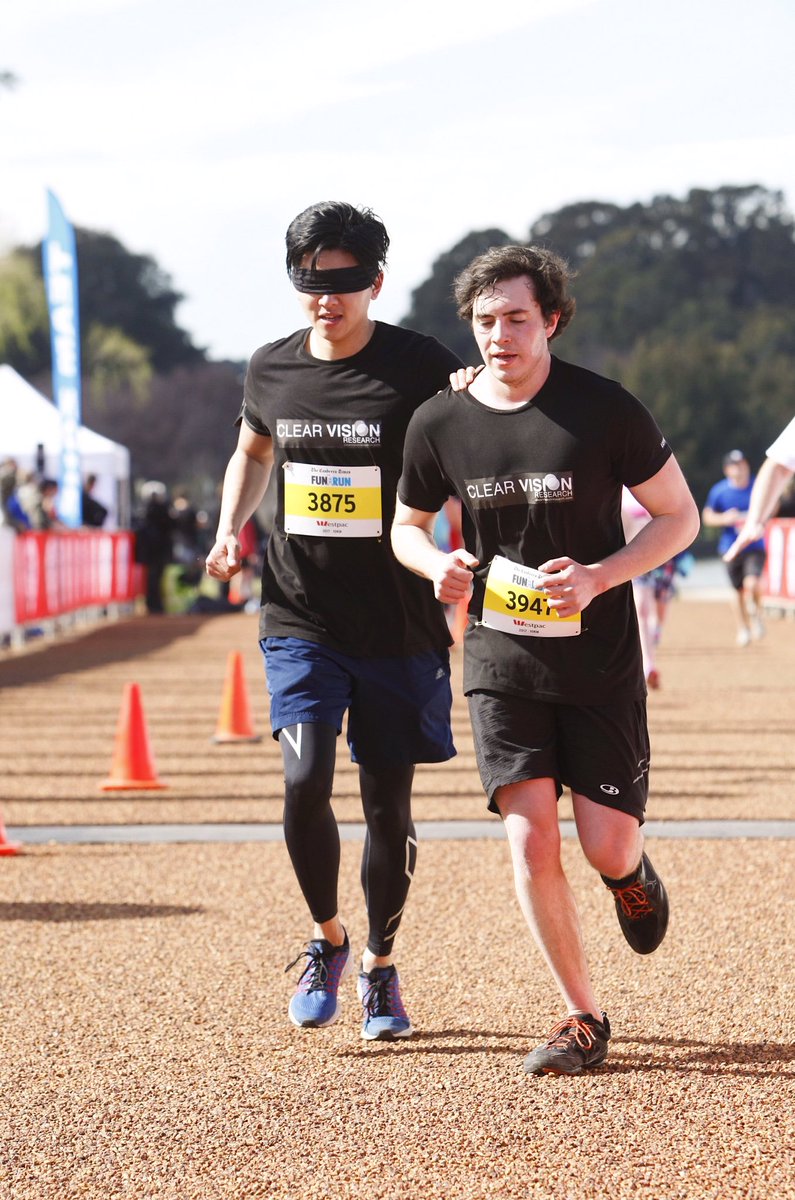
Science communication comes in many shapes and sizes, but running blindfolded for 10km is a novel way of raising awareness of your research area.

PhD student and vision researcher Joshua Chu Tan wanted to highlight  what life is like for people living with visual impairment (and raise funds to support research at the same time). He describes the experience as was one of the most challenging things he’s ever done.

Continue reading

Reflections on the L’Oreal-UNESCO For Women in Science program

Muireann Irish on celebrating diversity in science

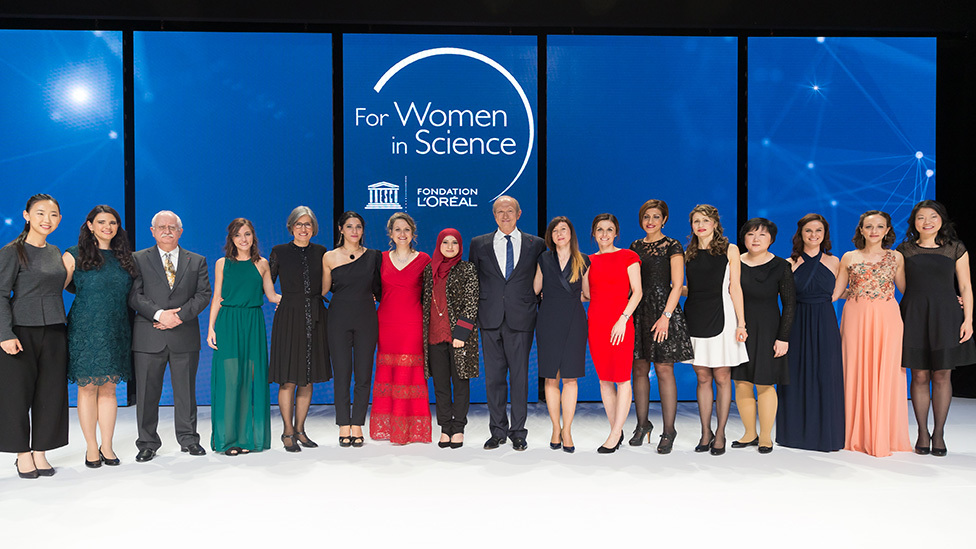
Springtime in Paris seems a fitting backdrop for any awards ceremony but particularly so in the case of the L’Oréal-UNESCO For Women in Science program. I recently had the honour of attending the 2017 International Awards along with 14 other early career researchers from around the globe, as part of the L’Oréal-UNESCO International Rising Talents Fellowship.

FWIS IRT ceremony 2017 Continue reading

Lost for words — the language of science communication

While English is largely regarded as the global language of science, science communication doesn’t enjoy a unifying language.

Naturejobs journalism competition winner Catherine Carnovale explores this distinction.

GettyImages-550382899-smaller Continue reading

Thinking of a PhD? This is the Australian story

Advice for prospective PhD candidates focuses on career prospects in R&D, but more thought should be given to personal aspirations in life and work.

Research is fuelled by the energy of post-graduate students. PhD students contribute 57% of total university research output, according to a 2013 discussion paper from The Group of Eight Universities in Australia. In 2011 Nature published “The PhD factory,” which described the ongoing crisis caused by the oversupply of trained researchers and the inability of academia and industry to soak up the overflow.

CSIRO_ScienceImage_3881_Five_Antennas_at_Narrabri_-_restoration1

Five of the Australia Telescope Compact Array antennas at Narrabri, New South Wales

Fast forward to 2016, and the PhD factories are just as productive, if not even more so. In the 2011 article, Dr Anne Carpenter at Harvard/MIT’s Broad Institute fought the system by hiring permanent staff scientists instead of the usual mix of postdocs and graduate students. She struggled to justify her high staff cost to grant-review panels. Continue reading

Finding a place to hang my lab coat

Australia might be the land of surf, swim and sun, but something’s making all the scientists flee, says Naturejobs journalism competition winner Catherine Carnovale.

When now ex-Australian Prime Minister Tony Abbot abolished the role of science minister in September 2013, members of Australia’s scientific community fastened our seat belts. This telling sign signalled the first of many cuts to science and innovation before the new government delivered their knock-out punch to the industry in the form of the 2014-15 budget.

4925267732_492be0075f_o-smaller

{credit}Calsidyrose/Flikr{/credit}

Continue reading

Most read on Naturejobs: October 2015

Career uncertainty, industrial postdocs, writing for highly-selective journals and more!

naturejobs-readsThank you to everyone for reading our posts this month. We’ve been working closely with a lot of new writers, and we’re pleased that you’ve enjoyed what they have to say! Here’s a list of your top ten favourite reads from October.

This year Nature have been running their Graduate Student Survey, trying to understand what careers graduates are looking to do when they finish their training, and how they are preparing for them. In Graduate survey: Uncertain futures, Chris Woolston gives a great summary of the results, and shares some stories from graduate students around the world.

Industrial postdocs: A bridge between two worlds is a report from the Naturejobs Career Expo in London earlier this year, where Roche presented a workshop on the postdoctoral opportunities they offer.

The traditional route in academia – PhD, a postdoc or two (or three) and then professor – is one everyone is familiar with. But there are other options, as Careers in academia: Different options explores. This is another report from the 2015 Naturejobs Career Expo in London, where different types of academics gave an insight into their different roles.

The Naturejobs Career Expo reports are popular this month! Nature Masterclasses: Writing for highly-selective journals, is another report from the event, this time about one of the workshops run by the Nature Masterclasses team. Continue reading

Naturejobs Career Guide: Asia-Pacific

Scientists looking for new experiences in research should explore options in the Asia-Pacific region as funding floods in.

Naturejobs-career-guide-asia-pacificFor anyone considering a career in science, the Asia-Pacific region might offer some interesting careers. Opportunities for scientific jobseekers in Asia-Pacific abound, especially as research and development (R&D) spending as a proportion of gross domestic product (GDP) has risen in all six countries since 2000. But moving overseas is a big decision. This first Naturejobs Career Guide provides practical advice, first-hand accounts and useful facts and figures for those considering a change.

China‘s rise as a global powerhouse in science and technology is reason enough to think about a move to Asia. For example, the government has committed large sums to high-profile projects such as thorium-based nuclear power plants, as well as basic research spending, which has historically received less funding than in other developed countries. It has also launched a series of major R&D-based projects such as a space station and the China brain project, dedicated to research into artificial intelligence and neurological diseases.

A little to the east, South Korea is second only to Israel in the proportion of its GDP it spends on R&D, and Japan is not far behind. The country is focussed on recruiting overseas researchers and encouraging basic science, and is using research to drive development.

Singapore has built up its research and innovation capacities rapidly since the turn of the century by luring foreign talent with offers of large salaries. Between 2011 and 2015, 16.1 billion Singapore dollars (US $12billion) was invested in science and research by the island city-state, a 20% increase on the previous five-year period. A majority of this funding is ear-marked for collaborative projects between academic institutions and industry, hoping to drive innovation and translational science.

Australia and New Zealand are playing to their strengths by focusing limited resources on the fields in which they excel. New Zealand is renowned for its Earth science and agricultural research. It has a multi-cultural environment and is proud of its collaborativeness. The Australian government, on the other hand, is focussing it’s spending efforts on large physics and astronomy projects, as well as medical research.

For each of the six countries in the Asia-Pacific region, Naturejobs has collected first hand accounts of what it’s like to move, live and work there are a researcher.

#ScientistOnTheMove: February 2015

This month scientists have been setting up new labs, coordinating research, moving continents and more.

haworth-davis-naturejobs

Claire Haworth and Oliver Davis{credit}Image credit: Jan MacDonald at Blenheim Photography{/credit}

Claire Haworth and Oliver Davis, who both work in behavioural and statistical genetics, met whilst they were studying for a PhD at the MRC Social, Genetic and Developmental Psychiatry Centre at King’s College London and “managed to squeeze in getting married between submitting our PhDs and starting fellowships!” After graduating from their PhDs in the summer of 2009, Oliver started a Wellcome Trust funded postdoc in Oxford and Claire, funded by the MRS and ESRC, stayed in London. After her second fellowship Claire moved to the University of Warwick to set up her own lab and Oliver moved to UCL to start his own group in January 2013. After years of long commutes to see each other, both Oliver and Claire will now be working in the same laboratory for the first time since they finished their PhDs. “We are moving to the new MRC Integrative Epidemiology Unit (IEU) at the University of Bristol to establish our joint Dynamic Genetics Lab. Oliver will be Associate Professor in Statistical Genetics, and I will be Associate Professor in Behavioural Genetics.” Oliver has already started his position, and Claire will begin in April. the biggest challenge for them is that whilst they are moving and settling into Bristol, they are both still fulfilling promises to UCL and Warwick by “providing the teaching we committed to at the start of the academic year. It’s an understatement to say we’re a little stretched by these commitments at the moment, but we’re looking forward to focusing on our new roles from the summer.”


Meru-sheel-naturejobs

{credit}image credit: Alpana Dave{/credit}

Meru Sheel was doing pre-clinical, lab-based studies of parasite immunology at the QIMR Berghofer Medical Research Institute in Brisbane, Australia, when she got itchy feet. “While my lab-based research was very exciting and challenging, it lacked the big picture scenario that I was after,” she says. This, combined with the long hours spent on failing experiments and the lack of grant funding, meant that she wanted to make a switch. For Sheel, the most challenging part of leaving her position was that she was going to miss the research. “That feeling that maybe I will crack the mechanism of action with this experiment,” she says. Now, Sheel is the senior research officer for Group A Streptococcal diseases at the Telethon Kids Institute in Western Australia, and while she isn’t in the lab doing research, she is “reading and hunting for ideas and technologies that we can use to advance the development of vaccines and improve an old antibiotic to treat the same bug!” The role of a senior research officer involves coordinating research, analysing data and generating ideas and while gaining some management skills. “I have learnt to transfer my skills and now I love what I am doing.” Continue reading