Announcement: The Naturejobs blog is moving house

We’re no longer publishing career stories from our global community of scientists on this platform.  Instead they’ll be posted in a shiny new home at nature.com/careers alongside the latest print news and features from Nature’s careers section. We believe this will better serve our authors and audience.

If you have a careers story to tell, you can get in touch with the editors here.

The blog will continue to be home to more than 1000 posts dating back to 2011, including advice on how to polish your CV, how to answer tricky interview questions, the best way to mentor colleagues, and how to thrive in careers both inside and outside academia.

We plan to migrate some of this important content over to nature.com/careers in due course, along with our monthly podcast about careers in science. Subscribe to our weekly newsletter — or follow our RSS, Twitter, Facebook or Instagram — for regular updates and to get the latest careers advice and information.

If you have any questions or comments please feel free to email the editors here.

The Naturejobs team.


Suggested posts

How to answer: Why do you want to work for us?

Done is better than perfect: overcoming PhD perfectionism

Why scientists should communicate hope whilst avoiding hype

Make your cover letter and CV stand out

How to answer: What is your greatest weakness?


Follow us

Twitter / Facebook / Instagram / LinkedIn / Newsletter / RSS / Atom / Feedburner



A positive step for postdocs?

It’s been a long time coming, but US postdocs had reason to celebrate last week: an 18 May ruling from the US Department of Labor renders postdocs eligible for overtime pay.

The potential downside? It could mean fewer postdoc positions – but even that may be a positive. The academic pipeline worldwide, especially in the biomedical sciences, has a postdoc glut.

istockphoto/Thinkstock

{credit}istockphoto/Thinkstock{/credit}

Continue reading

What did your job search teach you?

Don’t feel frustrated. You have many fabulous career options.

Most PhD students and postdocs working today will not go on to head their own labs. With little infrastructure to guide them to the next stage, young scientists are inventing it themselves.

A year ago, we launched an interview series that looks at how PhDs and postdocs found ways out of the lab and into satisfying careers. We’ve spoken to people who work in regulatory affairs, technology transfer, business development, management consulting, science outreach and philanthropy, just to name a few. And we are eager for more stories to share. See below if you’d like to volunteer.

{credit}Image credit: Venimo{/credit}

Continue reading

Naturejobs monthly roundup – April 2016

With one quarter of the year all over, and summer on its way, we run through your favourite posts last month.

First up this month is our ever-popular post on the value of Liebeth Aerts’ PhD, where she takes a look back one year after graduating.

Continue reading

Most read on Naturejobs: March 2016

With one quarter of the year done already, we look back at your favourite posts from last month. We’ll get right to it.

Answering the most-feared interview question is high on everyone’s mind. Our guide to expressing your greatest weakness in a positive way is on the leader board as the most read piece on Naturejobs this month. Glad you liked it!

Chris Woolston talked us through the best make-up for a lab in group dynamics: a lab of their own in March. Your research group is important, and finding the right balance between different members of staff may just tip you into academic success. Continue reading

Leaving the comfort zone

The novel and the unexpected comes with a dose of anxiety. This nervousness will only help you in your career.

Guest contributor Thaís Moraes

“Life begins at the end of your comfort zone” first reads like an outworn self-help cliché. But I tried it. And I have to tell you that this outworn self-help cliché worked for me. I’m a Brazilian researcher who came to Germany in April 2014 for a two-year postdoc, alone, without speaking a word of German, without knowing anyone, and without even knowing the city. What could have been a complete disaster turned out more than great. I’m very pleased I left my comfort zone.2014-06-29 15-smaller

Continue reading

Finding job satisfaction in research development

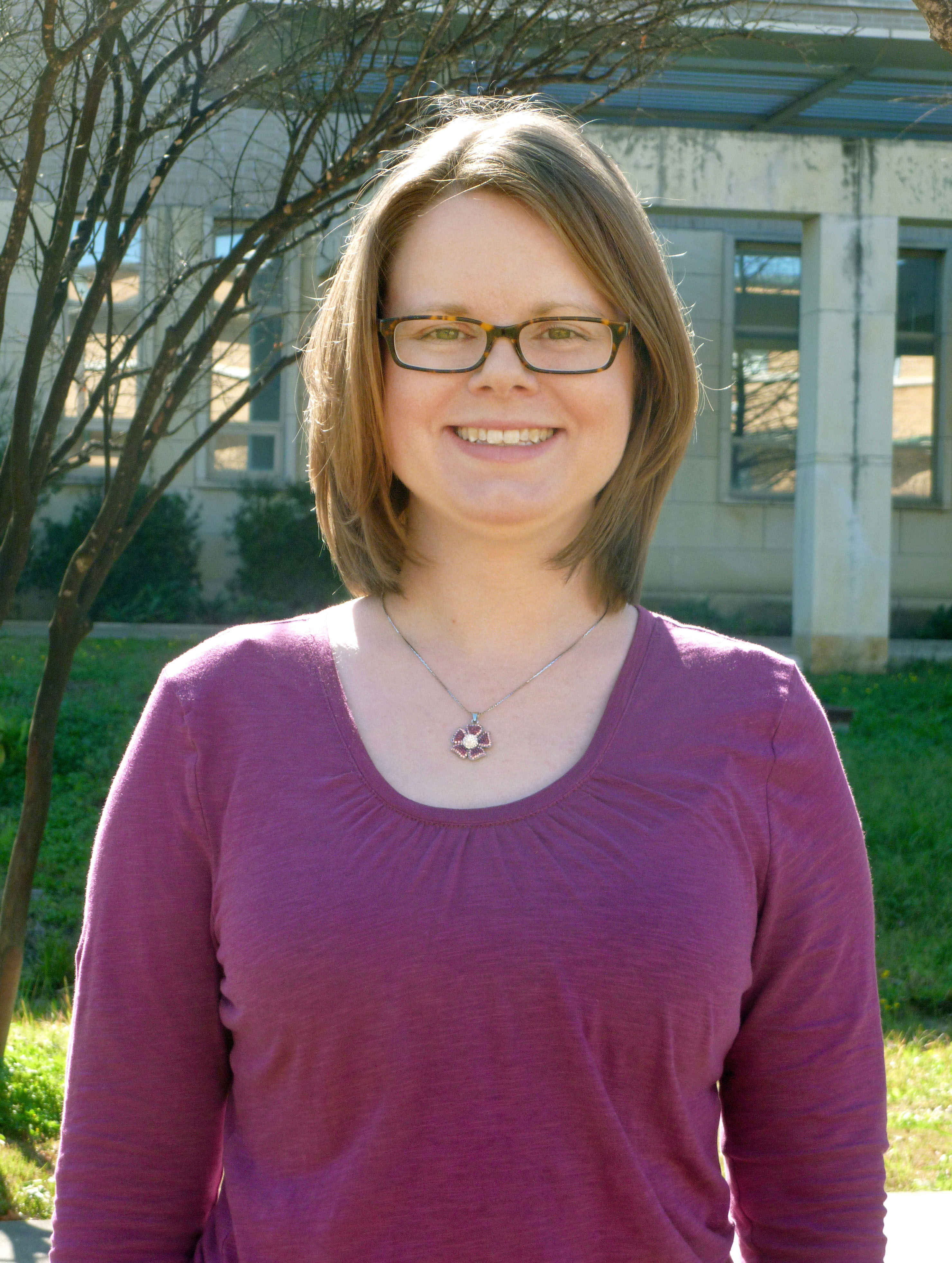
After finishing a PhD and postdoc in cardiovascular biology, Christina Papke found job satisfaction as a research development officer.

Now, she works at Texas A&M University in College Station, where she helps professors put together grant applications, form collaborations, and identify funding opportunities.

Tell me about your job.

It’s hard to say what a typical day is like, which I kind of like. On any given day, I might consult with an investigator about a research grant or edit a proposal.

Our goal is also to help promote collaboration among faculty. For example, we help to facilitate the formation of research interest groups, on, say, imaging or healthy ageing. We might organize a meeting where faculty get two minutes to present an overview of what they are doing, and we make program books and plan meetings to help make ideas happen.Papke_2016-02_CM_sml-r Continue reading

Finding job satisfaction as a scientific project manager

After completing a PhD and postdoc studying disease mechanisms behind epilepsy and autism, Dorothy Jones-Davis found job satisfaction as a scientific project manager working at the Foundation for the National Institutes of Health, where she coordinates projects on neuroimaging and Alzheimer’s Disease.


How does your scientific training help in your job?

My area of research was epilepsy and autism, so my specific research is not as applicable, but having a broad neuroscience background has served me. Even though I’m not at the bench, I still read neuroscience papers; I still understand science.

{credit}Dorothy Jones-Davis{/credit}

As for the intangible skills, some are leadership and some are organizational skills that you learn as you work your way through scientific training. I don’t think graduate students actually give themselves enough credit, but you are actually managing a project. My PhD was a portfolio of projects that I had strung together on a larger theme, and thinking about it that way, I am well equipped to be a project manager.

I think the fact that I did so much outside of my PhD and postdoc, such as mentoring, working with high school students and serving on university committees, helped me get a policy fellowship and the job I do now
Continue reading

Finding job satisfaction in a health nonprofit

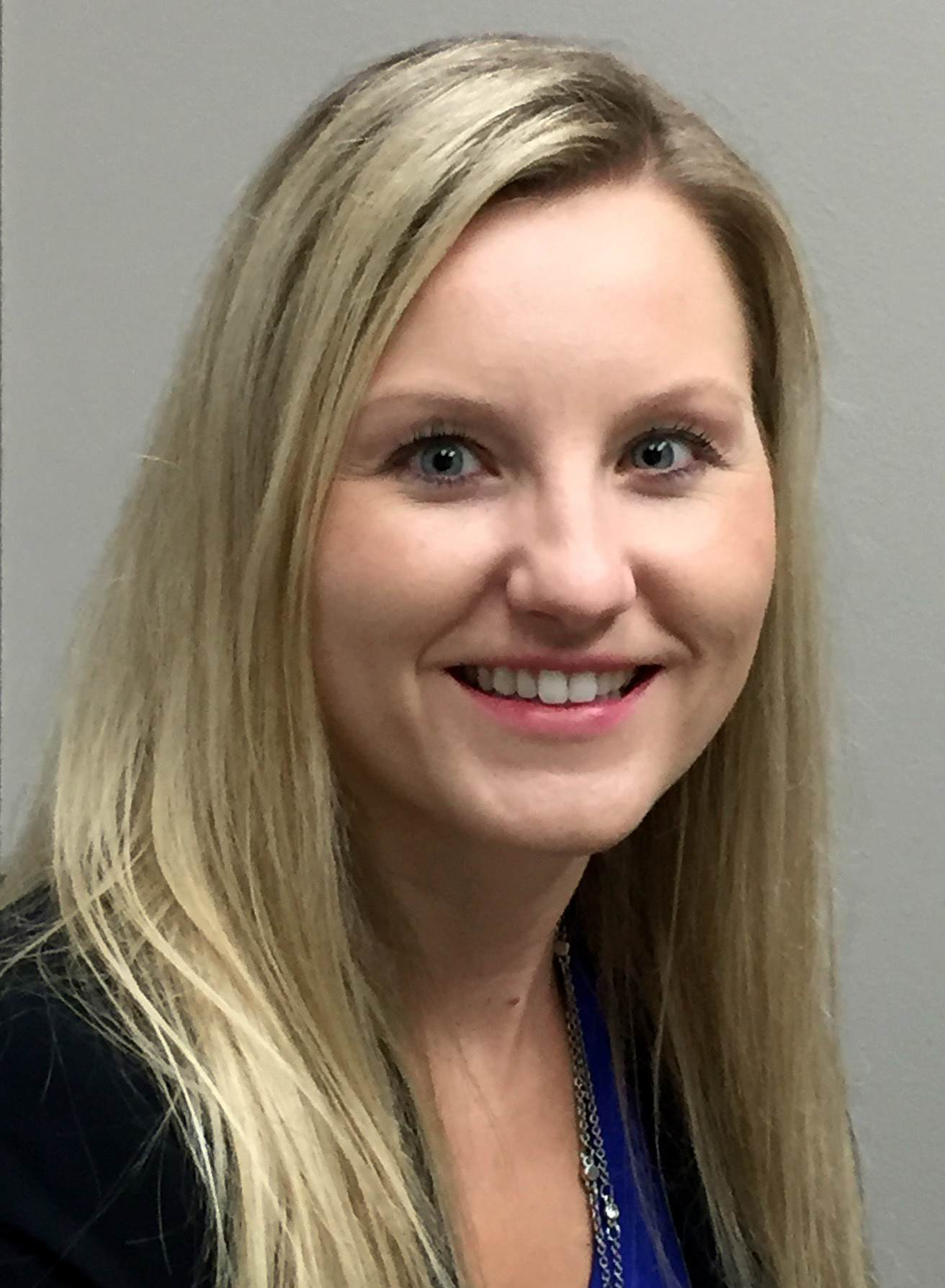
After advanced training in psychology, neuroscience, and endocrinology, Lana Gent found job satisfaction as a director of science at the American Heart Association in Dallas. Here she describes what the job entails and how it uses her scientific training in a very different setting than a lab.

Tell me about your academic training.Lana_Gent_CM-2

I started in phenomenological psychology, looking first at chimpanzees in a zoo and then how dogs were making decisions based on social influences from their species. I did that throughout my graduate school career at the University of Texas at Arlington, but there aren’t a lot of jobs in the consciousness of animals. So I started research in neuroscience at UT Southwestern Medical Center, doing stereotactic surgery on rats and mice, to understand what was happening in the brain during cocaine addiction.

After a complicated pregnancy, I decided to stay home with my daughter for a year.  I went back to UT Southwestern in a different lab—my surgical skills were in high demand —this time looking at the effect of estrogen on metabolic syndrome.

Continue reading

Science communication: What’s more important to publishing?

Anke Sparmann, associate editor at Nature Structural & Molecular Biology, shares her experience on what to prioritise to get into the publishing business at the Naturejobs Career Expo London 2015.

Watch more from the Naturejobs career expo here.