Announcement: The Naturejobs blog is moving house

We’re no longer publishing career stories from our global community of scientists on this platform.  Instead they’ll be posted in a shiny new home at nature.com/careers alongside the latest print news and features from Nature’s careers section. We believe this will better serve our authors and audience.

If you have a careers story to tell, you can get in touch with the editors here.

The blog will continue to be home to more than 1000 posts dating back to 2011, including advice on how to polish your CV, how to answer tricky interview questions, the best way to mentor colleagues, and how to thrive in careers both inside and outside academia.

We plan to migrate some of this important content over to nature.com/careers in due course, along with our monthly podcast about careers in science. Subscribe to our weekly newsletter — or follow our RSS, Twitter, Facebook or Instagram — for regular updates and to get the latest careers advice and information.

If you have any questions or comments please feel free to email the editors here.

The Naturejobs team.


Suggested posts

How to answer: Why do you want to work for us?

Done is better than perfect: overcoming PhD perfectionism

Why scientists should communicate hope whilst avoiding hype

Make your cover letter and CV stand out

How to answer: What is your greatest weakness?


Follow us

Twitter / Facebook / Instagram / LinkedIn / Newsletter / RSS / Atom / Feedburner


Management 101 for scientists – three rules for managing a successful team

Joanne Kamens, Addgene’s executive director, shares her top tips for effective scientific management

Good management can make an enormous difference in the success and productivity of any team. Unfortunately, new managers are rarely chosen because they have demonstrated skill at managing people. After 10-15 years of training, many scientists will be expected to run an academic lab or manage a team outside of academia with little experience and almost certainly no formal training. The kind of smarts and the types of skills that it takes to be a good scientist are not the same ones it takes to be a competent manager (much less a really good one). While getting your PhD or doing a postdoc, few science trainees have opportunities to work on their emotional intelligence or to hone their delegation skills.

So what makes a good manager? First, it takes an open mind willing to learn and develop skills. Managing a team is hard and scientists should reject the myth that “it comes naturally” to some.  Most good managers have worked hard to learn principles of good management and they continually build their skill set with experience and trying new tactics. Second, being a good manager requires a focus on the goals.  I believe the most important goals are to get a lot of stuff done, to produce excellent quality work and to create a team culture that provides a happy work environment. The first two goals may be obvious, but why the third?  Happy people get more done and do better work and a positive culture attracts good people.

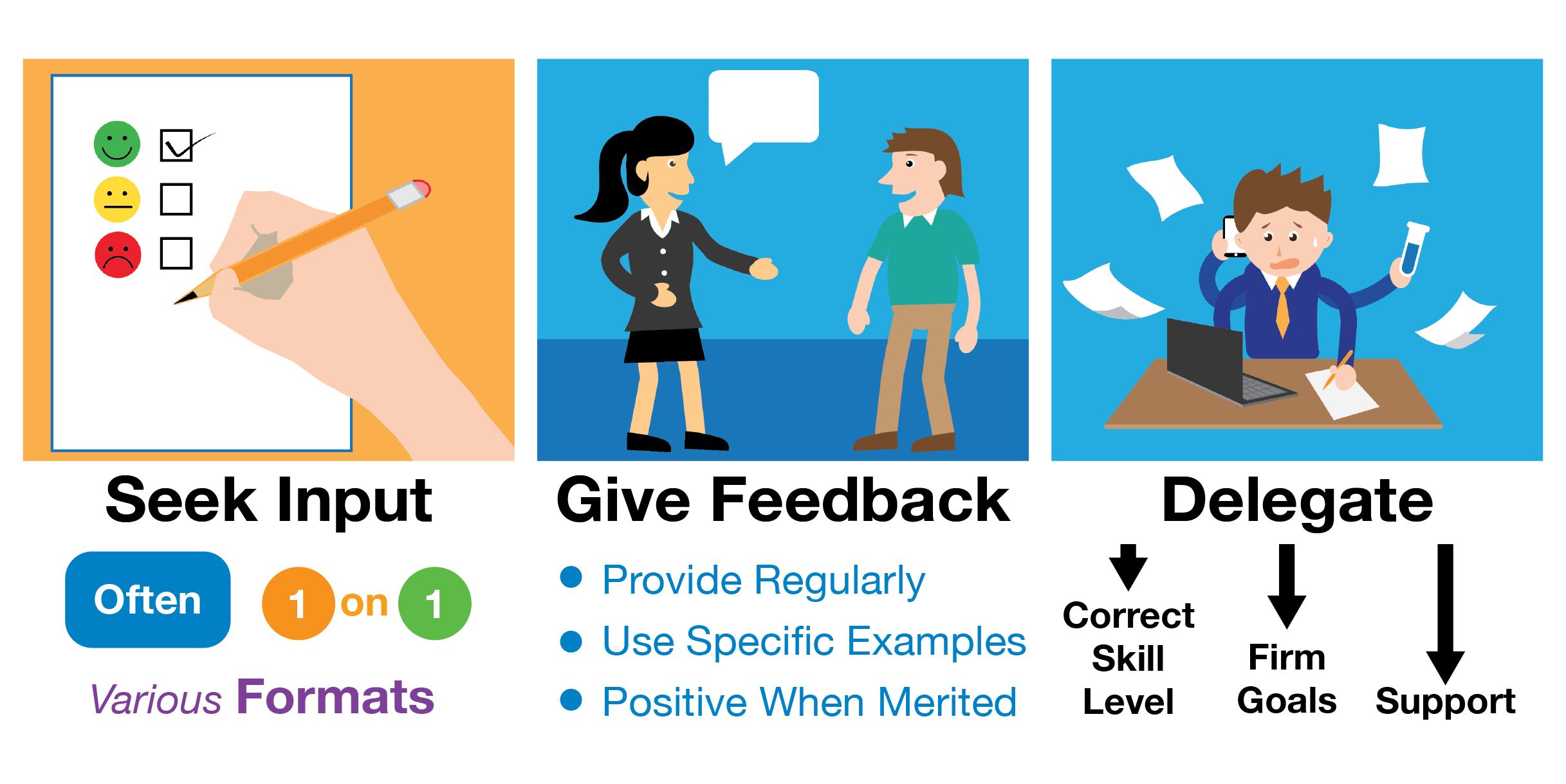
Here are three areas to work on.

Management Infographic

{credit}Wu Li; addgene{/credit}

Continue reading

Science’s fake journal epidemic

Predatory publishers, peerless reviews and those who fight against the destruction of the scientific approach.

The landscape of scholarly communication falls into two main categories: a paid access business model, where journals require readers to pay for access to an article or a subscription to the entire journal itself; or open access journals, which charge authors to publish but make content available free of charge and without restrictions to readers. The rise in popularity of open access journals has resulted in more than 50 per cent of new research now being made available free online. Legitimate open access journals such as PLOS and BioMed Central have been essential in allowing greater access to science, a higher volume of published work, improved education and a greater scope for scientists to publish negative results.

Jeffrey Beall{credit}Kevin Moloney/The New York Times/Redux/eyevine {/credit}

Continue reading

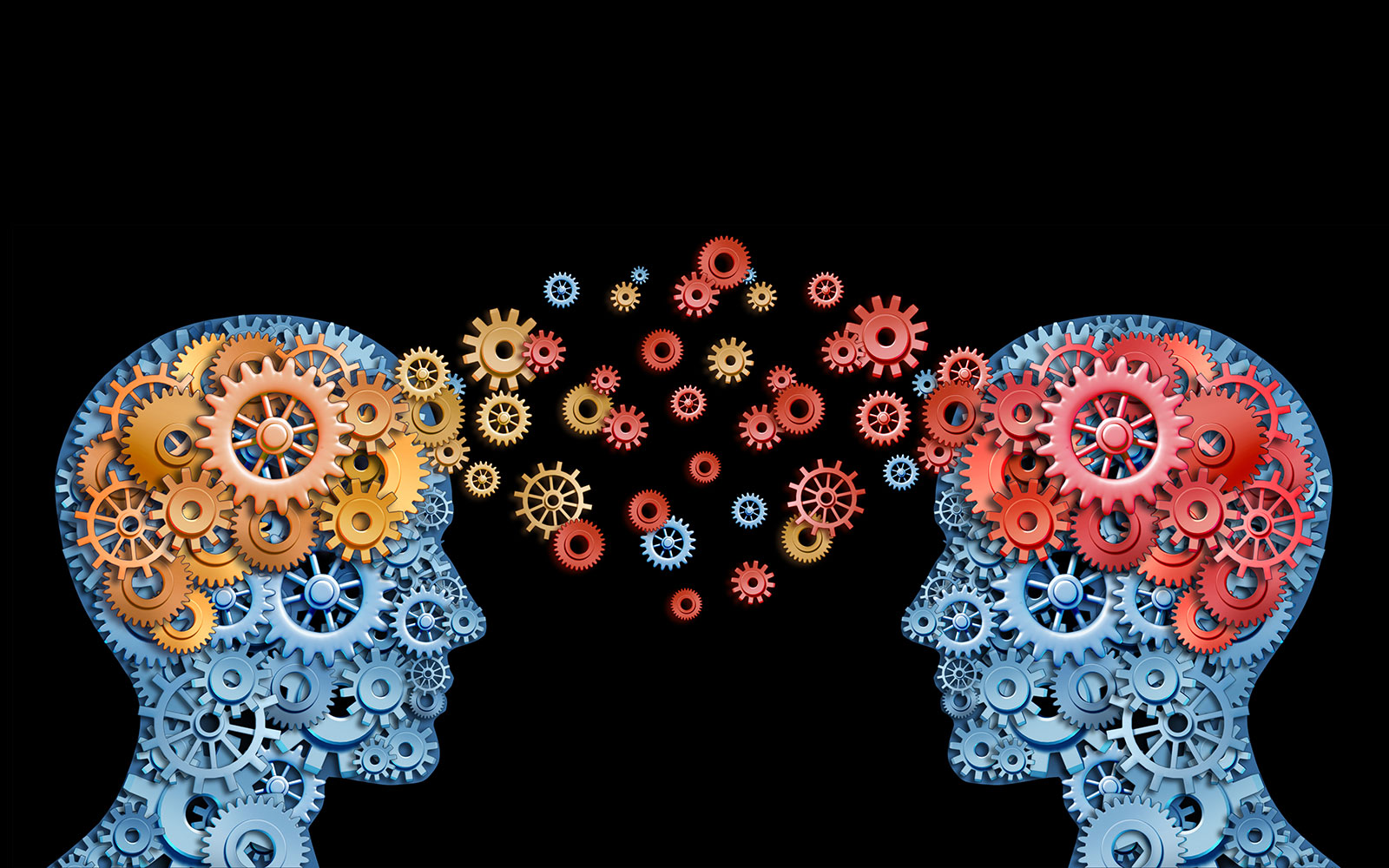
The discomfort is worth it: share more

Making sure to communicate with the public is hard and takes time. Scientists should keep doing it, says Jessica Eise.

When David Eagleman, a neuroscientist at Stanford, wrote the New York Times bestseller Incognito, I read it voraciously. The world of the mind opened to me. My subconscious brain took on an entirely new meaning to me. Eagleman’s research felt salient, relevant, and crucial to our understanding and progress as a species.

Knowledge-sharing

{credit}Asonlobo/Wikipedia; CC-BY-SA-4.0{/credit}

Continue reading

Promoting open science from a pub: the Panton Principles

Follow the Panton Principles to ensure your data is licensed and accessible for immediate reuse, says Atma Ivancevic.

In a world where scientific discovery is driven by impact factor and funding, the idea of open data may seem idealistic. But the open data movement has been growing since the early 2000s, spurred by the rise of big data and computational capabilities. For the sake of reproducibility in science, we need to encourage data sharing after publication.

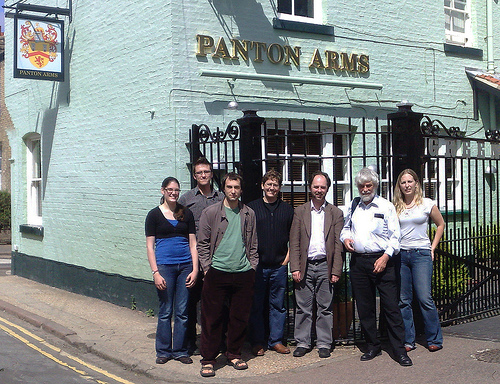
panton principles pic

Founders of the Panton Principles at the Panton Arms, Cambridge UK.
Copyright Panton Principles Authors (CC by 3.0).

Continue reading

Away from home: Lovelock during postdoc

We’re bringing you the best stories in lab mobility from Nature India

The ‘Away from home‘ blogging series features Indian scientists working in foreign labs recounting their experience of working there, the triumphs and challenges, the cultural differences and what they miss about India. They also offer useful tips for other scientists headed abroad. You can join in the online conversation using the #postdochat hashtag.

We promised than when we hear something exciting or interesting from an Indian postdoc abroad, we will bring it to you. So here’s the first ‘sporadic’ entry coming from Anupam Jhingran, a postdoc fellow at the Memorial Sloan-Kettering Cancer Center (MSK), New York. Anupam tells us about an extremely important facet of the Indian postdoc’s life abroad — finding the right match to marry! Anupam has been successful in getting a bride for himself but recounts for fellow mates what it has been like go through the process. He gives us a blow by blow account of what all an Indian postdoc might encounter before he strikes gold! Read on and leave your comments — have you had a similar experience, do you know someone who has or are your bracing up for this now?

[At MSK, Anupam studies host response to Aspergillus fumigatus (Af) infection. His lab got relocated from the Fred Hutchinson Cancer Research Center (FHCRC), Seattle where he was originally recruited. “Moving from a relatively laid-back (but equally productive) West coast culture of Seattle to a lot busy and fast East coast culture is an experience in itself and I am currently adapting myself to this new environment, ” he says.]

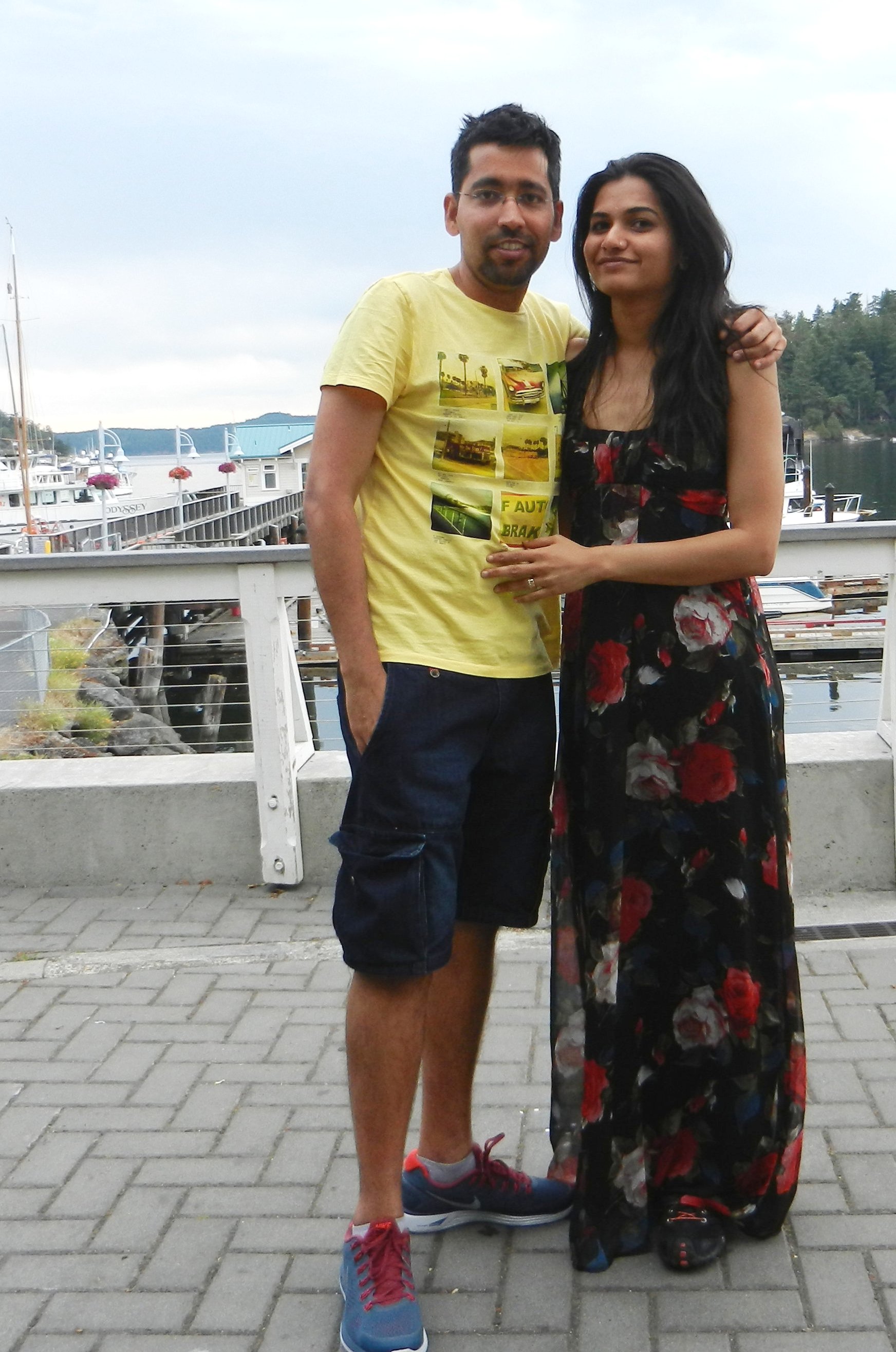
Anupam Jhingran

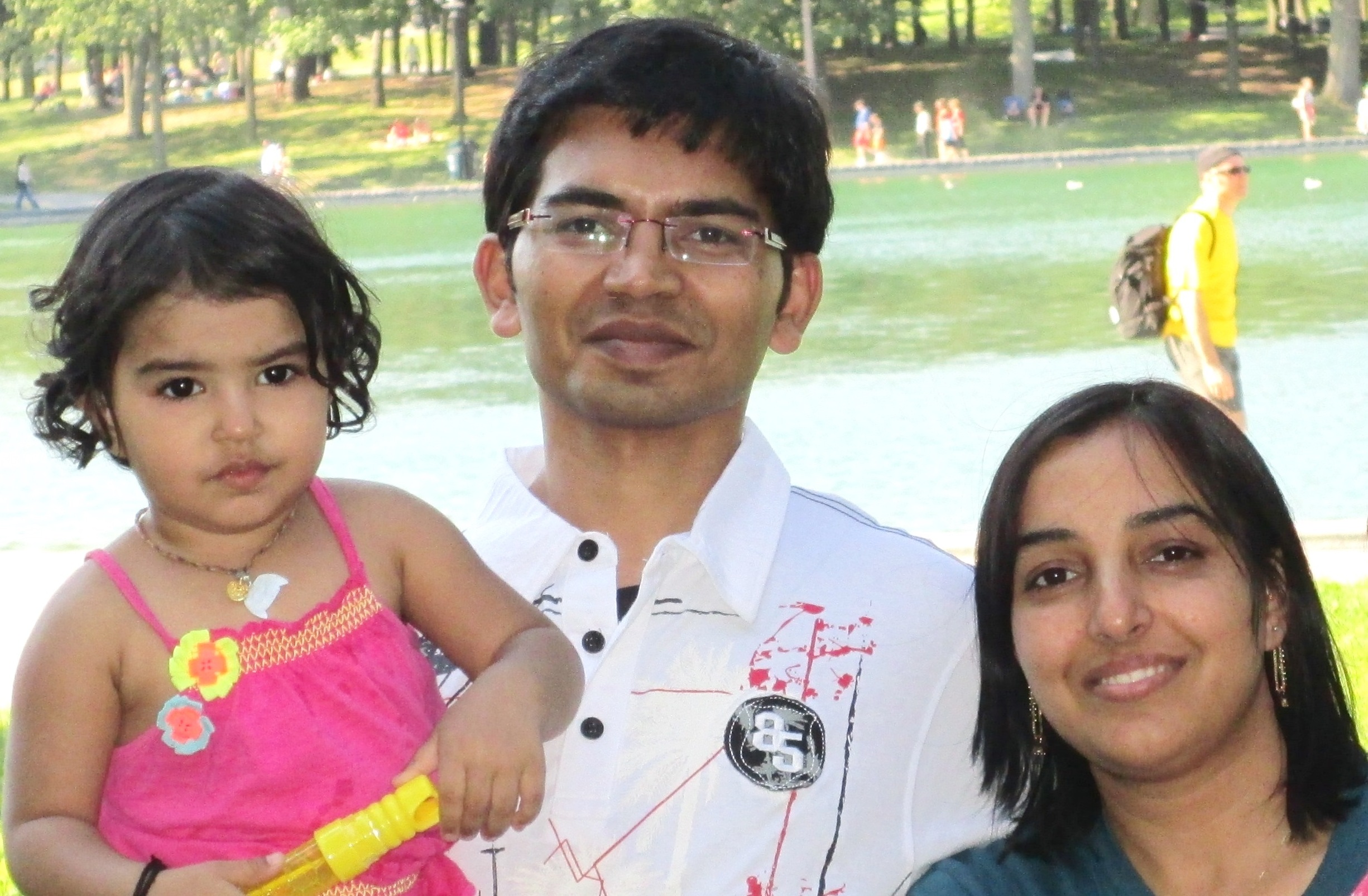
Anupam Jhingran and his wife

Continue reading

Away from home: Why the postdoc phase is crucial

We’re bringing you the best stories in lab mobility from Nature India

The ‘Away from home‘ blogging series features Indian postdocs working in foreign labs recounting their experience of working there, the triumphs and challenges, the cultural differences and what they miss about India. They also offer useful tips for their Indian postdocs headed abroad. You can join in the online conversation using the #postdochat hashtag.

In this post, microbiologist Devendra Dusane, a doctorate from the University of Pune and a postdoc at McGill University, Canada talks about the importance of the postdoc phase, which he says, is crucial for shaping one’s goals — both in life and in research. It is “overwhelming when my wife and daughter appreciate my published research papers and celebrate with me”, he says.

DD

Devendra Dusane with his family

Continue reading

Omnity opens multilingual semantic searches up to academia

When preparing a grant or publication, where can you turn for new ideas? You can bounce ideas off colleagues, search PubMed and Web of Science for related literature, and maybe take a trip down Google lane. But it’s difficult to get outside one’s particular area of expertise — to mine the opportunities at cross-disciplinary boundaries  unless you know what you’re looking for. The developers of a new document search engine hope to make such cognitive leaps easier, finds Jeff Perkel.

Continue reading

Let’s talk about #SciComm

Science communication is a young field with many voices and few guidelines. Let’s find a way to combine our voices in order to protect the integrity of research endeavors, says Judith Reichel.

There are plenty of reasons to become active in the field of science communication, and for many early career researchers (ECRs) still exploring research, it’s a great way to find their niche and voice their opinions.

Yet, like many of its participants, the field of science communication itself is fairly young, and is constantly evolving from its original aim — to translate scientific findings to the public, in order to raise awareness and funding for the grand scientific endeavor. When 3000 new academic papers are published every day, it‘s impossible for any single scientist to keep track of every development.

GettyImages-550382899-smaller

Science communication is practiced by a range of journalists, editors, freelance writers and free-time writers, yet the aim remains the same: to communicate important findings in quick soundbites that provide enough information for scientists but are still digestible to the general public. Continue reading

Opening doors to open data at #scidata16

Want to embrace open data but don’t know where to start? The tools are out there, says Matthew Edmonds.

The Publishing Better Science through Better Data conference, or #scidata16 for short, took place at the Wellcome Collection in London at the end of October. This one-day event organised by the journal Scientific Data, Springer Nature and the Wellcome Trust explored the challenges facing early-career researchers as we enter the era of open data.

analytics-282739_1280

As a data novice, I arrived without really knowing what to expect. The types of experiments I perform generate only small datasets needing a simple statistical test, easily summarised in a graph in the manuscript. The original data can be safely left to gather dust in a shared drive. Continue reading