Promoting open science from a pub: the Panton Principles

Follow the Panton Principles to ensure your data is licensed and accessible for immediate reuse, says Atma Ivancevic.

In a world where scientific discovery is driven by impact factor and funding, the idea of open data may seem idealistic. But the open data movement has been growing since the early 2000s, spurred by the rise of big data and computational capabilities. For the sake of reproducibility in science, we need to encourage data sharing after publication.
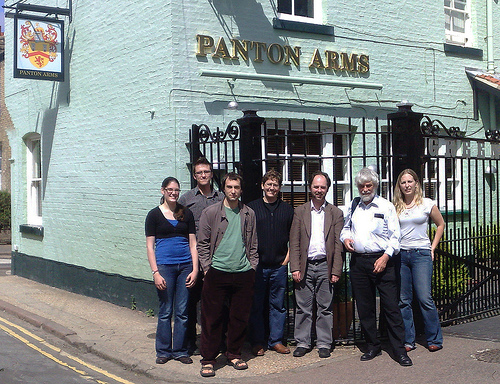
panton principles pic

Founders of the Panton Principles at the Panton Arms, Cambridge UK.
Copyright Panton Principles Authors (CC by 3.0).
Continue reading

Industry partnership programs: A new type of PhD?

External involvement in PhD programmes might help to fix academia’s big problem

The problems with traditional PhD programs are well-documented: money is tight, funding is limited, academics often aren’t able to train for positions outside of academia, and the path up to tenured faculty positions just keeps getting narrower.

Illustration by Megapont/Folio Art

Continue reading

#scidata16: Open data should be easy

There’ll always be reasons not to share data. It’s time we stop making excuses and start making plans, says Atma Ivancevic.

On the morning of October 26, 2016, a group of scientists convened in London to discuss the state of open data. The third Publishing Better Science through Better Data conference kicked off with morning tea, international introductions, and furious scribing from @roystoncartoons. The premise was simple: “Today is all about being open”, said conference chair Iain Hrynaszkiewicz. We settled in to learn the advantages of data sharing at both the individual level and for the scientific community at large.

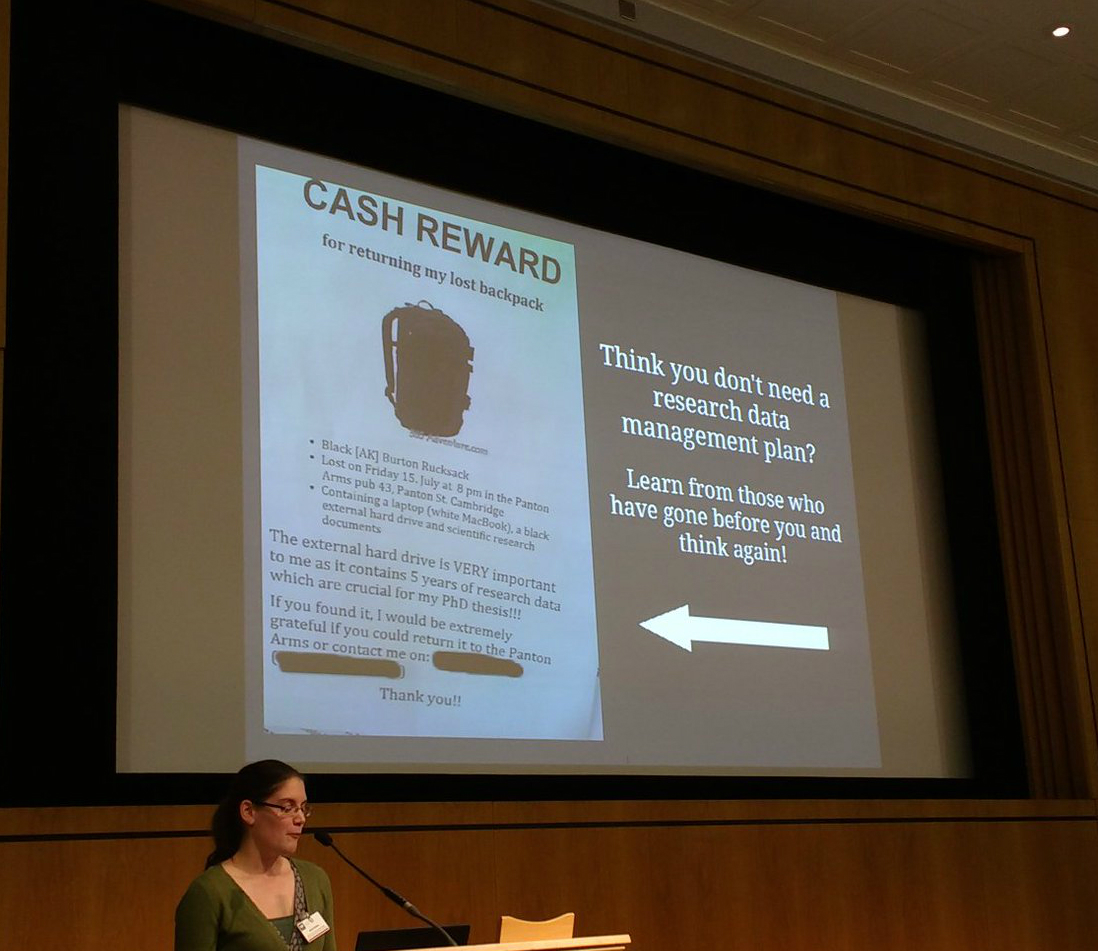
“Open data should be easy,” said Dr Jenny Molloy from the University of Cambridge as she explained the importance of building a data management plan. She pulled up a poster of a missing black backpack: “CASH REWARD” it read, “contains 5 years of research data which are crucial for my PhD thesis!”  I laughed along with everyone else, internally reflecting how similar my life had been before I discovered version control.

IMG_20161102_213011-smaller

Think you don’t need a research data management plan?

Continue reading

Research in industry: A great career choice

Albert Isidro-Llobet always wanted to be an academic. Now he works for GSK. Here he shares his story.

Guest contributor Albert Isidro-Llobet

I joined the R&D division of GSK as an organic and medicinal chemist in 2012. Before that, I completed my PhD at the University of Barcelona and a 3-year postdoc at the University of Cambridge. After my undergraduate degree, I decided to work in organic and medicinal chemistry to contribute to the synthesis of new medicines. Eventually, I wanted to become a Principal Investigator (PI) in academia and it seemed to me that the best course would be pursuing a second academic postdoc.

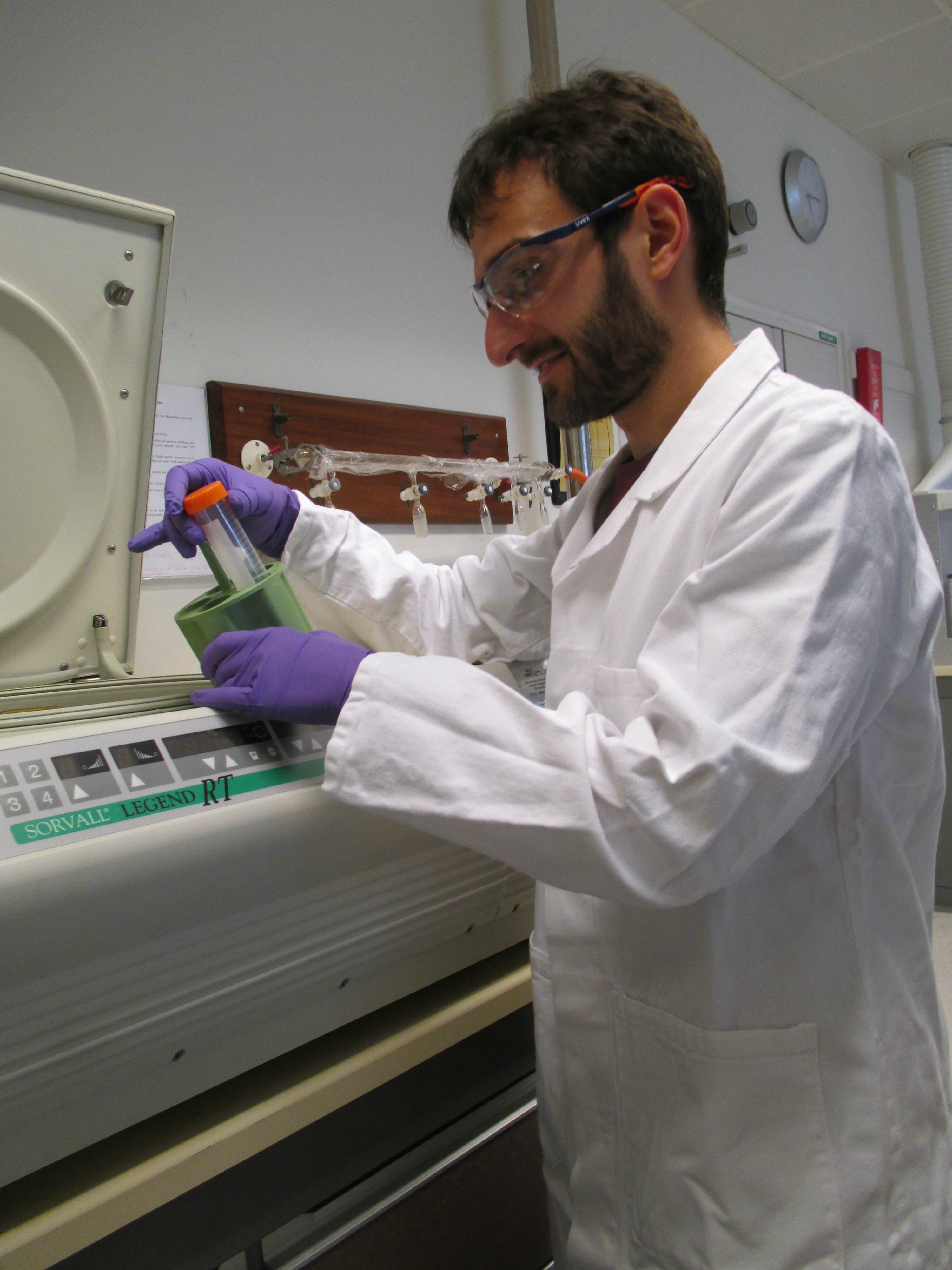
Albert in his lab

Albert in his lab

Continue reading

Parent, carer… #AndAScientist

Researchers can thrive whilst combining their career with life outside the lab, says Ottoline Leyser.

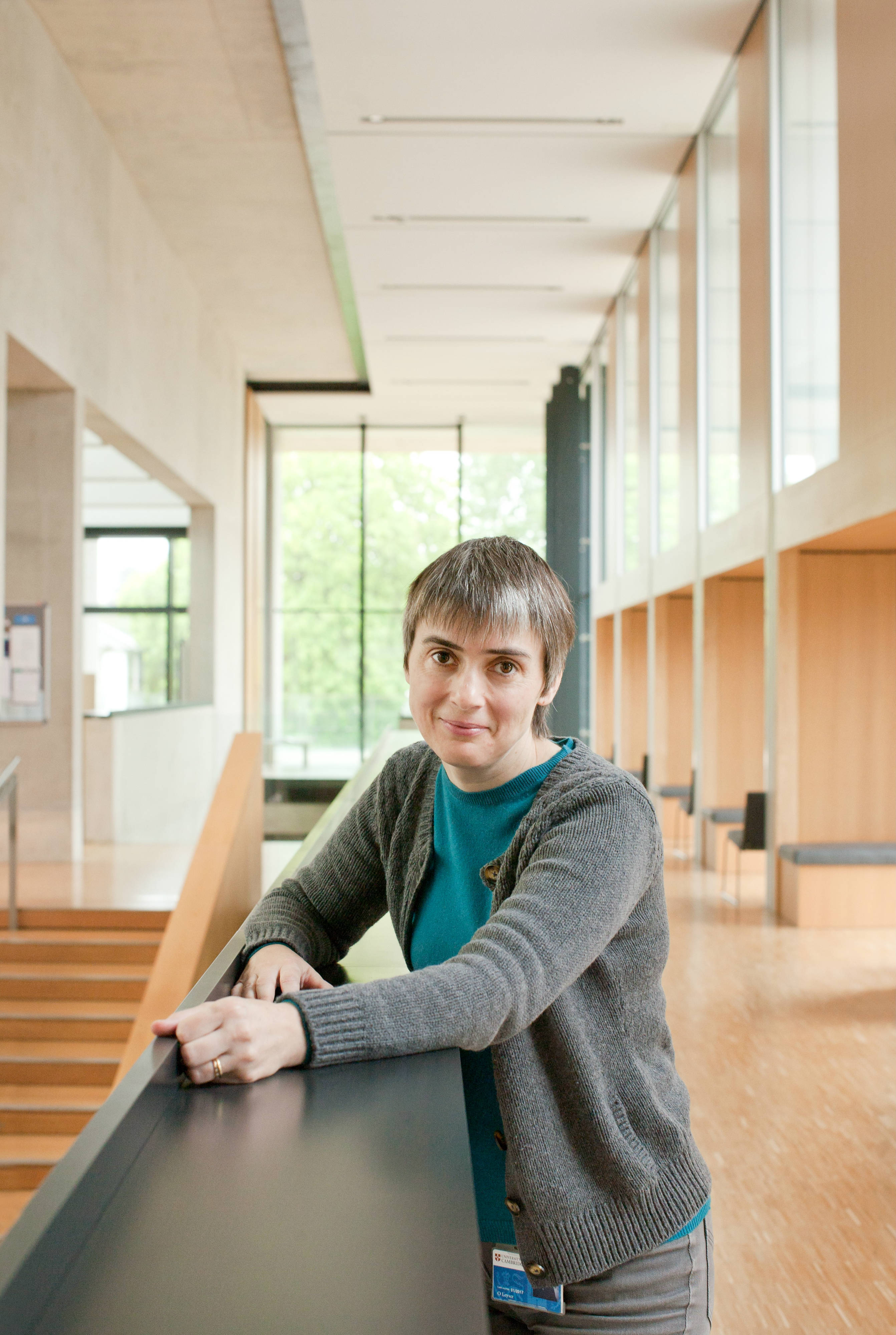
{credit}Ottoline Leyser{/credit}

Guest contributor Ottoline Leyser.

Science needs diversity.  Solving complex problems is more likely if there are diverse people, bringing diverse perspectives and diverse skills to bear on them. The imaginative and interesting people science needs find inspiration in the most unexpected places – both inside and outside the lab; in their personal and family lives and their other responsibilities and commitments.

Working environments that embrace diversity are exciting and creative. They can also be challenging and uncomfortable. While it may be reassuring to work with people who agree with you all day long, you’re much less likely to come up with anything new. It’s unfortunate that such a large part of science is done by a homogenous group of people who all look like each other.  This state of affairs is maintained in part by the positive feedback that comes from unconscious bias, where appointments and promotion committees disproportionately select people similar to themselves. Continue reading

AstraZeneca to cut 2,200 R&D jobs

As part of a major restructuring programme, pharmaceutical company AstraZeneca announced yesterday it would be cutting 2,200 jobs from its research and development (R&D) workforce.

The bulk of job losses will affect employees in its neuroscience arm as the company looks to outsource more of its R&D via external collaborations. It will set up a ‘virtual’ neuroscience research unit comprising 40 to 50 AstraZeneca scientists working with partners in academia and industry, such as the Karolinska Institute in Sweden. The unit will be based in Boston, United States, and Cambridge, United Kingdom, while R&D activities will cease at two sites that are focused on neuroscience: Södertälje in Sweden and Montreal in Canada.

In a statement, AstraZeneca’s president of R&D, Martin Mackay, said: “We’ve made an active choice to stay in neuroscience though we will work very differently to share cost, risk and reward with partners in this especially challenging but important field of medical research.”