Away from home: ‘Research not Nobel-driven’

We’re bringing you the best stories in lab mobility from Nature India.

Today’s blog comes from Arghya Basu, who wears many hats — that of a membrane protein researcher, an amateur photographer and a weekend hiking enthusiast. A doctorate from Indian Institute of Chemical Biology, Kolkata, India, Arghya now lives his many passions working at the University of Alberta, Canada and says research might not always fetch you a Nobel but should be able to make life better for some.
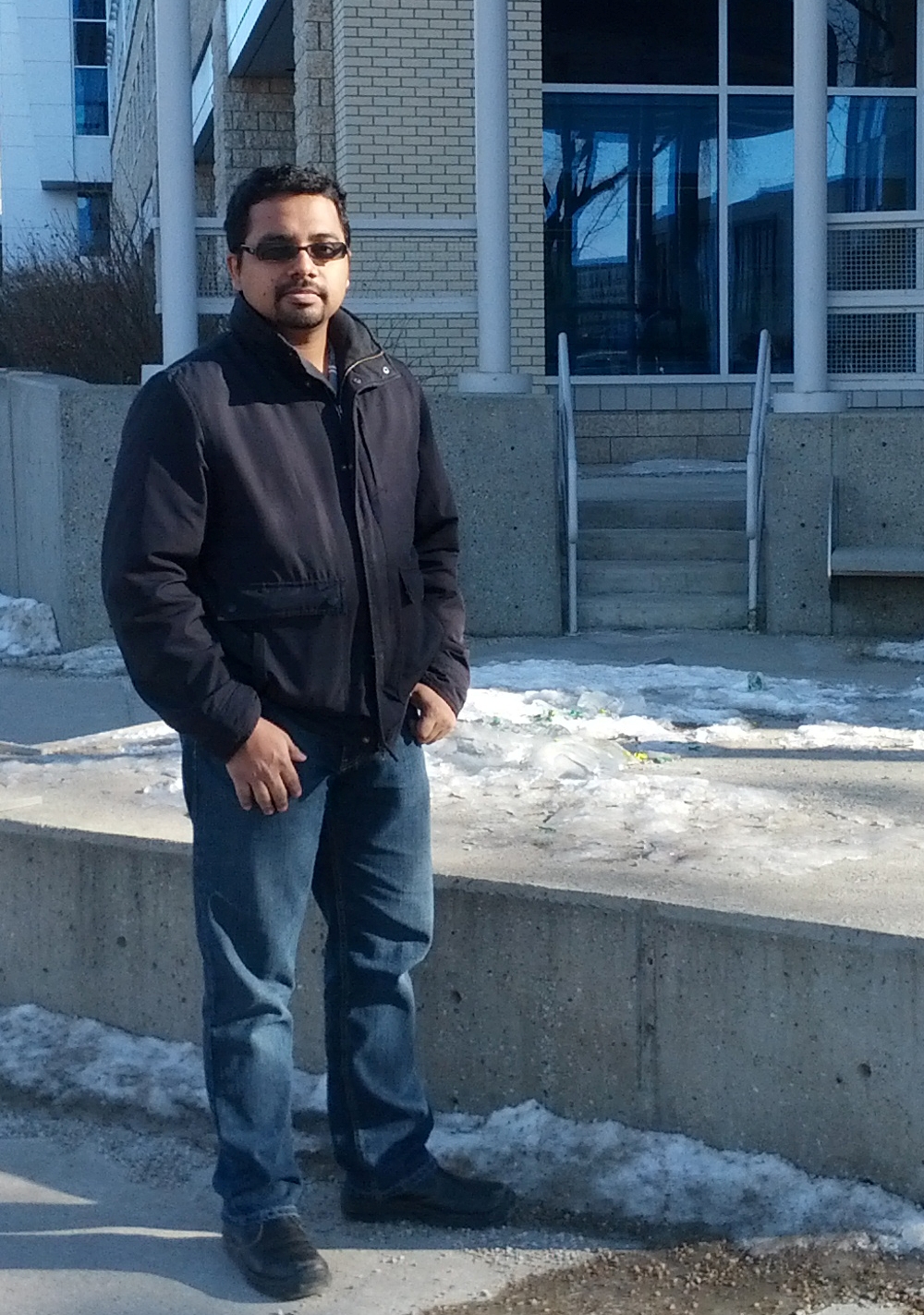
AB

Dad, my first science teacher

My father was my first science teacher. A banker by profession, he had an extraordinary skill to explain the world and all conceivable worldly acts in terms of science. I remember, as a kid I used to look forward to those hours when my father would come back from office and open my science books, be it the physical sciences or life sciences. The next few hours used to be magical. I always wanted to touch that magic. So, it was a no-brainer for me to choose science and scientific research as my future career quite early in my life. Continue reading
Finding job satisfaction in technology transfer

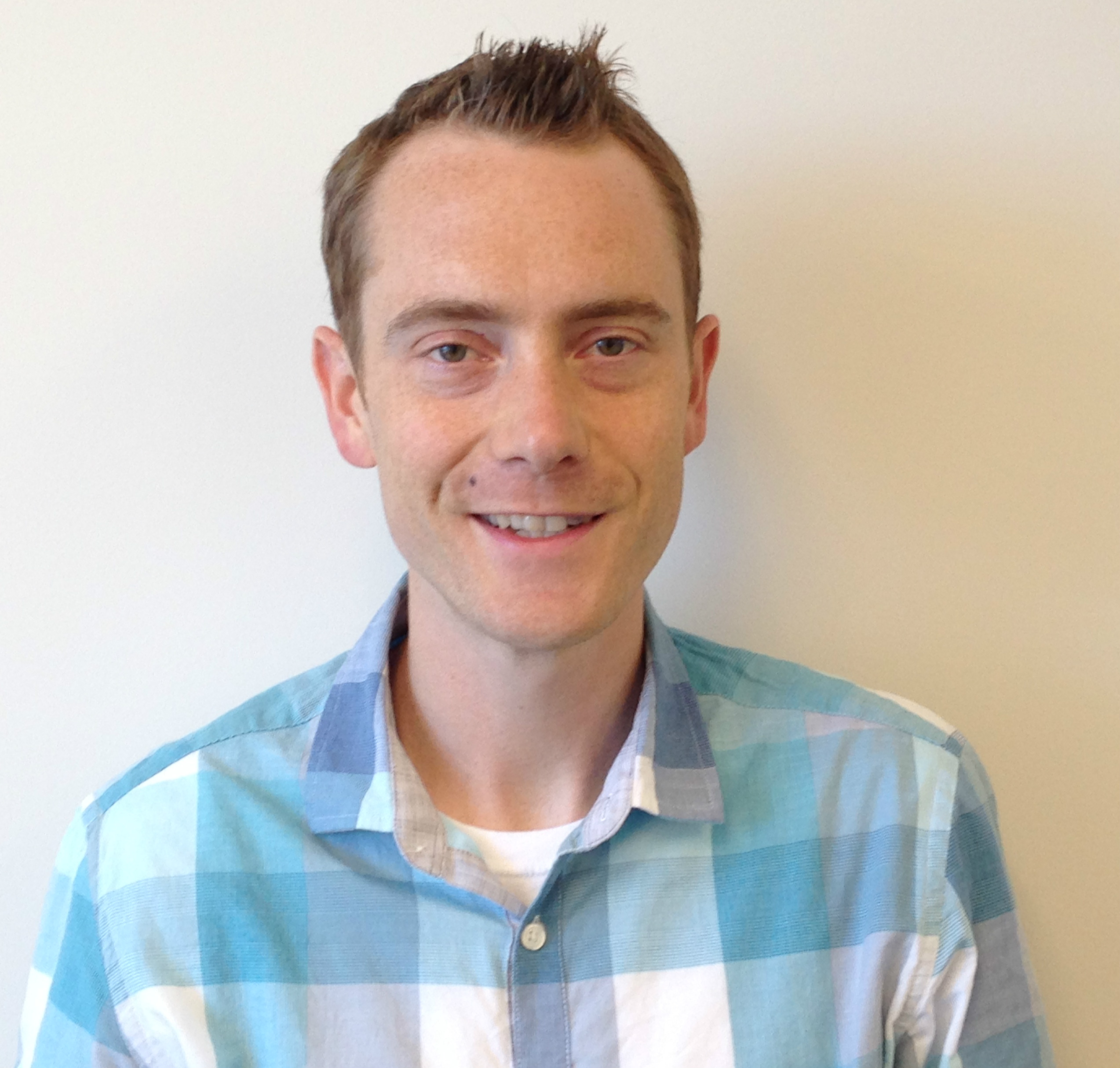
As a business development officer at STEMCELL Technologies in Vancouver, Canada, Ben Thiede evaluates new technologies and negotiates deals that bring scientific advances to market. He describes his move from graduate studies toward law and into his current position.

What do you do?

It’s a very diverse role; I’m writing and drafting a lot of agreements – like license agreements and supply agreements.  I’m helping the company evaluate the patents we have; I’m evaluating technologies that other companies are bringing to us. I’m always scouring publications; I have Google Alerts set for certain types of technologies. I feel that I am reading more scientific journals than when I was in grad school. Continue reading

AstraZeneca to cut 2,200 R&D jobs

As part of a major restructuring programme, pharmaceutical company AstraZeneca announced yesterday it would be cutting 2,200 jobs from its research and development (R&D) workforce.

The bulk of job losses will affect employees in its neuroscience arm as the company looks to outsource more of its R&D via external collaborations. It will set up a ‘virtual’ neuroscience research unit comprising 40 to 50 AstraZeneca scientists working with partners in academia and industry, such as the Karolinska Institute in Sweden. The unit will be based in Boston, United States, and Cambridge, United Kingdom, while R&D activities will cease at two sites that are focused on neuroscience: Södertälje in Sweden and Montreal in Canada.

In a statement, AstraZeneca’s president of R&D, Martin Mackay, said: “We’ve made an active choice to stay in neuroscience though we will work very differently to share cost, risk and reward with partners in this especially challenging but important field of medical research.”