A non-traditional path to a PhD

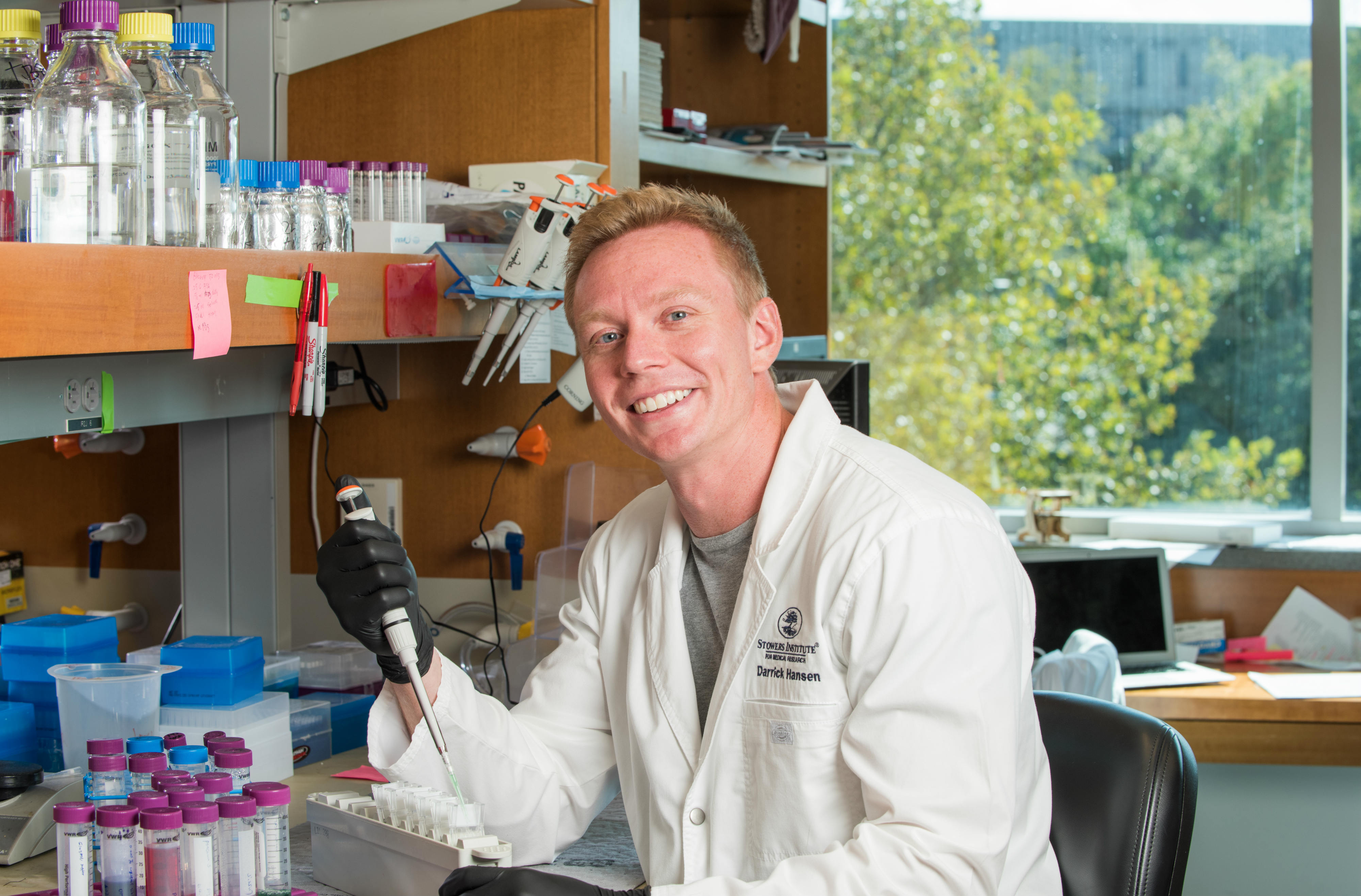
Darrick Hansen explored the world in pursuit of adventure and an undergraduate degree. Now, he sees his PhD program as a chance to explore biomedical mysteries alongside an international community of scientists.

 This post was sponsored by the Stowers Institute

Darrick Hansen has a low threshold for the mundane. On his way to earning his undergraduate degree, he took time off to work in far flung places in between his studies in the US, Singapore, and Scotland.

Derrick Hansen

Derrick Hansen{credit}STOWERS INSTITUTE FOR MEDICAL RESEARCH{/credit}

Continue reading

Do it for science – not for tenure

Career advice from a Nobel Laureate

By Judith Reichel

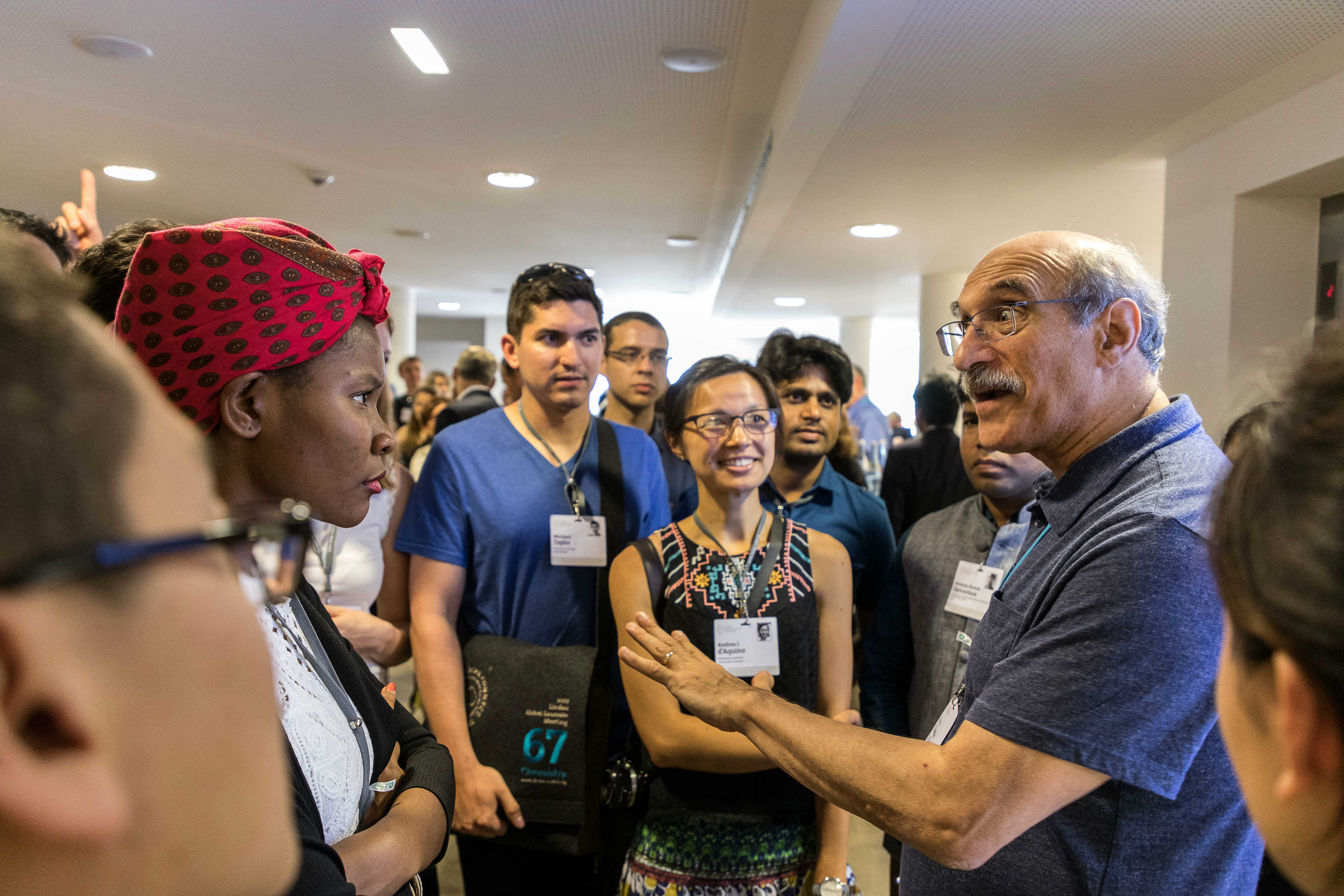
I recently had the pleasure of joining the 67th Lindau Nobel Laureate meeting at Lake Constance in the south of Germany. The weeklong meeting alternates its main focus between chemistry, physics, and medicine & physiology each year — the three categories of natural sciences the Nobel Prizes are awarded for. This year the focus was back on chemistry, and I was lucky enough to be invited by the organisers to cover the event on their blog.

Throughout the week I met handpicked junior researchers, talented fellow science communicators and journalists, and — above all — sat down with Nobel Laureates for one-on-one interviews.

One of them was Martin Chalfie, who won the 2008 prize in Chemistry with Osamu Shimomura and Roger Y. Tsien for their development of the now widely used Green Fluorescent Protein (GFP) tag. Inserting the gene sequence for GFP into a host organism produces the protein within a cell, which allows for the visualization of intricate biological processes.

Chalfie talking to students at Lindau 2017

Chalfie talking to students at Lindau 2017{credit}Christian Flemming/Lindau Nobel Laureate Meetings Young Scientists in conversation with Martin Chalfie{/credit}

Continue reading

Dear Dr. Elena: How outreach kills the science stereotype

Science includes a vast range of people. So why do we still have one stereotype?

professor-1696568_1280

What does a scientist look like?

You don’t look like a scientist.

Have you ever been told this? I get it quite often. Sometimes from children, but also from adults. Occasionally, if I feel like turning that comment into a discussion, I ask:

How so?

They would hesitate, tilt their head, and make a careful comment about my outfit or my hair.

And you are a girl. Continue reading

Lindau cubed: Nerd heaven redux and the importance of standing up for science

Alaina G Levine blogs from “Nerd Heaven,” aka The Lindau Nobel Laureate Meeting.

The 67th Lindau Nobel Laureate Meeting

The 67th Lindau Nobel Laureate Meeting{credit} Julia Nimke/Lindau Nobel Laureate Meetings Opening Ceremony{/credit}

What exactly is this Nerd Heaven, as I love to refer to it? It’s a conference where you’ll find only just a legion of Nobel Laureates (around 30) mingling with 400 or so young scientists from like 80 countries across the non-flat Earth. The official name for this geeky conference is the Lindau Nobel Laureates Meeting and it is an annual affair that takes place in Lindau, Germany. Each year it focuses on a different subject and this year its concentration is on chemistry. Continue reading

Quick profiles: Emma Hilton

Emma Hilton worked as a doctor for nine years, including four in clinical research.  After that, she shifted to pharma. Here she shares her story.

Emma is now Global Medical Affairs Leader for Chronic Obstructive Pulmonary Disease (COPD) in GSK’s Respiratory Division.

As a child, I was fascinated by how things work, especially the human body, and I decided I wanted some kind of career in science. Medicine seemed like the ideal avenue and offered a reassuringly clear path including training and employment prospects.

career-decisions-naturejobs-blog

{credit}iStockphoto/Thinkstock{/credit}

Continue reading

What I learnt from researching in Germany

Mit Bhavsar shares his thoughts on working in the German scientific environment

I’ve always been fascinated with medical research, which brought me from Ahmedabad, India, to Frankfurt (via Aachen, Düsseldorf and Göttingen) to pursue a Masters and a PhD in neuroscience. Germany boasts an excellent research ecosystem across the private and public sectors, with strong collaboration between each. Consequently, there are attractive career opportunities for local and international researchers, especially in a world where two of the west’s other major research hubs – the UK and the US – appear to be trending against science, evidence, and intellectualism. Having spent seven years here, this is what you need to know about research in Germany.

biomedical research-smaller

Credit: Getty/Andrew Brookes

Continue reading

The start and the middle: beginning your PhD

The initial stages of a PhD can be daunting. Fortunately, there are a few ways you can make the transition into productive doctoral study as smooth as possible.

Whether you’re starting a PhD fresh out of undergrad or after many years of employment, the decision to begin a doctorate is a significant career move. When I started, 18 months ago, I figured I had a pretty good idea of what I was getting into: I’d previously worked in industry, completed a Master’s degree, and worked as a research assistant in another lab.

But I soon realized that my PhD was different — in a number of ways — from what I’d done before. Here are some things I’ve learnt so far, and some ways I‘ve made efficient use of my brief time as a PhD student.

scientist-762627_1920
Continue reading

Margaret Thatcher, post-truth, and other “political scientists”

How does science influence politics?

A review of David Cannadine’s biography of Margaret Thatcher, the UK’s first woman prime minister, describes how her background in science, as well as her gender, set her apart. “No skimming of great books from the canon in PPE for her: chemistry was a proper subject, evidence based,” writes William Waldegrave in his review for The Daily TelegraphWaldergrave served a junior minister in Thatcher’s government before she resigned in 1990.

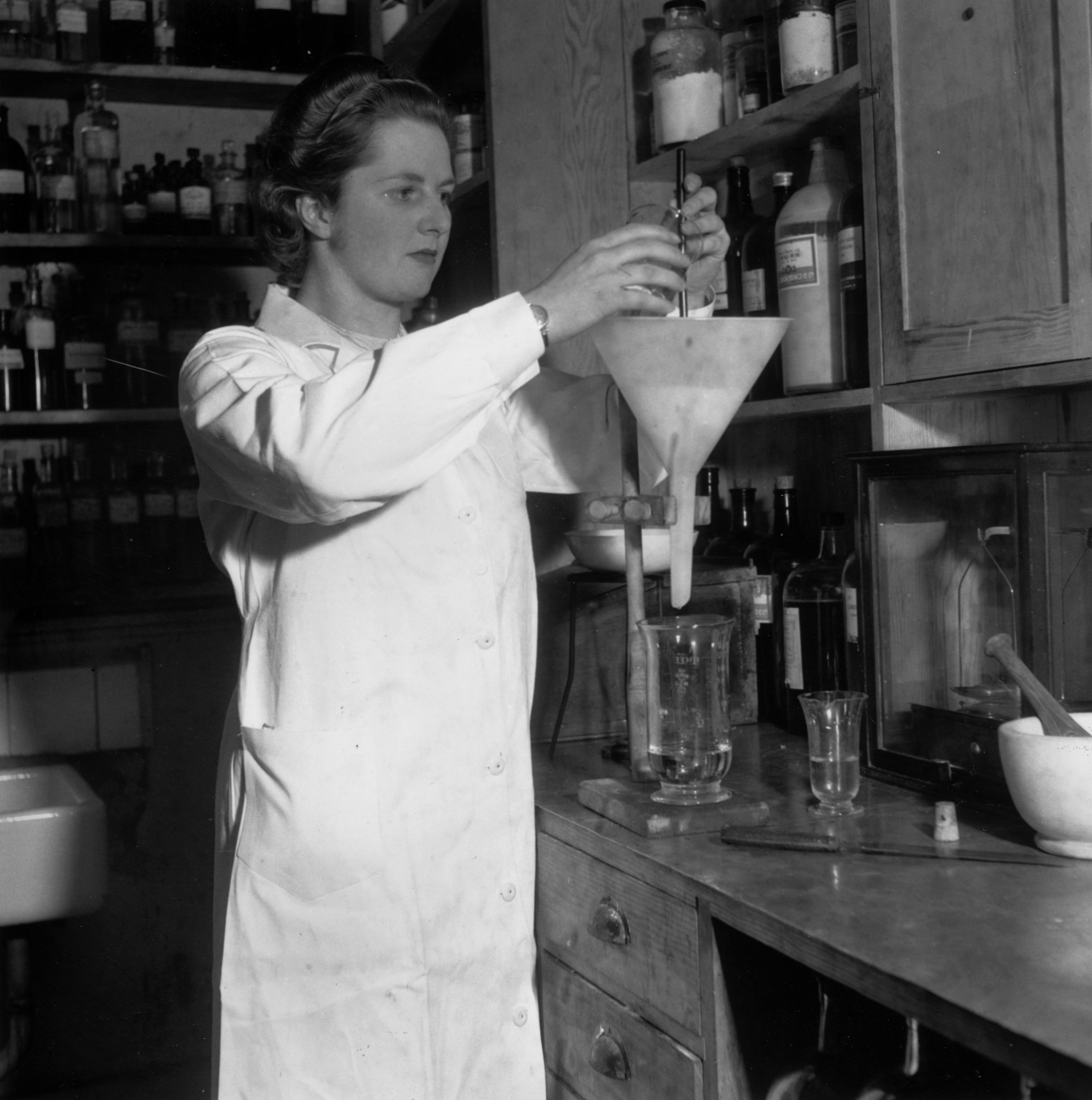
Margaret Thatcher

Thatcher at work as a research chemist in 1950.{credit}Christ Water/Getty{/credit}

Thatcher, who worked industry as a research chemist after graduating, was reportedly more proud of being the first UK prime minister with a science degree than she was of being the first female to enter Downing Street. David Payne examines how science influenced Thatcher’s politics, and looks at the interface between science and politics and its coverage in Nature’s careers section. Continue reading

Away from home: Making graphene flakes in a kitchen blender

We’re bringing you the best stories in lab mobility from Nature India

The ‘Away from home‘ blogging series features Indian postdocs working in foreign labs recounting their experience of working there, the triumphs and challenges, the cultural differences and what they miss about India. They also offer useful tips for their Indian postdocs headed abroad. You can join in the online conversation using the #postdochat hashtag.

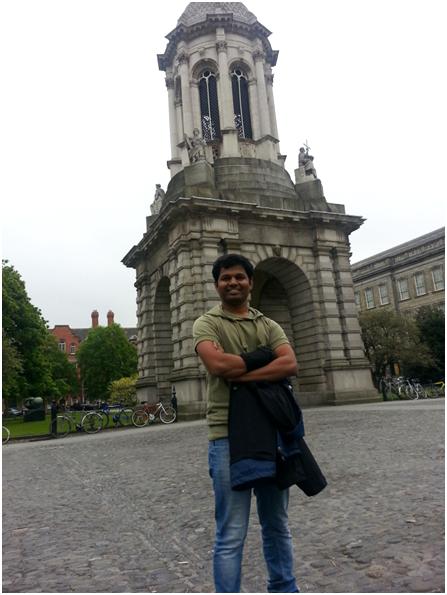
Today’s blog is in the ‘breaking news’ category where Varrla Eswaraiah, a postdoctoral researcher at Trinity College Dublin, Ireland shares the excitement over his lab’s recent paper published in Nature Materials. Eswar, an alumnus of IIT Madras, tells us all about making graphene flakes in a kitchen blender and the possibility of replicating it on a mega scale. He tells us about his humble beginnings from a small village in Andhra Pradesh and how he struggled against odds to pursue his passion for science.

Varrla Eswaraiah at the Trinity College Dublin.

Varrla Eswaraiah at the Trinity College Dublin.

Continue reading

The changing landscape of pharma: a new route for PhDs?

The pharmaceutical industry is changing – challenging for some, but an open road to opportunity for others. And the latest opportunity in the world of pharma comes from a rapidly growing demand for Medical Science Liaisons (MSLs), says Dr. Martijn Bijker.

As more drugs come to market and pharma’s business model shifts from selling drugs directly to fostering earlier engagement, companies are looking for highly skilled scientifically- and clinically-trained candidates. Could this be an outlet for the overflowing pool of PhD (and MD) graduates produced every year?

So what is an MSL?

An MSL is the scientific and clinical disease expert within a pharmaceutical or biotech company. They’re the go-to person for any complex questions about a specific drug. That could include questions about the science behind the drug, the mode of action, the competitors’ drugs, side effects, clinical trials, research opportunities, and disease-related questions.

MSLs work at the interface between internal stakeholders in the company and external stakeholders in the field – called Key Opinion Leaders (KOLs). MSLs help to bring innovative new drugs to the market and provide education about the proper use of drugs that are already on the market. KOLs – broadly defined as leaders in their field – can be heads of departments at teaching hospitals, heads of pharmacies, professors of medicine, the CEO of a patient organisation, physicians involved in pharmaceutical clinical trials and sometimes clinical scientists themselves. In short, MSLs work with the most influential stakeholders in a therapeutic area.

scientist-762627_1920

MSLs help to bring innovative new drugs to the market and provide education about the proper use of drugs that are already on the market.

Continue reading