Lindau: The charge of the Nobel lasses (and lads): Be humble

Humility and success in science are closely linked, Alaina G Levine discovers at the 67th Lindau Nobel Laureate Meeting.

Alaina G Levine and Dan Shectman

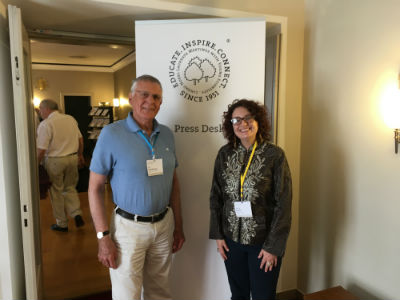
Alaina G Levine with Dan Shechtman at at the 67th Lindau Nobel Laureate meeting.{credit}Alaina G Levine{/credit}

Nerd Heaven, aka the Lindau Nobel Laureate Meeting, provides an intellectual gymnasium for nerds of the world. The youngsters who attend can partake of 29 lectures by Nobel Laureates on topics as tantalising as the Joy of Discovery given by synthetic organic chemist Bernard Feringa, to the rousing Aromatic Ring Flips in Protein Dynamics presented by chemist/biophysicist Kurt Wuthrich, all of which contributes to a flipping good time. Continue reading

Lindau cubed: Nerd heaven redux and the importance of standing up for science

Alaina G Levine blogs from “Nerd Heaven,” aka The Lindau Nobel Laureate Meeting.

The 67th Lindau Nobel Laureate Meeting

The 67th Lindau Nobel Laureate Meeting{credit} Julia Nimke/Lindau Nobel Laureate Meetings Opening Ceremony{/credit}

What exactly is this Nerd Heaven, as I love to refer to it? It’s a conference where you’ll find only just a legion of Nobel Laureates (around 30) mingling with 400 or so young scientists from like 80 countries across the non-flat Earth. The official name for this geeky conference is the Lindau Nobel Laureates Meeting and it is an annual affair that takes place in Lindau, Germany. Each year it focuses on a different subject and this year its concentration is on chemistry. Continue reading

#GYSS: Engaging in PhD research you truly care about

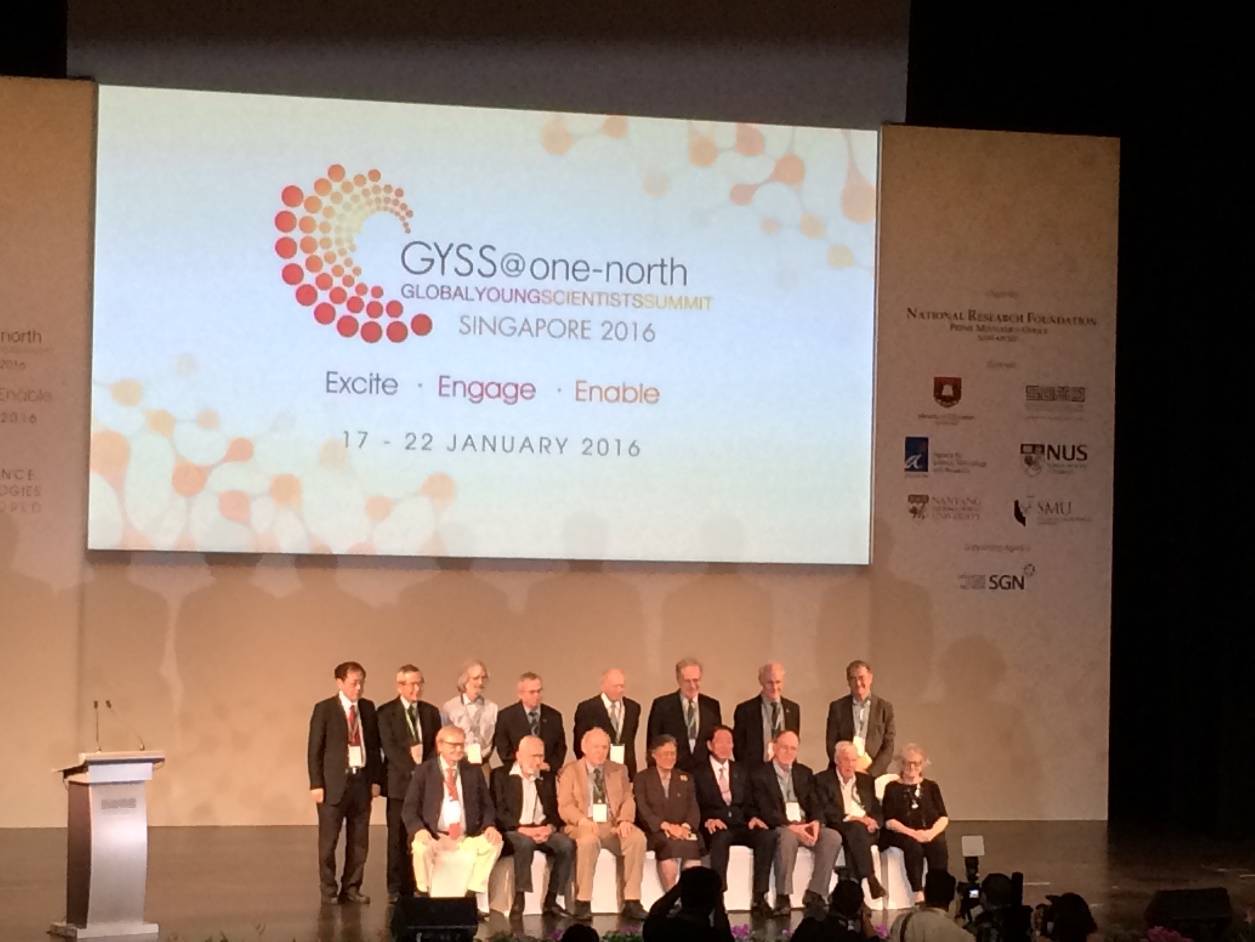
Nobel laureates spoke at the Global Young Scientist Summit 2016. Andy Tay was there for Naturejobs.

Guest contributor Andy Tay

Congratulations! After investing so much effort to write your personal statement and research proposal, you’ve been accepted into a PhD programme. It’s now time to decide which lab to commit to.

Like most other PhD students, you may be eager to perform and steer your PhD in your direction. However, as your salary, tuition and research expenses are likely to come from the grants of your professor, this financial need might trap you in a research project that you’re not interested in. While PhD students in countries like Singapore and Australia are paid generous scholarships, their counterparts in the U.S. and European institutions typically rely on their professors for income. In all cases, PhD students still require their research expenditure to be covered by grants.Nobel laureates
 

Is there no way out?

After hearing – along with many other topics – about the role of micro-organisms in cancer, and the use of light for quantum computing, students present in the Global Young Scientist Summit 2016 voiced their concerns on PhD education during group sessions and panel discussions with 13 Nobel laureates.

A common worry was the lack of autonomy on research projects and the impact that has on scientific curiosity. The Nobel laureates, fortunately, had experienced advice to give. Continue reading

Mentoring: Before they were laureates

Mentors create environments where early career researchers can grow and develop.

Contributor Michael Gatchell

mentoring-naturejobs-blog

{credit}Istockphoto/ThinkStock{/credit}

For a young scientist the possibilities are endless, but a good mentor can make all of the difference in helping their career off to the right start.

Those who choose to become scientists can often point out one or several people who influenced them and started them on the journey that is their career. Already at an early stage in one’s education, there can be that one professor who made a longstanding impact. Even seemingly small actions make a big difference. This was the case for 2008 Nobel laureate in chemistry, Martin Chalfie. He fondly remembers a special teacher while he was an undergraduate student at Harvard, who personally ensured that Chalfie had a key to the library and could read the papers needed for a course. “He went out of his way — that was a wonderful thing,” Chalfie says.

The first experience that many people have of actually practicing science is during graduate school. The advisors naturally take on the role as mentors and create an environment where they can grow. This can be manifested in many different ways. For Brian Schmidt, winner of the 2011 Nobel Prize in physics, having frequent meetings with his PhD supervisor at Harvard were important. “Every morning I would bring in a plot of what I did the day before and we would talk it over,” he says. “He really imprinted lots of how to do science to me.” Continue reading