So close, yet so far

An infection biologist gets a home-grown reminder of the importance of her research.

Guest contributor Maiara Severo

About nine months ago, I got a text message. It was my sister, asking me if I knew anything about a disease called Zika. It made sense — I have a PhD in medical entomology. As we texted, my sister seemed alarmed. There were a few rumors that Zika was spreading into the north east of Brazil – where she and I are from and where she is still based – but no one really knew what to think or do about it. She asked me if she needed to take precautions of any kind. I told her not to worry too much, just avoid being out around dawn time, and to wear long pants, socks and perhaps a cardigan whenever possible. I couldn’t tell her to simply use repellents. She was trying to get pregnant. Continue reading
The value of my PhD – Looking back one year after graduating

Her PhD on Parkinson’s disease didn’t go exactly as planned, but in the end the difficulties made Liesbeth Aerts a happier scientist.

Guest contributor Liesbeth Aerts

One year ago today, I found myself in a lecture theatre, presenting my research to a thesis jury. During the years leading up to that moment, there were many days when I worried whether I was ever going to make it that far. When I finally did, most of all, I felt relieved.

Liesbeth Aerts


Continue reading

#GYSS: Engaging in PhD research you truly care about

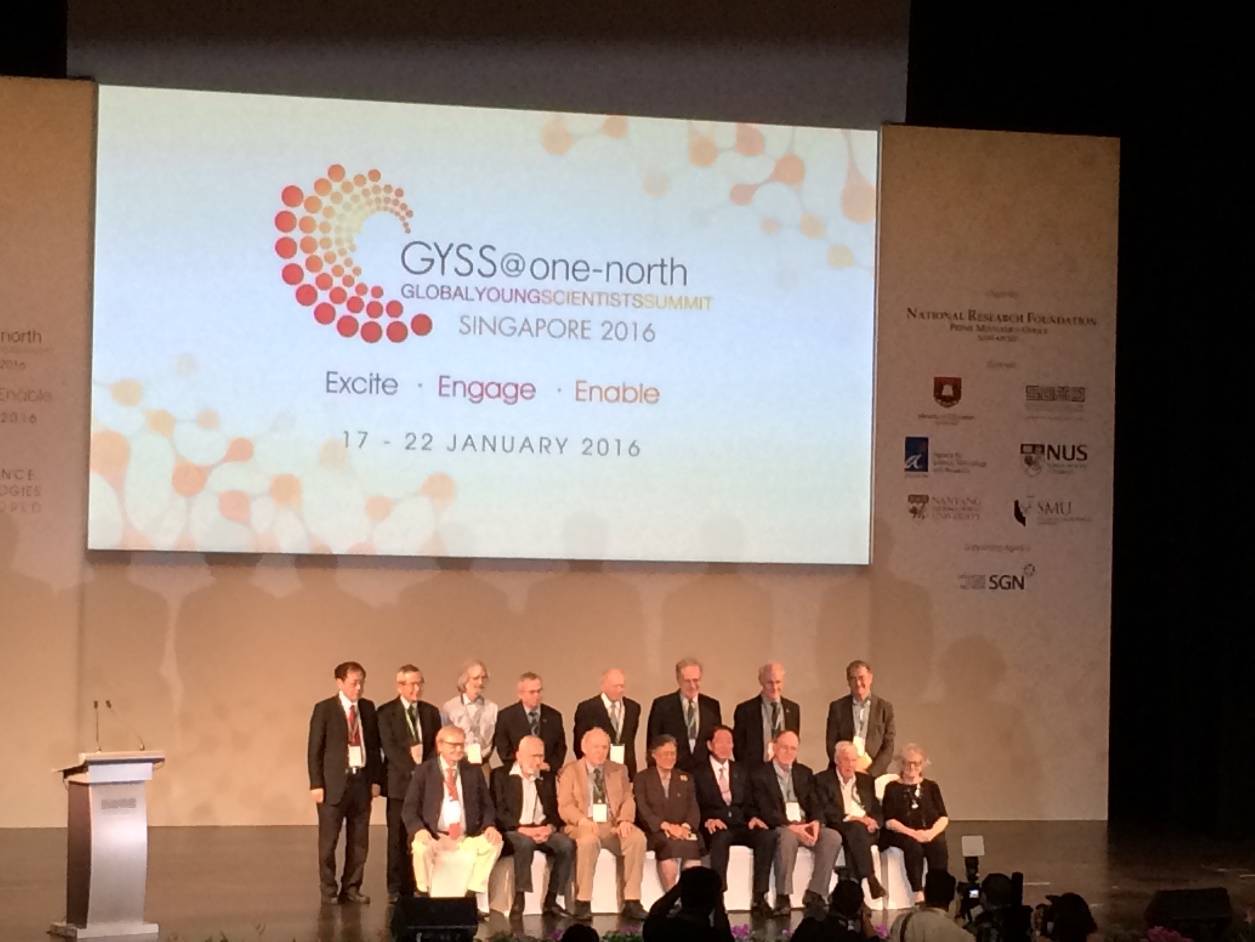
Nobel laureates spoke at the Global Young Scientist Summit 2016. Andy Tay was there for Naturejobs.

Guest contributor Andy Tay

Congratulations! After investing so much effort to write your personal statement and research proposal, you’ve been accepted into a PhD programme. It’s now time to decide which lab to commit to.

Like most other PhD students, you may be eager to perform and steer your PhD in your direction. However, as your salary, tuition and research expenses are likely to come from the grants of your professor, this financial need might trap you in a research project that you’re not interested in. While PhD students in countries like Singapore and Australia are paid generous scholarships, their counterparts in the U.S. and European institutions typically rely on their professors for income. In all cases, PhD students still require their research expenditure to be covered by grants.Nobel laureates


Is there no way out?

After hearing – along with many other topics – about the role of micro-organisms in cancer, and the use of light for quantum computing, students present in the Global Young Scientist Summit 2016 voiced their concerns on PhD education during group sessions and panel discussions with 13 Nobel laureates.

A common worry was the lack of autonomy on research projects and the impact that has on scientific curiosity. The Nobel laureates, fortunately, had experienced advice to give. Continue reading