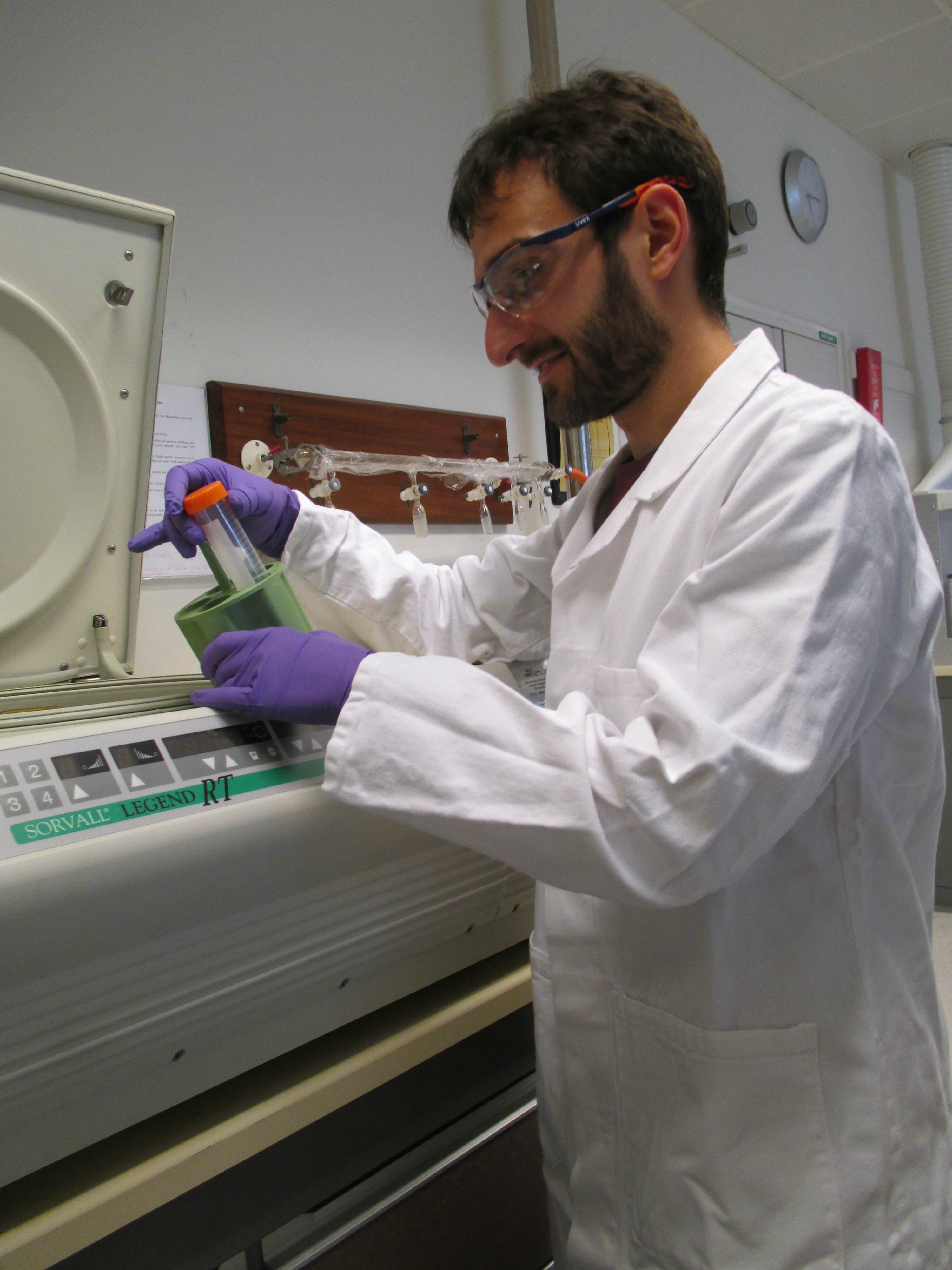
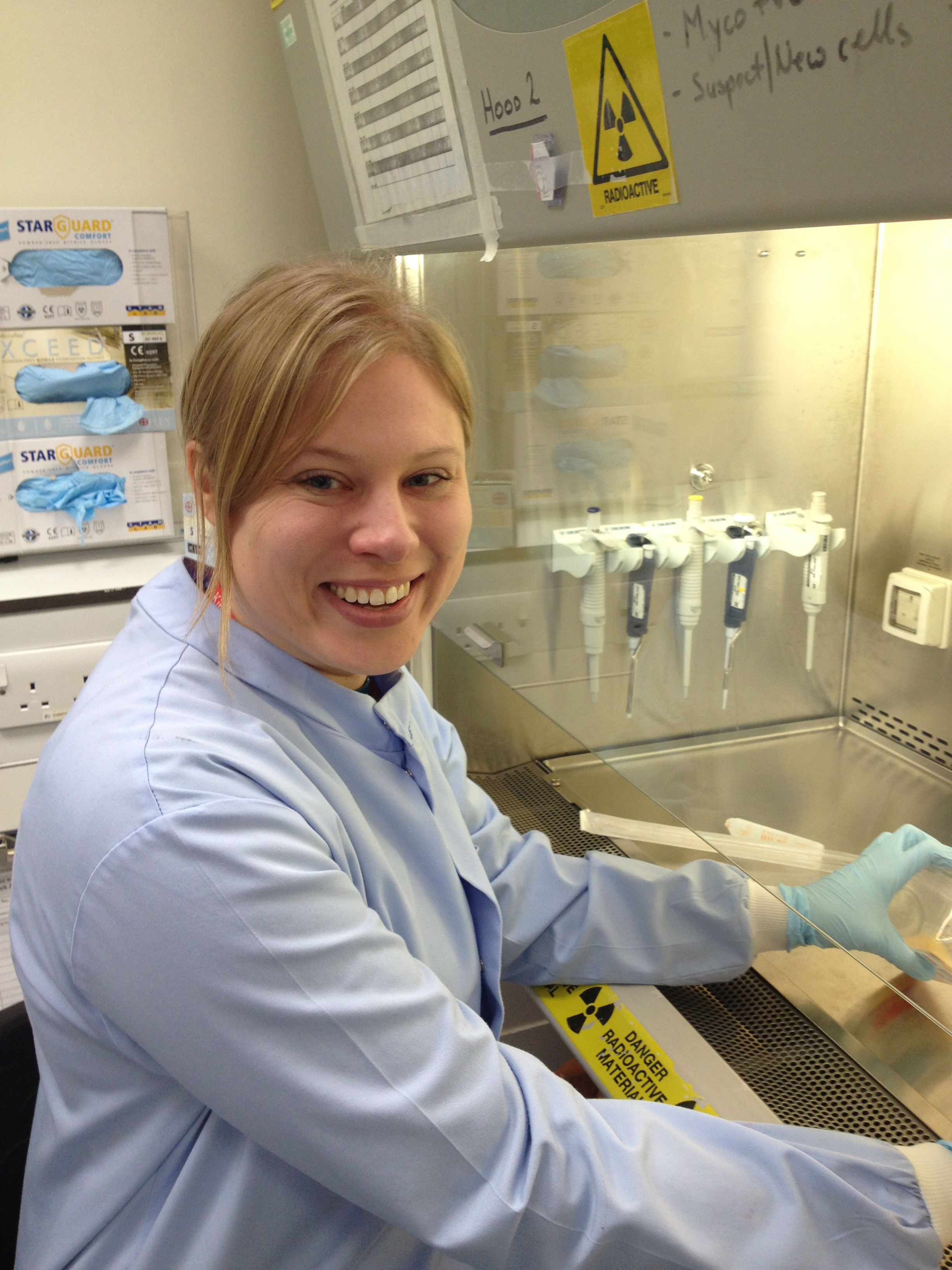
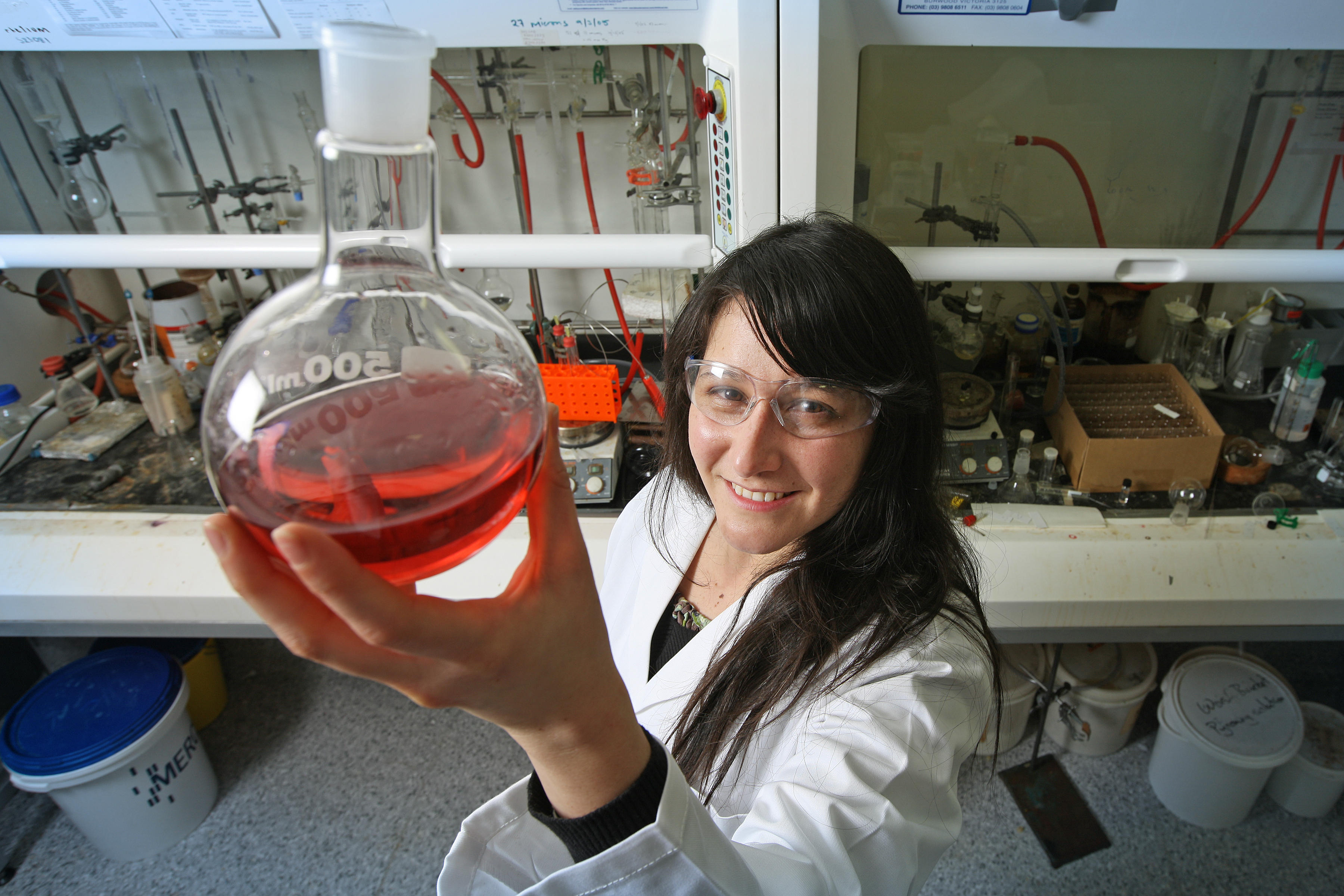
Away from home: An eye for funds

We’re bringing you the best stories in lab mobility from Nature India

Every Tuesday, our ‘Away from home’ blog series features one Indian postdoc working in a foreign lab recounting his/her experience of working there, the triumphs and challenges, the culture factor, tips for Indian postdocs headed abroad and what he/she misses most about India.

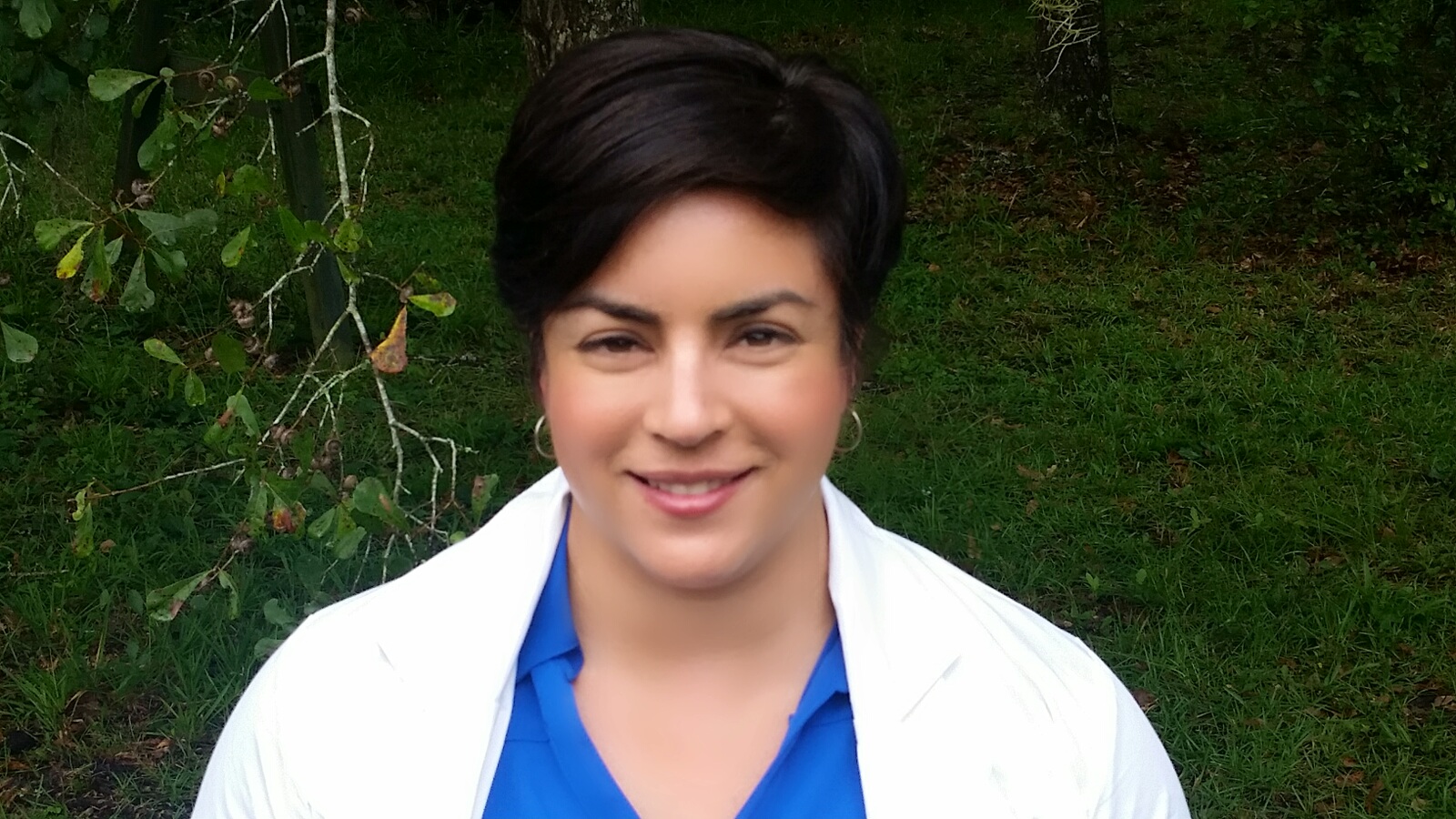
This week we have Moumita Chaki, a PhD from Indian Institute of Chemical Biology (IICB-CSIR), Kolkata, currently working as a postdoctoral fellow at the University of Michigan Medical School, USA. She talks, among other things, about the problems of funding for independent postdoctoral research that visa-holders like her might face in the US.
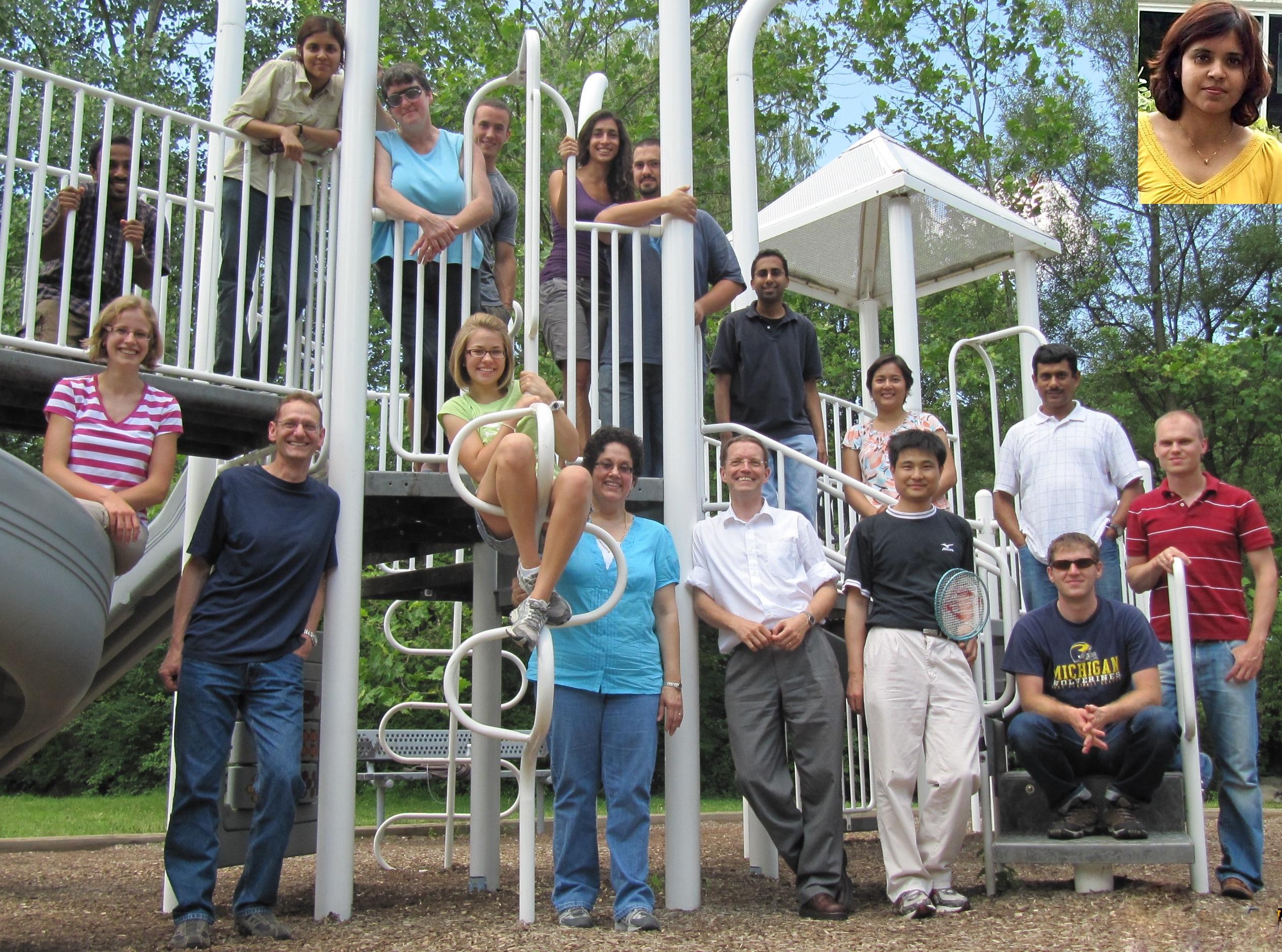
Moumita Chaki (inset) with her lab

Continue reading

Finding job satisfaction at a biomedical device company

Perseverance can help land a position, but relevant experience is a big help.

As she was finishing a postdoc at the University of Florida, Gainesville, Stefanie Marquez-Vilendrer found herself in the midst of a long, broad job search. She describes how she landed a position at Axogen, a biomedical company that develops and sells products for nerve surgeries.

If you’ve moved from a trainee position to a permanent job within the last five years and would like to participate in this series, please email naturejobseditor@nature.com.

2016-10-03-08-16-35-835

{credit}Joseph E. Vilendrer{/credit}

Continue reading

US research centres create opportunities

Training and mentoring opportunities for junior researchers in particle physics, cell biology, mechanobiology and materials science will be created in connection with four partnerships that are funded by the US National Science Foundation (NSF) in Arlington, Virginia.

New Image

NSF on 26 September announced US$94 million to support four new Science and Technology Centers (STCs). Each awardee will receive up to $24 million over a 5-year period, with the possibility of a continuation for 5 more years. In addition to these latest awards, NSF supports eight active STCs across the United States. Each STC involves partnerships across universities, federal labs, industry and other organizations.

Continue reading

Careers in industry: Medicine maker

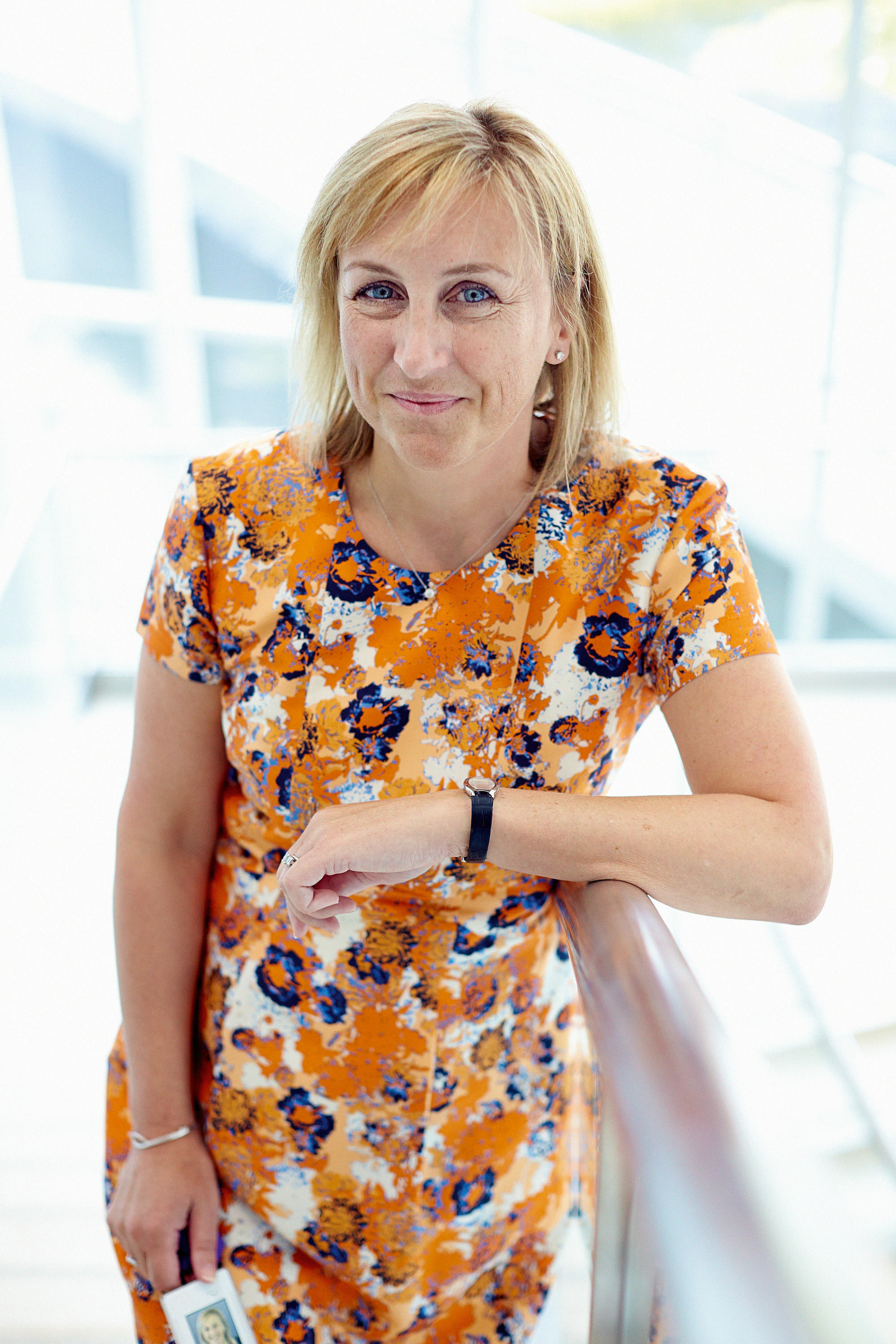
Pauline Williams shares her thoughts on her career outside of academia.

As a junior doctor working in geriatrics, I could never have imagined that in 20 years time I would have led the development of a medicine which has the potential to save hundreds of thousands of babies’ lives.


Pauline Williams

Pauline Williams

Continue reading

Can scientists really have work/life balance?

To be a top performer you need to be happy – something academics tend to forget.

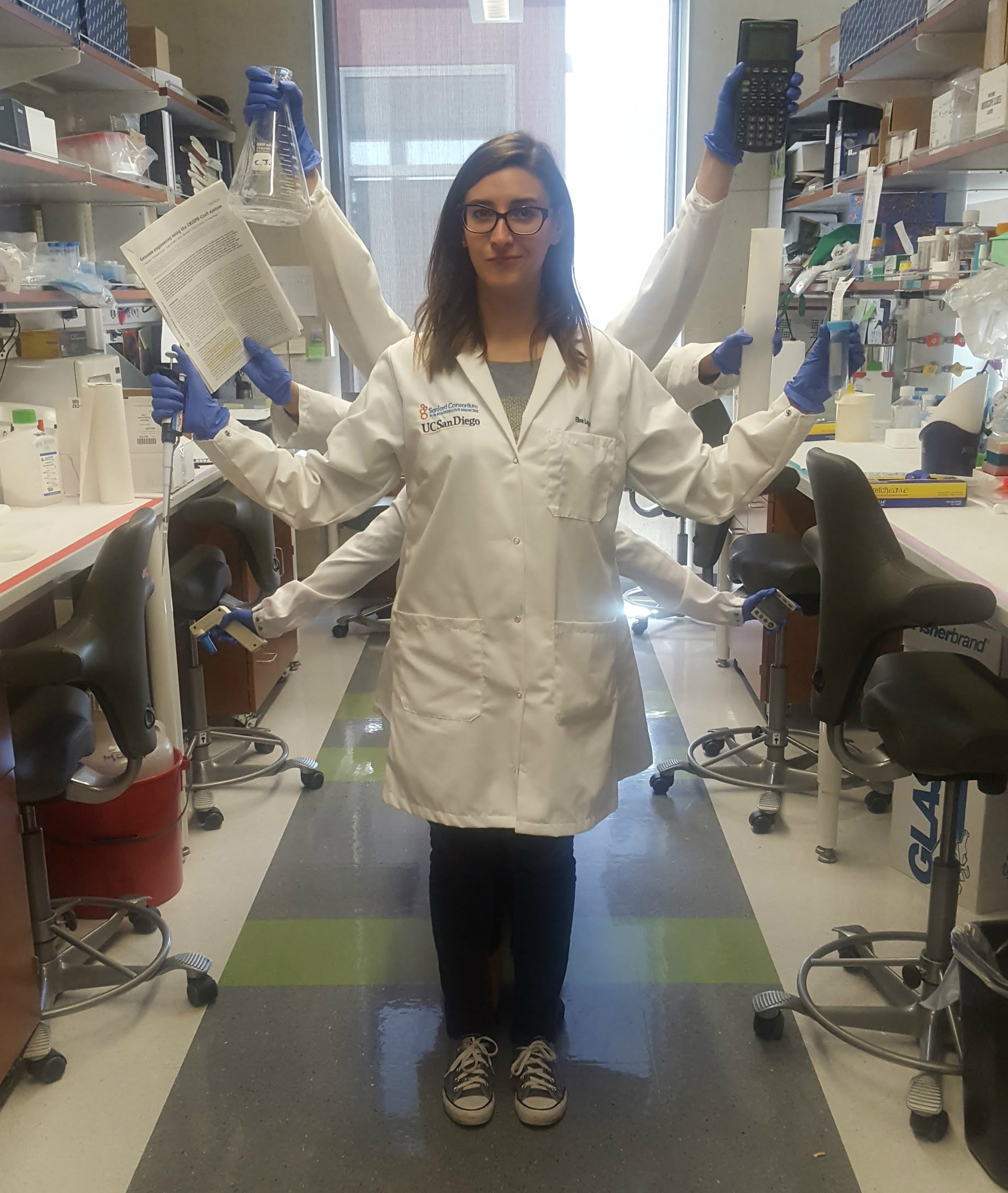
Naturejobs journalism competition winner Elisa Lazzari

Scientists spend a lot of time trouble-shooting. Every day we work on our protocols, and if something doesn’t work, we try again and again, until we fix it. We keep track of all the factors and accurately measure all variables, to find the perfect combination of parameters that work. If there is one thing we can claim after getting a PhD, we’re definitely great at problem-solving. Can we also trouble-shoot our way out of the everlasting dilemma on how to find work/life balance?

Elisa Lazzari

Elisa Lazzari

Continue reading

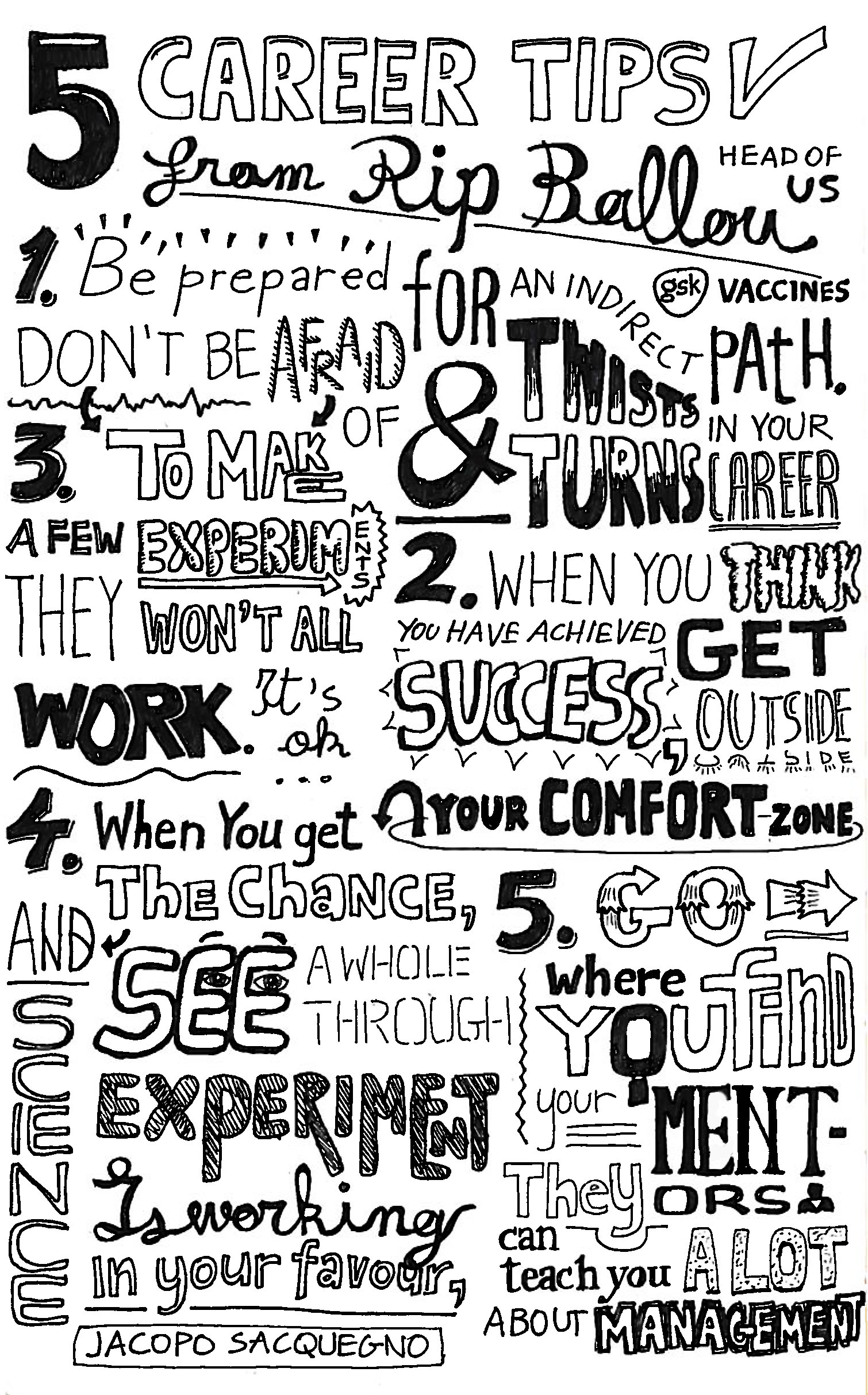
Five career tips from Ripley Ballou

We sat down with Rip at the Naturejobs career expo, Boston, to talk about his career and the advice he would give to other scientists starting theirs.

Rip’s had an interesting life; he started his career as a researcher at the US army’s Walter Reed Institute of Research, where he once exposed himself to malarial mosquitoes in a bid to see if his malarial vaccine worked. It didn’t, and that experience has motivated him in his career ever since. He’s now the head of US vaccines at GSK.

Here’s a word art graphic of five points from Rip’s talk, by Jacopo Sacquegno.

Sketch_5Tips_tweet_NJCE-smaller

{credit}jacopo sacquegno{/credit}

Continue reading

Failing to fail gracefully

Failure is hard, but keep trying, says John Tregoning (who should follow his own advice occasionally).

Guest contributor John Tregoning

Advice: easier to give than to follow

This time last year, I wrote ten strategies to improve mental health in academic life. I think they’re worth reading, if you haven’t already. You’d think that having given all this advice, I would have followed it, and maintained a Zen-like calm. Not so.

John Tregoning

John Tregoning

In the last year I have allowed failure (and the prospect of failure) to define my mood, compared my progress with researchers several leagues above me and found myself wanting, got too obsessed with work to appreciate anything else, taken on more than I can manage, unsuccessfully disguised my jealousy about colleagues’ success, taken criticism as a personal attack, and not spoken to anyone about what was going on in my head.

Whilst reflecting on my inability to follow my own advice, this year I wanted to come up with something that I could follow to improve my own mental health. Then I had (another) grant bounce and realised that, for me, the major contributor to mental health issues in academia is failure. Yes, failure is relative and, yes, there are clearly bigger problems in the world. But in that bitter moment of rejection it’s hard to step back and see that. Continue reading

Research in industry: A great career choice

Albert Isidro-Llobet always wanted to be an academic. Now he works for GSK. Here he shares his story.

Guest contributor Albert Isidro-Llobet

I joined the R&D division of GSK as an organic and medicinal chemist in 2012. Before that, I completed my PhD at the University of Barcelona and a 3-year postdoc at the University of Cambridge. After my undergraduate degree, I decided to work in organic and medicinal chemistry to contribute to the synthesis of new medicines. Eventually, I wanted to become a Principal Investigator (PI) in academia and it seemed to me that the best course would be pursuing a second academic postdoc.

Albert in his lab

Albert in his lab

Continue reading

The faculty series: A case study

Be pro-active and prepare for long shifts if you want to land a lectureship. That’s how Samantha Terry did it.

Guest contributor Samantha Terry

I have been a scientific researcher for the past 10 years and started as a lecturer at King’s College London in September 2015. Friends said I did well to land my dream job at 30 at a great university. They’re right; but it wasn’t an easy road to get to where I am today.

photo me in lab-2

Samantha in her lab

I completed my undergrad in cell biology in 2006, went straight into a 3-year PhD in radiobiology, and then completed three short postdocs at the University of Oxford, at the Radboud University Medical Centre in the Netherlands and finally at King’s College London.

As with any job, during my postdoc I was surrounded by friends and colleagues who, like me, all wanted to move up and land that most sacred of jobs: a permanent research position in academia. We often discussed what employers were asking during interviews for lectureships and how we could maximise our chances of becoming a lecturer. Here’s what I’ve learned so far.


Continue reading

The faculty series: Learning to collaborate

Collaborations are the key to success in modern scientific research, says Michelle Ma.

Guest contributor Michelle Ma

In contemporary science, collaborative research is the norm. The majority of my work as a PhD student, a postdoc and most recently as a research fellow has involved collaboration with physicists, engineers, pharmacists, biologists and clinicians, from the fields of cancer diagnosis to dye-sensitised solar cells. Whilst I occasionally endure nostalgia on a bygone era where a single scientist or a solitary duo authored papers, today research happens in teams. This is perhaps a result of the current climate: innovative science that will provide public benefit needs a range of different skills.

Michelle Ma-medium

Michelle in her lab

I’m a research chemist and aim to develop new pharmaceuticals for diagnostic imaging. To show that these chemicals work, I need to undertake preclinical studies. And the best way to accomplish this is to collaborate. I synthesise new molecules, and then work with others to test them. If they have clinical utility, I need commercial collaborators to develop them so they meet pharmaceutical requirements, and I need clinical collaborators to take the compounds all the way into a clinic where they can help people. In short, if I want to make a difference, I can’t be a one-man-band. Continue reading