Margaret Thatcher, post-truth, and other “political scientists”

How does science influence politics?

A review of David Cannadine’s biography of Margaret Thatcher, the UK’s first woman prime minister, describes how her background in science, as well as her gender, set her apart. “No skimming of great books from the canon in PPE for her: chemistry was a proper subject, evidence based,” writes William Waldegrave in his review for The Daily TelegraphWaldergrave served a junior minister in Thatcher’s government before she resigned in 1990.
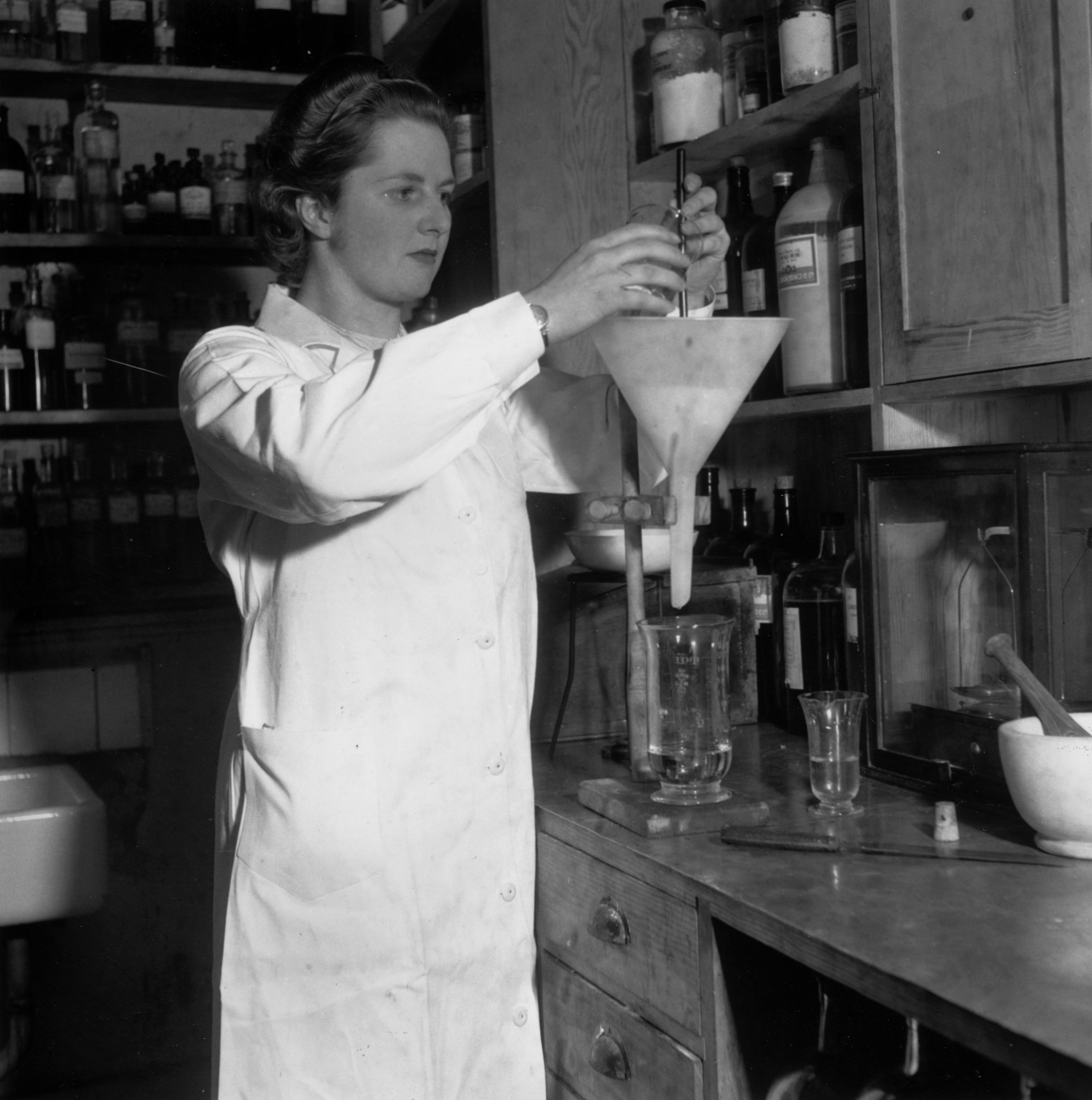
Margaret Thatcher

Thatcher at work as a research chemist in 1950.{credit}Christ Water/Getty{/credit}

Thatcher, who worked industry as a research chemist after graduating, was reportedly more proud of being the first UK prime minister with a science degree than she was of being the first female to enter Downing Street. David Payne examines how science influenced Thatcher’s politics, and looks at the interface between science and politics and its coverage in Nature’s careers section. Continue reading

Away from home: Industry or academia?

We’re bringing you the best stories in lab mobility from Nature India

The ‘Away from home‘ blogging series features Indian postdocs working in foreign labs recounting their experience of working there, the triumphs and challenges, the cultural differences and what they miss about India. They also offer useful tips for their Indian postdocs headed abroad. You can join in the online conversation using the #postdochat hashtag.

In our first entry from Italy, Arun Kumar, an alumnus of Bareilly College and a postdoc at Novartis Vaccines & Diagnostics, Siena tells us the good and bad of being a researcher in an industrial set-up. He also gives some very practical tips for researchers looking at postdoc positions in Italy.

Arun Kumar at the Novartis Vaccines & Diagnostics in Siena, Italy.

Arun Kumar at the Novartis Vaccines & Diagnostics in Siena, Italy.

Continue reading